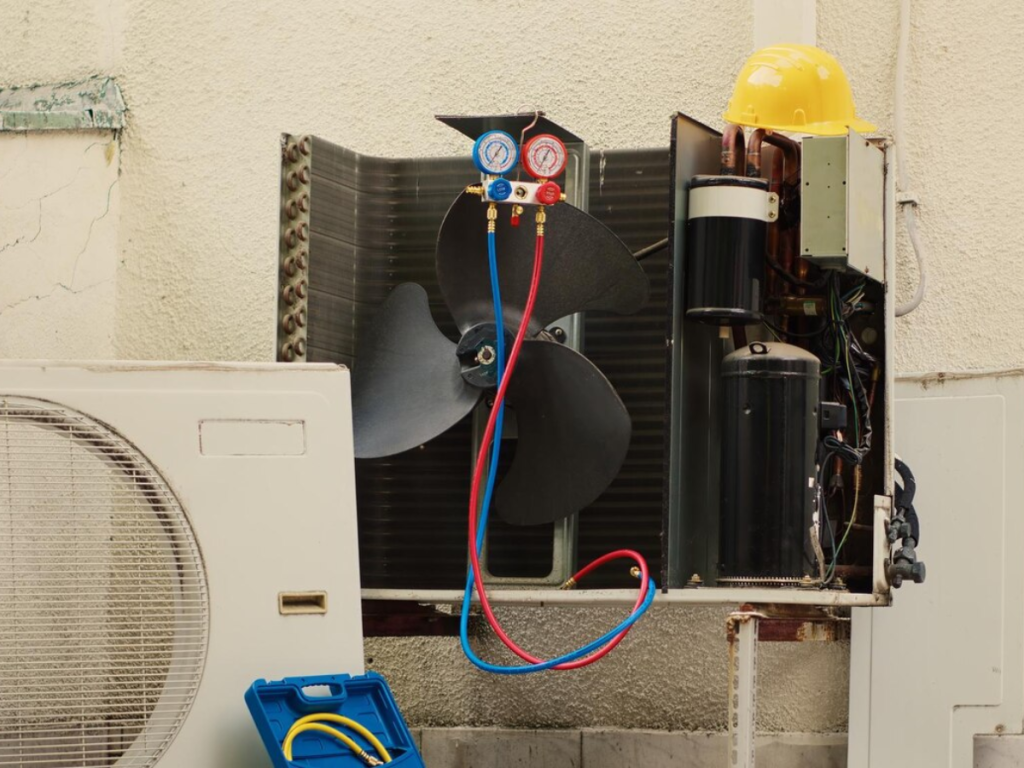
Imagine this: it’s a hot day, and your air conditioner suddenly stops cooling. You might not realize it, but the heart of your AC—the compressor—could be the problem.
When your air conditioner compressor goes out, it can bring your whole cooling system to a halt. You’ll feel the heat creeping in, and repairs can get costly if you don’t act fast. But what exactly happens inside your AC when the compressor fails?
And how can you spot the signs before things get worse? Keep reading to find out how this crucial part works and what you should do if it stops working. Your comfort depends on it.
Credit: www.tcmemt.com
Symptoms Of A Failed Compressor
The compressor is a key part of an air conditioner. It helps cool your home by compressing refrigerant. When the compressor fails, the AC stops working properly.
Knowing the signs of a bad compressor can save you time and money. Look out for these common symptoms to spot a problem early.
No Cooling Effect
If your AC runs but does not cool the air, the compressor might be failing. The refrigerant cannot circulate without a working compressor.
You may feel warm air blowing from the vents even when the AC is on. This is a clear sign the compressor is not working.
Unusual Noises
A failing compressor often makes strange sounds. You might hear grinding, rattling, or buzzing noises coming from the outdoor unit.
These noises mean the compressor parts are damaged or worn out. Ignoring sounds can cause further damage to your AC system.
Frequent Cycling
The compressor may turn on and off more often than usual. This is called frequent cycling and it stresses the AC system.
Frequent cycling can raise your energy bills and reduce the life of your air conditioner. It often indicates the compressor is struggling.
Tripped Circuit Breaker
A bad compressor can cause the circuit breaker to trip repeatedly. This happens because the compressor draws too much power.
If your breaker trips when the AC runs, the compressor may have an electrical fault. This needs quick attention to avoid damage.

Credit: www.youtube.com
Common Causes Of Compressor Failure
The compressor is a key part of an air conditioner. It helps cool your home by compressing refrigerant gas. If the compressor fails, the air conditioner stops working.
Many problems can cause the compressor to fail. Knowing these causes can help you prevent damage and costly repairs.
Electrical Issues
Electrical problems are a common cause of compressor failure. They can stop the compressor from running or cause it to run incorrectly.
Faulty wiring, blown fuses, or bad capacitors can damage the compressor motor. Power surges may also harm electrical components inside the compressor.
- Loose or damaged wiring
- Blown fuses or circuit breakers
- Failed start or run capacitors
- Power surges and voltage spikes
Refrigerant Problems
Refrigerant keeps the air conditioner cool. Low or leaking refrigerant can cause the compressor to work too hard. This leads to failure over time.
Too much refrigerant can also harm the compressor. Proper refrigerant levels are important for safe compressor operation.
- Refrigerant leaks
- Low refrigerant levels
- Overcharging refrigerant
Overheating
Heat can damage the compressor motor. Overheating happens when the compressor runs too long or does not get enough airflow.
Blocked vents, dirty coils, or a failing fan can cause overheating. This stress can lead to compressor burnout.
- Poor ventilation
- Dirty condenser coils
- Malfunctioning cooling fans
- Extended run times
Wear And Tear
Compressors have moving parts that wear out over time. Old age and constant use can cause mechanical failure.
Parts like pistons, valves, and bearings can break down. Regular maintenance helps extend the compressor’s life.
- Old or worn internal parts
- Lack of regular maintenance
- Continuous heavy use
Diagnostic Steps To Confirm Compressor Problems
The air conditioner compressor is a key part of your cooling system. When it stops working, your AC won’t cool properly. You can do some checks to see if the compressor is the problem.
These diagnostic steps help you find the issue before calling a technician. Follow each step carefully to avoid damage or injury.
Visual Inspection
Look at the compressor and surrounding parts. Check for signs of damage or wear. Common issues include leaks, broken wires, or burnt marks.
- Inspect the compressor for oil or refrigerant leaks.
- Check for dents or cracks on the compressor body.
- Look for loose or damaged wires and connections.
- Examine the fan and motor for dirt or debris.
Checking Electrical Components
Electrical faults can stop the compressor from running. Use a multimeter to test fuses, capacitors, and relays. Make sure power is off before testing.
| Component | What to Check | Normal Reading |
| Fuse | Continuity | Continuity present |
| Capacitor | Microfarad rating | Matches label |
| Relay | Clicks when powered | Click sound |
Measuring Refrigerant Levels
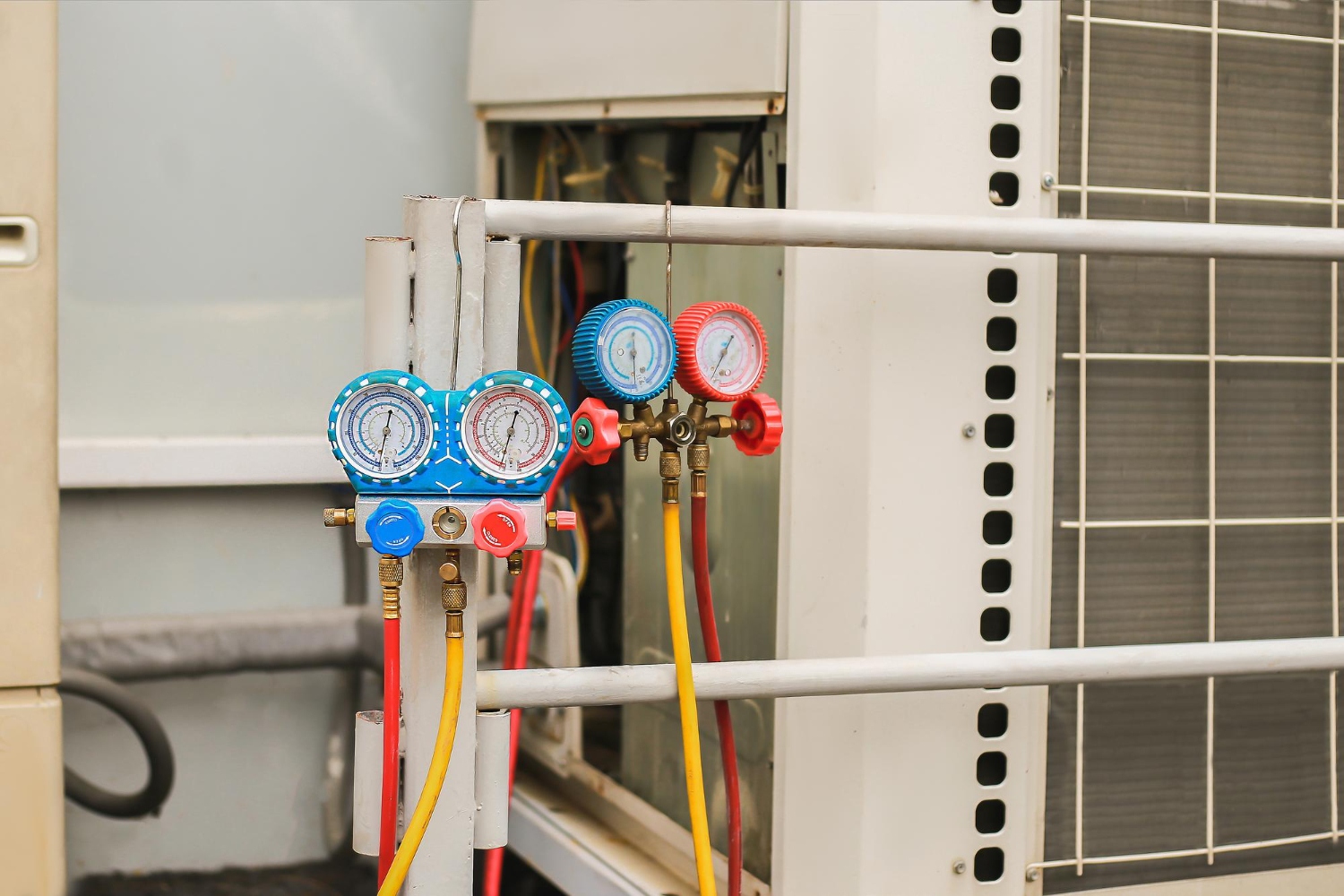
Low refrigerant can cause the compressor to fail. Use gauges to check pressure in the system. Compare readings to the manufacturer’s guide.
- Connect pressure gauges to service ports.
- Check high and low side pressures.
- Note if pressures are below recommended levels.
- Look for signs of leaks or damage to coils.
Professional Testing Tools
Special tools give a better diagnosis. A clamp meter checks compressor current. An ohmmeter tests winding resistance. These tools help find hidden faults.
| Tool | Purpose | What to Look For |
|---|---|---|
| Clamp Meter | Measures current draw | High or low current indicates problems |
| Ohmmeter | Tests winding resistance | Infinite or zero resistance shows faults |
| Vacuum Pump | Removes moisture and air | Essential before recharging refrigerant |

Credit: coolbydesignfl.com
Temporary Fixes And Workarounds
An air conditioner compressor failure can stop your cooling system. You might need quick fixes to keep cool before a repair.
Some simple steps can help you manage the problem temporarily. These fixes may restore some function or prevent more damage.
Resetting The System
Resetting your AC system can sometimes fix minor compressor issues. This clears errors in the control board.
Turn off the AC unit and unplug it for a few minutes. Plug it back in and switch it on to see if it works.
Cleaning Or Replacing Filters
Dirty filters reduce airflow and strain the compressor. Clean or replace filters to ease the load on the system.
Regular filter care helps the compressor run better. It can stop overheating and temporary shutdowns.
- Turn off the AC before handling filters
- Remove the filter carefully
- Clean with water or replace if very dirty
- Dry the filter completely before reinstalling
Checking And Replacing Capacitors
The capacitor helps the compressor start and run. A bad capacitor can stop the compressor from working.
Look for bulges or leaks on the capacitor. Replace it if you find damage to restore compressor function temporarily.
- Turn off power to the AC unit
- Discharge the capacitor safely before touching
- Use a multimeter to check capacitance
- Install a new capacitor of the same rating if needed
Long-term Repair Options
An air conditioner compressor failure affects your cooling system’s performance. Choosing the right long-term repair option helps restore comfort and efficiency.
Below are common repair choices to consider after a compressor goes out. Each option varies in cost, time, and benefits.
Compressor Replacement
Replacing the compressor is often necessary when it stops working. This restores the AC to full function but may require professional service.
- Removal of the old compressor
- Installation of a new compressor that fits your system
- Testing and charging the system to ensure proper operation
- Warranty coverage for the new component
System Recharge
Sometimes, the compressor fails due to low refrigerant levels. Recharging the system can help but only if no leaks exist.
| Step | Action | Purpose |
| 1 | Check refrigerant level | Identify if recharge is needed |
| 2 | Repair leaks if any | Prevent future refrigerant loss |
| 3 | Recharge refrigerant | Restore cooling capacity |
| 4 | Test system pressure | Confirm proper function |
Upgrading To Energy-efficient Units
Replacing the entire AC unit with an energy-efficient model saves money on electricity. It also reduces repair needs in the future.
- Look for units with high SEER ratings
- Choose models with better refrigerants and technology
- Consider the size and cooling capacity for your space
- Consult professionals for installation and setup
Preventing Future Compressor Issues
The compressor is a key part of your air conditioner. If it stops working, your home can get very hot. Taking care of your compressor helps avoid problems later.
Simple steps can keep your air conditioner running well. These steps save money and keep you comfortable all year.
Regular Maintenance Tips
Clean and check your air conditioner often. Dirt and dust can harm the compressor. Change filters every few months. Clear debris around the unit to keep air flowing.
- Replace or clean air filters regularly
- Keep outdoor unit free from leaves and dirt
- Clean evaporator and condenser coils yearly
- Check refrigerant levels for leaks
Proper Usage Practices
Use your air conditioner wisely to help the compressor last longer. Avoid setting very low temperatures. Give the system breaks by turning it off when not needed.
- Set thermostat between 75°F and 78°F
- Use fans to help cool rooms
- Close windows and doors while AC runs
- Avoid overworking the system during hot days
Scheduling Professional Inspections
Experts can find small problems before they get big. Schedule yearly checkups for your air conditioner. They clean parts and check the compressor’s health.
- Hire a licensed HVAC technician annually
- Ask for compressor and refrigerant checks
- Request inspection of electrical parts
- Fix issues early to avoid costly repairs
Frequently Asked Questions
What Are The Signs Of A Failing Ac Compressor?
Signs include warm air, strange noises, frequent cycling, and increased energy bills. These indicate compressor issues needing prompt attention.
How Long Does An Ac Compressor Typically Last?
An AC compressor lasts about 10 to 15 years with proper maintenance and care. Regular check-ups can extend its lifespan.
Can A Bad Compressor Be Repaired Or Replaced?
Most compressor failures require replacement, as repairs are often costly and ineffective. Replacing ensures reliable AC performance.
What Causes An Air Conditioner Compressor To Fail?
Common causes include electrical issues, refrigerant leaks, overheating, and lack of maintenance. These factors damage the compressor over time.
Conclusion
An air conditioner’s compressor failing disrupts comfort. It affects cooling efficiency. Costs may rise with repairs or replacements. Regular maintenance can prevent issues. A professional check ensures the system runs smoothly. Watch for signs like strange noises or warm air.
Address problems early to avoid bigger headaches. Stay cool by being proactive and informed.