Have you ever noticed ice forming on your air conditioner and wondered what’s going on? When your AC freezes up, it doesn’t just look strange—it can stop working properly and leave you uncomfortable.
You might feel confused or worried about what caused it and how to fix it. Understanding why your air conditioner freezes can save you time, money, and hassle. Keep reading to discover the common reasons behind this problem, what happens inside your unit, and what you can do to get your cool air flowing again.
Credit: serviceplusheatingcooling.ca
Why Air Conditioners Freeze
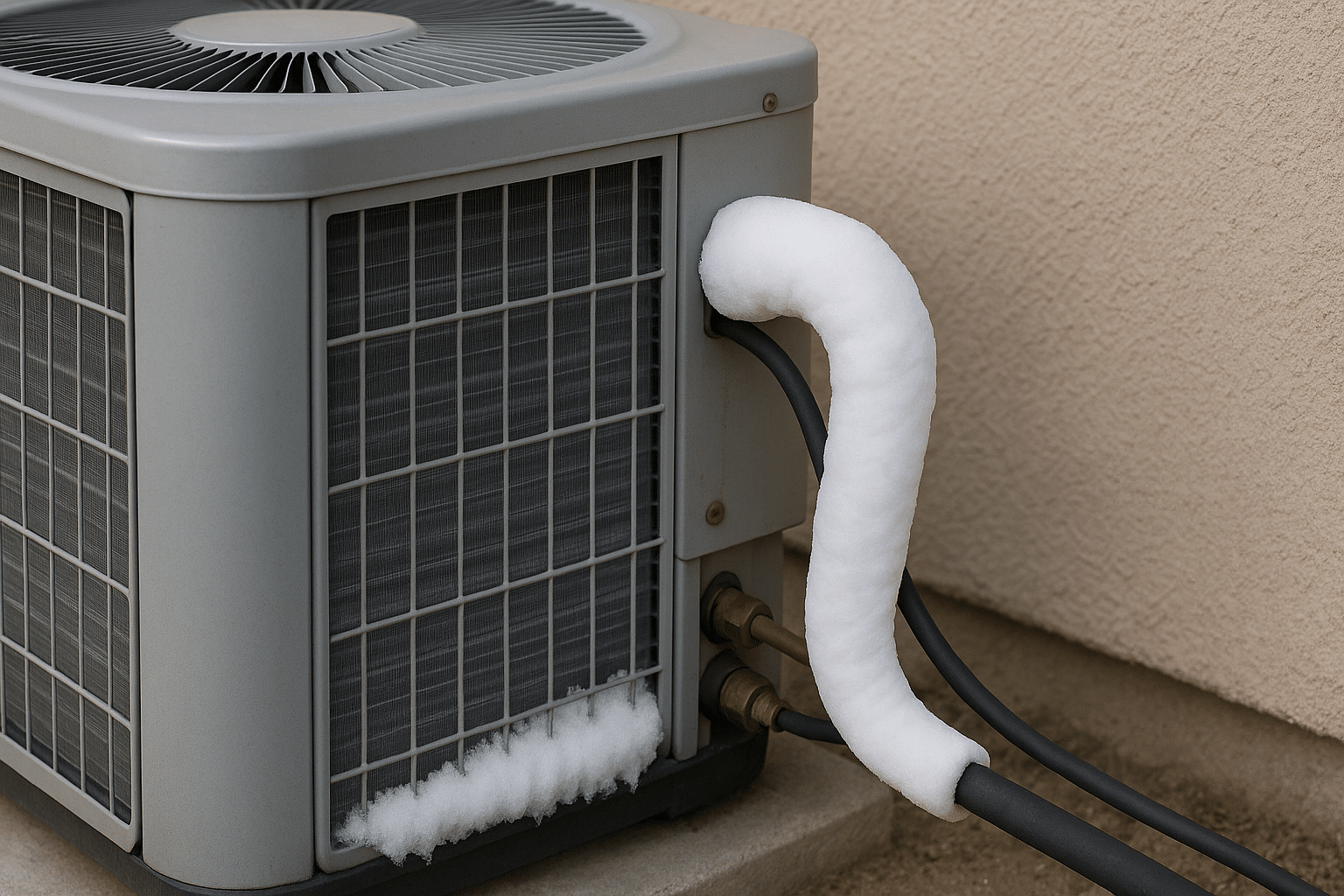
Low refrigerant levelscause the air conditioner to lose its cooling power. This makes the coils freeze because they get too cold. The system tries to cool, but there is not enough refrigerant to absorb the heat.
Dirty air filtersblock the airflow. This makes the air conditioner work harder and causes the coils to freeze. Clean filters help the air move freely and stop the freezing.
Blocked airflowcan happen from closed vents or dirty ducts. Without good airflow, cold air stays on the coils. This leads to ice buildup and freezing.
Thermostat issuescan cause the AC to run too long or not enough. A wrong setting or a broken thermostat can make the unit freeze up by running without breaks.
Mechanical failureslike broken fans or pumps stop the system from working well. This can cause the temperature to drop too low and freeze the coils.
Credit: www.angi.com
Signs Of A Frozen Ac Unit
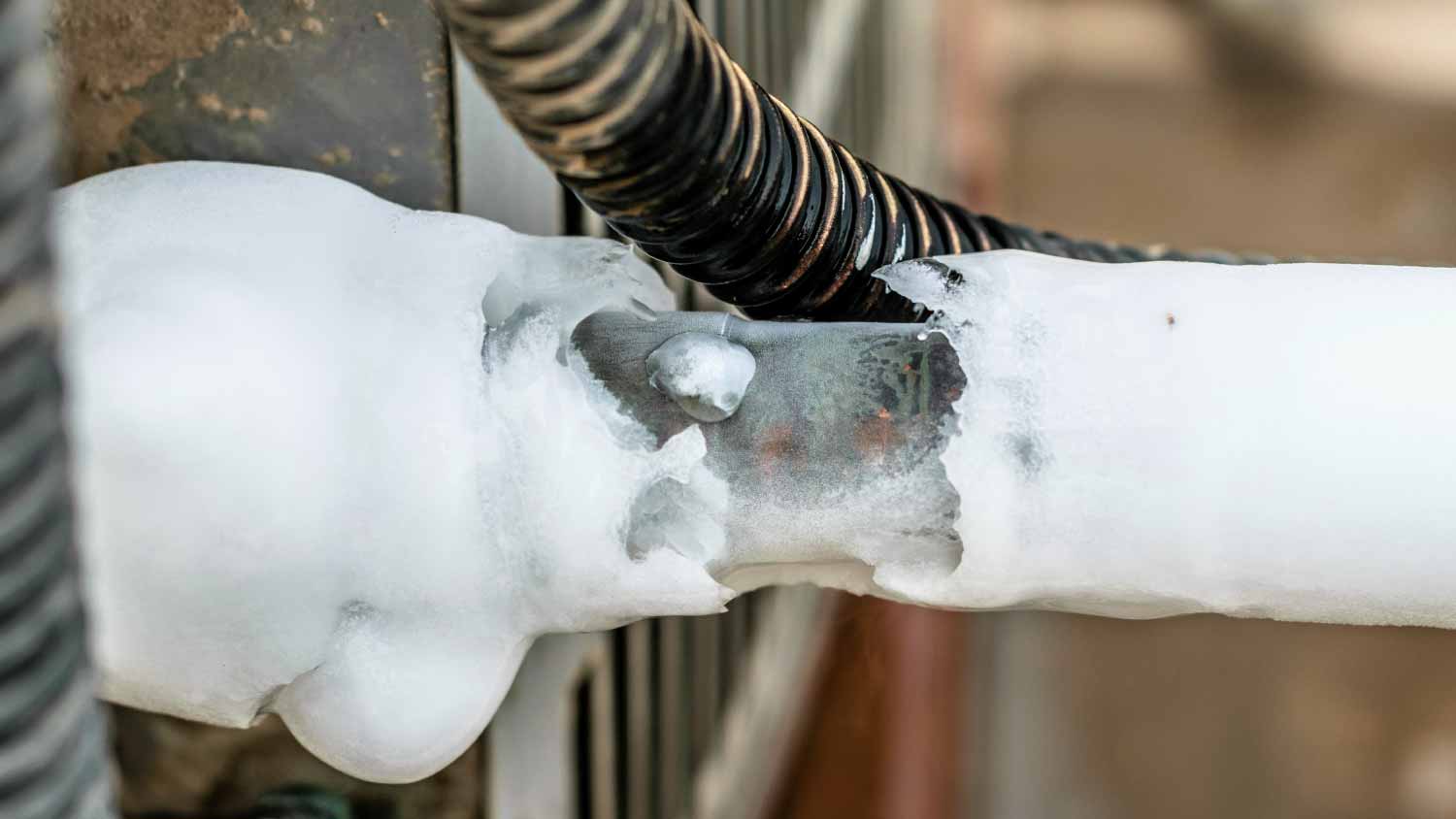
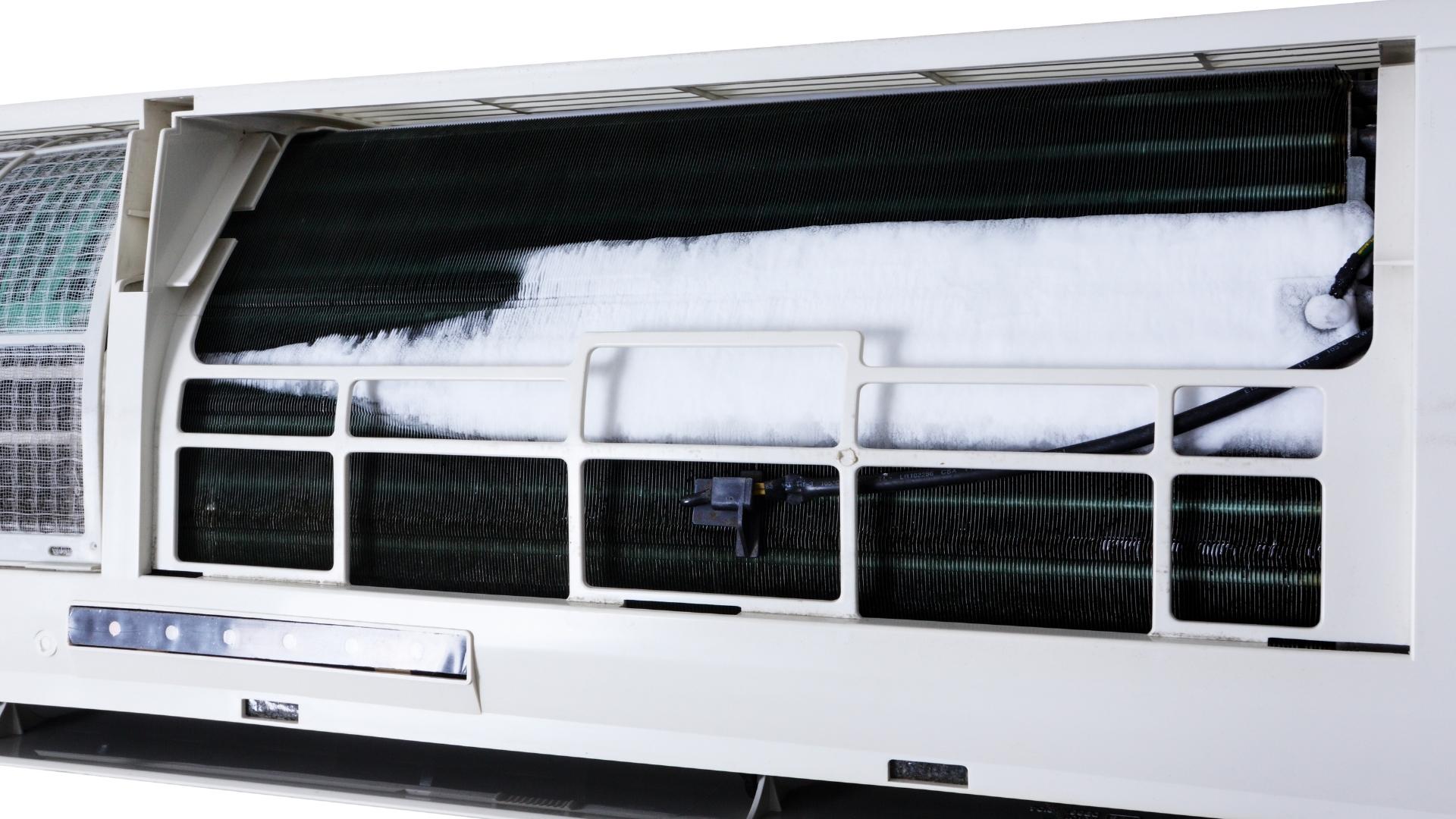
Ice buildup on coilsis a clear sign that the AC is frozen. The coils look white and frosty. This stops the AC from working properly. Ice blocks airflow, so the room stays warm.
Reduced cooling performancemeans the AC is not cooling the room well. The air may feel less cold or even warm. This happens because the frozen parts stop the system from working.
Unusual noiseslike rattling or hissing can come from the AC. Ice can cause parts to move badly or make strange sounds. These noises mean the unit needs checking.
Water leaksappear when ice melts. Water may drip near or under the AC. This can cause damage to floors or walls if not fixed fast.
Immediate Steps To Take
Turn off the ACimmediately to stop further freezing. This prevents damage to the system and lets the ice melt safely.
Allow the ice to meltnaturally. Avoid using sharp tools to remove ice, as this can harm the unit. Melting may take several hours.
- Check air filtersfor dirt and dust. Dirty filters block airflow and can cause the AC to freeze again.
- Inspect vents and ductsto ensure they are open and not blocked. Good airflow helps prevent freezing.
How To Fix Common Causes
Recharging refrigerantrestores the cooling power of your AC. Low refrigerant causes ice build-up. A certified technician must check and refill it safely.
Replacing or cleaning filtershelps air flow freely. Dirty filters block airflow, making the unit freeze. Clean or new filters improve performance and prevent ice.
Clearing blocked ventsallows cold air to move properly. Dust, debris, or furniture in front of vents cause freezing. Keep vents open and clean for best results.
Calibrating the thermostatensures the AC runs at the right temperature. Wrong settings can cause the system to work too hard and freeze up. Adjust it carefully or call a pro.
Professional mechanical repairsfix deeper problems like frozen coils or fan issues. Technicians have tools and skills to handle complex repairs safely and quickly.
Preventing Future Freezing
Regular maintenance keeps the air conditioner working well. Clean or change filters often to stop dirt buildup. Dirt blocks airflow and can cause freezing. Check refrigerant levels to ensure the system runs smoothly. Proper thermostat settings help avoid freezing. Keep the temperature moderate, not too low. Setting it too cold makes the unit work too hard and freeze.
Good airflow is important. Keep vents open and clear of furniture or curtains. Blocked airflow causes the system to freeze. Use fans to help move air if needed. Scheduling professional inspections helps find small problems early. Experts check parts, clean coils, and refill refrigerant safely. This saves money and prevents breakdowns.
Credit: www.thervgeeks.com
Frequently Asked Questions
Why Does An Air Conditioner Freeze Up?
An air conditioner may freeze due to restricted airflow or low refrigerant levels. Dirty filters, blocked vents, or malfunctioning fans can obstruct airflow. Insufficient refrigerant can cause the evaporator coil to drop below freezing, resulting in ice formation. Regular maintenance can help prevent these issues.
How Can You Defrost A Frozen Air Conditioner?
To defrost a frozen air conditioner, turn it off and let it thaw naturally. Ensure good airflow by cleaning or replacing filters. Check for obstructions around the unit. Once thawed, switch to fan mode to help circulate air and prevent future freezing.
What Are The Signs Of A Frozen Ac Unit?
Signs of a frozen AC unit include reduced airflow, ice visible on the unit, and warm air output. Additionally, you might hear unusual sounds or notice water pooling around the unit. Promptly addressing these signs can prevent further damage and restore efficiency.
Can A Frozen Ac Unit Be Repaired?
Yes, a frozen AC unit can often be repaired by addressing the underlying cause. Check for airflow obstructions or refrigerant leaks. Clean or replace filters and ensure proper ventilation. If problems persist, consult a professional technician to diagnose and fix the issue.
Conclusion
A frozen air conditioner can cause many problems. It stops cooling your home properly. Ice builds up on the coils and blocks airflow. This can harm the system and increase energy bills. Regular cleaning and filter checks help prevent freezing.
Turn off the unit if you see ice. Let it thaw before restarting. Call a professional if freezing happens often. Staying aware keeps your air conditioner working well. Don’t let ice damage your comfort or wallet. Act quickly to keep your home cool and safe.