Have you ever wondered what happens when semaglutide, a medication you might rely on, is not stored properly? If you’ve ever found yourself questioning the importance of keeping your medication refrigerated, you’re not alone.
Understanding the effects of improper storage could be crucial for your health and well-being. Imagine the peace of mind knowing you’re taking a medication that’s as effective as it should be. This article will guide you through the potential consequences of leaving semaglutide out of the fridge, equipping you with the knowledge to ensure your medication remains safe and effective.
Keep reading to protect your health and make informed decisions about your treatment.

Credit: www.reddit.com
Semaglutide Storage Basics
Storing semaglutide correctly is crucial to maintaining its effectiveness. If the medication isn’t kept at the right temperature, it can lose its potency and might not work as intended. Understanding the basics of semaglutide storage will help you protect your investment and ensure your treatment remains safe and effective.
Recommended Temperature Range
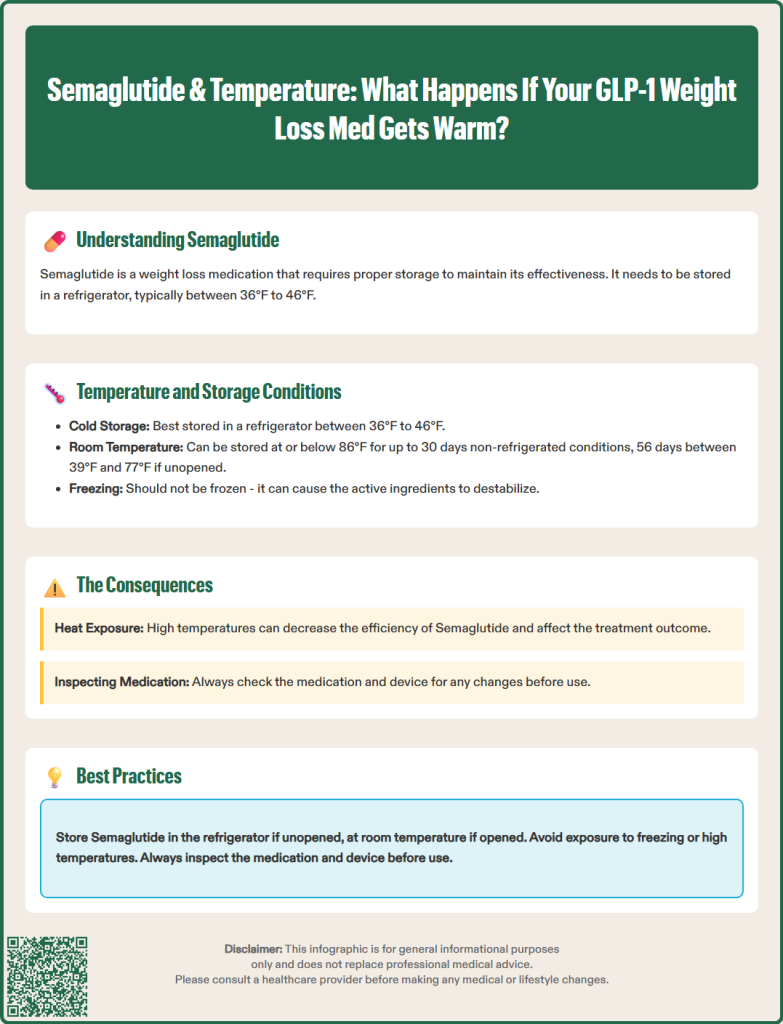
Semaglutide should be stored in a refrigerator between 2°C and 8°C (36°F and 46°F). This range keeps the medication stable and prevents it from degrading too quickly.
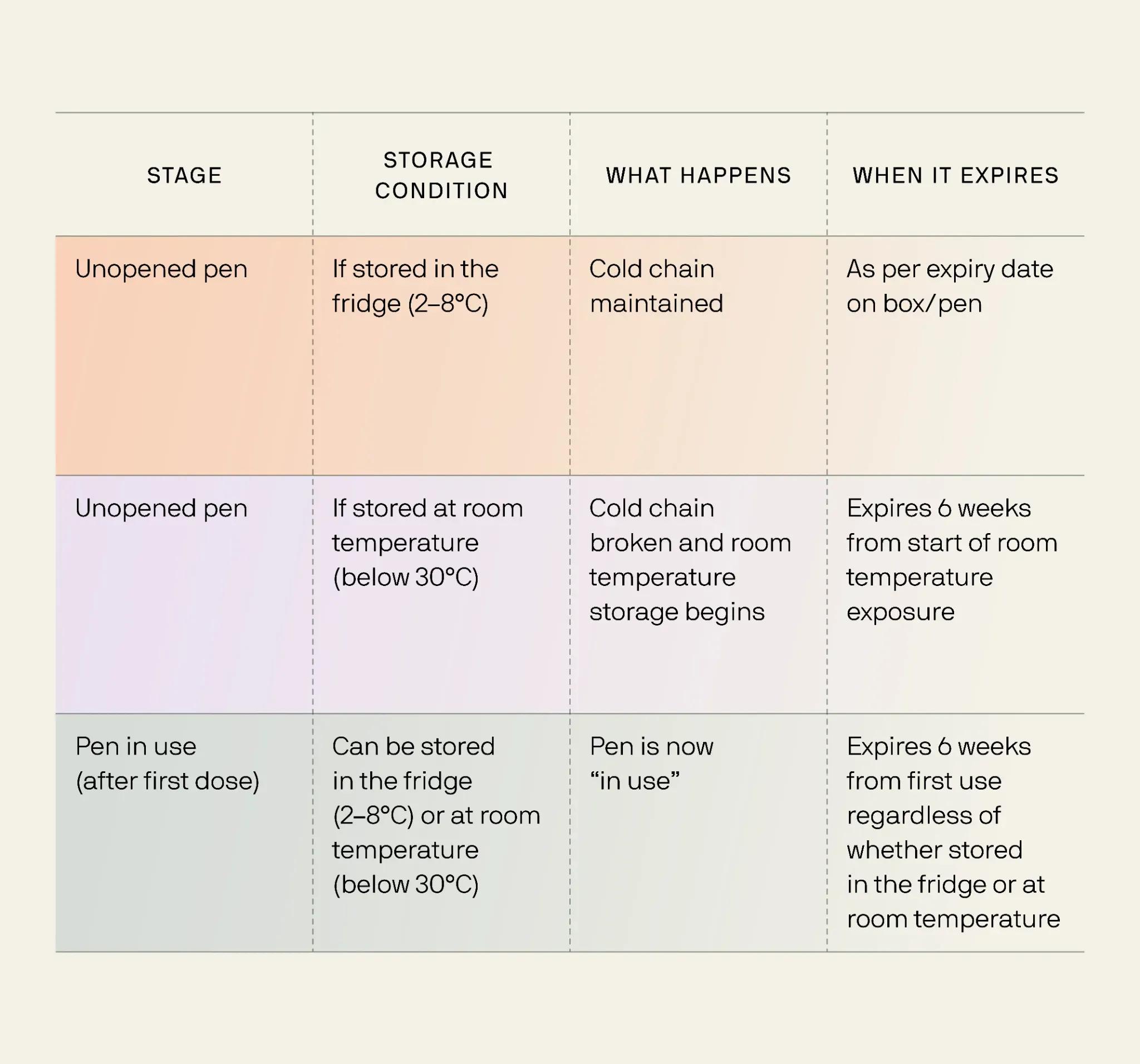
If you don’t have immediate access to refrigeration, you can store semaglutide at room temperature, but only up to 30°C (86°F) and for no more than 30 days. After this period, the medication may start losing its strength.
Have you ever noticed a change in the appearance of your medication? Cloudiness or particles can indicate that it wasn’t stored properly, signaling a loss of quality.
Importance Of Refrigeration
Refrigeration slows down the chemical breakdown of semaglutide, preserving its effectiveness over time. Without it, the medication can degrade faster, reducing the benefits you expect from your treatment.
Think about a time when you left medication out on a hot day. You might have felt unsure if it still worked. That uncertainty can be avoided by keeping semaglutide refrigerated as recommended.
Skipping proper storage isn’t just about potency; it’s also about safety. Using semaglutide that hasn’t been refrigerated properly could lead to unpredictable results or even side effects.

Credit: www.aol.com
Effects Of Room Temperature Exposure
Semaglutide requires careful storage to maintain its effectiveness. Exposure to room temperature can affect its quality. Understanding these effects helps ensure the medication works as intended.
Chemical Stability Changes
Semaglutide is designed to remain stable under refrigerated conditions. At room temperature, chemical breakdown may occur faster. This can cause the medicine to lose its original structure. The breakdown results in less reliable treatment outcomes.
Heat and light exposure at room temperature speed up this process. The medicine’s ingredients may degrade unevenly. This leads to the formation of impurities. Such changes can reduce the drug’s safety and effectiveness.
Impact On Drug Potency
Potency means how strong the medicine is. When semaglutide is not kept cold, its potency can decline. This drop means the dose will not work as well. Patients may not see the expected benefits.
Reduced potency can lead to poor blood sugar control. This can increase health risks for users. Maintaining the right temperature preserves the drug’s full strength. Avoid storing semaglutide at room temperature for long periods.
Risks Of Using Non-refrigerated Semaglutide
Using semaglutide without proper refrigeration can lead to serious risks that affect both its safety and effectiveness. This medication is sensitive to temperature changes, and improper storage can alter its chemical structure. Understanding these risks helps you avoid wasted doses and potential health complications.
Reduced Effectiveness
Semaglutide needs to be kept cold to maintain its potency. When left out at room temperature for too long, the medication can degrade and lose strength.
This means your dose might not work as well, leading to poor blood sugar control or less weight loss benefit. Have you ever felt your medication just wasn’t working? Temperature mishandling could be why.
Even if the solution looks clear, its effectiveness might be compromised. Always check storage instructions carefully to ensure you get the full benefit from your treatment.
Potential Side Effects
Using semaglutide that hasn’t been refrigerated properly can increase the risk of side effects. Degraded medication may cause unexpected reactions or worsen common side effects like nausea or stomach discomfort.
In some cases, altered semaglutide might trigger allergic reactions or injection site irritation. These symptoms can surprise you since you expect the medication to be safe.
Pay attention to any unusual reactions after using semaglutide that wasn’t stored correctly. It’s better to discard questionable doses than risk your health.
Signs Semaglutide May Be Compromised
Semaglutide is a delicate medication that requires specific storage conditions to maintain its effectiveness. If it is not refrigerated as recommended, the drug may become compromised, risking your treatment results. Identifying the signs of a compromised dose early can help you avoid potential health risks and ensure your medication works as intended.
Visual And Physical Changes
One of the first signs that your semaglutide may have been compromised is a change in its appearance. The solution should be clear and colorless or slightly yellowish. If you notice cloudiness, particles, or discoloration, it’s a strong indicator that the medication has degraded.
Additionally, the texture of the liquid can change. A thicker or gel-like consistency often means the semaglutide has been exposed to improper temperatures. If you find these changes, don’t risk using the medication—dispose of it safely and get a new supply.
Expiration And Usage Indicators
Check the expiration date on your semaglutide packaging carefully. Even if the medication hasn’t reached this date, improper storage—like being left out of the fridge—can shorten its shelf life significantly. Pay attention to any manufacturer warnings about storage times once opened.
Some pens or vials have usage indicators that show how long the medication remains effective after being taken out of refrigeration. Ignoring these can lead to using a less potent or ineffective dose. Have you ever wondered if your medication’s storage conditions might be silently affecting your treatment?
Best Practices For Semaglutide Handling
Handling semaglutide correctly is key to keeping it effective and safe for your treatment. Mishandling, especially improper storage, can reduce its potency and impact your health. Let’s look at practical ways you can manage your semaglutide, so it works as intended every time.
Safe Storage Tips
Semaglutide should ideally be stored in the refrigerator between 2°C and 8°C (36°F and 46°F). This keeps the medication stable and prevents it from breaking down.
If refrigeration isn’t possible, keep it at room temperature but below 30°C (86°F), and use it within 28 days. Avoid freezing it or exposing it to direct sunlight, as this can damage the medicine.
Always store semaglutide in its original pen or packaging to protect it from light and moisture. Have you checked the expiration date on your pen recently? Using expired semaglutide can be risky.
Transporting Without Refrigeration
Traveling with semaglutide can be tricky if you don’t have access to a refrigerator. Use an insulated cooler bag with ice packs to keep the medication cool during transit.
Make sure the ice packs don’t come in direct contact with the pen to avoid freezing it. Keep the pen in the middle of the cooler bag surrounded by soft materials for protection.
If you expect to be away from refrigeration for more than 28 days, plan ahead to get a fresh supply. How do you usually manage your medication when on the go? Small changes in handling can make a big difference in your treatment’s success.
Credit: www.joinvoy.com
What To Do If Semaglutide Was Not Refrigerated
Semaglutide requires careful storage to keep its effectiveness. Sometimes, it may be left out of the refrigerator by mistake. Knowing what to do next is important to avoid health risks and medication waste. This section explains how to handle semaglutide that was not refrigerated properly.
Assessing Usability
Check how long semaglutide has been outside the fridge. Less than 30 days at room temperature is usually safe. Look for changes in color or cloudiness. Clear and colorless medicine means it is likely fine. Cloudy or discolored liquid suggests it should not be used. Also, check the expiration date on the package.
Do not use semaglutide if it smells unusual. Avoid using the medicine if you see particles inside. Proper inspection helps prevent using spoiled medicine.
Consulting Healthcare Providers
Contact your doctor or pharmacist for advice. Describe how long the medicine was unrefrigerated. Share any changes you noticed in the medicine’s appearance. Healthcare providers can confirm if the medicine is still safe. They may suggest a replacement if needed. Follow their instructions carefully to stay safe and effective.
Frequently Asked Questions
What Happens If Semaglutide Is Left Unrefrigerated?
If Semaglutide is left unrefrigerated, its effectiveness may decrease. The medication can degrade, reducing its potency and therapeutic benefits. Always store it as per guidelines to ensure safety and efficacy.
How Long Can Semaglutide Stay Unrefrigerated Safely?
Semaglutide can usually stay unrefrigerated for up to 30 days. Beyond this period, its stability may be compromised. Check the manufacturer’s instructions for exact time limits to maintain drug quality.
Can Unrefrigerated Semaglutide Cause Side Effects?
Using unrefrigerated Semaglutide might increase the risk of reduced effectiveness rather than new side effects. However, compromised medication can lead to poor blood sugar control. Always follow storage recommendations to avoid health risks.
Does Unrefrigerated Semaglutide Lose Its Potency?
Yes, Semaglutide loses potency if not refrigerated properly. Exposure to heat or room temperature for too long can degrade the drug. Proper refrigeration ensures it retains full effectiveness for treatment.
Conclusion
Semaglutide needs careful storage to stay effective. Not refrigerating it can reduce its strength. This may affect how well it controls blood sugar. Always keep it cool to protect your health. Check with your doctor if you think it was stored wrong.
Proper care helps you get the best results. Don’t risk using medicine that lost its power. Simple steps make a big difference in treatment success.