
Have you ever wondered what happens when you put dish soap in the dishwasher instead of the usual detergent? Maybe you’ve run out of dishwasher tablets and thought, “What’s the harm in trying?” Before you take the plunge, it’s essential to know the potential chaos you might unleash in your kitchen.
The idea might seem harmless, but the reality could be a bubbly disaster. By understanding the effects, you can prevent a foamy flood from taking over your kitchen floor. Stick around, because what you’ll learn here could save you from a sudsy surprise and a lot of cleanup time.
Curious about the science behind those suds? Read on to discover the surprising outcome and the simple steps to avoid any mess.
Dish Soap Vs Dishwasher Detergent
Many people wonder about the difference between dish soap and dishwasher detergent. Both clean dishes but work very differently. Using the wrong product can cause problems in your dishwasher.
Chemical Differences
Dish soap contains strong surfactants to remove grease by hand. It is designed to create lots of bubbles and foam. Dishwasher detergent has enzymes and chemicals that break down food and stains without foam. It is formulated to work with high water temperatures and pressure inside the machine.
Foaming Properties
Dish soap creates large amounts of foam. This foam can overflow inside the dishwasher. It may cause leaks or damage to the machine. Dishwasher detergent produces little to no foam. This prevents suds from interfering with the washing cycle.
Designed Use Cases
Dish soap is made for washing dishes by hand. It is gentle on skin and rinses easily. Dishwasher detergent is made only for dishwashers. It cleans effectively in short cycles and hard water. Using dish soap in the dishwasher can cause clogs and poor cleaning results.

Credit: www.thespruce.com
Immediate Effects Of Using Dish Soap
Using dish soap in a dishwasher causes quick and visible changes. These changes affect the washing process and the dishwasher itself. Understanding these immediate effects helps avoid damage and messy cleanups.
Excessive Suds Formation
Dish soap creates many suds that the dishwasher cannot handle. These suds overflow from the dishwasher door and vents. The bubbles fill the kitchen with foam, making a big mess. The dishwasher’s rinse cycle struggles to clear all suds, reducing cleaning power.
Water Overflow Issues
Too many suds cause water to overflow inside and outside the dishwasher. This overflow can leak onto kitchen floors, causing slippery spots. Water may also damage cabinets or flooring over time. Overflow disrupts the dishwasher’s normal water levels and cycles.
Impact On Dishwasher Components
Dish soap suds can harm the dishwasher’s parts. Excess foam may clog spray arms and filters. Over time, soap residue builds up, reducing machine efficiency. Pump and motor stress increases due to extra suds. This stress can lead to costly repairs or shorter appliance life.
Potential Damage To Your Dishwasher
Using dish soap instead of dishwasher detergent might seem like a quick fix, but it can seriously harm your dishwasher. The formulas in dish soap create excessive suds that your dishwasher isn’t designed to handle. This leads to several mechanical and operational issues that can disrupt your appliance’s performance and longevity.
Clogged Filters And Drains
Dish soap produces a lot of foam that can trap food particles and grease more easily than dishwasher detergent. This foam can clog the filters and drains, causing water to back up inside your machine. Over time, these blockages can lead to unpleasant odors and reduce your dishwasher’s cleaning efficiency.
I once ignored this issue and noticed my dishwasher started leaving dishes dirty and water pooling at the bottom. Checking the filter revealed it was packed with suds and debris, which was a clear sign of soap buildup. Regularly inspecting and cleaning your filters can help avoid this messy problem.
Pump Malfunction Risks
The dishwasher’s pump relies on clear water flow to operate properly. Excess suds from dish soap can interfere with the pump’s movement, causing it to work harder or even fail. When the pump struggles, you might hear unusual noises or see warning lights on your dishwasher’s panel.
Imagine the cost of replacing a pump—far more than buying the right detergent. Protect your appliance by sticking to products designed for dishwasher use. If you hear strange sounds or notice leaks, check the pump area immediately to prevent further damage.
Long-term Wear And Tear
Continued use of dish soap can accelerate wear on seals and internal components. The suds can cause excess moisture buildup in places meant to stay dry, leading to corrosion or weakening of parts. This gradual damage reduces your dishwasher’s lifespan and increases repair costs.
Have you ever wondered why your dishwasher starts leaking or stops sealing properly? It might be the hidden damage caused by incorrect detergents. Protect your investment by using the right cleaning agents and maintaining your dishwasher regularly.

Credit: puracy.com
How To Handle A Dish Soap Mishap
Accidentally using dish soap in your dishwasher can quickly turn a simple chore into a foamy disaster. Knowing how to handle this mishap can save you time, prevent damage, and keep your kitchen clean. Here’s what to do if you find yourself facing a sudsy overflow.
Steps To Stop The Cycle
First, stop the dishwasher immediately. Open the door carefully to avoid suds spilling out. If the machine allows, press the “Cancel” or “Pause” button to halt the cycle.
Next, turn off the power at the circuit breaker or unplug the dishwasher for safety. This prevents the pump from pushing more suds and water around. Have you ever left the dishwasher running only to return to a bubbly mess? Stopping the cycle early is crucial to avoid that.
Cleaning Up Suds And Water
Use towels or a mop to soak up the sudsy water on the floor. Avoid rinsing the suds down the drain immediately, as this can cause clogs. Instead, scoop out excess water from the dishwasher with a small container or cup.
Run a clean water rinse cycle without detergent to flush out remaining soap residue. If suds appear again, repeat rinsing until they disappear. It might take a couple of attempts, but patience here prevents long-term buildup.
Preventing Further Damage
Check your dishwasher’s manual to understand what detergents are safe. Regular dish soap creates excessive foam, but dishwasher detergents are specially formulated to avoid this. Have you ever wondered why your dishwasher soap is different? It’s all about controlling suds levels.
After cleaning, inspect the dishwasher’s filter and drain for any soap buildup or blockages. Clear any debris to ensure smooth operation. Consider running an empty cycle with vinegar or a dishwasher cleaner to restore balance and remove leftover soap films.
Safe Alternatives For Dishwasher Use
Using dish soap in your dishwasher can cause more harm than good, leading to excessive suds and potential damage. Instead, consider safe alternatives that protect your machine and still deliver sparkling dishes. Let’s look at some smart choices you can make to keep your dishwasher running smoothly without unexpected messes.
Choosing The Right Detergent
Dishwashers need detergents specifically designed for their unique cleaning process. These detergents control suds and break down food particles effectively without damaging your appliance.
Look for products labeled “dishwasher detergent” rather than regular dish soap. Powder, gel, or pod forms all work well, depending on your preference.
Have you checked the ingredients list lately? Avoid detergents with fillers or harsh chemicals that might harm your dishwasher or leave residue on your dishes.
Homemade Dishwasher Detergent Options
If you prefer DIY solutions, simple homemade detergents can work well and save money. Mixing washing soda, baking soda, and a bit of salt creates a gentle but effective cleaning powder.
Adding a few drops of lemon juice or vinegar can boost grease-cutting power naturally. However, never add homemade detergent directly with regular dish soap, as it might cause foaming issues.
Have you tried making your own dishwasher detergent? It’s a rewarding way to control what goes into your machine and can be tailored to your water hardness and dishwashing needs.
Eco-friendly Choices
Eco-friendly dishwasher detergents offer a safe and sustainable option for your home. They often avoid harsh chemicals and use biodegradable ingredients that are better for the environment.
Brands that carry certifications like EPA Safer Choice or Green Seal usually meet strict environmental and safety standards. These products clean effectively without sacrificing your dishwasher’s health.
Switching to eco-friendly detergents can reduce your household’s chemical footprint. Have you considered how your cleaning products impact the planet and your family’s health?
Common Myths About Dish Soap In Dishwashers
Many people wonder about the effects of using regular dish soap in their dishwasher. There are plenty of myths floating around that can confuse even the most careful dishwasher users. Let’s clear up some common misconceptions and give you the facts.
Is It Safe To Use In Small Amounts?
Some believe that adding just a tiny bit of dish soap to the dishwasher won’t cause any problems. But even small amounts can create excessive suds that your dishwasher isn’t designed to handle.
These suds can overflow, leading to leaks or damage. So, no matter the quantity, dish soap is not safe for dishwashers.
Will It Clean Better Than Dishwasher Soap?
Dish soap is formulated for hand washing, not for the high-temperature, pressurized environment inside a dishwasher. This means it won’t break down food particles or grease as effectively during a dishwasher cycle.
Using dishwasher detergent ensures your dishes come out clean and residue-free. Relying on dish soap for better cleaning is a myth that can leave you disappointed.
Can It Save Money?
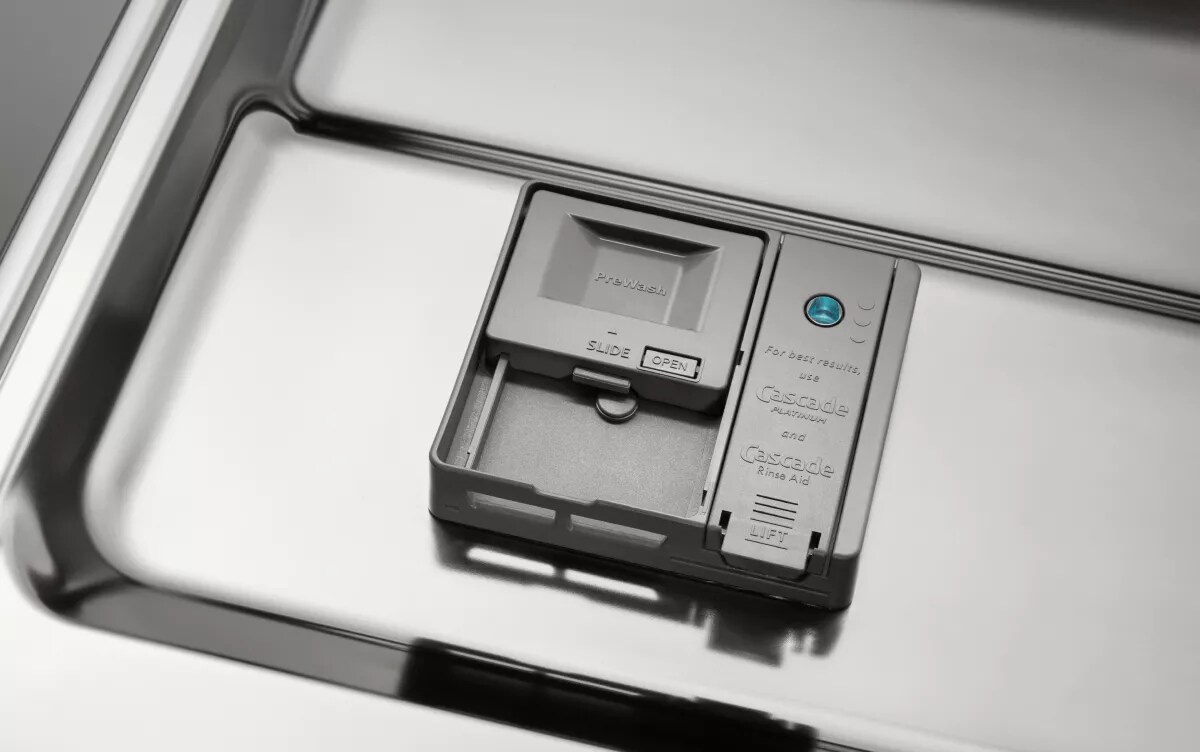
At first glance, using dish soap might seem like a cost-saving hack since it’s cheaper and more readily available. However, the potential damage to your dishwasher and the mess of overflowing suds can cost you much more in repairs and extra cleaning time.
In the long run, sticking with the proper detergent saves you money and hassle. Are you willing to risk your appliance for a small, short-term saving?
Credit: www.whirlpool.com
Frequently Asked Questions
What Happens If You Use Dish Soap In The Dishwasher?
Using dish soap in the dishwasher causes excessive suds. These suds overflow, making a mess inside and outside the machine. It can damage the dishwasher’s components and reduce cleaning efficiency. Always use detergent designed specifically for dishwashers.
Can Dish Soap Damage My Dishwasher?
Yes, dish soap can damage your dishwasher. It creates too many suds that can clog parts and cause leaks. Over time, this may lead to costly repairs or even dishwasher failure. Use only recommended dishwasher detergents to avoid damage.
Why Is Dishwasher Soap Different From Dish Soap?
Dishwasher soap is specially formulated to clean without suds. Dish soap creates excessive foam that disrupts dishwasher cycles. Dishwasher detergent also contains enzymes to break down food residues effectively. Using the correct soap ensures better cleaning results and protects your appliance.
How To Fix A Dishwasher Flooded With Dish Soap?
To fix a sudsy dishwasher, stop the cycle immediately. Remove dishes and wipe excess suds with a towel. Run a rinse cycle with vinegar or a dishwasher cleaner to clear soap residues. Avoid using dish soap in the future to prevent flooding.
Conclusion
Putting dish soap in the dishwasher causes lots of suds. These suds can overflow and make a big mess. Your dishwasher may stop working properly because of this. It can also damage the machine over time. Using the right detergent keeps your dishwasher safe and clean.
Always check the label before adding soap to your dishwasher. Avoid using dish soap meant for hand washing dishes. This small step saves you from costly repairs. Keep your dishwasher running smoothly by using proper detergent. Clean dishes without any suds troubles.
Simple and smart!