Choosing the right heating and cooling system for your home can feel overwhelming. You want something reliable, energy-efficient, and cost-effective.
But with so many options out there, how do you know which one fits your needs best? This article will guide you through the key factors to consider and help you make a smart choice that keeps your home comfortable all year round.
By the end, you’ll feel confident about selecting the perfect system tailored just for you. Keep reading to find out what heating and cooling system is best for your home.
Types Of Heating Systems
Choosing the right heating system is important for comfort and energy use. There are several common types to consider.
Each system works differently and fits different home needs and climates. Learn about four popular heating systems below.
Furnaces
Furnaces heat air and then blow it through ducts in the home. They use gas, electricity, or oil as fuel.
They warm the air quickly and are common in many houses. Regular maintenance keeps them running well.
Boilers
Boilers heat water to create steam or hot water. This heat moves through pipes to radiators or floors.
- Use gas, oil, or electricity
- Provide steady, gentle heat
- Work quietly
- Good for homes with radiator systems
Heat Pumps
Heat pumps move heat from outside air or the ground into your home. They also cool the home in summer.
| Type | Source | Best For |
|---|---|---|
| Air Source | Outside Air | Moderate Climates |
| Ground Source | Ground or Water | Cold Climates |
Radiant Heating
Radiant heating warms floors or walls using hot water or electric coils. Heat rises evenly throughout rooms.
- Comfortable and quiet
- Works well with tile or wood floors
- Can save energy by heating only used spaces

Credit: northnjhvac.com
Types Of Cooling Systems
Choosing the right cooling system can keep your home comfortable during hot days. There are several types of cooling systems available for different needs.
This guide explains four common types of cooling systems and their features. Understanding these options helps you pick what fits your space and budget.
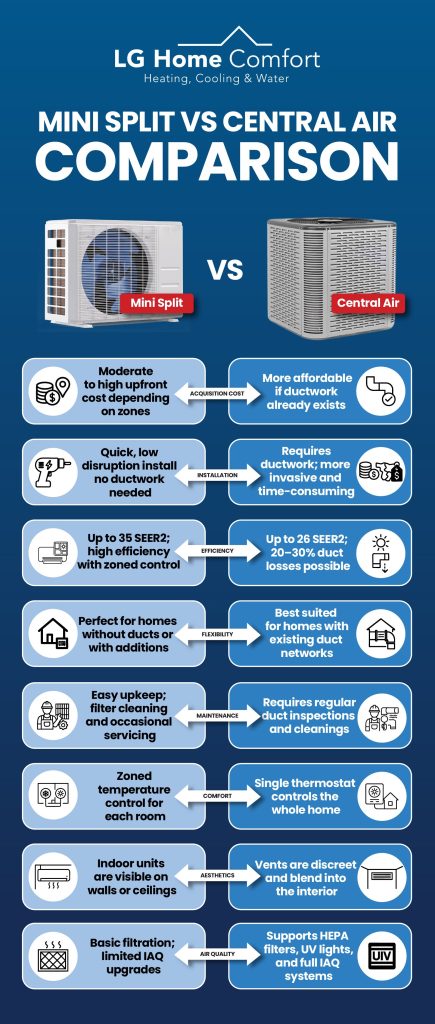
Central Air Conditioners
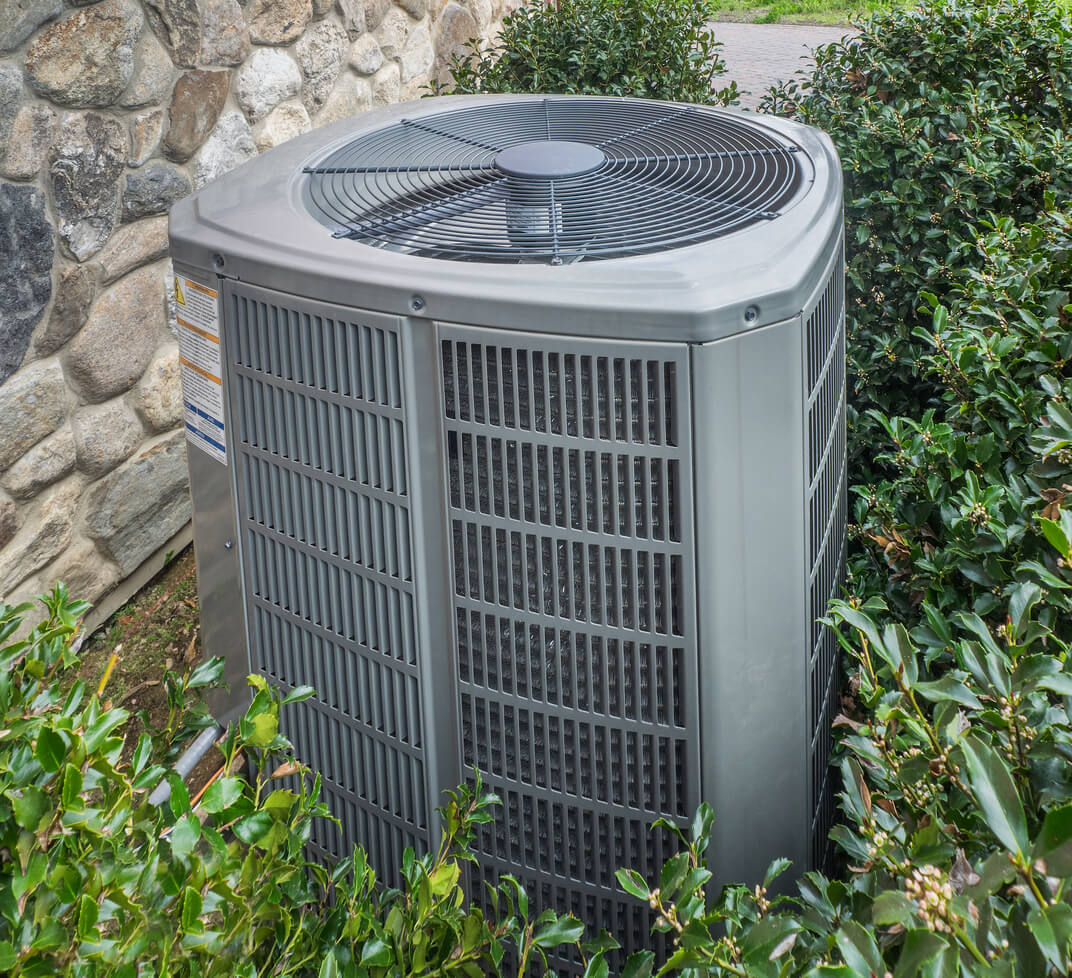
Central air conditioners cool your entire home through a system of ducts. They use a compressor and refrigerant to remove heat from inside and release it outside.
This system works well for larger homes and keeps the temperature even throughout all rooms.
Ductless Mini-splits
Ductless mini-splits cool individual rooms without using ducts. They have an outdoor compressor and one or more indoor air handlers.
- Easy to install in homes without ducts
- Offers room-by-room temperature control
- Uses less energy than central systems in some cases
- Quiet operation
Evaporative Coolers
Evaporative coolers use water evaporation to cool the air. They work best in dry climates where humidity is low.
| Feature | Benefit | Best Use |
| Water Evaporation | Uses less electricity | Dry areas |
| No Refrigerant | Environmentally friendly | Outdoor or indoor with ventilation |
| Fresh Air Circulation | Improves air quality | Homes with open windows |
Portable Air Conditioners
Portable air conditioners are movable units that cool single rooms. They are easy to set up and do not need permanent installation.
These units are best for renters or people who need temporary cooling solutions.
Energy Efficiency Ratings
Choosing the right heating and cooling system means understanding energy efficiency ratings. These ratings show how well a system uses energy to heat or cool your home.
Systems with high energy efficiency ratings save money and reduce environmental impact. Here are key ratings to know for cooling and heating systems.
Seer And Eer For Cooling
SEER stands for Seasonal Energy Efficiency Ratio. It measures cooling efficiency over a whole season. A higher SEER means better efficiency and lower energy costs.
EER means Energy Efficiency Ratio. It shows cooling efficiency at a specific outdoor temperature. EER helps compare units in hot climates.
- SEER rates seasonal cooling performance
- EER rates cooling at a constant temperature
- Higher SEER and EER ratings save energy
- Look for units with SEER above 14 for good efficiency
Afue For Heating
AFUE means Annual Fuel Utilization Efficiency. It measures how well a heating system converts fuel into heat over a year. Higher AFUE means less fuel waste.
Furnaces with an AFUE of 90% or more are very efficient. This rating helps you compare gas, oil, or propane heaters.
- AFUE shows yearly heating efficiency
- Higher AFUE saves fuel and lowers bills
- Modern furnaces often have AFUE above 85%
- Check AFUE before buying a heating system
Hspf For Heat Pumps
HSPF means Heating Seasonal Performance Factor. It measures heat pump efficiency during the heating season. A higher HSPF means better heat output per energy used.
Heat pumps with HSPF over 8 are good choices. This rating helps compare different heat pump models for winter heating.
- HSPF rates heat pump heating efficiency
- Higher HSPF means lower energy use
- Look for HSPF ratings above 8 for good performance
- Heat pumps save energy by moving heat instead of creating it
Credit: modernize.com
Fuel Sources And Costs
Choosing the right heating and cooling system depends on the fuel source you use. Fuel costs and availability affect your monthly bills. Different fuels have different prices and efficiency levels.
This guide explains four common fuel sources. Learn about electricity, natural gas, propane, and renewable energy options. Understanding these will help you pick a system that fits your needs and budget.
Electricity
Electric heating and cooling systems use power from the grid. They are easy to install and work well in many homes. Costs depend on local electricity rates, which can change by season.
Electric systems are clean and safe. They do not produce fumes or need fuel deliveries. They may cost more to run in places with high electricity prices.
Natural Gas
Natural gas heats homes at a lower cost than electricity in many areas. It is delivered through pipelines, so it is convenient where available. Gas systems heat quickly and work well in cold climates.
| Pros | Cons |
| Lower fuel cost than electricity | Not available everywhere |
| Heats home quickly | Produces carbon emissions |
| Reliable supply through pipelines | Needs professional installation |
Propane
Propane is a gas stored in tanks and delivered by truck. It works in places without natural gas lines. Propane burns clean but can cost more than natural gas.
- Used in rural or off-grid homes
- Requires tank space and refills
- Costs vary by delivery and market prices
- Good heating power and efficiency
Renewable Energy Options
Renewable systems use solar, wind, or geothermal energy. They lower fuel costs over time but need more upfront investment. These options reduce pollution and use natural resources.
| Type | Fuel Cost | Setup Cost | Notes |
|---|---|---|---|
| Solar Heat Pumps | Very low after setup | High | Needs sunny location |
| Geothermal | Very low | High | Uses underground heat |
| Wind Energy | Low | Medium to high | Needs consistent wind |
Installation And Maintenance
Choosing the best heating and cooling system involves thinking about installation and maintenance. These factors affect how much you spend and how long the system lasts.
Different systems have different needs. Knowing these can help you pick a system that fits your home and budget.
Installation Costs
Installation costs vary by system type and home size. Some systems need more work and parts, which raises the price.
Simple systems cost less to install. Complex systems may need new ductwork or electrical work, increasing costs.
- Furnaces usually cost more to install than heat pumps.
- Central air conditioners need ductwork, raising installation costs.
- Ductless mini-splits are easier to install and cheaper in some cases.
- Geothermal systems have high installation costs but save energy.
Maintenance Requirements
Regular maintenance keeps your system working well and saves money. Some systems need more care than others.
Simple systems require basic checks. Complex systems need more frequent inspections and cleaning.
- Furnaces need yearly filter and blower checks.
- Air conditioners require coil cleaning and refrigerant checks.
- Ductless systems need filter cleaning every few months.
- Geothermal systems need less maintenance but yearly professional checks.
Lifespan Expectations
The lifespan of heating and cooling systems depends on type and care. Good maintenance can extend the life of any system.
Knowing lifespan helps plan for replacement and budget. Some systems last longer but cost more upfront.
| System Type | Average Lifespan |
|---|---|
| Furnace | 15-20 years |
| Central Air Conditioner | 12-15 years |
| Ductless Mini-Split | 12-20 years |
| Geothermal Heat Pump | 20-25 years |
Climate Considerations
Choosing the right heating and cooling system depends on the climate where you live. Different systems work better in cold, hot, or mild areas.
This guide looks at the best options based on your climate. It helps you pick a system that keeps your home comfortable and saves energy.
Cold Climate Solutions
In cold climates, heating is the main need. Systems should keep your home warm during long winters. Efficiency is very important to lower energy bills.
Heat pumps designed for cold weather work well. They can heat your home even when it is very cold outside.
- High-efficiency furnaces are a strong choice
- Cold-climate heat pumps save energy
- Boilers provide steady, even heat
- Proper insulation improves system performance
Hot Climate Solutions
Cooling is the focus in hot climates. Systems need to remove heat quickly and keep indoor air comfortable. Energy use should stay low to avoid high bills.
Air conditioners and heat pumps that cool efficiently are best. Some systems also add dehumidifiers to improve comfort.
- Central air conditioners with high SEER ratings
- Heat pumps that handle cooling and heating
- Ductless mini-splits for room-by-room control
- Whole-home dehumidifiers reduce moisture
Mild Climate Options
Mild climates have moderate temperatures year-round. Systems should provide both heating and cooling without using too much energy.
Heat pumps are popular in these areas. They work well for light heating and cooling needs. A simpler system often saves money and energy.
- Heat pumps with moderate capacity
- Energy-efficient furnaces and air conditioners
- Ductless systems for flexible zones
- Smart thermostats to adjust temperature easily
Smart Technology Integration
Choosing the best heating and cooling system means thinking about smart technology. Smart systems make it easy to control your home’s temperature. They help save energy and keep you comfortable.
Smart technology links your heating and cooling system with devices like phones and tablets. This makes managing your home climate simple and efficient.
Thermostat Controls
Smart thermostats let you adjust the temperature from anywhere using an app. They learn your schedule and adjust settings automatically. This saves energy and keeps your home comfy.
These controls can connect to voice assistants. You can change settings by speaking commands. This adds convenience and ease to your daily life.
- Remote temperature control via smartphone
- Automatic schedule learning
- Voice assistant compatibility
- Energy-saving temperature adjustments
Zoning Systems
Zoning systems divide your home into areas with separate temperature settings. This means you only heat or cool rooms you use. It reduces waste and lowers energy bills.
Smart zoning works with sensors and controls to keep each zone comfortable. You can set different temperatures for bedrooms, living rooms, and more.
- Separate controls for each zone
- Improved comfort in all rooms
- Energy savings by avoiding unused areas
- Easy adjustments via apps or control panels
Energy Monitoring
Smart systems track how much energy your heating and cooling use. They show reports on your phone or computer. This helps you see patterns and find ways to save.
Energy monitoring can alert you to problems early. It can suggest changes to reduce costs. This keeps your system running well and saves money.
- Real-time energy usage reports
- Alerts for unusual energy spikes
- Suggestions for energy saving
- Helps maintain system efficiency
Environmental Impact
Choosing the right heating and cooling system affects the planet. Some systems cause more pollution than others. It is important to know how each system impacts the environment.
This guide explains the effects in three areas: emissions, sustainability, and recycling or disposal. Understanding these helps make better choices.
Emissions
Heating and cooling systems release gases that can harm the air. Some systems use fuels that produce carbon dioxide and other greenhouse gases. Electric systems may have lower direct emissions but depend on how electricity is made.
- Furnaces that burn natural gas emit carbon dioxide.
- Heat pumps produce almost no direct emissions.
- Air conditioners may use refrigerants that harm the ozone.
- Using renewable electricity reduces overall emissions.
Sustainability
A sustainable system uses energy efficiently and lasts long. It should also use resources that do not run out quickly. Systems that rely on renewable energy help protect the environment.
| System Type | Energy Source | Efficiency | Longevity |
|---|---|---|---|
| Gas Furnace | Natural Gas | Medium | 15-20 years |
| Heat Pump | Electric (can be renewable) | High | 20-25 years |
| Electric Heater | Electricity | Low to Medium | 10-15 years |
Recycling And Disposal
At the end of their life, heating and cooling systems must be handled properly. Some parts can be recycled, while others need special disposal. This reduces waste and pollution.
Proper disposal steps include:
- Remove refrigerants safely to protect the ozone layer.
- Recycle metal parts to save resources.
- Dispose of electrical components following local rules.
- Choose systems designed for easy recycling.
Cost-benefit Analysis
Choosing the best heating and cooling system depends on costs and benefits. Understanding these can save money and energy.
This analysis looks at upfront costs, long-term savings, and available incentives. Each factor helps decide the best system.
Upfront Investment
The upfront investment is the initial cost to buy and install the system. Different systems vary widely in price.
Traditional systems often cost less at first. High-efficiency systems may cost more but offer better features.
- Furnaces usually have lower purchase prices
- Heat pumps can be more expensive to install
- Central air conditioning adds to total upfront cost
Long-term Savings
Long-term savings come from lower energy use and maintenance costs. Efficient systems reduce monthly bills.
Heat pumps use less electricity in mild climates. High-efficiency furnaces save fuel in cold areas.
- Look for Energy Star-rated systems
- Regular maintenance extends system life
- Smart thermostats improve energy efficiency
Incentives And Rebates
Governments and utilities offer incentives to lower system costs. These programs encourage energy-saving choices.
Rebates can cover part of the purchase price or installation. Check local programs before buying a system.
- Federal tax credits for energy-efficient equipment
- State and local rebates for qualifying systems
- Utility discounts on installation or upgrades
Choosing The Right System
Choosing the best heating and cooling system is important for comfort. The right system saves energy and fits your home.
Think about your home’s size, your lifestyle, and your budget. These factors help you pick the best system.
Home Size And Layout
The size of your home affects the system you need. Big homes need more powerful systems.
The layout matters too. Open spaces might need different solutions than many small rooms.
- Small homes: compact systems work well
- Large homes: consider zoned heating and cooling
- Open floor plans: systems with good air flow are best
Lifestyle Needs
Your daily routine and habits affect your system choice. Some systems work better for active homes.
Think about how often you are home and your comfort needs in different seasons.
- Busy homes: easy-to-use systems save time
- Homes with kids or pets: systems with good air filters help
- Energy savers: programmable thermostats fit well
Budget Constraints
Your budget will guide your options. Some systems cost more upfront but save money later.
Look at installation, maintenance, and energy costs before deciding.
- Low budget: basic heating and cooling units
- Medium budget: energy-efficient models with smart controls
- High budget: advanced systems with zoning and air quality features

Credit: www.brewersac.com
Frequently Asked Questions
What Factors Determine The Best Heating And Cooling System?
The best system depends on home size, climate, budget, and energy efficiency. Consider installation costs and maintenance needs too.
Are Heat Pumps More Efficient Than Traditional Hvac Systems?
Heat pumps use less energy by transferring heat instead of generating it. They work well in moderate climates and lower utility bills.
How Do I Choose Between Central And Ductless Systems?
Central systems suit homes with existing ducts. Ductless systems are ideal for retrofits or rooms without ductwork. Both offer efficient temperature control.
What Is The Lifespan Of Common Heating And Cooling Systems?
Most HVAC systems last 10 to 20 years with regular maintenance. Proper care extends efficiency and reduces repair costs.
Conclusion
Choosing the right heating and cooling system is crucial. It impacts comfort and energy bills. Consider factors like climate, budget, and home size. Explore options such as HVAC, heat pumps, and ductless systems. Each has unique benefits and drawbacks. Research and compare to make an informed choice.
Consult professionals for expert advice. They can assess your home’s needs. Prioritize energy efficiency to save money over time. A suitable system ensures a comfortable home year-round. Investing wisely in the right system brings lasting peace of mind. Your home becomes a haven of perfect temperatures.