Have you ever wondered what exactly keeps your car’s tire firmly attached while you’re driving? It might seem simple, but the answer involves several important parts working together to ensure your safety and smooth ride.
Understanding what holds a tire on your car can help you spot problems early and keep your vehicle running safely. Keep reading to discover the key components and how they work to keep your tires—and you—secure on the road.
Tire Basics
Tires are important parts of a car. They touch the road and keep the car moving safely.
Understanding what holds a tire on a car helps you know how your vehicle works.
Tire Components
A tire has many parts that work together. Each part helps the tire do its job well.
- Tread:The outer part that touches the road. It provides grip.
- Sidewall:The tire’s side that protects and supports the tread.
- Bead:The edge that holds the tire on the wheel rim tightly.
- Carcass:The body of the tire made of fabric and steel for strength.
- Belt:Steel layers under the tread that add durability and stability.
Role Of The Tire
Tires hold the car on the road and help it move safely. They absorb shocks from bumps.
Tires also help steer the car and stop it when you brake. Good tires improve safety.
Wheel And Rim
The wheel and rim are important parts that hold a tire on a car. They work together to keep the tire in place and support the vehicle’s weight.
Understanding how the rim is built and how tires fit helps explain why tires stay secure during driving.
Rim Structure
The rim is the metal part of the wheel that the tire fits around. It has several parts that keep the tire in place and hold air inside.
- Bead Seat:The area where the tire’s edge rests tightly against the rim.
- Flange:The outer edge that stops the tire from sliding off the rim.
- Drop Center:The lower part of the rim that helps when mounting and removing tires.
- Rim Width:The distance between the inner flanges where the tire sits.
How Tires Fit The Rim
Tires fit the rim by their bead, which is a strong ring made of steel wire and rubber. This bead locks tightly into the rim’s bead seat.
| Part | Function |
| Tire Bead | Seals tire to rim and holds it firmly |
| Bead Seat | Supports tire bead and keeps air inside |
| Flange | Prevents tire from slipping off the rim |
| Air Pressure | Pushes tire against rim for a tight fit |
Lug Nuts And Bolts
Lug nuts and bolts secure tires to a car’s wheel hub. They keep the wheels firmly in place for safe driving. Proper care and knowledge help prevent accidents.
Understanding lug nuts and bolts is key to vehicle maintenance. This guide explains their purpose and how to tighten them correctly.
Purpose Of Lug Nuts
Lug nuts hold the wheel on the car’s axle. They fit over wheel studs and screw into the hub. This connection stops the wheel from moving or falling off.
- Secure the wheel to the vehicle
- Distribute pressure evenly across the wheel
- Help maintain wheel alignment
- Allow easy removal and installation of tires
Proper Tightening Techniques
Tightening lug nuts correctly is important for safety. Too loose or too tight can cause problems. Use a torque wrench to reach the right tightness.
| Tool | Purpose | Recommended Torque |
| Torque Wrench | Ensures nuts are tightened to spec | Check vehicle manual (usually 80-100 ft-lbs) |
| Cross Pattern Tightening | Prevents wheel warping and uneven pressure | Follow star-shaped sequence |
| Recheck Torque | Confirms nuts remain tight after driving | After 50-100 miles |

Credit: www.reddit.com
Hub And Wheel Studs
The hub and wheel studs are key parts that hold a tire on a car. They keep the wheel attached to the car safely.
Understanding the hub and wheel studs helps you see how your car stays secure on the road.
Hub Function
The hub is the center part where the wheel fits. It connects the wheel to the car’s axle.
The hub holds the wheel in place and allows it to spin smoothly while driving.
- Supports the car’s weight
- Connects the wheel to the axle
- Allows wheel rotation
- Houses the wheel studs
Wheel Studs Importance
Wheel studs are strong bolts attached to the hub. They hold the wheel tightly on the car.
Each stud fits through a hole in the wheel. Lug nuts screw onto the studs to secure the wheel.
- Keep the wheel firmly attached
- Prevent the wheel from moving or falling off
- Allow easy wheel removal and installation
- Provide safety while driving
Tire Bead And Seal
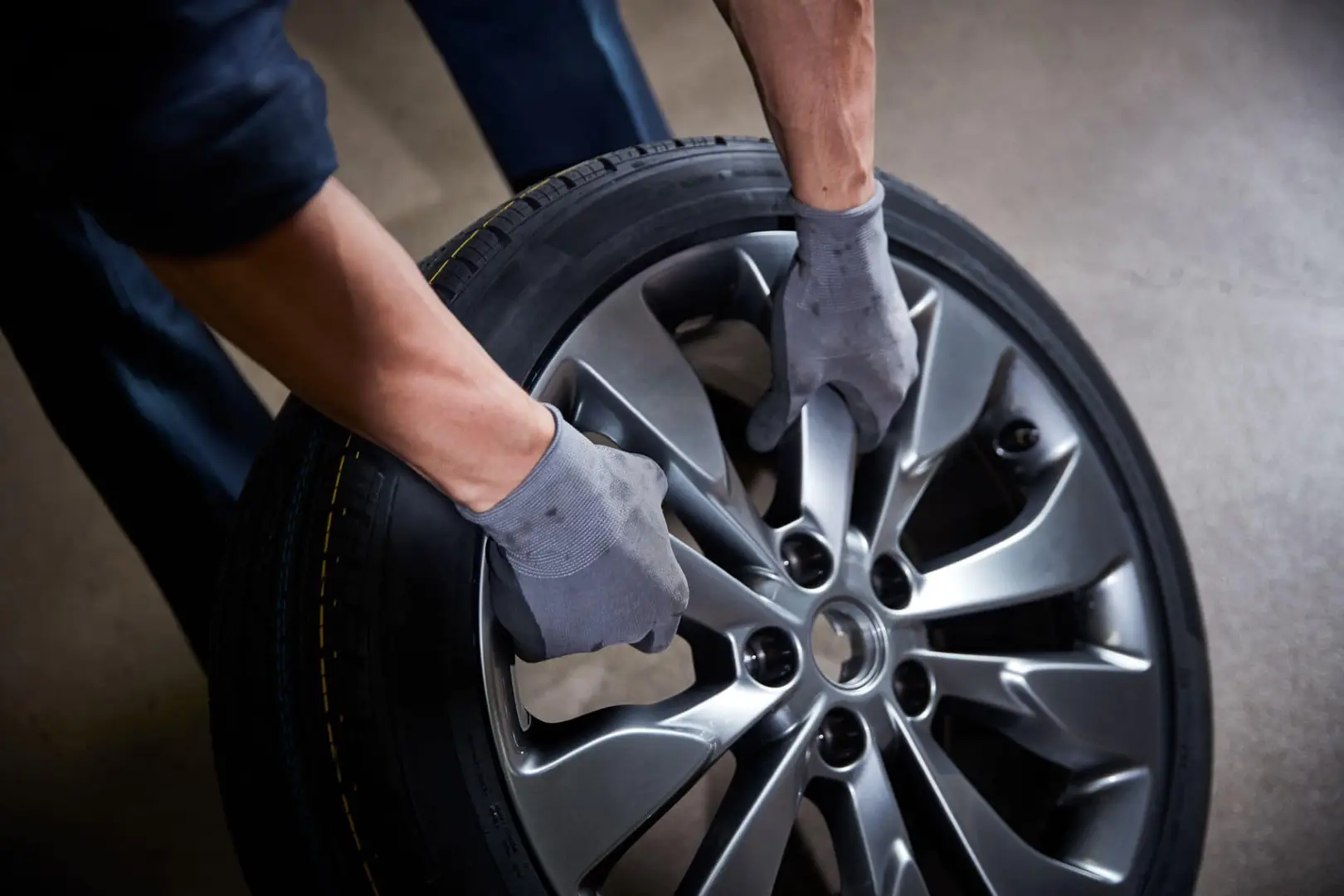
The tire bead and seal keep a tire attached to a car. They stop air from leaking out of the tire. Without a good bead and seal, the tire cannot hold air properly.
The bead is the part of the tire that touches the wheel rim. It works with the seal to keep the tire tight and secure on the car.
Bead Design
The bead is made of strong steel wires wrapped in rubber. This gives the tire strength where it touches the rim. The bead must fit very tightly around the wheel.
The tight fit stops the tire from slipping off. It also helps hold the tire in place during turns and bumps on the road.
- Steel wires add strength
- Rubber covers protect the wires
- Tight fit to the wheel rim
- Prevents tire movement on the rim
Creating An Airtight Seal
The tire bead presses hard against the rim to make a seal. This seal keeps air inside the tire. Without a good seal, air would leak out quickly.
The rim surface and bead must be clean and smooth. Dirt or damage can cause air to escape. The seal works best when the tire is inflated to the correct pressure.
- Bead presses tightly to rim
- Clean rim surface is important
- Proper inflation helps maintain the seal
- Prevents air leaks and flat tires
Credit: www.sunroadcollisioncenter.com
Tire Pressure And Maintenance
Tires are important for car safety and performance. Proper tire pressure keeps the car steady on the road.
Regular maintenance helps tires last longer and avoid accidents. Checking tires often is a good habit.
Impact Of Tire Pressure
Tire pressure affects how well a car drives and stops. Too low pressure can cause tires to wear out fast.
High pressure makes the ride hard and reduces grip on the road. Proper pressure improves fuel efficiency and safety.
- Low pressure increases tire wear on edges
- High pressure wears out the center of the tire
- Correct pressure improves handling and braking
- Proper inflation saves fuel and reduces emissions
Regular Inspection Tips
Check tire pressure at least once a month. Use a reliable pressure gauge for accurate results.
Inspect tires for cuts, cracks, or uneven wear. Replace tires if they are damaged or worn out.
- Check pressure when tires are cold
- Look for objects stuck in the tread
- Rotate tires every 5,000 to 7,000 miles
- Balance and align tires regularly

Credit: www.amazon.co.uk
Frequently Asked Questions
What Components Secure A Tire To A Car?
A tire is secured to a car using lug nuts or bolts. These fasteners attach the wheel onto the car’s hub. The hub connects to the vehicle’s axle, ensuring stability. Regularly checking and tightening lug nuts can prevent accidents and ensure safe driving.
How Does A Car’s Wheel Hub Function?
The wheel hub holds the wheel and tire assembly in place. It connects the wheel to the car’s axle. The hub allows the wheel to rotate freely while maintaining alignment. Proper maintenance of the wheel hub is crucial for vehicle safety.
Why Are Lug Nuts Important For Tires?
Lug nuts keep the tire firmly attached to the wheel hub. They ensure the wheel remains stable during driving. Properly tightened lug nuts prevent the wheel from wobbling or detaching. Regular checks are necessary to maintain safety and performance.
How Often Should Tire Components Be Inspected?
Tire components should be inspected every 6,000 to 8,000 miles. Regular inspections ensure parts like lug nuts and hubs are in good condition. This helps prevent potential issues and ensures safe driving. Routine checks contribute to the longevity of tire components.
Conclusion
Tires stay on cars because of strong bolts and tight fitting. The wheel holds the tire firmly in place. Lug nuts keep the wheel secure during driving. Proper torque on bolts prevents loosening over time. The tire’s rubber grips the road for safety.
Regular checks help ensure all parts stay tight. This helps avoid accidents and keeps you safe. Understanding these parts shows how tires stay attached. Simple care keeps your car running smoothly.