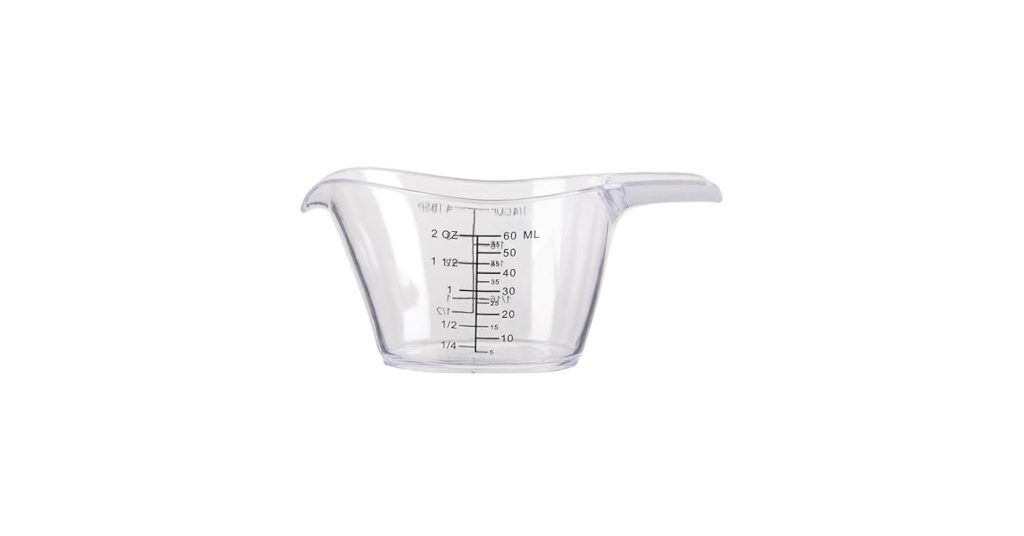
Have you ever stared at your measuring cup and wondered, “What exactly does 1/4 mean?” If you’ve found yourself confused about that small but important marking, you’re not alone. Understanding what 1/4 on a measuring cup represents can make a big difference in your cooking and baking results.
You’ll discover simple answers that will boost your confidence in the kitchen and help you measure ingredients like a pro. Keep reading—you’re just moments away from mastering this handy skill!
Measuring Cup Basics
Measuring cups help you add the right amount of ingredients. They come with marks for different measurements.
One common mark is “1/4,” which means one quarter of a cup. This helps you measure small amounts accurately.
Common Measurements
Measuring cups usually show amounts like 1 cup, 1/2 cup, 1/3 cup, and 1/4 cup. These are standard parts of a cup.
Knowing these helps you follow recipes better and cook or bake with the right amounts.
- 1 cup = 8 fluid ounces
- 1/2 cup = 4 fluid ounces
- 1/3 cup ≈ 2.67 fluid ounces
- 1/4 cup = 2 fluid ounces
Types Of Measuring Cups
There are two main types of measuring cups: dry and liquid. Each type works best for certain ingredients.
Dry measuring cups are usually solid and come in sets. Liquid measuring cups are clear with a spout for pouring.
- Dry cups measure flour, sugar, and dry ingredients.
- Liquid cups measure milk, water, and other liquids.
- Some cups have both metric and US standard marks.
- Use the right cup for accuracy in recipes.

Credit: rhondasues.com
Decoding 1/4 On A Measuring Cup
Measuring cups show fractions to help you measure liquids and dry ingredients. One common fraction is 1/4. It is important to know what this means for your recipes.
This guide explains what 1/4 means on a measuring cup and how it relates to volume.
Fraction Meaning
The fraction 1/4 means one part out of four equal parts. It is a quarter of the whole. On a measuring cup, 1/4 shows a smaller amount compared to the full cup.
- 1/4 equals one piece of four equal parts.
- It represents 25% of the total volume.
- It is less than 1/2 but more than 1/8.
Equivalent Volumes
Knowing the equivalent volumes for 1/4 cup helps you measure ingredients even without a marked cup.
| Measurement | Equivalent Volume |
|---|---|
| 1/4 cup | 4 tablespoons |
| 1/4 cup | 12 teaspoons |
| 1/4 cup | 2 fluid ounces |
| 1/4 cup | 59 milliliters |
Using 1/4 Cup For Dry Ingredients
The 1/4 cup is a common measuring size for dry ingredients in cooking and baking. It helps you add the right amount of flour, sugar, or spices to your recipe.
Understanding how to use a 1/4 cup correctly can improve your cooking results and keep your recipes consistent every time.
Packing Vs. Scooping
When measuring dry ingredients with a 1/4 cup, you can either scoop or pack the ingredient. Scooping means filling the cup loosely. Packing means pressing the ingredient down to remove air gaps.
| Method | Description | Best for |
| Scooping | Fill the cup lightly without pressing | Flour, powdered sugar |
| Packing | Press down to compact ingredient | Brown sugar, grated cheese |
Tips For Accuracy
- Use a dry measuring cup made for dry ingredients.
- Fill the cup slightly over the top.
- Level off the excess with a straight edge like a knife.
- Do not shake or tap the cup to settle ingredients unless the recipe says to pack.
- Check if the recipe calls for packed or scooped measurements.

Credit: www.amazon.com
Using 1/4 Cup For Liquid Ingredients
The 1/4 cup mark on a measuring cup is important for cooking and baking. It helps you measure small amounts of liquid ingredients like water, oil, or milk.
Using the right amount of liquid keeps recipes balanced. It affects taste, texture, and cooking time.
Proper Pouring Techniques
Hold the measuring cup on a flat surface for better accuracy. Pour liquid slowly to reach the 1/4 cup line.
Check the liquid level at eye level. This helps avoid over or under measuring.
- Place the cup on a flat table or counter
- Pour liquid slowly and steadily
- Bend down to see the measurement line at eye level
- Adjust the amount until it reaches exactly 1/4 cup
Avoiding Spills
Pour liquids carefully to avoid spilling. Use a measuring cup with a spout for easier pouring.
Clean up any spills immediately to keep your workspace safe and tidy.
- Use a cup with a pouring spout
- Hold the cup steady while pouring
- Pour slowly over the bowl or pot
- Wipe any drips from the cup before moving
Common Mistakes With 1/4 Cup
Measuring 1/4 cup seems easy but many people make mistakes. These errors can change how recipes turn out.
Knowing common mistakes helps you measure better. This keeps your cooking and baking consistent.
Misreading Measurements
One common error is misreading the 1/4 cup mark. Some measuring cups have unclear lines that confuse users.
People often fill past the 1/4 cup line or stop too soon. This changes the amount of ingredient used.
- Look for the line labeled “1/4 cup” carefully
- Place the cup on a flat surface to measure liquids
- Check the measurement at eye level for accuracy
Substitution Errors
Substitution errors happen when people guess what 1/4 cup means in other units. This causes wrong amounts.
Some use tablespoons or grams incorrectly instead of 1/4 cup. This affects recipe results badly.
- 1/4 cup equals 4 tablespoons or 60 milliliters
- Check a conversion chart before substituting
- Use a proper measuring cup for best results
Alternatives To 1/4 Cup Measurement
Sometimes you may not have a 1/4 cup measuring cup handy. There are simple ways to measure 1/4 cup using other tools. These alternatives work well for most recipes.
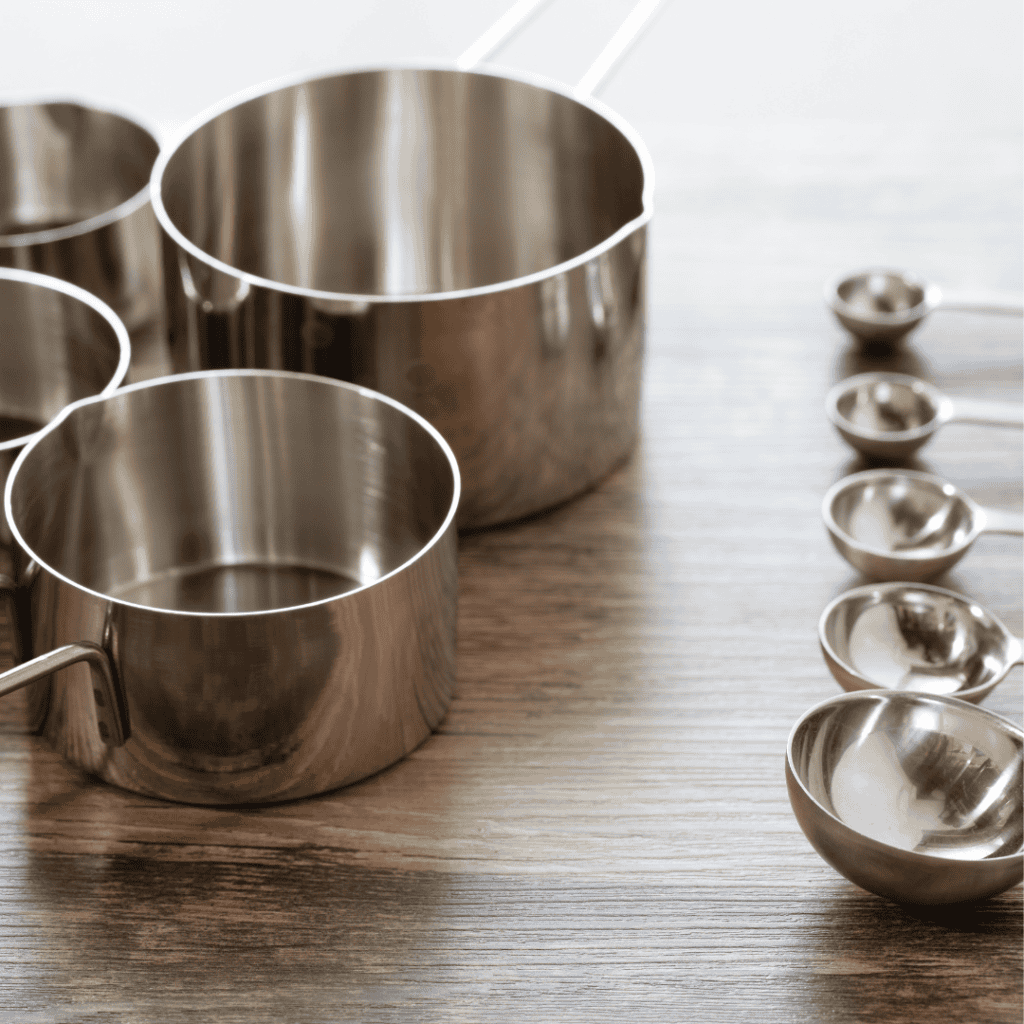
Using tablespoons or a kitchen scale can help you measure 1/4 cup accurately. Learn easy methods to get the right amount without a 1/4 cup.
Using Tablespoons
One quarter cup equals four tablespoons. You can use this to measure 1/4 cup easily with a tablespoon.
- Use four level tablespoons to get 1/4 cup.
- Fill each tablespoon evenly for accuracy.
- Check the recipe to see if it needs liquid or dry measuring spoons.
Using Kitchen Scales
You can use a kitchen scale to measure 1/4 cup by weight. The weight differs by ingredient.
| Ingredient | Weight for 1/4 cup (grams) |
| All-purpose flour | 30 g |
| Sugar | 50 g |
| Butter | 57 g |
| Milk | 60 g |
Credit: www.recipesandplaces.com
Frequently Asked Questions
What Does 1/4 Mean On A Measuring Cup?
1/4 on a measuring cup indicates one-quarter of the cup’s capacity. It’s equivalent to 25% of a full cup. This measurement is often used in recipes to ensure the right balance of ingredients. Understanding fractions like 1/4 is essential for accurate cooking and baking.
How Much Is 1/4 Cup In Tablespoons?
1/4 cup is equal to 4 tablespoons. This conversion is helpful when scaling recipes or if your measuring tools are limited. Knowing such conversions ensures precision in cooking, enhancing the flavor and texture of your dishes.
Why Is 1/4 Cup Important In Cooking?
1/4 cup is crucial for measuring small ingredient amounts. It helps maintain the intended taste and texture of recipes. Using precise measurements like 1/4 cup ensures consistent results and avoids the risk of overpowering or underwhelming flavors in your dishes.
Can 1/4 Cup Be Measured Without A Cup?
Yes, you can measure 1/4 cup using tablespoons. Simply use 4 tablespoons to achieve the same volume. This method is convenient if you lack a measuring cup, ensuring you still achieve the desired measurement accurately in your recipes.
Conclusion
Understanding “1/4” on a measuring cup helps you cook better. It means one quarter of a cup. This is equal to four tablespoons or 60 milliliters. Knowing this makes measuring ingredients easy and accurate. Use this knowledge to follow recipes with confidence.
Measuring right leads to tastier meals every time. Keep your measuring cups handy and practice often. Cooking becomes fun and simple with clear measurements. Now you can measure ingredients like a pro!