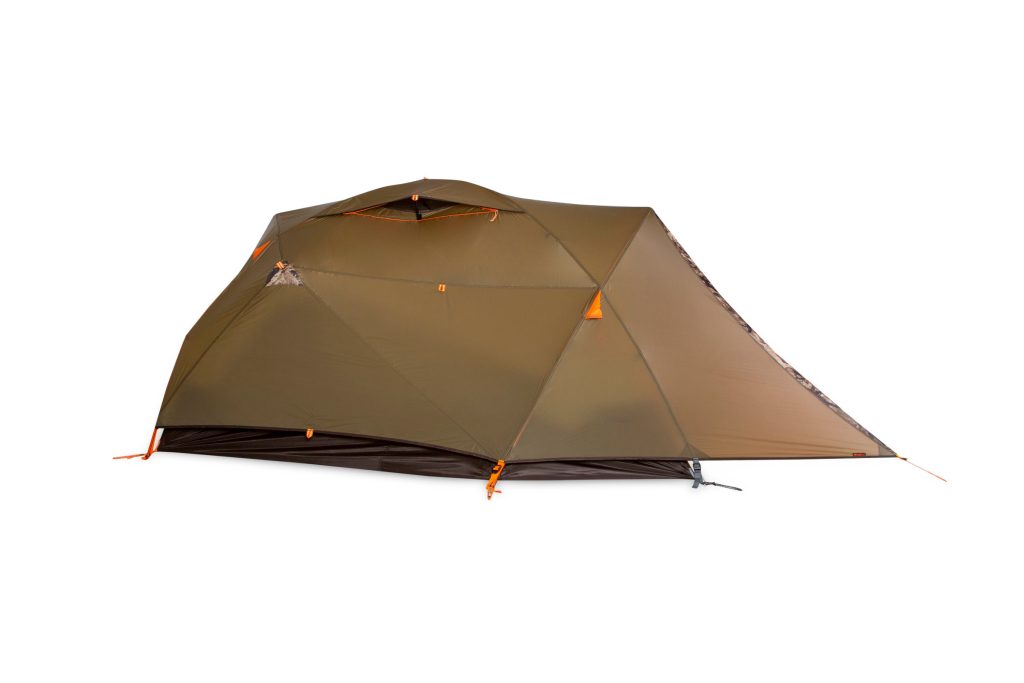
Are you planning a camping trip but worried about unpredictable weather? A 4 season tent might be exactly what you need.
Designed to keep you safe and comfortable no matter the conditions, these tents handle everything from heavy snow to strong winds. If you want to enjoy your outdoor adventure without constantly checking the forecast, understanding what a 4 season tent offers can make all the difference.
Keep reading to discover how this gear can protect you and elevate your camping experience.
4 Season Tent Basics
A 4 season tent is made for use all year round. It offers strong protection against harsh weather.
These tents are built to handle snow, heavy wind, and cold temperatures. They keep campers safe and warm.
Key Features
4 season tents have special features that make them tough. They are more durable and stable than other tents.
- Stronger poles to resist heavy snow and wind
- Full coverage rain fly for extra weather protection
- Less mesh and more solid fabric to keep warmth in
- Compact shape to reduce wind impact
Materials Used
Materials in 4 season tents focus on strength and insulation. They use fabrics and poles that last in cold weather.
| Material | Purpose |
| Ripstop Nylon | Strong, tear-resistant tent body |
| Polyester | Waterproof coating to keep rain out |
| Aluminum Poles | Lightweight yet sturdy frame support |
| Reinforced Seams | Prevent water and wind leaks |
Design Differences From 3 Season Tents
4 season tents differ from 3 season tents in how they handle weather. They are built for harsher conditions.
- Less mesh fabric to keep cold air out
- Heavier pole structure for wind and snow
- Steeper walls to shed snow easily
- More durable floor to block moisture
Benefits Of 4 Season Tents
4 season tents are designed for all weather conditions. They keep you safe and comfortable in any environment.
These tents are ideal for camping in snow, rain, and strong winds. They offer protection for outdoor enthusiasts year-round.
All-weather Protection
4 season tents provide excellent protection from harsh weather. They are built to withstand heavy snow and rain.
These tents have strong materials that keep you dry and warm. Their design prevents water and snow from entering.
- Waterproof fabric
- Reinforced seams
- Snow flaps for extra coverage
Enhanced Durability
4 season tents are made with durable materials. They can endure rough conditions without damage.
The sturdy frames and tough fabrics offer long-lasting use. They are ideal for frequent campers.
- Strong aluminum poles
- Ripstop nylon fabric
- Heavy-duty zippers
Versatility In Different Environments
These tents work well in various environments. They adapt to both hot and cold climates.
Whether in mountains or forests, 4 season tents perform efficiently. They adjust to different terrains with ease.
- Ventilation for warm weather
- Insulation for cold temperatures
- Sturdy stakes for rocky ground
Choosing The Right 4 Season Tent
A 4 season tent is made for harsh weather. It protects you from snow, wind, and cold. Choosing the right one helps you stay safe and comfortable.
Think about where and how you will use the tent. This guide covers important points to consider before buying.
Size And Capacity
Size affects comfort and gear space. Choose a tent that fits your group and equipment. A tent too small will feel cramped. Too large may add weight and cost.
- Check the number of people the tent fits
- Think about extra space for gear inside
- Consider room to change clothes or cook in bad weather
Weight Considerations
Weight matters if you carry the tent on your back. Look for tents made with light but strong materials. Balance weight with durability and weather protection.
| Tent Type | Weight Range | Use Case |
| Ultra-light 4 Season | 3-5 lbs | Backpacking with weight limits |
| Standard 4 Season | 6-10 lbs | Car camping or short hikes |
| Heavy-duty 4 Season | 10+ lbs | Extreme weather or base camps |
Ventilation Options
Good ventilation prevents moisture inside the tent. Look for tents with vents, mesh windows, or adjustable panels. These features help reduce condensation and keep air fresh.
- Multiple vents with covers to block snow
- Mesh panels that keep bugs out
- Adjustable openings for airflow control
Popular 4 Season Tent Types
Four season tents are made for tough weather. They protect you from snow, wind, and rain. Different types fit different needs and trips.
Here are the main types of 4 season tents. Each type has special features for certain activities.
Mountaineering Tents
Mountaineering tents are strong and light. They stand firm in high winds and heavy snow. These tents have low profiles to reduce wind impact.
They often use sturdy poles and tough fabrics. These tents are good for climbers and hikers in cold places.
Expedition Tents
Expedition tents are built for extreme conditions. They are heavier but very durable. These tents can handle long stays in harsh weather.
- Extra strong frame to hold heavy snow
- Thick fabric to block wind and cold
- Large space for gear and people
- Good ventilation to reduce condensation
These tents are often used by scientists and explorers in polar regions.
Backpacking Tents
Backpacking tents balance weight and protection. They are lighter than expedition tents but still strong enough for winter.
| Feature | Backpacking Tent | Expedition Tent |
|---|---|---|
| Weight | Light to medium | Heavy |
| Durability | Moderate | Very high |
| Space | Compact | Spacious |
| Use | Hiking and winter trips | Extreme weather missions |
Setting Up A 4 Season Tent
A 4 season tent offers strong protection in tough weather. It keeps you safe during heavy snow, strong winds, and cold temperatures.
Setting up this kind of tent needs care and attention. Follow these tips to make your shelter solid and comfortable.
Site Selection Tips
Choose a spot that is flat and clear of rocks or sticks. Avoid low areas where water can collect. Look for natural windbreaks like trees or large rocks.
- Pick firm ground to hold tent stakes well.
- Avoid slopes to prevent sliding or water pooling.
- Check overhead for falling branches or snow loads.
- Keep distance from ice patches or thin snow.
Pitching In Harsh Conditions
Set up your tent before bad weather starts. Keep all parts dry and untangled. Use all poles and clips for full strength. Tighten the rainfly to stop snow and wind from entering.
- Lay out the tent footprint to protect the floor.
- Insert poles carefully and attach them fully.
- Secure corners with strong stakes angled away from the tent.
- Use guylines to hold the rainfly tight.
- Check for gaps or loose areas and fix them.
Maintaining Stability
Keep your tent stable during storms by using extra supports. Snow can build up on the tent, so clear it off often. Tighten guylines after wind or snowfall. Use heavy-duty stakes for better hold.
| Method | Purpose |
| Extra guylines | Prevent tent movement in high winds |
| Snow removal | Reduce weight and pressure on tent fabric |
| Re-tightening stakes | Keep tent anchored firmly in place |
| Heavy-duty stakes | Improve ground grip on icy or frozen soil |

Credit: www.amazon.ca
Caring For Your 4 Season Tent
A 4 season tent is built to handle tough weather. Taking care of it keeps it strong and ready for your trips. Proper care helps you avoid damage and extends the tent’s life.
Simple cleaning, careful storage, and quick repairs make a big difference. Learn how to keep your tent in top shape for many seasons.
Cleaning And Storage
Clean your tent after every use to stop dirt and moisture from causing harm. Use mild soap and water, never harsh chemicals. Dry the tent fully before storing it to avoid mold.
- Shake out all dirt and debris
- Wash with a soft cloth and mild soap
- Rinse well with clean water
- Let the tent dry completely in shade
- Store in a cool, dry place away from direct sunlight
Repairing Common Damages
Tents can get small tears, broken zippers, or bent poles. Fix these problems quickly to keep your tent safe and dry. Use patch kits for tears and replace broken parts as needed.
| Damage Type | Repair Method | Materials Needed |
| Small tear | Patch with fabric glue or tape | Patching kit, adhesive |
| Broken zipper | Replace zipper slider or use zipper lubricant | Replacement slider, lubricant |
| Bent pole | Straighten carefully or replace pole section | Replacement pole, pole repair sleeve |
Extending Tent Lifespan
Follow a few simple rules to make your tent last longer. Avoid setting it up on sharp rocks or rough ground. Use a footprint or groundsheet to protect the floor. Store it loosely in a breathable bag, not compressed tightly.
- Choose flat, soft ground to pitch the tent
- Use a footprint under the tent floor
- Keep the tent dry before storage
- Store in a large bag with good airflow
- Inspect the tent regularly for damage
Comparing 4 Season Tents To Other Gear
Choosing the right tent is important for your outdoor trips. A 4 season tent is built for tough weather. It protects you in snow, wind, and cold.
This article compares 4 season tents to other camping gear. You will learn how they differ from 3 season tents, winter shelters, and the cost versus performance.
3 Season Vs 4 Season
3 season tents are made for spring, summer, and fall. They keep rain and bugs out but are lighter and less strong. 4 season tents are heavier and stronger. They can handle snow and strong wind.
4 season tents have sturdier poles and thicker fabric. They have fewer mesh windows to keep warmth inside. 3 season tents have more ventilation for hot weather.
- 3 season tents weigh less and are cheaper
- 4 season tents offer better protection in winter
- 3 season tents are better for mild weather
- 4 season tents are built to last in harsh conditions
Winter Shelters Alternatives
Besides 4 season tents, campers use other winter shelters. Snow caves, bivy sacks, and tarp shelters are options. Each has pros and cons.
Snow caves provide good insulation but need skill and time to build. Bivy sacks are small and lightweight but offer less space. Tarps are light but less protective against strong wind and snow.
- Snow caves: good insulation, require building
- Bivy sacks: lightweight, limited space
- Tarps: light and simple, less protection
- 4 season tents: ready to use, strong and durable
Cost Vs Performance
4 season tents usually cost more than 3 season tents and other shelters. Their materials and design add to the price. The extra cost gives better safety and comfort in bad weather.
If you camp only in mild weather, a 3 season tent may be enough. If you go into cold, windy places, spending more on a 4 season tent is worth it. Look at your needs before buying.
| Type | Cost | Performance |
| 3 Season Tent | Lower | Good for mild weather |
| 4 Season Tent | Higher | Excellent for snow and wind |
| Snow Cave | Free (time cost) | Good insulation, skill needed |
| Bivy Sack | Low to medium | Compact but less space |
| Tarp Shelter | Low | Light but less protection |

Credit: www.canadiantire.ca

Credit: www.nemoequipment.com
Frequently Asked Questions
What Is A 4 Season Tent Used For?
A 4 season tent is designed for all-year camping. It provides protection against harsh weather like snow, wind, and rain. These tents have stronger fabrics and sturdier poles to withstand extreme conditions. Ideal for mountaineering, winter camping, and severe weather adventures.
How Does A 4 Season Tent Differ From Others?
4 season tents differ by their durability and weather resistance. They use heavier materials and fewer mesh panels to retain heat. Their structure resists strong winds and heavy snow loads. Unlike 3 season tents, they are built for harsher environments and colder climates.
Can You Use A 4 Season Tent In Summer?
Yes, 4 season tents can be used in summer. However, they have less ventilation compared to 3 season tents. This design keeps warmth inside during cold seasons but may feel warmer in hot weather. Some models offer adjustable ventilation for better airflow.
Are 4 Season Tents Heavier Than Regular Tents?
Yes, 4 season tents are generally heavier. They use thicker fabrics and stronger poles for added strength. This extra weight improves stability in extreme conditions but makes them less ideal for lightweight backpacking. Weight varies by size and materials used.
Conclusion
A 4 season tent offers strong protection in all weather types. It keeps you safe from wind, rain, snow, and cold. These tents use sturdy materials and strong poles for support. Perfect for camping in tough conditions or winter trips.
Choosing the right tent helps you stay warm and dry. Always check tent features before buying. Enjoy your outdoor adventures with confidence and comfort. A 4 season tent is a smart choice for serious campers.