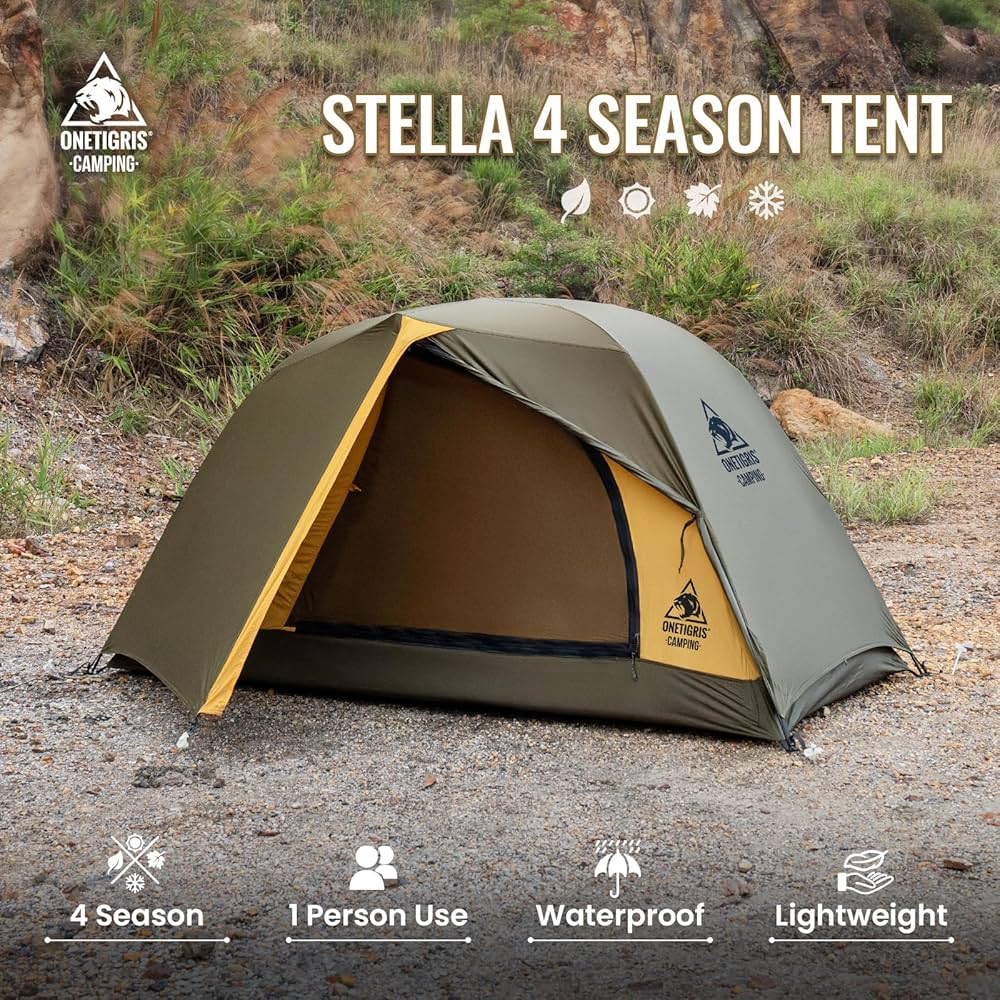
Are you planning a camping trip and wondering if a 4 season tent is the right choice for you? Choosing the right tent can make or break your outdoor experience.
A 4 season tent promises protection no matter the weather, but what exactly sets it apart from other tents? Understanding what a 4 season tent offers will help you stay safe, comfortable, and prepared, whether you face rain, snow, or strong winds.
Keep reading to discover everything you need to know about 4 season tents and how they can elevate your next adventure.

Credit: www.amazon.com
Features Of 4 Season Tents
4 season tents are built for tough weather conditions. They offer strong protection against cold, wind, and snow. These tents are a good choice for winter camping and mountain trips.
Understanding their features helps you pick the right tent. Key areas include the materials used, the design, and how they resist weather.
Materials And Durability
4 season tents use strong materials to last long. They have heavy-duty fabrics and sturdy poles. These tents can handle heavy snow and strong winds without breaking.
- High-denier nylon or polyester fabric
- Waterproof coatings like silicone or polyurethane
- Aluminum or carbon fiber poles for strength
- Reinforced seams to prevent leaks
Design And Structure
The shape of 4 season tents helps shed snow and resist wind. They usually have fewer mesh panels to keep heat inside. The frame design is strong and stable.
| Design Feature | Purpose |
| Dome or geodesic shape | Better wind resistance and snow shedding |
| Low profile | Less wind drag |
| Minimal mesh | Improves warmth retention |
| Multiple guy lines | Extra stability |
Weather Resistance
4 season tents protect campers in extreme weather. They block cold air and keep rain and snow out. The tent fabrics and seams stop water from entering.
- High waterproof rating to stop rain and snow
- Strong wind resistance through solid frame design
- Good insulation to keep warmth inside
- Snow flaps or skirts to block cold drafts
Benefits For Adventurers
A 4 season tent is designed for use in all weather conditions. It offers strong protection and comfort for outdoor adventurers.
These tents allow you to camp safely in cold winters, windy storms, and hot summers. They are a reliable choice for tough environments.
Protection From Harsh Weather
4 season tents have sturdy materials and strong frames. They shield you from rain, snow, wind, and cold.
- Thick fabric resists snow and rain
- Strong poles stand up to heavy wind
- Fully enclosed design keeps out cold air
- Sealed seams prevent water leaks
Versatility Across Seasons
These tents can be used year-round without needing extra gear. They work for camping in spring, summer, fall, and winter.
| Season | Benefit of 4 Season Tent |
| Winter | Blocks snow and keeps warmth inside |
| Spring | Protects from rain and cold winds |
| Summer | Offers ventilation and shade |
| Fall | Resists rain and early frosts |
Enhanced Safety And Comfort
4 season tents give you a safe place to rest in tough conditions. They help keep you dry, warm, and protected.
Key comfort and safety features include:
- Strong ventilation to reduce condensation
- Sturdy floors that block ground cold and moisture
- Windproof design to prevent collapse
- Roomy interiors for gear and movement
Comparing 4 Season And 3 Season Tents
Choosing the right tent is important for outdoor adventures. Two common types are 3 season and 4 season tents. Both serve different needs and weather conditions.
This guide explains the key differences between these tents. It also helps you decide when to use each type.
Key Differences
3 season tents are designed for spring, summer, and fall. They handle rain and light wind well. 4 season tents are built for winter and harsh conditions. They resist heavy snow and strong winds.
| Feature | 3 Season Tent | 4 Season Tent |
|---|---|---|
| Weather Protection | Rain and mild wind | Snow, strong wind, cold |
| Weight | Lighter for easy carrying | Heavier due to strong materials |
| Ventilation | Good airflow to reduce moisture | Less ventilation to retain heat |
| Frame Strength | Standard poles | Reinforced poles for stability |
When To Choose Each Type
- Choose a 3 season tent for camping in mild weather. It works well in spring, summer, and fall.
- Pick a 4 season tent if you expect snow or strong winds. It is best for winter or high mountain trips.
- Use a 3 season tent for backpacking. It is lighter and easier to carry.
- Use a 4 season tent for safety in extreme weather. It keeps you warmer and protected.
Both tents have their place. Match your tent choice to your adventure and the weather you expect.
Choosing The Right 4 Season Tent
A 4 season tent is designed to protect you from harsh weather. It can handle snow, wind, and cold temperatures. Choosing the right one means thinking about your needs and environment.
Think about size, comfort, and ease of use. This guide helps you focus on key features to pick the best tent.
Size And Weight Considerations
Choose a tent size that fits the number of people and gear. A larger tent gives comfort but adds weight. Weight matters if you hike long distances.
- Pick a tent with enough space for sleeping and storing gear.
- Look for lightweight materials if you carry the tent far.
- Consider tents that balance weight and durability.
- Check the packed size to fit your backpack.
Ventilation And Insulation
Good ventilation stops moisture build-up inside the tent. Insulation keeps warmth during cold nights. Both are key for comfort and safety.
| Feature | Purpose | What to Look For |
|---|---|---|
| Ventilation | Reduces condensation | Multiple vents or mesh panels |
| Insulation | Keeps heat inside | Double walls or thick fabric |
Setup And Portability
A tent that is easy to set up saves time and energy. Portability is important if you move camps often or hike with gear.
- Look for color-coded poles or simple clip systems.
- Choose tents with fewer poles for faster setup.
- Check the packed size and weight for easy carrying.
- Consider tents with durable bags and handles.
Care And Maintenance Tips
A 4 season tent is built to handle all weather types. Proper care keeps your tent strong and safe. Good maintenance helps it last many trips.
Learn simple ways to clean, store, and repair your tent. These tips keep it ready for any adventure.
Cleaning And Storage
Clean your tent after every trip. Dirt and moisture can damage fabric and zippers. Use a soft brush or cloth to remove dirt.
Store your tent dry and loosely packed. Avoid tight bags that can crush the material. Keep it in a cool, dry place away from sunlight.
- Shake out dirt before cleaning
- Use mild soap and water only
- Air dry completely before storage
- Store in a breathable bag or sack
- Keep away from direct heat and sun
Repair And Longevity
Check your tent for tears and broken parts regularly. Small holes can grow if not fixed. Repair kits help patch fabric quickly.
Replace damaged poles and zippers to keep the tent stable. Handle the tent gently when setting up and packing it away. This helps it last longer.
- Inspect tent before and after use
- Patch holes with waterproof tape or patches
- Use pole repair sleeves if needed
- Lubricate zippers with silicone spray
- Avoid pulling hard on tent parts
Credit: www.nemoequipment.com
Popular 4 Season Tent Models
A 4 season tent is built to handle harsh weather. It protects from strong winds, heavy snow, and cold temperatures.
Choosing the right model depends on your needs. Some tents suit mountaineers, while others work best for winter camping.
Top Picks For Mountaineers
Mountaineers need tents that are light and strong. These tents should be easy to carry and set up at high altitudes.
- MSR Access 2: Lightweight and durable with excellent wind resistance.
- Hilleberg Nammatj 2: Known for its strong frame and weatherproof fabric.
- Black Diamond Eldorado: Designed for extreme mountain conditions.
Best Options For Winter Camping
Winter campers need tents with strong insulation and space for gear. These tents keep you warm and safe during cold nights.
| Model | Weight | Capacity | Special Feature |
| MSR Remote 2 | 4.4 kg | 2 persons | Double-wall design for cold weather |
| Hilleberg Keron 3 GT | 5.9 kg | 3 persons | Spacious vestibule for gear |
| Snowtrekker 3 | 7.3 kg | 3 persons | Heavy-duty fabric for snow load |

Credit: www.amazon.com
Frequently Asked Questions
What Is A 4 Season Tent Used For?
A 4 season tent is designed for extreme weather conditions. It protects campers from heavy snow, strong winds, and cold temperatures. These tents offer durability and insulation, making them ideal for winter camping and mountaineering.
How Does A 4 Season Tent Differ From Others?
4 season tents are built with stronger poles and thicker fabric. They have fewer mesh panels to retain heat. Unlike 3 season tents, they withstand harsh weather and provide better protection in winter or high-altitude environments.
Can A 4 Season Tent Be Used Year-round?
Yes, a 4 season tent can be used year-round. It offers versatility by protecting against all weather types. However, it may be heavier and less ventilated than lighter tents designed for mild seasons.
Are 4 Season Tents Suitable For Backpacking?
Some 4 season tents are suitable for backpacking but tend to be heavier. Look for lightweight models if weight is a concern. They provide excellent protection in cold or unpredictable weather during long hikes.
Conclusion
A 4 season tent offers strong protection in all weather. It keeps you safe from wind, rain, snow, and cold. These tents use durable materials and smart designs. They suit campers who travel anytime, anywhere. Choosing the right tent helps enjoy nature comfortably and safely.
Now you know what makes a 4 season tent special. Ready for your next outdoor adventure?