Have you ever wondered what makes your vacuum cleaner so effective at picking up dirt and debris? One key component is the beater bar.
Understanding what a beater bar is and how it works can transform your cleaning routine and enhance your vacuum’s performance. If you’ve ever been frustrated by stubborn pet hair or deeply embedded dirt, then knowing more about this essential part of your vacuum could be the game-changer you need.
Imagine a home where dirt and dust disappear effortlessly, leaving your floors spotless and your carpets fluffy. Curious about how this simple tool can make such a difference? Keep reading to discover everything you need to know about the beater bar on a vacuum, and unlock the secret to a cleaner, more inviting home.
Beater Bar Basics
The beater bar is a key part of many vacuum cleaners, but not everyone knows exactly what it does or why it matters. Understanding the basics of this tool can help you choose the right vacuum and clean more effectively. Let’s break down what a beater bar is and how it works to improve your cleaning routine.
What A Beater Bar Does
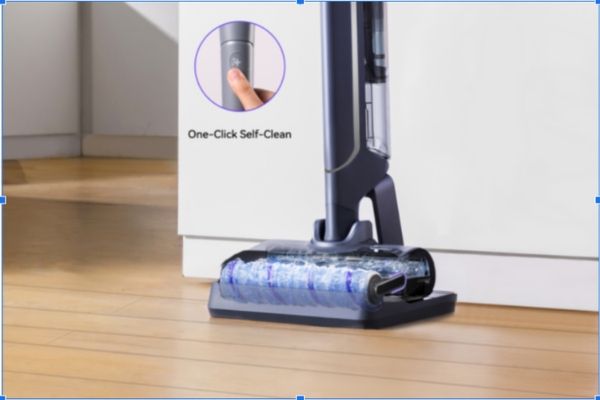
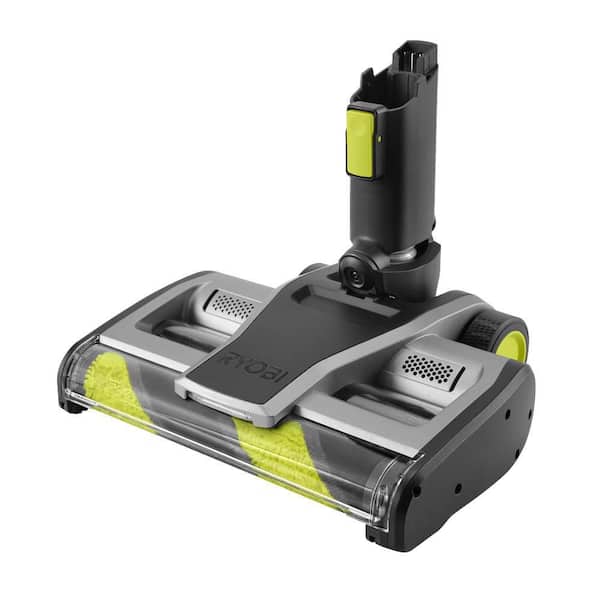
A beater bar is a rotating brush located at the base of a vacuum cleaner. Its main job is to agitate carpet fibers, loosening dirt and debris trapped deep inside.
This agitation makes it easier for the vacuum’s suction to lift out particles that a regular vacuum might miss. If you’ve ever struggled with pet hair or ground-in dirt, a beater bar can be a game changer.
However, it’s important to know that a beater bar can be too harsh for delicate rugs or hard floors. Many vacuums let you turn the beater bar off in these cases to avoid damage.
Types Of Beater Bars
Not all beater bars are the same. They come in different styles designed for various floor types and cleaning needs.
- Standard Brushroll:This is the most common type, with stiff bristles that work well on carpets.
- Soft Brushroll:Designed for delicate surfaces, it uses softer bristles to avoid scratching.
- Rubber or Silicone Beater Bars:These use flexible blades instead of bristles, which are excellent for picking up pet hair without tangling.
Choosing the right type depends on your floors and what you clean most. Have you noticed how some vacuums struggle with pet hair? The right beater bar can solve that problem quickly.

Credit: us.narwal.com
How Beater Bars Boost Cleaning
Understanding how beater bars boost cleaning can change the way you use your vacuum. These bars don’t just sweep the surface; they actively engage with the dirt and debris stuck deep within your floors. This makes your vacuum more effective and saves you time and effort.
Agitating Dirt And Debris
Beater bars spin rapidly to shake loose dirt that’s embedded in carpet fibers and hard floors. This agitation helps lift particles that suction alone might miss.
Think about the last time you vacuumed without a beater bar. Did you notice some stubborn dirt remained? The beater bar’s movement dislodges these particles, making them easier to suck up.
This is especially useful if you have pets or kids, where hair and crumbs hide in tiny crevices. The bar’s action ensures a deeper clean with every pass.
Improving Carpet Cleaning
Carpets trap dust, allergens, and dirt far below the surface. A beater bar digs into the pile, loosening this buildup so your vacuum can capture it.
You might wonder if this rough action could damage delicate carpets. Most modern beater bars come with adjustable height or speed settings to protect different carpet types.
By using the beater bar correctly, you’ll notice your carpets look fresher and stay cleaner longer. Isn’t it worth trying this simple tool to improve your cleaning routine?
Beater Bars Vs. Brushrolls
Understanding the difference between beater bars and brushrolls can change how you approach vacuuming your home. Both play a role in picking up dirt, but they do so in distinct ways. Knowing which one suits your needs can save you time and effort during cleaning.
Key Differences
A beater bar features stiff, straight bristles that spin rapidly to agitate carpet fibers. This action helps loosen embedded dirt and debris effectively. In contrast, brushrolls often have softer, angled bristles designed for gentle sweeping motions.
Beater bars are typically more aggressive, making them ideal for deep carpet cleaning. Brushrolls work better on hard floors and delicate rugs, where too much agitation could cause damage. You might notice that some vacuums combine both, but understanding their separate roles is key.
Best Uses For Each
- Beater Bars:Perfect for homes with thick carpets or pets that shed a lot. They dig deep, pulling out dirt and pet hair you can’t see on the surface.
- Brushrolls:Great for hardwood, tile, or laminate floors where you want to avoid scratches. They also work well on low-pile rugs that don’t require heavy agitation.
Have you ever noticed your vacuum struggling with pet hair on your carpet? Switching to a beater bar model might make a noticeable difference. On the other hand, if you have mainly hard floors, a brushroll can protect your surfaces while keeping them clean.

Credit: us.narwal.com
When To Use A Beater Bar
Knowing when to use a beater bar on your vacuum can make a big difference in cleaning results and protecting your floors. The beater bar is designed to agitate carpet fibers, helping to loosen dirt and debris stuck deep inside. However, using it at the wrong time or on the wrong surface can cause damage or reduce its effectiveness.
Ideal Floor Types
The beater bar works best on carpeted floors, especially medium to high-pile carpets. It helps lift dirt and dust that settle deep within the fibers, making your vacuuming more thorough. If you have rugs or carpets in heavy-traffic areas, a beater bar can save you time and effort by improving dirt removal.
Hardwood or tile floors are generally not suited for the beater bar because it can scatter debris instead of picking it up. If you want to clean these surfaces, switch to a vacuum setting without the beater bar or use a hard floor attachment. This adjustment prevents scratches and keeps your floors looking their best.
Avoiding Damage To Delicate Surfaces
Using a beater bar on delicate surfaces like soft rugs, hardwood, or laminate can cause unwanted wear or scratches. If your vacuum has a switch to turn off the beater bar, make sure to use it when cleaning these areas. This simple step protects your floors and extends their lifespan.
Think about how often you switch settings based on floor type. Do you always remember to adjust the beater bar? Small changes in your routine can prevent costly repairs. If you’re unsure, test the beater bar on a small, hidden spot before cleaning the entire surface.
Maintenance Tips For Beater Bars
Keeping your beater bar in top shape ensures your vacuum cleans efficiently and lasts longer. Regular maintenance prevents common problems and keeps your floors spotless. Let’s dive into some practical tips that you can easily apply to maintain your beater bar.
Cleaning And Care
Remove hair, threads, and debris wrapped around the beater bar regularly. These can reduce its spinning power and strain the motor.
Use scissors or a seam ripper to carefully cut away tangled fibers. Avoid pulling them off, as this can damage the brush bristles or the bar itself.
Wipe the beater bar with a damp cloth to clear dust and grime. Make sure it’s completely dry before putting it back to prevent any motor issues.
Check the brushes for wear and replace the beater bar if the bristles look thin or misshapen. This keeps your vacuum effective on carpets and hard floors.
Troubleshooting Common Issues
If your vacuum loses suction or the beater bar stops spinning, check for blockages first. Clogged hoses or filters can cause performance problems that seem related to the beater bar.
Listen for unusual noises like grinding or rattling—these often indicate something stuck inside or a damaged bearing. Ignoring these sounds can lead to bigger repairs.
Sometimes the belt that drives the beater bar slips or breaks. Inspect it regularly and replace it if it’s stretched or cracked to keep your vacuum running smoothly.
Do you notice uneven cleaning on your floors? That might mean the beater bar isn’t rotating properly. Make sure it spins freely by manually turning it after cleaning and before use.
Choosing Vacuums With Beater Bars
Choosing a vacuum with a beater bar can boost cleaning efficiency. The beater bar helps remove dirt and pet hair from carpets. It agitates fibers, loosening embedded debris for better suction. Selecting the right vacuum means checking important features and trusted models. This ensures you get strong cleaning power and durability.
Features To Look For
- Adjustable beater bar speed for different floor types
- Easy-to-clean brush roll to prevent hair wrap
- Strong suction power combined with the beater bar
- Durable materials for long-lasting use
- Height adjustment for carpet and hard floors
- Lightweight design for easy maneuvering
- Good filtration to trap dust and allergens
Top Models With Powerful Beater Bars
| Model | Beater Bar Type | Special Features | Price Range |
|---|---|---|---|
| Shark Navigator | Motorized Brush Roll | Anti-hair wrap technology | Mid-range |
| Dyson Ball Animal 2 | Powerful Brush Bar | Strong suction, self-adjusting height | High-end |
| Bissell CleanView | Multi-surface Brush Roll | Lightweight, affordable | Budget-friendly |
Credit: www.homedepot.com
Frequently Asked Questions
What Is The Purpose Of A Beater Bar On A Vacuum?
A beater bar agitates carpet fibers to loosen dirt and debris. It improves cleaning efficiency by dislodging embedded particles. This makes vacuuming more effective on carpets and rugs.
How Does A Beater Bar Improve Vacuum Cleaning?
The spinning brush of a beater bar scrubs carpet surfaces. It breaks up dust and pet hair stuck deep in fibers. This action enhances dirt removal compared to suction alone.
Can A Beater Bar Damage Hardwood Floors?
Yes, beater bars can scratch or damage hardwood floors. Many vacuums allow you to turn off the beater bar on hard surfaces. Use caution and switch to a bare floor mode if available.
Is A Beater Bar Useful For Pet Hair Removal?
Absolutely, beater bars are great for lifting pet hair from carpets. The rotating brushes catch and pull out embedded hair strands. This helps maintain cleaner floors in homes with pets.
Conclusion
A beater bar helps lift dirt and debris from carpets. It spins quickly to loosen dust stuck deep inside. This part makes vacuuming more effective on thick rugs. Knowing what a beater bar does can improve cleaning results. Keep it clean and check for damage often.
A working beater bar saves time and effort. It makes your vacuum cleaner work better every day. Simple but important.