Are you looking for a heating solution that saves money and helps the environment? A biomass heating system might be just what you need.
Imagine heating your home or business using natural, renewable materials like wood pellets or agricultural waste. This method not only cuts down on your energy bills but also reduces your carbon footprint. You’ll discover exactly what a biomass heating system is, how it works, and why it could be the smart choice for your heating needs.
Keep reading to find out how you can turn everyday organic materials into efficient, eco-friendly warmth.

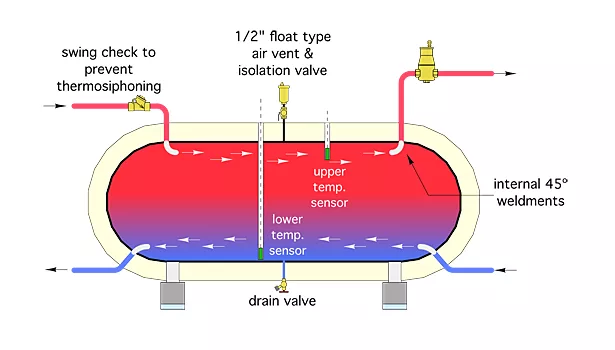
Credit: www.pmmag.com
Biomass Heating Basics
A biomass heating system uses natural materials to create heat. This system burns organic matter instead of fossil fuels.
It offers a way to heat homes and buildings using renewable energy. The heat comes from plants and waste products.
What Biomass Energy Means
Biomass energy is power made from organic materials. It comes from plants, wood, and waste that can burn.
This energy type is renewable because plants grow again and can be used repeatedly. It helps reduce reliance on oil and gas.
Common Biomass Fuels
Several materials can be used as fuel in biomass heating systems. These fuels come from natural and waste sources.
- Wood pellets, chips, or logs
- Agricultural residues like straw or husks
- Animal manure and organic waste
- Energy crops grown specifically for fuel
How Biomass Heating Works
Biomass heating systems burn fuel in a controlled way to produce heat. This heat warms air or water for buildings.
Fuel burns inside a boiler or stove. The heat moves through pipes or vents to heat rooms or water tanks.
- Fuel is loaded into the burner
- Combustion creates heat energy
- Heat transfers to water or air
- Warm air or hot water spreads in the building
Types Of Biomass Heating Systems
Biomass heating systems use organic materials to create heat. They are a clean and renewable way to warm homes and buildings.
There are different types of biomass heating systems. Each type uses fuel and technology in a unique way.
Pellet Stoves And Boilers
Pellet stoves burn small, compressed pellets made from wood or plant waste. These stoves are easy to use and clean.
Pellet boilers are larger and heat water for home heating. They work well for bigger homes or buildings.
- Pellets are easy to store and handle
- Automatic feeding systems keep the fire going
- They produce little ash and smoke
Wood Chip Systems
Wood chip systems use small pieces of wood as fuel. The chips come from branches, bark, or wood waste.
These systems can heat water or air for buildings. They are good for places with easy access to wood chips.
- Wood chips are cheaper than pellets
- They need bigger storage space
- Systems require regular cleaning and maintenance
Log Wood Boilers
Log wood boilers burn large pieces of wood. They work like traditional wood stoves but heat water.
This system suits people who can cut and store firewood easily. It gives steady heat for homes or buildings.
- Logs must be dry for best burning
- Manual loading is needed
- Good option for rural areas with wood supply
Benefits Of Biomass Heating
Biomass heating systems use organic materials like wood or crop waste to produce heat. These systems offer many advantages for homes and businesses. They help reduce pollution and save money over time.
Understanding the benefits of biomass heating can help you decide if it is the right choice. This article covers key points about its environmental impact, cost savings, and energy independence.
Environmental Impact
Biomass heating reduces greenhouse gas emissions compared to fossil fuels. It uses renewable materials that grow back and absorb carbon dioxide. This process helps lower the overall carbon footprint.
- Burns cleaner than coal or oil
- Uses waste products that would decompose and release methane
- Supports sustainable forest and farm management
Cost Savings
Using biomass for heating can reduce energy bills. Fuel costs are often lower and more stable than gas or electricity prices. Maintenance costs are also reasonable for well-designed systems.
| Cost Factor | Biomass Heating | Fossil Fuels |
| Fuel Price | Low and steady | Higher and variable |
| System Maintenance | Moderate | Varies |
| Installation Cost | Medium | Medium to high |
Energy Independence
Biomass heating helps reduce reliance on imported fuels. It allows communities to use local resources for energy. This can increase energy security and support local economies.
- Less exposure to global fuel price changes
- Supports local jobs and businesses
- Improves resilience during fuel supply disruptions

Credit: grantboilers.org.uk
Installation And Maintenance
A biomass heating system uses organic materials like wood pellets to produce heat. Proper installation and upkeep keep the system safe and efficient.
This guide covers what you need for the site, how to install the system, and tips for regular maintenance.
Site Requirements
Choose a dry and well-ventilated place for the biomass heating system. The area must have space for fuel storage and easy access for deliveries.
Good air flow is important to keep the system working well. Make sure the site follows local safety and building rules.
- Dry and ventilated space
- Room for fuel storage
- Easy access for fuel delivery
- Compliance with safety rules
- Nearby chimney or flue connection
System Installation Steps
Install the biomass system on a solid, level base. Connect the fuel feed, burner, and heat exchanger carefully.
Proper sealing of pipes and joints prevents leaks. Connect the system to your home heating or hot water setup as instructed.
- Prepare a stable, level foundation
- Install the burner and fuel feed system
- Connect heat exchanger and pipes
- Seal all joints and connections
- Link the system to heating or hot water
- Test the system for safe operation
Routine Maintenance Tips
Clean the ash from the system regularly to keep it running well. Check fuel quality to avoid blockages or damage.
Inspect moving parts and clean the chimney every year. Schedule professional service to ensure safety and efficiency.
- Empty ash trays often
- Use dry, high-quality fuel
- Check and clean the burner
- Inspect and clean the chimney yearly
- Schedule annual professional checks
Comparing Biomass To Other Heating Options
Biomass heating systems use organic materials like wood pellets or chips to produce heat. They offer an alternative to traditional heating methods. Comparing biomass with other heating options helps to understand its benefits and limits.
This comparison looks at biomass versus fossil fuels and electric heating. It also covers efficiency to help you see which option fits your needs.
Biomass Vs. Fossil Fuels
Fossil fuels like oil and gas are common heating sources. Biomass uses renewable materials, which can reduce carbon emissions. Fossil fuels release more greenhouse gases when burned.
- Biomass is renewable and often locally sourced.
- Fossil fuels are non-renewable and imported in many cases.
- Biomass can lower heating costs if fuel is available.
- Fossil fuels usually require less storage space.
- Biomass systems may need more maintenance than fossil fuel boilers.
Biomass Vs. Electric Heating
Electric heating is easy to install and use. Biomass heating needs fuel storage and a supply chain. Electricity comes from the grid, which may use fossil fuels or renewables.
| Feature | Biomass Heating | Electric Heating |
| Fuel Source | Wood pellets, chips, or logs | Electricity from grid |
| Renewable | Yes | Depends on grid mix |
| Installation Cost | Moderate to high | Low to moderate |
| Running Cost | Low if fuel is local | Can be high |
| Maintenance | Regular cleaning needed | Minimal |
Efficiency Considerations
Efficiency means how well the system turns fuel into heat. Biomass boilers can be very efficient but depend on fuel quality. Electric heaters convert almost all electricity to heat but may rely on less clean power sources.
- Biomass efficiency ranges from 70% to 90%.
- Modern electric heaters can reach nearly 100% efficiency.
- Fossil fuel boilers usually have 80% to 95% efficiency.
- Heat loss can happen in all systems depending on setup.
Challenges And Limitations
Biomass heating systems use organic materials to produce heat. These systems face some challenges that affect their use and efficiency.
Understanding these challenges helps people decide if biomass heating is right for them.
Fuel Storage Issues
Biomass fuels need a lot of space for storage. Wood chips or pellets take up room and must stay dry.
Wet fuel can cause the system to work poorly and produce less heat.
- Requires large, dry storage areas
- Fuel can spoil if exposed to moisture
- Storage needs protection from pests
Emission Concerns
Burning biomass releases smoke and particles. These emissions can affect air quality.
Some systems do not burn fuel completely, increasing pollution.
- Smoke may cause health problems
- Incomplete burning increases harmful gases
- Proper maintenance reduces emissions
Supply Availability
Biomass fuel depends on local supply. If fuel is scarce, heating may stop.
Prices can change if demand grows or supply falls.
- Fuel supply varies by region
- Seasonal changes affect fuel availability
- Price can rise with high demand
Future Of Biomass Heating
Biomass heating systems use organic materials to create heat. They offer a renewable way to warm homes and buildings. The future looks promising as new changes help these systems grow.
Advances in technology, government support, and changing market trends all shape the future. Understanding these areas helps us see how biomass heating will develop.
Technological Advances
New technology makes biomass heaters more efficient and cleaner. Sensors and smart controls allow better fuel use and less pollution. These improvements reduce costs and environmental impact.
- Automatic fuel feeding systems
- Improved combustion techniques
- Remote monitoring and control
- Better emissions filters
- Integration with solar and heat pumps
Policy And Incentives
Many governments support biomass heating to cut carbon emissions. Incentives help people and companies switch to biomass heat. These policies make biomass systems more affordable and attractive.
| Country | Type of Incentive | Benefit |
| Germany | Subsidy | Lower installation costs |
| USA | Tax Credit | Reduce yearly taxes |
| Sweden | Grant | Support for new technology |
| Canada | Low-interest Loans | Ease financing |
Market Trends
Demand for biomass heating is growing worldwide. People want cleaner energy and lower bills. The market shows new types of fuels and systems to meet this need.
- Rise of pellet and chip fuels
- More small-scale, home systems
- Use in rural and off-grid areas
- Partnerships with other renewable sources
- Focus on local fuel sourcing

Credit: www.pmmag.com
Frequently Asked Questions
What Is A Biomass Heating System?
A biomass heating system uses organic materials like wood pellets to generate heat. It’s an eco-friendly alternative to fossil fuels. This system reduces carbon emissions and offers sustainable heating for homes and businesses.
How Does A Biomass Heating System Work?
It burns biomass fuel to produce heat. The heat warms water or air, which is then circulated for heating purposes. Modern systems use automated feeders and efficient boilers to maximize energy output and reduce waste.
What Are The Benefits Of Biomass Heating?
Biomass heating lowers greenhouse gas emissions and reduces reliance on fossil fuels. It is cost-effective long-term and supports local economies by using regional resources. Additionally, it provides consistent and renewable heat throughout the year.
Is A Biomass Heating System Environmentally Friendly?
Yes, it’s considered environmentally friendly. Biomass fuels are renewable, and burning them releases carbon dioxide absorbed during plant growth, making it carbon neutral. It also reduces landfill waste by using organic byproducts.
Conclusion
Biomass heating systems offer a sustainable energy choice. They reduce carbon footprints significantly. These systems utilize organic materials like wood pellets. A cleaner environment benefits everyone. Installation might seem costly initially. Yet, long-term savings are substantial. They also support local economies by using local resources.
Homeowners find them efficient and reliable. Choosing biomass promotes greener living. It’s a step towards energy independence. Considering all factors, biomass heating is a smart choice. Make your home eco-friendly today.