
Have you ever wondered what a bivvy tent is and why so many outdoor lovers swear by it? If you’re looking for a simple, lightweight shelter that can keep you safe and comfortable in the wild, understanding bivvy tents could change the way you camp.
This isn’t just another bulky tent to carry around. It’s designed to make your outdoor experience easier and more enjoyable. Keep reading, and you’ll discover exactly what a bivvy tent is, how it works, and why it might be the perfect fit for your next adventure.
Bivvy Tent Basics
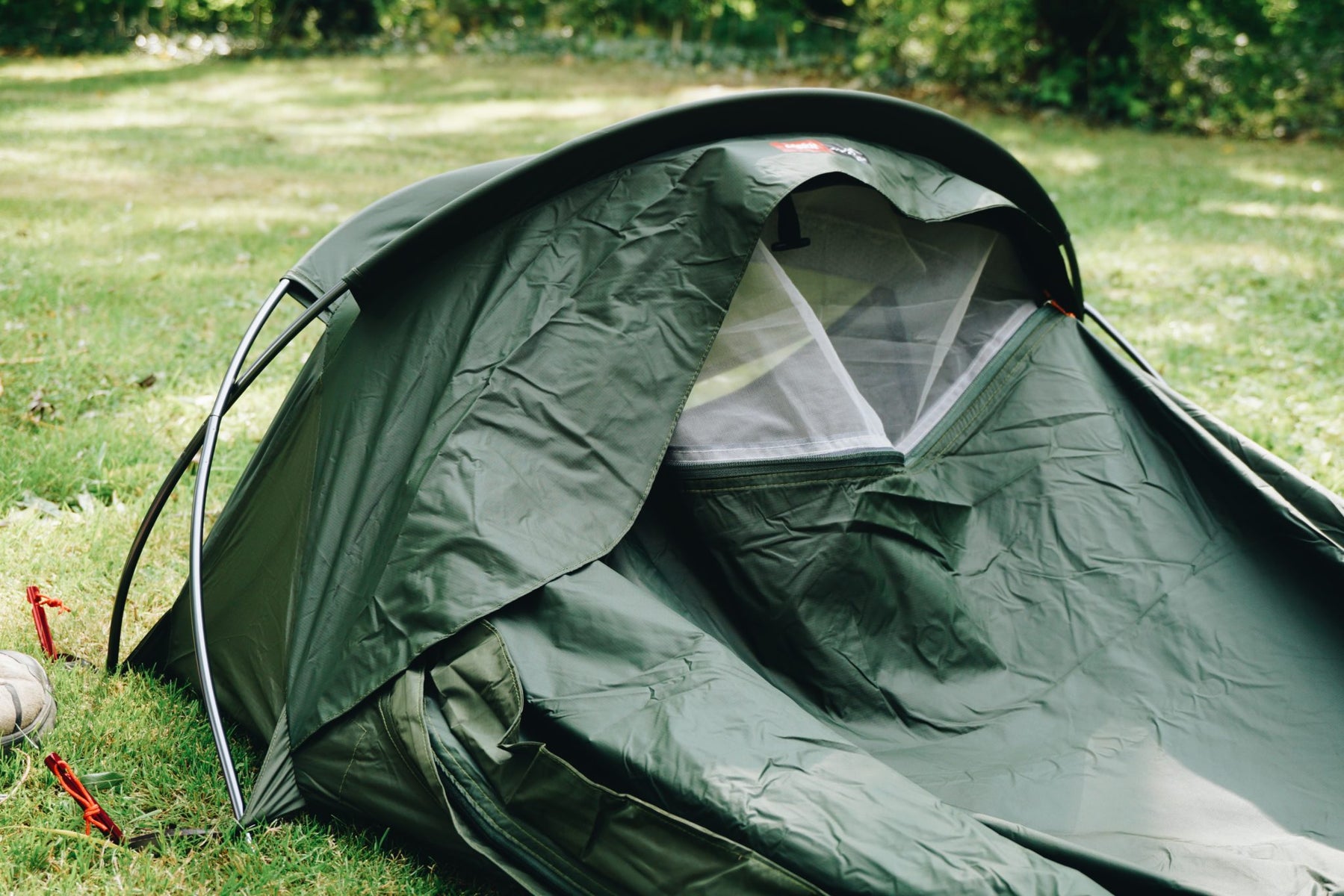
A bivvy tent is a small, lightweight shelter used mainly by anglers and campers. It offers quick protection from weather without carrying heavy gear. These tents are easy to set up and pack away.
People use bivvy tents for short trips or when space is limited. They provide just enough room for one person and some gear. The design focuses on simplicity and comfort outdoors.
What Is A Bivvy Tent
A bivvy tent is a compact shelter that protects you from rain, wind, and insects. It usually fits one person and some equipment. Unlike larger tents, bivvies are made to be quick to set up and take down.
Key Features
- Lightweight and compact for easy carrying
- Quick setup using simple poles or pop-up frames
- Waterproof fabric to keep dry in bad weather
- Ventilation to reduce condensation inside
- Designed for one person with minimal gear space
Materials Used
| Material | Purpose | Common Properties |
|---|---|---|
| Polyester | Outer fabric | Lightweight, water-resistant, durable |
| Nylon | Inner lining and outer shell | Strong, quick-drying, tear-resistant |
| Aluminum | Poles and frame | Lightweight, strong, rust-proof |
| Fiberglass | Poles | Flexible, affordable, lightweight |
| Polyurethane Coating | Waterproof layer | Seals fabric, prevents leaks |
Types Of Bivvy Tents
Bivvy tents come in different styles for various outdoor activities. They provide shelter and protection from weather.
Choosing the right bivvy tent depends on how many people use it and the activity planned.
Single-person Bivvies
Single-person bivvies are small and light. They are easy to carry on hikes or solo trips.
These tents offer enough space for one person and some gear. They set up quickly and fit in tight spots.
- Lightweight and compact
- Easy to set up alone
- Good for short trips
- Limited space inside
Multi-person Bivvies
Multi-person bivvies fit two or more people. They offer more room for sleeping and gear storage.
These tents are heavier and larger. They work well for groups or families camping together.
- Spacious for multiple people
- Extra room for equipment
- More stable in strong winds
- Heavier to carry
Fishing Bivvy Tents
Fishing bivvy tents are designed for anglers. They provide shelter near water bodies for long hours.
These tents have features like waterproof fabrics and easy access doors. They keep you dry and comfortable during fishing.
- Waterproof and windproof materials
- Quick to set up and pack down
- Extra space for fishing gear
- Good ventilation to reduce condensation
Choosing The Right Bivvy Tent
A bivvy tent is a compact shelter designed for camping. It’s important to choose the right one for your needs. Consider the weather, size, weight, and setup.
Each factor affects how comfortable and safe your camping experience will be. Let’s explore these considerations in detail.
Weather Considerations
Weather plays a big role in your bivvy tent choice. You need a tent that can handle the elements you expect to face.
- Check for waterproof materials to stay dry in rain.
- Consider wind resistance if camping in open areas.
- Look for ventilation options in hot climates.
Size And Weight
The size and weight of a bivvy tent affect portability and comfort. Choose a tent that balances both well for your trip.
| Feature | Consideration |
| Size | Enough room for sleeping and gear |
| Weight | Lightweight for easy carrying |
Setup And Portability
Easy setup saves time and effort, especially in bad weather. A portable tent is ideal for hiking trips.
Credit: alpkit.com
Bivvy Tent Vs. Traditional Tent
A bivvy tent is a small, simple shelter mostly used by anglers and hikers. It offers quick setup and basic protection. Traditional tents come in many sizes and shapes, designed for longer stays and more comfort.
Choosing between a bivvy and a traditional tent depends on your needs. This guide compares their space, durability, and ease of use.
Space And Comfort
Bivvy tents are compact. They fit one person and some gear inside. Traditional tents usually hold more people and have room to move around.
- Bivvy Tent:Small, minimal space
- Traditional Tent:Larger, more comfortable
- Bivvy Tent:Less headroom
- Traditional Tent:Taller and spacious
Durability And Protection
Both tents protect from rain and wind but differ in materials and build. Traditional tents often use thicker fabrics and stronger poles. Bivvy tents focus on lightweight materials.
| Feature | Bivvy Tent | Traditional Tent |
| Material | Lightweight, thin fabric | Thick, weather-resistant fabric |
| Frame | Simple poles or none | Strong poles, stable structure |
| Weather Protection | Good for mild weather | Good for harsh weather |
Ease Of Use
Bivvy tents are quick to set up and take down. They are light to carry. Traditional tents take longer to pitch and weigh more. They need more space to set up.
- Very fast setup
- Lightweight for carrying
- Compact for small spaces
- More space inside
- Better for bad weather
- More comfort for sleeping
Setting Up A Bivvy Tent
A bivvy tent is a small shelter used by anglers and campers. It protects you from rain, wind, and bugs while you rest. Setting it up right is important for comfort and safety.
This guide will help you choose the best site, pitch your bivvy correctly, and secure it against the weather.
Selecting The Site
Pick a flat spot free from rocks and roots. Avoid low areas where water can gather. Look for natural windbreaks like bushes or trees.
- Check the ground is firm and dry
- Avoid places near water edges prone to flooding
- Choose a spot with some shade if possible
- Keep away from insect nests and dense bushes
Pitching Tips
Set up your bivvy with care to make it stable and roomy inside. Lay down a groundsheet for extra protection. Use all the poles and pegs provided.
- Unfold the bivvy and spread it out flat
- Insert the poles carefully into the sleeves or clips
- Secure the corners with pegs, pulling the fabric tight
- Adjust the shape for good headroom and ventilation
- Check the door opens easily and closes firmly
Securing Against Elements
Protect your bivvy from wind and rain by anchoring it well. Use guy lines and extra pegs if needed. Make sure water flows away from the tent.
| Element | How to Secure |
| Wind | Use guy lines on all sides and tighten them well |
| Rain | Pitch on a slope and use a waterproof groundsheet |
| Cold | Close all vents except one for airflow |
| Insects | Keep the bivvy zipped and check for holes |

Credit: us.alpkit.com
Care And Maintenance
A bivvy tent needs regular care to last longer. Good maintenance keeps it clean and safe for use.
Proper cleaning, storage, and repair help protect your tent from damage and wear.
Cleaning Tips
Clean your bivvy tent after every trip. Remove dirt and mud with a soft brush or cloth.
Use mild soap and water for stains. Avoid strong detergents that can harm the fabric.
- Do not machine wash or dry
- Rinse thoroughly to remove soap
- Dry the tent fully before storing
- Clean zippers with a soft brush
Storage Advice
Store your bivvy tent in a dry place to stop mold and mildew. Keep it away from direct sunlight.
Do not pack the tent while wet. Fold it loosely to keep the fabric fibers healthy.
- Use a breathable storage bag
- Avoid heavy pressure on the tent
- Check the tent for damage before storing
- Store in a cool, shaded area
Repair Essentials
Fix small tears and holes quickly to prevent bigger damage. Use repair tape or patches made for tents.
Keep a repair kit with needle, thread, and patch material when camping. Check zippers and poles often.
- Seal leaks with waterproof tape
- Replace broken poles with spares
- Lubricate zippers to keep them smooth
- Inspect seams and re-stitch if needed
Popular Brands And Models
Bivvy tents are small, easy shelters used mainly by anglers and campers. Many brands offer different models to suit various needs. Choosing the right bivvy tent depends on your experience and budget.
This guide shows popular bivvy brands and models for beginners, high-end users, and budget buyers. Knowing your options helps you pick the best bivvy tent.
Top Choices For Beginners
Beginner bivvy tents focus on easy setup and comfort. These models are lightweight and simple to use. They provide good protection without complex features.
- Fox Easy Bivvy: Simple design, quick setup, good space.
- Trakker Tempest Bivvy: Lightweight, strong, good for all weather.
- Chub Vantage 2 Man Bivvy: Roomy and easy to pitch.
High-end Options
High-end bivvy tents use premium materials and advanced features. They offer better weather resistance and durability. These tents are great for serious campers and anglers.
- Nash Titan TX Bivvy: Strong frame, waterproof, large space.
- Fox Royale Classic Bivvy: Stylish, weatherproof, extra comfort.
- Solar T62 Bivvy: Heavy-duty, great for tough conditions.
Budget-friendly Picks
Budget bivvy tents offer basic protection at a low price. They are good for occasional use or short trips. These tents may have fewer features but still provide shelter.
- Outsunny Pop Up Bivvy: Affordable, quick setup, basic cover.
- Wild Country Zephyros 1: Light, compact, budget option.
- Vango Banshee 200: Simple design, decent weather protection.
Bivvy Tent Accessories
A bivvy tent is a small shelter used by anglers and campers. It protects you from wind, rain, and bugs. Accessories help improve comfort and convenience.
Choosing the right accessories makes your bivvy more useful. These include sleeping mats, lighting, and extra shelter options.
Sleeping Mats And Bags
Sleeping mats add comfort by cushioning the ground. They also keep you warm by insulating against cold earth.
Sleeping bags provide warmth and protect from dampness. Pick bags suitable for the season and temperature.
- Foam mats are lightweight and easy to carry
- Inflatable mats offer extra comfort but weigh more
- Choose sleeping bags rated for the coldest temperatures you expect
Lighting Solutions
Good lighting helps you see inside the bivvy at night. It also makes tasks easier like cooking or reading maps.
Use portable lights that are bright but do not use much power. Battery or rechargeable options work well.
- LED lanterns give wide light coverage
- Headlamps keep your hands free
- Small clip-on lights attach inside the bivvy
Additional Shelter Options
Extra shelters add space and protection around your bivvy. They create covered areas for gear or sitting.
Options include ground sheets, awnings, and windbreaks. These help keep things dry and shielded from wind.
- Ground sheets protect from mud and dampness
- Awnings attach to the bivvy for covered outdoor space
- Windbreaks block cold or strong winds

Credit: www.ebay.ca
Frequently Asked Questions
What Is A Bivvy Tent Used For?
A bivvy tent is mainly used for solo camping and fishing trips. It provides quick, lightweight shelter. It protects against rain, wind, and insects. Its compact design makes it easy to carry. Ideal for outdoors enthusiasts needing simple protection.
How Does A Bivvy Tent Differ From A Regular Tent?
Bivvy tents are smaller and lighter than regular tents. They usually fit one person and gear. They focus on quick setup and portability. Regular tents offer more space and comfort. Bivvies prioritize minimalism for short-term shelter needs.
Can Bivvy Tents Be Used In All Weather Conditions?
Yes, many bivvy tents are designed for various weather. They often feature waterproof materials and sturdy frames. However, extreme weather may require more robust shelters. Always check the tent’s specifications before use. Bivvies are best for moderate outdoor conditions.
Are Bivvy Tents Suitable For Beginners?
Bivvy tents are user-friendly and quick to set up. They are ideal for beginners wanting simple shelter. Their lightweight design reduces camping complexity. However, beginners should practice setup before trips. Bivvies offer a great introduction to solo camping.
Conclusion
A bivvy tent offers simple shelter for outdoor adventures. It is light, easy to carry, and quick to set up. Many campers use it for fishing, hiking, or short trips. It protects you from wind, rain, and bugs. Choosing the right bivvy depends on your needs and weather.
This small tent helps you stay safe and dry in nature. Try one on your next trip to enjoy comfort outdoors.