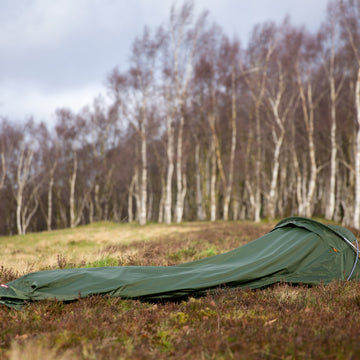
Are you planning a camping trip or a fishing adventure and wondering how to stay comfortable outdoors? A bivvy tent might be exactly what you need.
But what is a bivvy tent, and why should it be on your gear list? Imagine having a shelter that’s easy to carry, quick to set up, and designed to protect you from the elements while you rest. You’ll discover everything about bivvy tents—how they work, their benefits, and why they could change the way you experience the great outdoors.
Keep reading to find out how a simple piece of equipment can make your next trip safer and more enjoyable.

Credit: us.alpkit.com
Bivvy Tent Basics
A bivvy tent is a simple shelter used outdoors. It is popular with campers and anglers for quick protection.
These tents are easy to carry and set up. They offer a safe place to rest during outdoor trips.
What Is A Bivvy Tent
A bivvy tent is a small, lightweight shelter. It covers one person and their gear in the wild.
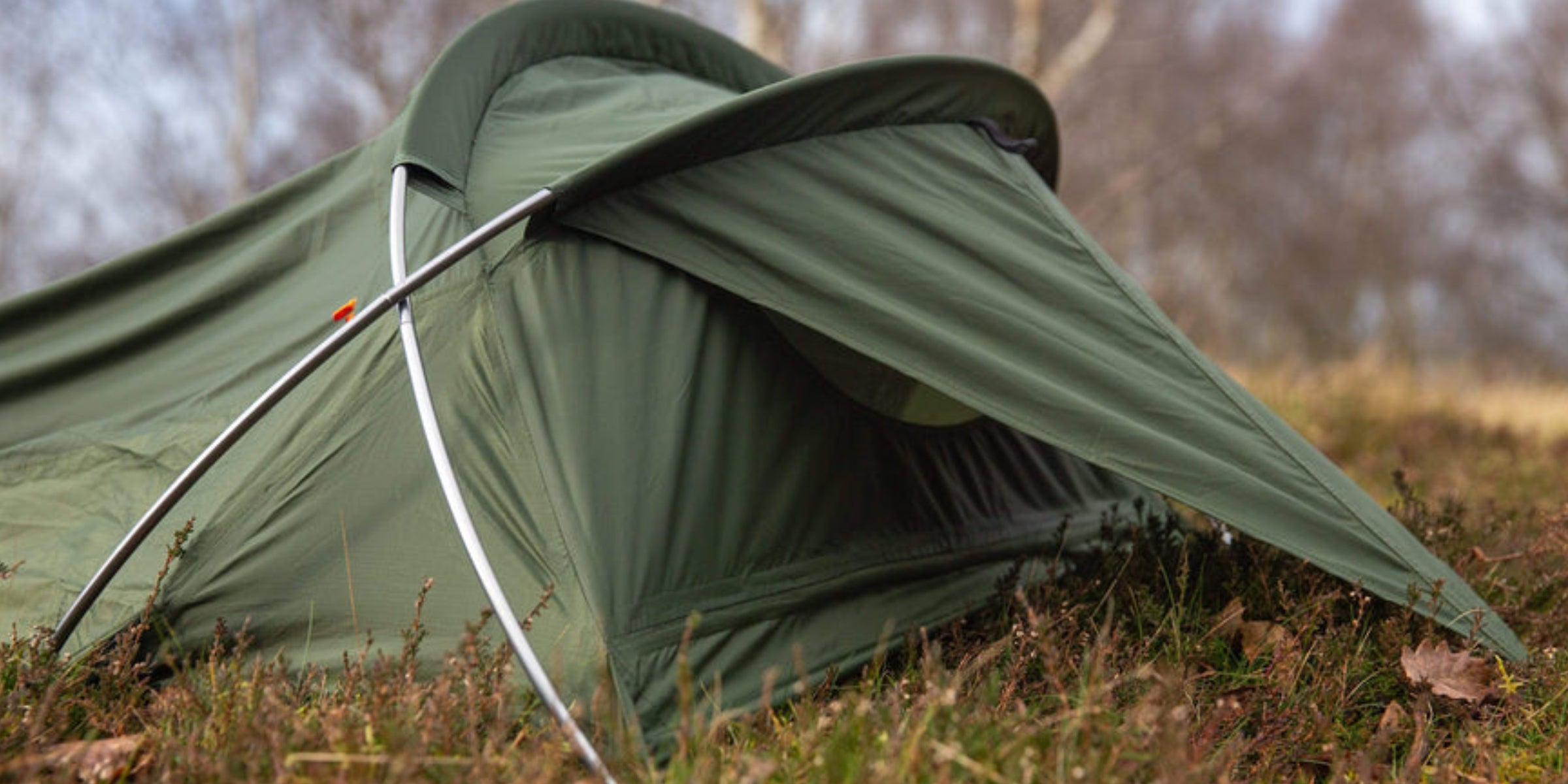
The design is simple, often shaped like a dome or rectangular box. It keeps you dry and warm in bad weather.
History And Origins
The word “bivvy” comes from “bivouac,” a French term for a temporary camp. Soldiers first used bivouac shelters in war.
Outdoor lovers adapted the idea for hiking and fishing. It became popular for its light weight and easy use.
Key Features
Bivvy tents have features that make them good for quick shelter. They are small and focus on protection.
- Lightweight and easy to carry
- Simple setup without many poles
- Waterproof fabric to keep dry
- Enough space for one person and gear
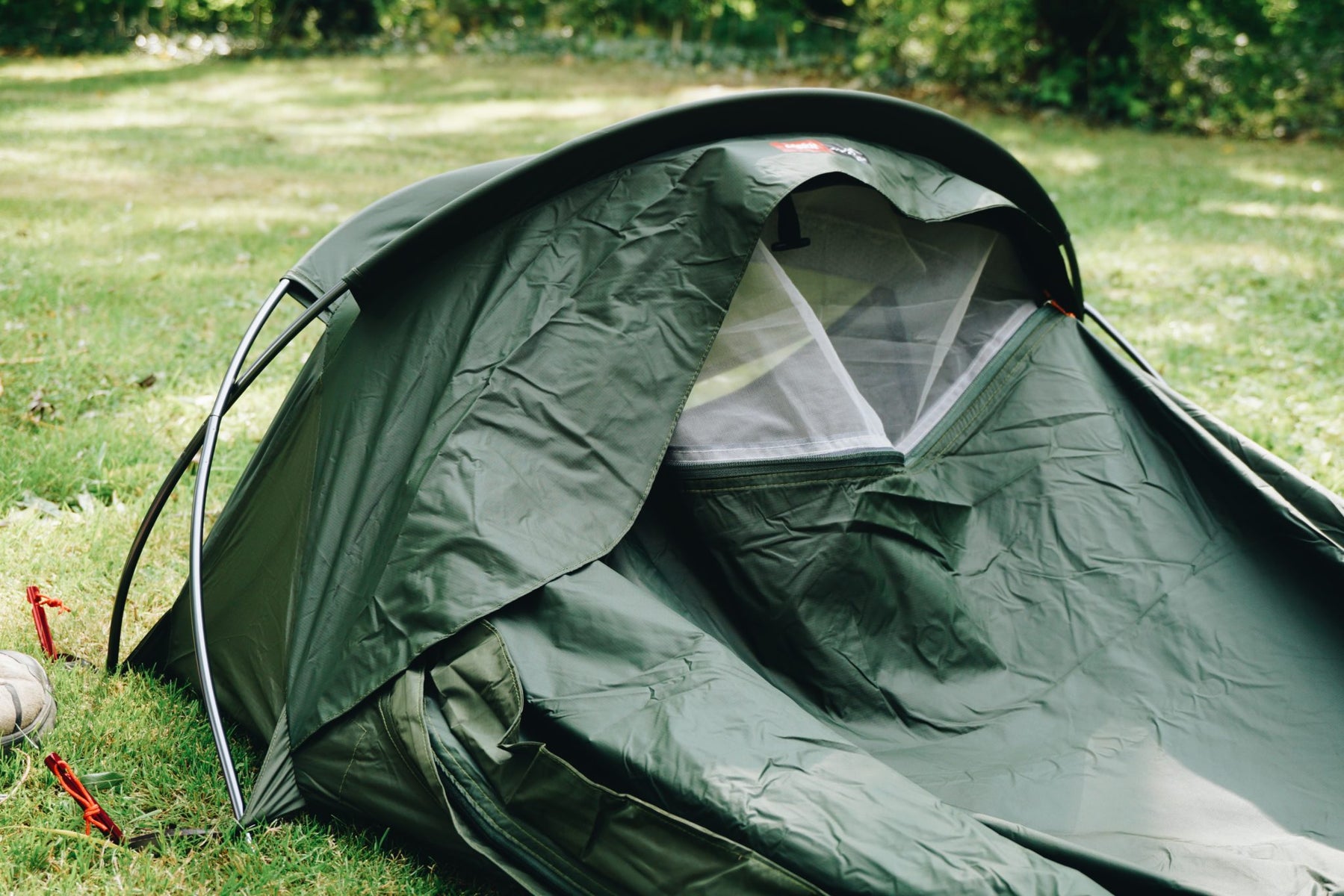
- Good ventilation to reduce moisture
- Compact size for easy storage
Credit: alpkit.com
Types Of Bivvy Tents
Bivvy tents are small shelters used for camping and fishing. They protect you from wind, rain, and insects. Different types fit different needs and group sizes.
Choosing the right bivvy depends on how many people will use it and the weather. Below are common types to help you decide.
Single-person Bivvies
Single-person bivvies are compact and light. They are perfect for solo campers or anglers who want to carry less weight. These bivvies usually have enough space for one person and some gear.
Double-person Bivvies
Double-person bivvies offer more room for two people or extra equipment. They are bigger and heavier but provide better comfort. These bivvies are good for couples or friends camping together.
- More space for sleeping and storage
- Stronger materials for durability
- Usually have better ventilation options
- More stable in windy conditions
Winter And Summer Models
Winter and summer bivvies differ in design and materials. Winter models keep you warm and block strong winds. Summer models focus on ventilation and keeping cool.
| Feature | Winter Model | Summer Model |
| Material | Thicker, insulated | Lightweight, breathable |
| Ventilation | Limited to keep heat | Wide vents and mesh |
| Weight | Heavier | Lighter |
| Use | Cold and windy weather | Warm and dry weather |
Materials And Construction
A bivvy tent is a small, lightweight shelter used mainly by anglers and campers. Its design focuses on quick setup and protection from the elements.
The materials and construction of a bivvy tent affect its durability and comfort. Choosing the right fabric and frame is important for any outdoor trip.
Fabric Choices
Bivvy tents use different fabrics to balance weight and strength. Common fabrics include polyester and nylon.
- Polyester:Strong and resistant to stretching.
- Nylon:Lightweight and quick-drying.
- Cotton blends:Offer breathability but are heavier.
Waterproofing And Breathability
The fabric must keep water out while allowing moisture to escape. This prevents dampness inside the bivvy.
| Feature | Description |
| Waterproof Coating | A layer on fabric to block rain and moisture. |
| Breathable Membrane | Allows air and vapor to pass through. |
| Sealed Seams | Stops water from leaking through stitching. |
| Ventilation Panels | Help reduce condensation inside the tent. |
Frame And Support Systems
Bivvy tents use frames to hold their shape. These frames must be light but strong enough to resist wind.
- Aluminum Poles:Durable and lightweight.
- Fiberglass Poles:Cost-effective but heavier.
- Carbon Fiber:Very light and strong, usually expensive.
- Shock-Corded Poles:Easy to assemble and pack.
Choosing The Right Bivvy Tent
A bivvy tent is a small, lightweight shelter used mainly for camping or fishing. Picking the right one helps you stay safe and comfortable outdoors.
This guide helps you choose a bivvy tent based on your needs and conditions.
Consider Your Outdoor Activity
Your outdoor activity affects the type of bivvy tent you need. For short fishing trips, a simple bivvy works well. For longer camping hikes, you may need more space and features.
- Fishing: Compact and easy to set up bivvy
- Camping: Roomier bivvy with better ventilation
- Hiking: Ultralight bivvy for easy carrying
Weight And Portability
Weight is key if you carry your gear on foot. A light bivvy is easier to carry but may offer less protection. Think about how far and how long you will travel.
| Type | Weight Range | Portability |
| Ultralight | 1-2 kg | Very easy to carry |
| Standard | 2-4 kg | Moderate to carry |
| Heavy Duty | 4+ kg | Less portable |
Weather Conditions
Check the weather before you pick a bivvy. Some tents are made for rain and wind. Others work well in dry, calm weather.
Important features for weather protection:
- Waterproof fabric to keep you dry
- Strong frame to resist wind
- Good ventilation to reduce condensation
- Easy to set up in bad weather
Setting Up A Bivvy Tent
A bivvy tent is a small shelter used for camping and fishing. It offers protection from weather and insects.
Setting up your bivvy correctly helps you stay dry and comfortable outdoors.
Site Selection
Choose a flat area free from rocks and roots. Avoid low spots that collect water.
Look for a spot with some natural wind protection like bushes or trees.
Pitching Tips
Follow these tips to pitch your bivvy tent securely and fast.
- Lay out the bivvy on the ground and smooth wrinkles.
- Insert poles or rods to form the frame.
- Stake the corners tightly to prevent movement.
- Attach guy lines and tension them to keep shape.
- Make sure the door faces away from the wind.
Common Mistakes To Avoid
| Mistake | Effect |
|---|---|
| Poor site choice | Water pooling under bivvy |
| Loose stakes | Bivvy blows away in wind |
| Incorrect pole placement | Unstable or collapsed bivvy |
| Ignoring wind direction | Cold air and rain inside |
Credit: alpkit.com
Advantages Of Bivvy Tents
Bivvy tents are simple shelters used by campers and anglers. They offer many benefits for outdoor activities. Their design focuses on ease and functionality.
This guide explains key advantages of bivvy tents. You will learn why many people prefer them for quick trips and longer stays.
Compact And Lightweight
Bivvy tents are small and light. This makes them easy to carry on hikes or fishing trips. You can pack them without adding much weight.
- Fits in a small backpack
- Easy to carry for long distances
- Does not take much storage space
Quick Setup
Setting up a bivvy tent takes just a few minutes. You do not need special skills or tools. This helps you start resting or fishing fast.
| Feature | Description |
| Setup Time | Usually under 5 minutes |
| Required Tools | None or minimal |
| Ease of Use | Simple for all users |
Versatility
Bivvy tents work well in many situations. You can use them for fishing, camping, or as emergency shelter. They fit different weather conditions with some adjustments.
Common uses include:
- Night fishing shelter
- Backpacking tent
- Emergency cover during storms
- Temporary rest spot on trails
Limitations To Keep In Mind
Bivvy tents offer a compact shelter for outdoor activities. They suit quick setups and minimal gear users. Still, some limits affect their use and comfort.
Understanding these limits helps you decide if a bivvy tent fits your needs. Here are key points to consider before choosing one.
Space Constraints
Bivvy tents are small and designed for one person. They do not offer much room for movement or gear storage. This can feel tight during long stays.
- Limited headroom makes sitting up hard.
- Little space to store backpacks or boots inside.
- Not suitable for more than one person.
- Can feel cramped in bad weather.
Ventilation Issues
Ventilation in bivvy tents is often minimal to keep weight down. This can cause problems with airflow and moisture inside.
| Ventilation Aspect | Effect |
| Small mesh panels | Limited fresh air flow |
| Tight closure zippers | Can trap moisture inside |
| Condensation buildup | Leads to damp sleeping bag |
Durability Concerns
Bivvy tents use lightweight materials to stay compact. This makes them less tough than larger tents. They can wear out faster in rough conditions.
- Thin fabric tears more easily
- Light poles can bend or break
- Zippers may fail with frequent use
- Seams can wear out with rain and wind
Maintenance And Care
Caring for your bivvy tent helps it last longer and perform well. Proper maintenance keeps the fabric strong and waterproof.
Simple steps can prevent damage and keep your tent ready for camping trips. Clean, store, and repair it carefully after each use.
Cleaning Tips
Clean your bivvy tent after every trip to remove dirt and prevent mold. Use gentle methods to protect the fabric and coatings.
- Shake off loose dirt before setting up.
- Use cold water and a soft brush for cleaning.
- Avoid harsh detergents or bleach products.
- Let the tent dry fully before packing it away.
- Spot clean stains with mild soap and water.
Storage Recommendations
Store your bivvy tent in a dry, cool place to avoid damage. Proper storage keeps the material from weakening over time.
| Storage Tip | Reason |
|---|---|
| Keep tent loosely folded or rolled | Prevents creases that can cause fabric wear |
| Avoid tight compression for long periods | Protects waterproof coatings and structure |
| Store in breathable bag or container | Allows air flow and stops mildew growth |
| Keep away from direct sunlight | Prevents UV damage to fabric |
Repairing Small Damages
Fix small tears or holes quickly to stop them from growing. Use repair kits made for tent fabrics for best results.
- Clean the damaged area and dry it well.
- Cut a patch slightly bigger than the tear.
- Apply adhesive or iron-on patch as instructed.
- Press firmly and let it cure before use.
- Check seams regularly and reinforce if needed.
Popular Brands And Models
Bivvy tents provide shelter for anglers and outdoor lovers. They come in many styles and sizes. Choosing the right brand and model can improve your experience.
Here we look at popular bivvy tents across different budgets and features. This guide will help you find a bivvy that fits your needs.
Top-rated Bivvy Tents
Top-rated bivvy tents stand out for quality and durability. These models often have good reviews from users.
- Nash Scope Series – Known for strong frames and waterproof fabric.
- Fox Royale Classic – Offers good space and easy setup.
- Trakker Tempest Bivvy – Lightweight and weather-resistant.
- Chub Vantage Pro – Includes a sturdy groundsheet and good ventilation.
Budget-friendly Options
Affordable bivvy tents provide basic shelter without high costs. These are good for casual users or beginners.
| Brand | Model | Price Range | Features |
|---|---|---|---|
| JRC | Contact Bivvy | Low | Simple design, waterproof |
| Prologic | Evade Bivvy | Low | Lightweight, quick setup |
| Mitchell | Horizon Bivvy | Low | Good ventilation, budget fabric |
Premium Choices
Premium bivvy tents use high-quality materials. They offer extra comfort and protection for long trips.
Features common in premium bivvies:
- Reinforced frames for strong wind resistance
- Extra-large doors and windows
- Breathable waterproof fabrics
- Multiple compartments and pockets
Bivvy Tents Vs Other Shelters
Bivvy tents are simple shelters used mainly by campers and anglers. They offer quick protection from weather and insects. Many people wonder how they compare with other shelter types.
This guide looks at bivvy tents compared to traditional tents, tarps, and hammocks. Each shelter has unique features and uses.
Comparison With Tents
Tents are larger and often have more space inside than bivvy tents. They can protect from rain, wind, and bugs well. Bivvy tents are smaller and lighter, made for quick setup.
Bivvy tents usually fit one person and gear. Tents can fit several people. Bivvies are good for short trips or fishing. Tents work better for longer stays or groups.
- Bivvy tents are compact and easy to carry
- Tents offer more room and comfort
- Bivvies set up faster than tents
- Tents provide better protection in bad weather
Comparison With Tarps
Tarps are simple sheets of fabric used as open shelters. They are very light and cheap. Bivvy tents give more enclosed protection than tarps.
Tarps need poles or trees for setup. Bivvy tents have built-in frames or poles. Tarps offer less bug protection. Bivvy tents protect better from wind and rain.
- Tarps are more flexible in setup styles
- Bivvy tents provide full coverage
- Tarps weigh less but expose you to bugs
- Bivvies are easier to set up alone
Comparison With Hammocks
Hammocks let you sleep off the ground between trees. They are great in warm weather. Bivvy tents are ground shelters that protect from cold and bugs.
Hammocks need sturdy trees for setup. Bivvy tents need flat ground. Hammocks provide good airflow but less wind protection. Bivvy tents offer more warmth and cover.
- Hammocks avoid wet or rocky ground
- Bivvy tents work anywhere with flat space
- Hammocks give better cooling in hot climates
- Bivvy tents protect better in cold or windy weather
Frequently Asked Questions
What Is A Bivvy Tent Used For?
A bivvy tent provides quick, lightweight shelter for outdoor activities like fishing, camping, and hiking. It protects from weather while being compact and easy to carry.
How Does A Bivvy Tent Differ From Regular Tents?
Bivvy tents are smaller, simpler, and designed for one person. Regular tents offer more space and comfort but are heavier and bulkier.
Are Bivvy Tents Waterproof And Weather-resistant?
Yes, most bivvy tents are made with waterproof materials. They shield you from rain, wind, and cold, ensuring comfort in harsh weather.
Can Bivvy Tents Be Used For Camping Overnight?
Absolutely. Bivvy tents are ideal for overnight camping, especially when you need a fast setup and lightweight gear.
Conclusion
A bivvy tent offers simple, lightweight shelter for outdoor adventures. It protects you from wind, rain, and bugs. Many anglers and campers trust it for quick setup and easy use. Its compact size fits well in backpacks or small spaces.
Choosing the right bivvy tent depends on your needs and weather conditions. This gear helps you stay safe and comfortable outdoors. Try one on your next trip to enjoy nature with less hassle.