Have you ever struggled to carry a bulky tent on your outdoor trips? What if there was a simple, lightweight shelter that could keep you safe and dry without weighing you down?
That’s where a bivy tent comes in. This small but mighty piece of gear could change the way you camp, hike, or travel. You’ll discover exactly what a bivy tent is, why it might be the perfect fit for your adventures, and how it can make your time outdoors more comfortable and hassle-free.
Keep reading to unlock the secret to smarter, lighter camping.
Credit: alpkit.com
Bivy Tent Basics
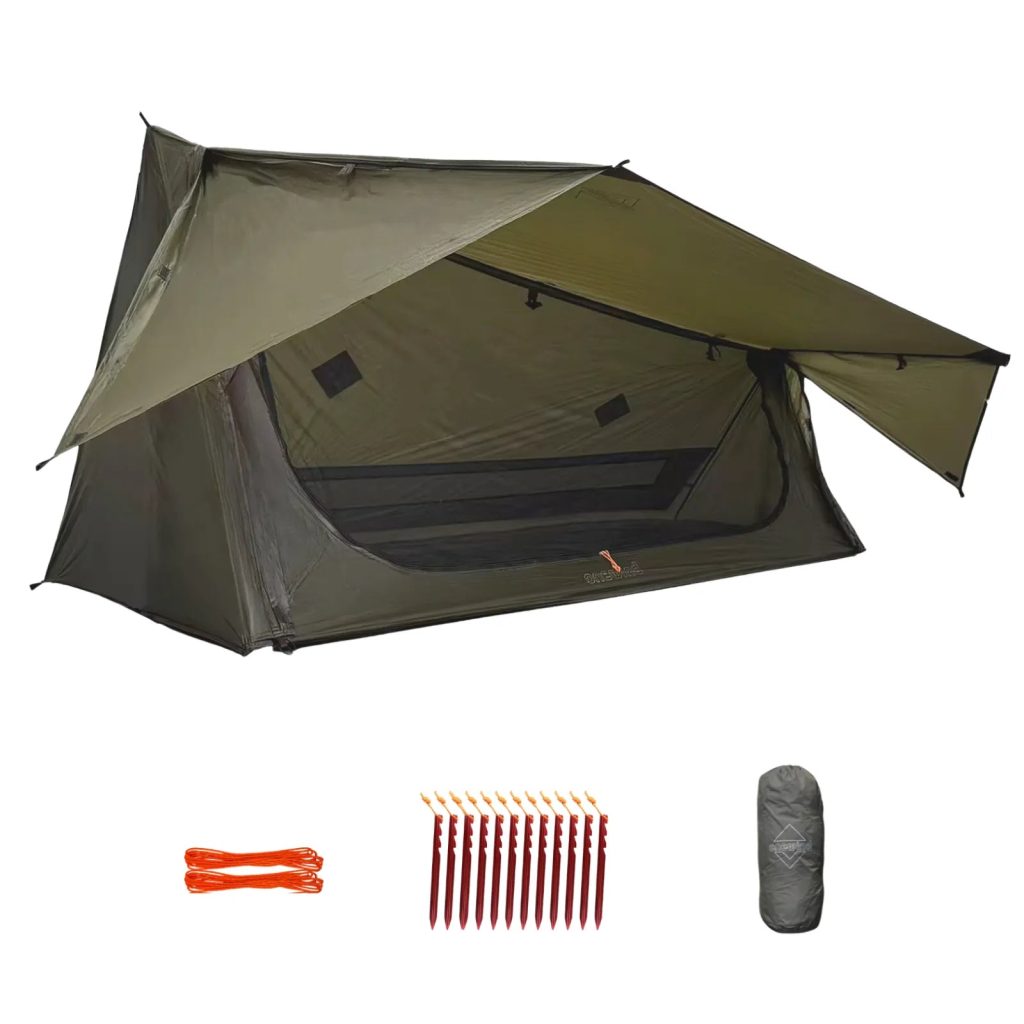
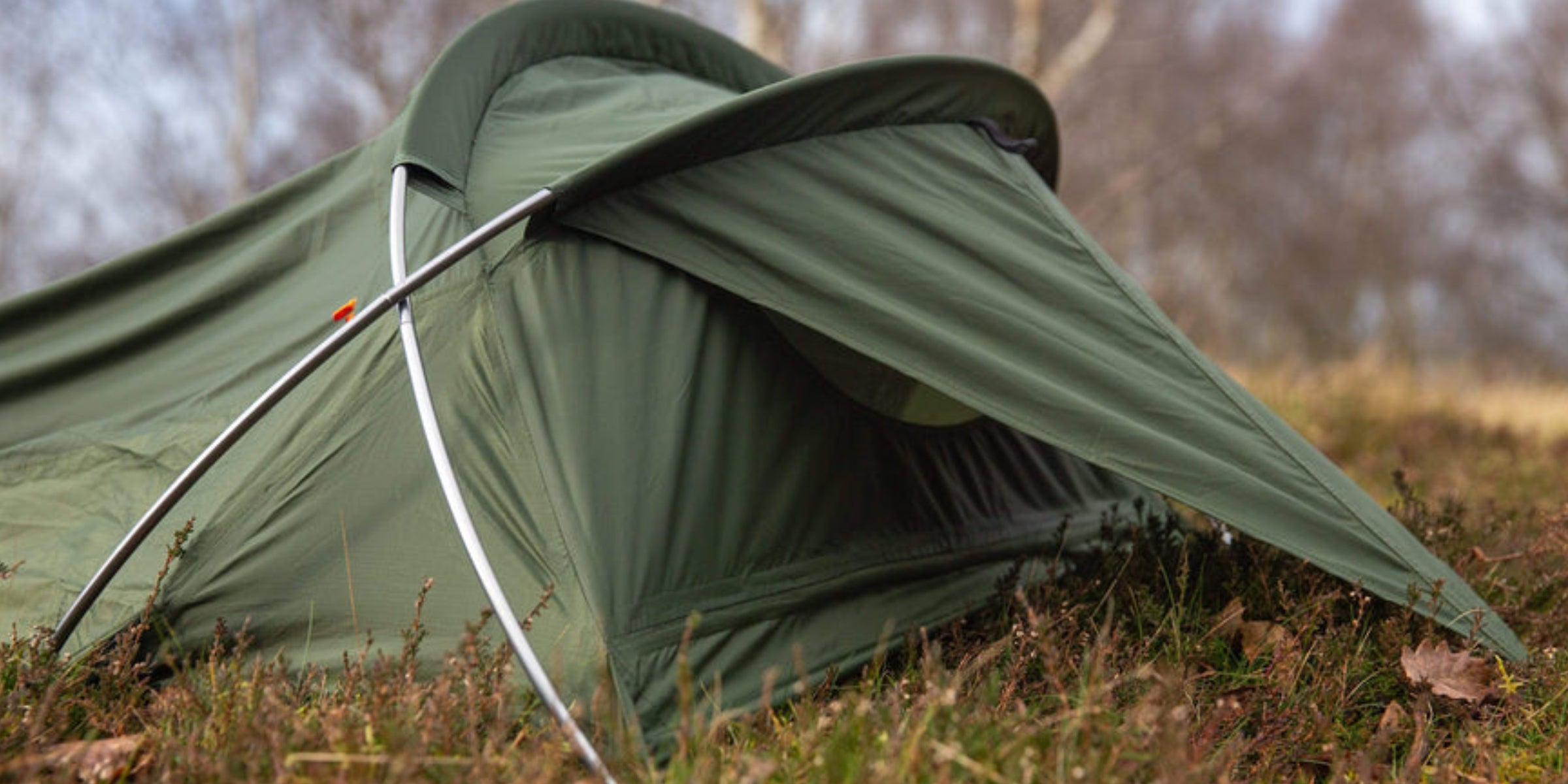
A bivy tent is a small, lightweight shelter for one person. It offers basic protection from wind, rain, and insects. Many hikers and campers use bivy tents to travel light and stay safe outdoors.
These tents are simple to carry and quick to set up. They fit inside a backpack easily. Bivy tents are great for people who want to camp without carrying heavy gear.
What Is A Bivy Tent?
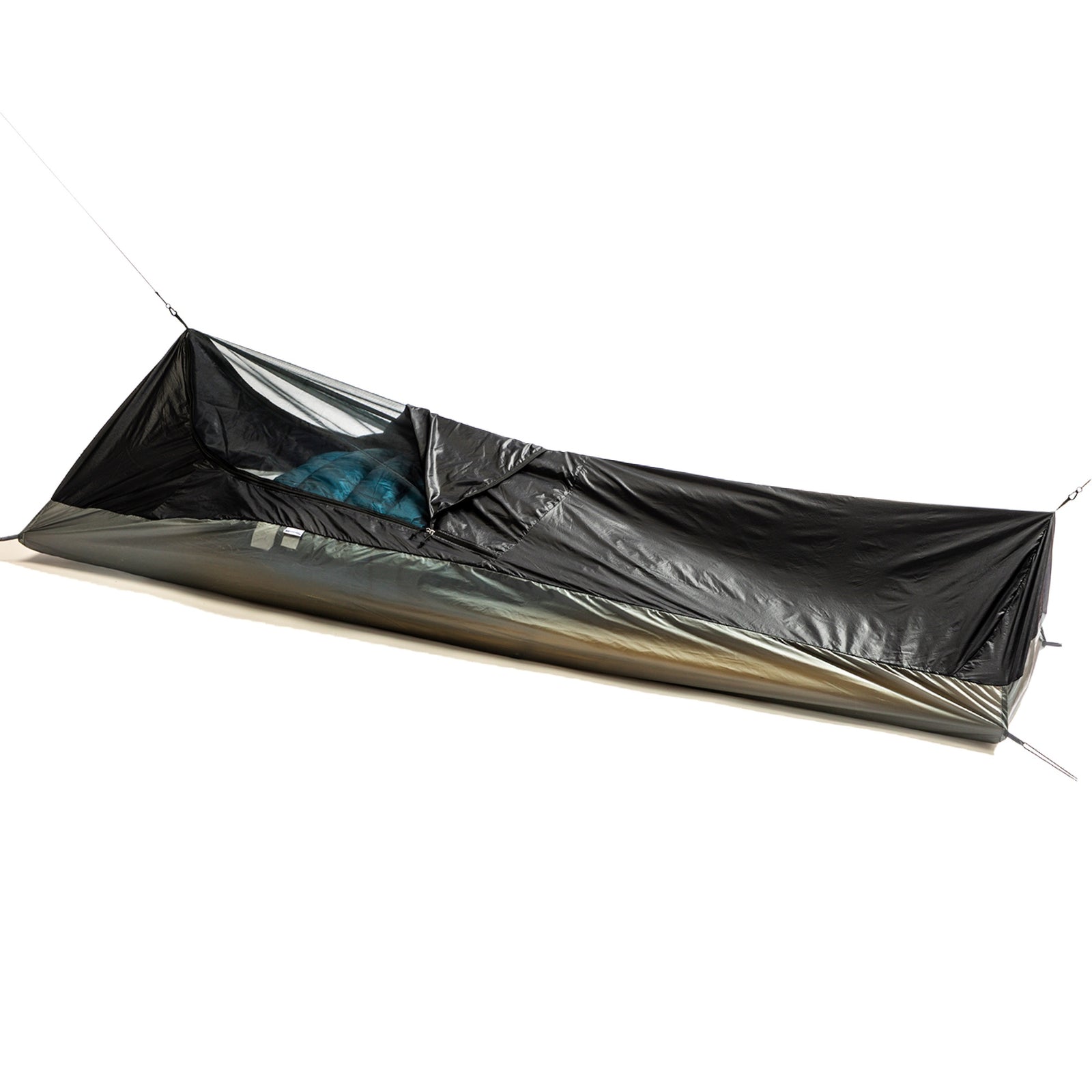
A bivy tent, or bivouac shelter, is a small, compact shelter. It covers just enough space for a sleeping bag and a person. The design is minimal to reduce weight and bulk.
- Usually made from waterproof and breathable fabric
- Shapes vary but often resemble a sack or a small tent
- Protects from rain, wind, snow, and insects
- Some models include mesh panels for ventilation
History And Evolution
Bivy tents began as simple covers for soldiers and mountaineers. Early models were heavy and basic. Over time, materials and designs improved to be lighter and stronger.
| Year | Development |
| Early 1900s | Simple canvas covers used by soldiers |
| 1950s | Lightweight fabrics introduced for hikers |
| 1990s | Waterproof breathable membranes added |
| Today | Ultra-light designs with advanced materials |
Common Uses
People use bivy tents in many outdoor activities. They are useful where space or weight matters. A bivy tent offers fast shelter for single campers.
- Backpacking and hiking trips
- Mountaineering and climbing expeditions
- Emergency shelter in survival kits
- Solo camping in remote areas
- Military and tactical operations
Types Of Bivy Tents
Bivy tents are simple shelters designed for solo campers. They are small and easy to carry.
There are different types of bivy tents. Each type suits different weather and camping needs.
Ultralight Models
Ultralight bivy tents are made with very light materials. They weigh less than traditional tents.
These models are perfect for backpackers who want to carry less weight. They offer basic protection from wind and rain.
3-season Vs 4-season
3-season bivy tents work well in spring, summer, and fall. They handle mild rain and wind.
4-season bivy tents are stronger. They protect against heavy snow and strong winds. These tents are built for winter camping.
| Season | Use Case | Weather Protection |
| 3-Season | Spring to Fall | Rain, Wind, Mild Cold |
| 4-Season | Winter | Snow, Strong Wind, Cold |
Integrated Vs Separate Rainfly
Integrated rainflies are built into the bivy tent. They save time and are easier to set up.
Separate rainflies come as a different piece. They offer more flexibility and better ventilation.
- Integrated rainfly: quick setup, less weight
- Separate rainfly: better airflow, more options
Key Features To Consider
A bivy tent is a small shelter used by campers and hikers. It offers basic protection from weather and insects.
Choosing the right bivy tent depends on a few important features. These features affect comfort and safety outdoors.
Material And Durability
Bivy tents are made from different fabrics. Look for materials that resist water and tears.
Durable materials ensure the tent lasts through rough weather and rugged use.
- Ripstop nylon is lightweight and tough
- Polyester resists UV damage
- Waterproof coatings keep you dry
- Reinforced seams add strength
Ventilation Options
Good ventilation helps prevent condensation inside the bivy. It keeps the air fresh and dry.
Look for tents with mesh panels or adjustable vents to control airflow.
- Mesh windows block bugs but allow air
- Zip vents can be opened or closed
- Double-layer designs improve airflow
Weight And Packability
Weight is very important for hikers carrying their gear. A lightweight bivy tent is easier to carry.
Check how small the tent packs. Compact tents save space in your backpack.
- Ultralight models weigh less than 2 pounds
- Smaller packed size fits in tight spaces
- Simple designs reduce weight
Benefits Of Using A Bivy Tent
A bivy tent is a small, lightweight shelter for outdoor use. It offers many advantages for hikers and campers.
This type of shelter is easy to carry and provides essential protection against weather. It fits well in many outdoor situations.
Compact Size Advantages
Bivy tents are very small and light. This makes them easy to pack and carry on long trips.
- Take up little space in your backpack
- Weigh less than traditional tents
- Set up quickly and easily
- Allow you to move faster on trails
Weather Protection
Bivy tents protect you from rain, wind, and cold. They cover your body and gear well.
| Weather Condition | Bivy Tent Benefit |
| Rain | Keeps you dry with waterproof fabric |
| Wind | Blocks strong winds with low profile |
| Cold | Traps warmth close to your body |
Stealth Camping
A bivy tent is perfect for stealth camping. Its small size helps you stay hidden in nature.
- Fits in small, secluded spots
- Makes less noise when setting up
- Reduces your visibility to others
Limitations Of Bivy Tents
Bivy tents are small shelters used by hikers and campers. They are easy to carry but have some limits.
This article explains the main problems with bivy tents. Knowing these helps you choose the right gear.
Space Constraints
Bivy tents have very little room inside. They fit one person and some gear but not much more.
The tight space can make it hard to move or store your belongings inside the tent.
- Limited headroom for sitting up
- Little space for backpacks or shoes
- Not suitable for more than one person
Comfort Levels
Bivy tents offer less comfort than larger tents. The small size can feel cramped and confining.
Condensation often builds up inside, making it damp and uncomfortable during the night.
- Minimal ventilation can cause moisture
- Harder to stay warm and dry
- Not ideal for long or cold trips
Setup Challenges
Setting up a bivy tent can be tricky in some conditions. They need a flat spot and careful arrangement.
Strong wind or rain can make setup difficult and reduce shelter effectiveness.
- Needs flat ground for proper use
- Hard to pitch in bad weather
- Less stable than larger tents

Credit: us.alpkit.com
Choosing The Right Bivy Tent
A bivy tent is a small, lightweight shelter designed for one person. It is perfect for minimalists and those who want to travel light. Choosing the right bivy tent depends on your specific needs and outdoor activities.
This guide will help you select a bivy tent by matching it to your activity, considering your budget, and exploring trusted brands.
Matching Tent To Activity
Your choice of bivy tent should fit the activity you plan to do. Different tents offer various features for comfort and protection.
- For backpacking, pick a lightweight and compact bivy tent.
- For mountain climbing, choose a tent with strong wind resistance.
- For camping in wet areas, look for waterproof and breathable fabrics.
- If you need quick setup, go for tents with simple designs.
Budget Considerations
Bivy tents come in a range of prices. Knowing your budget helps narrow down your choices.
| Price Range | Features | Ideal Use |
| Under $100 | Basic materials, fewer features | Casual camping, dry weather |
| $100 – $200 | Better fabrics, more durable | Regular hiking and camping |
| Above $200 | High-end materials, lightweight, weatherproof | Extreme conditions, serious adventurers |
Brand Recommendations
Choosing a reliable brand ensures quality and support. Some brands are known for making good bivy tents.
- OutdoorVibe – known for durable and affordable tents.
- TrailNest – specializes in lightweight and compact designs.
- SummitGear – offers high-end, weatherproof bivy tents.
- CampLite – provides good value for casual campers.
Tips For Using A Bivy Tent
A bivy tent is a small, lightweight shelter for outdoor use. It protects you from wind, rain, and bugs.
Using a bivy tent right can make your trip more comfortable and safe. Here are some helpful tips.
Best Setup Practices
Choose a flat, dry spot to set up your bivy tent. Avoid areas with sharp rocks or sticks.
Stretch the bivy tent tightly to keep it stable in wind. Use stakes or rocks to secure it well.
- Pick a spot with some natural wind protection
- Keep the opening facing away from wind and rain
- Clear the ground before placing your bivy tent
- Use a sleeping pad for comfort and insulation
Maintenance And Care
Clean your bivy tent after each use. Remove dirt, mud, and debris gently with water.
Dry your bivy tent completely before storing. This prevents mold and bad smells from forming.
- Check for tears or holes regularly
- Repair small damages quickly with patch kits
- Store in a cool, dry place away from sunlight
- Avoid harsh chemicals when cleaning
Packing Efficiently
Fold your bivy tent neatly to save space in your backpack. Keep it compact and dry.
Store your bivy tent in a waterproof bag to protect it from moisture during travel.
- Roll or fold tightly but avoid creasing fabric too much
- Place the bivy tent at the bottom or side of your pack
- Keep stakes and cords in a separate small bag
- Pack with other lightweight gear for balance
Credit: katabaticgear.com
Frequently Asked Questions
What Is A Bivy Tent Used For?
A bivy tent provides minimal shelter for solo campers and hikers. It protects against wind, rain, and insects. Its compact size makes it ideal for lightweight, quick camping trips. Bivy tents are perfect for backcountry adventures where space and weight matter.
How Does A Bivy Tent Differ From A Regular Tent?
A bivy tent is smaller and simpler than regular tents. It fits one person and gear, offering basic protection. Regular tents provide more space and features. Bivy tents prioritize portability and ease of setup, making them suitable for minimalist campers.
Are Bivy Tents Suitable For All Weather Conditions?
Bivy tents offer good protection against wind and rain. However, extreme cold or heavy snow may require sturdier shelters. Many bivy tents are made from waterproof and breathable materials. They work best in mild to moderate weather conditions.
Can You Comfortably Sleep In A Bivy Tent?
Yes, bivy tents provide just enough space for one person to sleep. They are snug but designed to keep you dry and warm. Comfort depends on the bivy’s size and your sleeping gear. Ideal for solo campers who prefer minimal shelter.
Conclusion
A bivy tent offers a small, light shelter for outdoor adventures. It keeps you dry and protected from wind and bugs. Easy to carry, it fits well in any backpack. Perfect for hikers who want to travel light and fast.
Choosing a bivy tent means simple camping with less weight. Great for short trips or emergency use. Try one to enjoy nature without heavy gear. Simple, sturdy, and quick to set up. A smart choice for solo campers and minimalists.