Have you ever wondered how your home stays warm and cozy during chilly days? The answer might lie in a boiler heating system.
But what exactly is a boiler heating system, and how does it work to keep your space comfortable? Understanding this simple yet powerful system can help you make smarter choices for your home’s warmth and energy use. Keep reading to discover everything you need to know about boiler heating systems and why they might be the perfect solution for your heating needs.
Boiler Heating System Basics
A boiler heating system is a way to heat your home or building. It uses water or steam to spread heat through pipes and radiators.
Boilers are common in many homes because they provide steady, comfortable heat. They work quietly and last a long time.
How Boilers Work
Boilers heat water using fuel like gas, oil, or electricity. The hot water or steam moves through pipes to warm rooms.
The heat leaves the water in radiators or underfloor pipes. Then, the cooled water returns to the boiler to be heated again.
Types Of Boilers
There are several types of boilers. Each type works a bit differently to heat water or steam.
- Combi Boilers: Heat water directly for heating and taps without a tank.
- System Boilers: Use a tank to store hot water for heating and taps.
- Conventional Boilers: Use a tank and cylinder, common in older homes.
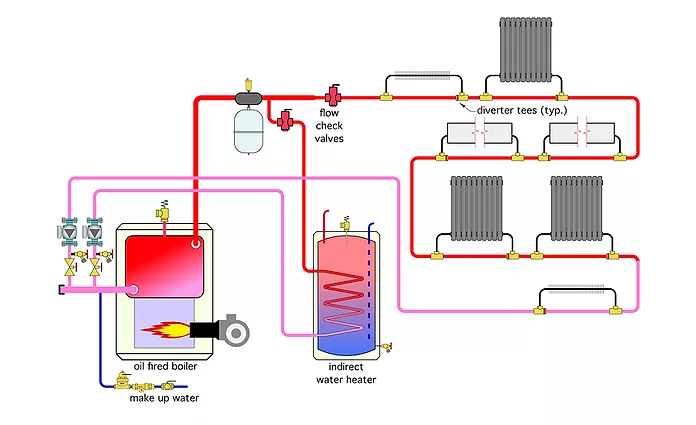
Key Components
Boilers have parts that work together to heat your home safely and efficiently.
- Burner: Burns fuel to create heat.
- Heat Exchanger: Transfers heat to the water.
- Pump: Moves hot water through pipes.
- Expansion Tank: Controls pressure as water heats up.
- Thermostat: Controls the temperature.
Credit: www.pmmag.com
Fuel Sources For Boilers
Boilers use different fuels to create heat. The fuel type affects the boiler’s cost and efficiency.
Choosing the right fuel source depends on availability, price, and environmental impact.
Natural Gas Boilers
Natural gas is a common fuel for boilers. It burns clean and is easy to control.
These boilers heat water quickly and produce fewer emissions than oil or coal.
Electric Boilers
Electric boilers use electricity to heat water. They do not burn fuel.
These boilers are quiet and have no emissions on site. They work well where gas is unavailable.
Oil-fired Boilers
Oil-fired boilers burn heating oil to create heat. They are common in areas without gas lines.
These boilers require storage tanks and regular maintenance to keep running well.
Alternative Fuels
Some boilers use alternative fuels like biomass, pellets, or propane. These fuels can be renewable or cleaner.
Alternative fuels reduce reliance on traditional fossil fuels and may lower emissions.
Hydronic Heating Explained
A boiler heating system uses hot water to warm your home. This system is called hydronic heating.
The boiler heats water, which moves through pipes to heat different areas. This way, rooms stay warm and comfortable.
Radiators And Baseboards
Radiators and baseboards are common ways to spread heat from the hot water. They transfer warmth directly into the room.
Radiators are metal units that heat the air around them. Baseboards are long, narrow heaters placed near the floor.
- Radiators often stand on walls or floors
- Baseboards run along the bottom of walls
- Both use hot water to give off heat
Underfloor Heating
Underfloor heating uses pipes under the floor to warm rooms. Hot water flows through these pipes to heat the floor surface.
This method gives even heat across the room. It keeps feet warm and can save space since no radiators are needed.
- Pipes lie under tiles or wood floors
- Heat rises gently from the floor up
- Works well for bathrooms and living rooms
Heat Distribution Methods
Heat moves through the house by circulating hot water in pipes. Pumps help push the water from the boiler to heaters.
Some systems use gravity to move hot water, but most use electric pumps. The water cools as it gives off heat, then returns to reheat.
- Pumps push hot water to radiators or floors
- Water cools and returns to the boiler
- Thermostats control water temperature
- Valves regulate water flow to rooms

Credit: gas-go.uk
Benefits Of Boiler Systems
Boiler heating systems provide warm air by heating water or steam. They move heat through pipes to radiators or underfloor heating.
These systems offer many benefits for homes and buildings. They are known for comfort and efficiency.
Energy Efficiency
Boiler systems use fuel very efficiently. They convert most of the fuel into heat, wasting less energy.
- Use less fuel compared to some other heating methods
- Help lower energy bills
- Can work well with renewable energy sources like solar thermal
- Reduce carbon emissions due to efficient fuel use
Consistent Heat
Boilers provide steady and even heat throughout a building. The warmth spreads gently from radiators or floors.
| Heating Method | Heat Distribution |
| Boiler System | Even and steady |
| Forced Air System | Quick but uneven |
| Electric Heater | Localized heat |
Longevity And Durability
Boilers are built to last for many years. They need less repair and replacement than some other heating types.
Key points on boiler durability:
- Strong metal parts resist wear and tear
- Regular maintenance can extend lifespan beyond 15 years
- High-quality boilers often come with long warranties
Common Boiler Problems
Boiler heating systems sometimes face issues that stop them from working well. Knowing these problems helps you fix them fast.
Here are some common boiler problems you might see in your home or office.
Leaks And Pressure Issues
Leaks and pressure problems are common in boilers. They can cause water damage or stop the boiler from heating properly.
- Low pressure can make the boiler shut down.
- Leaks often come from damaged pipes or valves.
- Too high pressure might trigger safety valves to open.
- Regular checks can spot leaks early.
Ignition Failures
The boiler needs to light the burner to create heat. Ignition failure means the burner does not start.
| Possible Cause | Effect |
| Faulty ignition electrode | Burner will not light |
| Gas supply problem | No fuel for heating |
| Blocked burner | Poor ignition or no ignition |
| Thermostat error | Ignition stops or never starts |
Noisy Operation
Boilers sometimes make strange noises. This can signal a problem inside the system.
Common causes of noisy boilers include:
- Air trapped in the system causes banging sounds.
- Loose parts create rattling noises.
- Scale buildup leads to popping sounds.
- Water pressure that is too high or too low.
Maintenance Tips
Keeping your boiler heating system well maintained helps it work safely and last longer. Regular care can prevent costly repairs and keep your home warm.
Follow these simple maintenance tips to ensure your boiler runs efficiently all year round.
Regular Inspections
Check your boiler regularly for any signs of wear or leaks. Look for unusual noises or smells. Inspect pipes and valves to spot corrosion or damage early.
Cleaning And Flushing
Cleaning the boiler and flushing the system removes dirt and sludge. This improves water flow and heat transfer. It helps your boiler work more efficiently.
- Turn off the boiler and let it cool before cleaning.
- Drain the system to remove old water and debris.
- Use a flushing chemical to clean pipes and radiators.
- Refill with fresh water and check for leaks.
- Repeat flushing every one to two years.
Professional Servicing
Hire a certified technician to service your boiler yearly. They test safety controls, check gas pressure, and clean internal parts. Professional servicing keeps your system safe and efficient.
| Service Task | Purpose |
|---|---|
| Safety Check | Ensures no gas leaks or carbon monoxide risk |
| Pressure Testing | Keeps water pressure at safe levels |
| Cleaning Burners | Improves fuel efficiency and reduces soot |
| Inspecting Valves | Prevents leaks and system failures |
Choosing The Right Boiler
Choosing the right boiler heating system is important for comfort and savings. The right boiler fits your home’s size and heating needs. It works efficiently and fits your budget.
This guide covers key points to help you pick the best boiler. You will learn about sizing, efficiency, and costs.
Sizing Considerations
Choosing the right size boiler is very important. A boiler that is too small will not heat well. One that is too large wastes energy and money.
- Measure your home’s square footage
- Check the number of rooms and insulation quality
- Consider the climate where you live
- Estimate the heat loss of your house
- Consult a heating professional for accurate sizing
Efficiency Ratings
Efficiency ratings show how well a boiler uses fuel. Higher efficiency means lower fuel bills and less waste. Look for the Annual Fuel Utilization Efficiency (AFUE) rating.
| Efficiency Rating (AFUE) | Description | Fuel Use |
| 80% – 85% | Standard efficiency | Uses more fuel |
| 86% – 90% | High efficiency | Uses less fuel |
| 91% – 98% | Condensing boiler | Most fuel efficient |
Budget And Cost Factors
Boiler prices vary based on size, type, and efficiency. You must balance upfront costs with long-term savings. Installation costs also affect the total price.
- Initial purchase price of the boiler
- Installation and labor charges
- Fuel type and availability
- Maintenance and repair costs
- Energy savings over time
Boiler System Upgrades
Upgrading your boiler heating system can improve comfort and save energy. New technology helps your system work smarter and use less fuel.
This guide covers key upgrade options like smart controls, energy-saving add-ons, and ways to use renewable energy.
Smart Controls
Smart controls let you manage your heating system easily and precisely. They adjust settings based on your schedule and weather.
- Remote control with smartphone apps
- Learning thermostats that adapt to your habits
- Zone control for heating specific rooms
- Automatic temperature adjustments
Energy-saving Add-ons
Adding energy-saving devices helps your boiler use fuel more efficiently. These upgrades reduce waste and lower bills.
| Add-on | Function | Benefit |
| Condensing heat exchangers | Recycle heat from exhaust gases | Increase efficiency up to 15% |
| Smart thermostatic radiator valves | Control heat in each room | Prevent overheating and save energy |
| Weather compensation controls | Adjust output based on outside temperature | Keep indoor heat steady and efficient |
Integrating Renewable Energy
Renewable energy sources can work with your boiler for cleaner heating. This lowers fossil fuel use and pollution.
Common renewable options include:
- Solar thermal panels to preheat water
- Biomass boilers using wood pellets
- Heat pumps that extract heat from air or ground

Credit: beckelectriccompany.com
Frequently Asked Questions
What Is A Boiler Heating System?
A boiler heating system heats water and distributes steam or hot water through pipes. It warms your home efficiently and evenly.
How Does A Boiler Heating System Work?
It heats water using fuel or electricity. The hot water or steam circulates through pipes to radiators, providing warmth.
What Are The Benefits Of Boiler Heating Systems?
They offer consistent heat, energy efficiency, and quieter operation. Boilers also provide better humidity control compared to forced air systems.
What Types Of Boilers Are Commonly Used?
Common types include gas, electric, oil, and propane boilers. Each varies in fuel source, efficiency, and installation cost.
Conclusion
A boiler heating system warms your home by heating water. It sends hot water or steam through pipes to radiators or floors. This system works quietly and keeps rooms cozy. It also uses less energy compared to some heaters. Regular care helps it run well and last longer.
Knowing how it works can help you choose the right heating for your home. Boilers provide steady warmth, making cold days comfortable and safe. Simple, reliable, and efficient—boilers remain a popular heating choice.