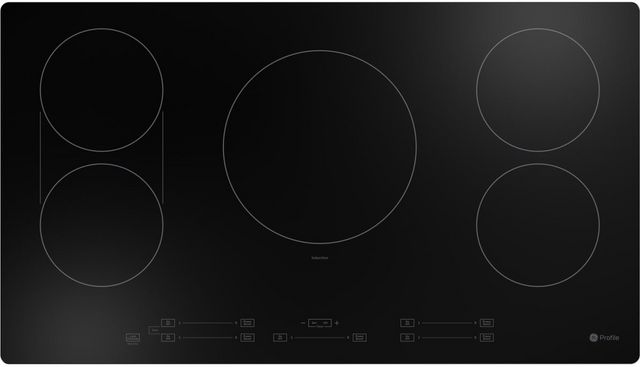
Picture this: You’re in your kitchen, ready to whip up a culinary masterpiece. You’ve got multiple pots and pans going, but wait, you need more space on your cooktop!
Ever been there? If so, you’re going to love the bridge element on a cooktop. This clever feature can transform the way you cook, offering more flexibility and convenience. But what exactly is a bridge element, and how can it enhance your cooking experience?
We’ll explore everything you need to know about this innovative feature. So, if you’re curious about how to make your cooking more efficient and enjoyable, keep reading—you won’t want to miss this!
Bridge Element Basics
Understanding the basics of a bridge element on your cooktop can change how you approach cooking large or oddly shaped pots. This feature offers flexibility that traditional burners simply can’t match. Knowing how it works and the types available can help you get the most out of your cooking experience.
What Is A Bridge Element
A bridge element is a special type of cooktop burner designed to connect two heating zones into one larger surface. This allows you to heat bigger cookware evenly, such as griddles or double frying pans. It essentially bridges the gap between two separate burners, creating a continuous cooking area.
How It Works
The bridge element activates when you place a wide pan or griddle that covers both zones. Instead of heating each burner separately, the cooktop combines their power and controls them as a single unit. This means your cookware receives uniform heat, preventing hot spots and undercooked areas.
Have you ever struggled with one side of a pan being hotter than the other? The bridge element eliminates that problem by syncing the heat output. It’s like having a tailor-made burner that adjusts to your cooking needs.
Types Of Bridge Elements
- Induction Bridge Elements:These use electromagnetic fields to heat the cookware directly, offering quick and precise temperature control. They’re energy-efficient and cool down faster than traditional elements.
- Electric Coil Bridge Elements:Found mostly in older or budget cooktops, these connect two coil burners to form a larger heating surface. They’re less precise but still useful for bigger pans.
- Radiant Bridge Elements:These elements heat a smooth glass-ceramic surface and can link two zones into one. They provide even heat distribution and a sleek look.
Choosing the right type depends on your cooktop model and cooking habits. Which one would fit your kitchen style and cooking routine better?

Credit: www.woodcocks.us
Benefits Of Bridge Elements
Bridge elements on a cooktop bring several practical benefits that can transform your cooking experience. They offer more than just an extra burner—they change the way you use your cooktop, giving you greater control and convenience. Understanding these benefits can help you decide if a cooktop with a bridge element is right for your kitchen.
Enhanced Cooking Flexibility
Bridge elements let you connect two burners into one larger cooking zone. This means you can easily switch between cooking small meals and large dishes without hassle.
Ever tried using two separate burners for a big griddle? It’s tricky to keep heat even and manage space. Bridge elements solve this by treating both burners as a single unit.
With this flexibility, you’re free to experiment with different cookware sizes and cooking styles. It’s like having a custom fit for your pots and pans every time.
Even Heat Distribution
One common problem with larger pans is uneven heating. Parts of the pan get hotter than others, causing food to cook unevenly.
Bridge elements provide consistent heat across the entire surface, preventing hot spots. This means your sauces won’t burn on one side while staying cold on the other.
Have you noticed how a perfectly simmered stew tastes better? That even heat distribution is a key reason, and bridge elements help you achieve that easily.
Accommodating Larger Cookware
Do you own oversized pots or griddles that don’t fit well on traditional burners? Bridge elements are designed to handle these larger items comfortably.
They create a wider cooking space, so your big pans sit securely without wobbling or spilling. This can make cooking big family meals or entertaining guests much easier.
Imagine cooking a whole breakfast on one large griddle without juggling multiple burners—bridge elements make that possible and practical.
Comparing Bridge Elements To Traditional Burners
Comparing bridge elements to traditional burners reveals clear differences that can impact your cooking experience. Bridge elements combine two burners into one large surface, while traditional burners operate individually. Understanding these distinctions helps you decide which setup fits your kitchen habits and energy goals.
Efficiency Differences
Bridge elements provide greater flexibility by allowing you to use a single large cooking zone or two smaller zones. This adaptability means you can cook with pans of various sizes without wasting heat. Traditional burners are fixed in size, so using a small pan on a large burner or vice versa often leads to energy loss.
Have you ever struggled with a pan that didn’t quite match your burner size? Bridge elements solve this by adjusting to your cookware, making your cooking more efficient and less frustrating.
Cooking Performance
With bridge elements, you get consistent heat across larger cookware, which is perfect for griddles or big pots. This uniform heat distribution reduces hotspots and improves cooking results. Traditional burners heat only the area beneath the burner, which can cause uneven cooking with wider pans.
Imagine making pancakes on a griddle; a bridge element ensures every pancake cooks evenly. Traditional burners might leave some areas undercooked or burnt, requiring you to shuffle the pan around.
Energy Consumption
Bridge elements can be more energy-efficient when used properly because they reduce the need to use multiple burners for large cookware. They focus heat directly where it’s needed, minimizing wasted energy. Traditional burners often require you to turn on multiple burners for bigger pots, increasing overall energy use.
Think about your last big family meal—did you have to juggle several burners to cook everything? A bridge element could cut down on that energy use by heating just one large zone effectively.
Using Bridge Elements Effectively
Using bridge elements effectively can transform how you cook on your cooktop. These elements let you connect two burners into one large heating surface, perfect for wider pans or griddles. To get the most out of this feature, you need the right cookware and some handy tips for cooking and maintenance.
Best Cookware Choices
Choose flat-bottomed cookware that matches the size of the combined burners. Cast iron skillets and stainless steel griddles work exceptionally well because they distribute heat evenly across the larger surface. Avoid warped or rounded pans; they won’t sit properly and can cause uneven cooking.
Have you noticed how some pans heat only in spots while others cook evenly? That’s often the cookware shape clashing with the bridge element. Opting for cookware designed for induction or flat stovetops makes a noticeable difference.
Tips For Optimal Cooking
- Preheat the entire bridge area to ensure uniform cooking.
- Use the bridge element for large meals that require wide pans, like pancakes or a big stir-fry.
- Adjust heat gradually since the combined surface heats faster than single burners.
- Keep an eye on your food as cooking times can differ slightly when using the bridge.
I once tried cooking a big omelet using the bridge element with a thin pan and found it cooked unevenly. Switching to a thicker, flatter pan solved the problem instantly. Have you experienced uneven heating before? Your choice of pan and heat control could be why.
Cleaning And Maintenance
Cleaning a bridge element is similar to cleaning a regular cooktop but requires extra care around the joined area. Use a soft cloth and gentle cleaner to avoid scratching the surface. Avoid heavy scrubbing that can damage the delicate sensors beneath.
Regularly check for food spills between the burners as buildup can affect performance. Have you ever noticed your cooktop’s response slowing down? A quick clean might restore its full power.
Popular Cooktops With Bridge Elements
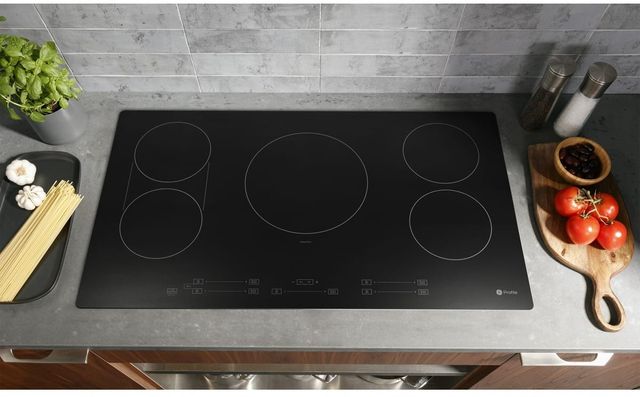
Bridge elements on cooktops allow you to join two burners into one large cooking zone. This feature is popular for cooking with griddles or large pots. Many top cooktop models include this option to provide flexibility and convenience.
Cooktops with bridge elements suit different cooking styles and kitchen needs. They offer more surface area and even heat distribution. Choosing the right model means understanding the brands and features available.
Top Brands
- GE: Known for reliable and affordable cooktops with bridge elements.
- Bosch: Offers sleek designs with advanced heating technology.
- Samsung: Features smart controls and easy-to-clean surfaces.
- KitchenAid: Popular for professional-style cooktops with strong performance.
- Whirlpool: Combines user-friendly functions with solid build quality.
Model Features To Look For
- Size of the bridge element to fit large cookware.
- Heat control options for precise temperature settings.
- Easy-to-use touch controls or knobs.
- Safety features like automatic shut-off.
- Surface material for easy cleaning and durability.
- Power levels and quick heating capabilities.

Credit: www.athensrefrigeration.com
Credit: www.reckerandboergerhomeappliance.com
Frequently Asked Questions
What Is A Bridge Element On A Cooktop?
A bridge element is a cooktop feature that links two burners. It creates a larger heating area for wide or multiple cookware. This allows even heat distribution and flexibility when cooking with griddles or large pots.
How Does A Bridge Element Improve Cooking?
It offers a continuous heating surface, ideal for large pans and griddles. This eliminates hot spots and ensures consistent cooking. It also allows seamless temperature control across the connected burners.
Which Cooktops Have Bridge Elements?
Bridge elements are common in modern electric and induction cooktops. High-end and professional models often feature this for better versatility. Always check product specs to confirm if a cooktop includes a bridge element.
Can I Use Any Cookware On A Bridge Element?
Most flat-bottomed cookware works well on bridge elements. Cast iron, stainless steel, and griddles are ideal. Avoid warped or uneven pots, as they may not heat evenly across the element.
Conclusion
A bridge element on a cooktop joins two burners into one large surface. It helps cook big pots or pans evenly. This feature adds convenience and flexibility in the kitchen. Many users find it useful for preparing meals faster. Understanding how it works can improve your cooking experience.
Consider this feature when choosing a new cooktop. It makes handling large cookware easier. A simple tool with clear benefits.