Have you ever wondered what the numbers on your air conditioner really mean? If you’ve seen “BTU” on your unit or in product descriptions, you might be curious about what it stands for and why it matters for your home comfort.
Understanding BTU can help you choose the right air conditioner that cools your space efficiently without wasting energy or money. You’ll discover exactly what a BTU is, how it affects your air conditioner’s performance, and why it’s important for keeping your home cool and comfortable.
Keep reading to make smarter cooling choices that work for you.
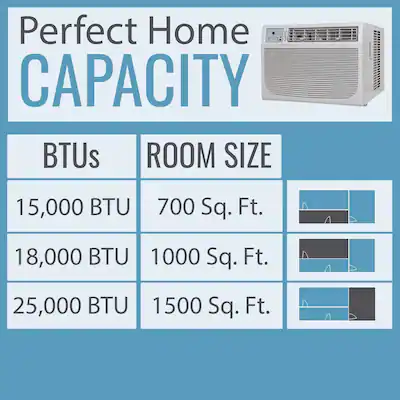
Credit: www.bestbuy.com
Btu Basics
BTU is a key term used with air conditioners. It helps measure how much cooling power a unit has.
Knowing about BTU can help you pick the right air conditioner for your space.
Btu Defined
BTU stands for British Thermal Unit. It is a measure of heat energy.
One BTU is the amount of heat needed to raise one pound of water by one degree Fahrenheit.
Btu And Cooling Power
Air conditioners use BTU to show their cooling power. The higher the BTU, the more cooling it can provide.
Choosing the right BTU size helps cool a room well without wasting energy.
- Small rooms need fewer BTUs
- Larger rooms need more BTUs
- Too low BTU means poor cooling
- Too high BTU wastes energy and money
How Btu Impacts Efficiency
BTU size affects how efficiently an air conditioner works. Correct BTU means less energy use.
Using the right BTU helps keep your electricity bill lower and your room comfortable.
- Proper BTU size improves cooling speed
- Right BTU reduces on and off cycling
- Efficient BTU size saves energy
- Improper BTU size increases wear and tear
Choosing The Right Btu
BTU stands for British Thermal Unit. It measures how much heat an air conditioner can remove from a room. Choosing the right BTU is essential for efficient cooling.
If the BTU rating is too low, the air conditioner won’t cool the room well. If it’s too high, it will waste energy. Let’s look at how to choose the right BTU for your needs.
Room Size And Btu Needs
The size of the room affects how many BTUs you need. Larger rooms need more BTUs to cool effectively.
- Small rooms (100-200 sq ft): 5,000-6,000 BTUs
- Medium rooms (200-400 sq ft): 7,000-9,000 BTUs
- Large rooms (400-600 sq ft): 10,000-12,000 BTUs
Factors Affecting Btu Requirements
Several factors can change how many BTUs you need. These include the number of windows, ceiling height, and amount of sunlight.
- More windows mean more BTUs are needed
- Tall ceilings require more cooling power
- Sunlit rooms may need more BTUs
Common Btu Ratings For Ac Units
Air conditioners come in various BTU ratings. Here are some common BTU ratings for different types of AC units.
- Window units: 5,000-18,000 BTUs
- Portable units: 8,000-14,000 BTUs
- Split systems: 9,000-36,000 BTUs
Btu And Energy Consumption
BTU stands for British Thermal Unit. It measures how much heat an air conditioner can remove from a room. This number helps you choose the right size air conditioner for your space.
Understanding BTU also helps you know how much energy the air conditioner uses. This affects your electricity bill and the environment.
Btu Vs. Power Usage
A higher BTU rating means the air conditioner cools a bigger area. But it also uses more electricity. The power usage is measured in watts or kilowatts.
| BTU Rating | Approximate Room Size | Power Usage (Watts) |
| 5,000 BTU | Up to 150 sq ft | 500 W |
| 8,000 BTU | 150-350 sq ft | 800 W |
| 12,000 BTU | 350-550 sq ft | 1,200 W |
| 18,000 BTU | 550-1,000 sq ft | 1,500 W |
Energy Efficiency Ratings
Energy efficiency ratings show how well an air conditioner uses electricity. The most common rating is SEER, Seasonal Energy Efficiency Ratio.
A higher SEER number means better efficiency. This means the unit uses less energy to cool the same space.
- Look for air conditioners with a SEER rating above 13
- Check the Energy Star label for certified models
- Choose units with inverter technology for better savings
Tips To Save Energy
Saving energy lowers your bills and helps the planet. Small changes make a big difference in air conditioner use.
- Set the thermostat to 78°F (26°C) when home
- Use fans to help circulate cool air
- Keep doors and windows closed while cooling
- Clean or replace air filters monthly
- Shade your air conditioner from direct sunlight

Credit: minisplitsystemsdirect.com
Btu In Different Ac Types
BTU stands for British Thermal Unit. It measures how much heat an air conditioner can remove from a room.
Different types of air conditioners have different BTU ratings. The right BTU helps cool a space efficiently.
Window Units
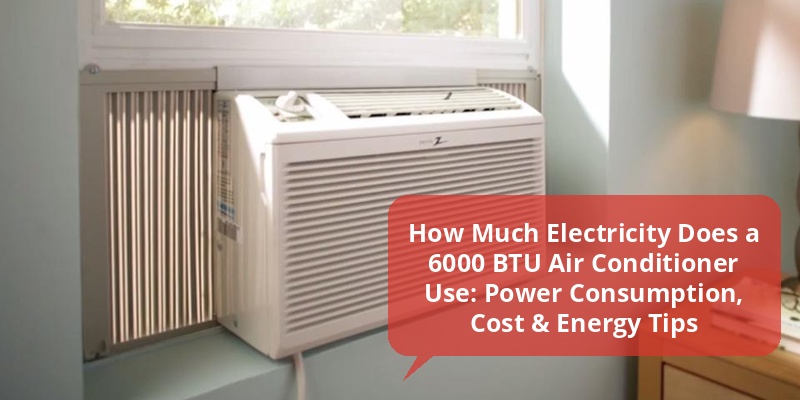
Window air conditioners usually have BTU ratings between 5,000 and 12,000. Smaller units cool small rooms. Larger units cool bigger rooms.
Choosing the right BTU for a window unit depends on the room size and sun exposure.
- 5,000 BTU cools up to 150 square feet
- 8,000 BTU cools up to 350 square feet
- 12,000 BTU cools up to 550 square feet
Split Systems
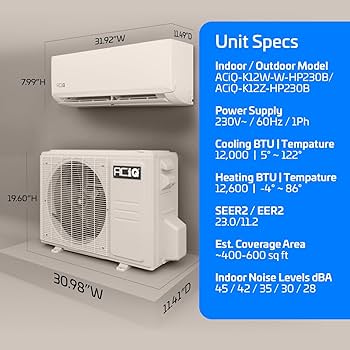
Split system air conditioners have separate indoor and outdoor units. Their BTU ratings range from 9,000 to 36,000 or more.
These systems are good for cooling larger spaces or multiple rooms. Higher BTU means more cooling power.
- 9,000 BTU cools about 400 square feet
- 18,000 BTU cools about 1,000 square feet
- 36,000 BTU cools about 2,000 square feet
Portable Acs
Portable air conditioners usually have lower BTU ratings, between 8,000 and 14,000. They cool small to medium rooms.
These units are easy to move but less powerful than split systems. Check the BTU to match your room size.
- 8,000 BTU cools up to 250 square feet
- 10,000 BTU cools up to 350 square feet
- 14,000 BTU cools up to 500 square feet
Btu And Climate Considerations
BTU stands for British Thermal Unit. It measures the energy needed to cool a space. Knowing the right BTU size helps keep your home comfortable.
Climate affects the BTU size you need. Different climates require different cooling power. This guide explains how to choose based on your climate.
Hot And Humid Areas
In hot and humid places, air conditioners need more BTUs. High humidity makes it harder to cool the air. You should pick a unit with extra power.
- Choose a higher BTU unit to remove moisture and heat.
- Look for air conditioners with built-in dehumidifiers.
- Regular maintenance helps the unit run efficiently in tough climates.
Dry And Mild Climates
Dry and mild climates need less cooling power. The air has less moisture, so cooling is easier. You can select a lower BTU unit for these areas.
| Climate Type | BTU Recommendation | Reason |
|---|---|---|
| Hot and Humid | Higher BTU | More heat and moisture to remove |
| Dry and Mild | Lower BTU | Less heat and moisture |
Common Btu Misconceptions
BTU stands for British Thermal Unit. It measures the cooling power of an air conditioner.
People often misunderstand how BTUs affect cooling performance. This can lead to poor choices.
Bigger Btu Means Better Cooling?
Many think a higher BTU rating means better cooling. But too many BTUs can cause problems.
- Too large a unit cools the room too fast.
- It may not remove enough humidity, making the room feel clammy.
- Short cycling wastes energy and wears out the air conditioner faster.
- Higher BTUs use more electricity than needed.
Ignoring Insulation Impact
Good insulation affects how well your air conditioner works. Ignoring it causes confusion about BTU needs.
| Insulation Quality | Effect on Cooling |
| Good | Less BTU needed, better energy use |
| Poor | More BTU needed, higher costs |
Credit: northnjhvac.com
Frequently Asked Questions
What Does Btu Mean In An Air Conditioner?
Btu stands for British Thermal Unit. It measures the cooling capacity of an air conditioner. Higher Btu means more cooling power.
How Many Btus Do I Need For My Room?
To find the right Btu, consider your room size. Larger rooms need higher Btu units for efficient cooling.
Why Is Btu Important For Air Conditioner Efficiency?
Btu impacts energy use and cooling speed. Using the correct Btu keeps your room comfortable and lowers energy bills.
Can A Low Btu Ac Cool A Large Room?
No, a low Btu AC struggles to cool large spaces. It may run longer and waste energy.
Conclusion
A Btu measures the cooling power of an air conditioner. It helps you choose the right size for your room. Too small, and the room stays hot. Too big, and you waste energy. Knowing Btu makes buying easier and smarter.
Keep this in mind when shopping for a unit. It saves money and keeps you comfortable all year. Simple but important.