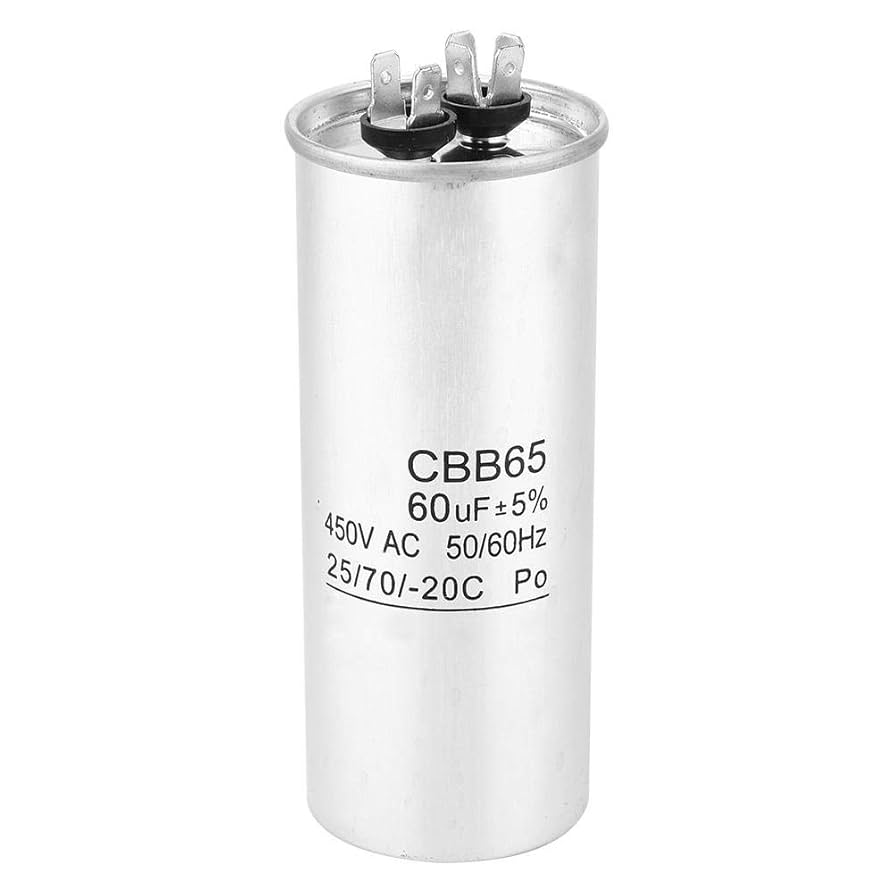
Have you ever wondered what keeps your air conditioner running smoothly, especially on those hottest days? One small but powerful part inside your AC unit plays a huge role in making sure your home stays cool and comfortable.
This part is called a capacitor. Understanding what a capacitor does can help you spot problems early and save money on repairs. If you want to learn how this tiny component affects your air conditioner’s performance and why it’s so important, keep reading.
You’ll discover simple explanations that make a big difference for your cooling system.
Role Of A Capacitor In Ac
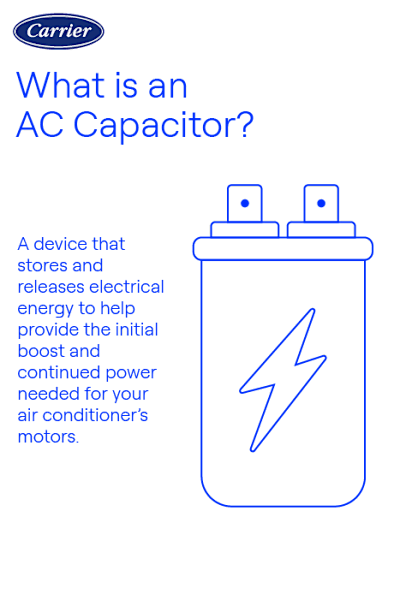
A capacitor in an air conditioner helps start and run the motor. It stores electrical energy and releases it quickly to give a boost. This boost makes the motor run smoothly and efficiently.
There are two main types of capacitors used in AC units:
- Start Capacitors:Provide extra power to start the motor.
- Run Capacitors:Help the motor run steadily after starting.
Capacitors support important AC parts like the compressor and fan motor. They keep these parts working by maintaining steady electrical flow. Without capacitors, the motor can struggle or fail to start.
Credit: www.carrier.com
Signs Of A Failing Capacitor
Common symptomsof a failing capacitor include a humming noise from the AC unit and the fan not starting properly. The air conditioner may cycle on and off frequently or fail to cool the room effectively. Sometimes, the unit takes longer to start or does not start at all. A bulging or leaking capacitor is also a clear sign of failure.
Impact on AC performancecan be severe. A bad capacitor reduces the motor’s power, causing poor cooling and higher energy use. The AC may overheat and shut down to protect itself. This leads to increased repair costsand shorter system life.
Safety risksinclude electrical shorts or fires. A damaged capacitor can cause sparks or even explode in rare cases. It is important to replace the capacitor quickly to avoid hazards. Always have a professional check and fix the unit for safety.
Testing An Ac Capacitor
Testing an AC capacitor needs a few simple tools. You will need a multimeterwith capacitance testing ability, screwdrivers, and insulated glovesfor safety. Make sure the power to the air conditioner is offbefore starting.
Start by discharging the capacitorusing a screwdriver with an insulated handle. Then, remove the capacitor from the unit carefully. Set the multimeter to capacitance modeand connect the leads to the capacitor terminals. The meter will show the current capacitance value.
| Test Result | Meaning |
|---|---|
| Reading matches capacitor rating | Capacitor is good and working properly |
| Reading is much lower or zero | Capacitor is damagedand needs replacement |
| Reading is higher than rating | Capacitor may be faulty, consider replacing |
Credit: www.walmart.ca
Replacing A Capacitor
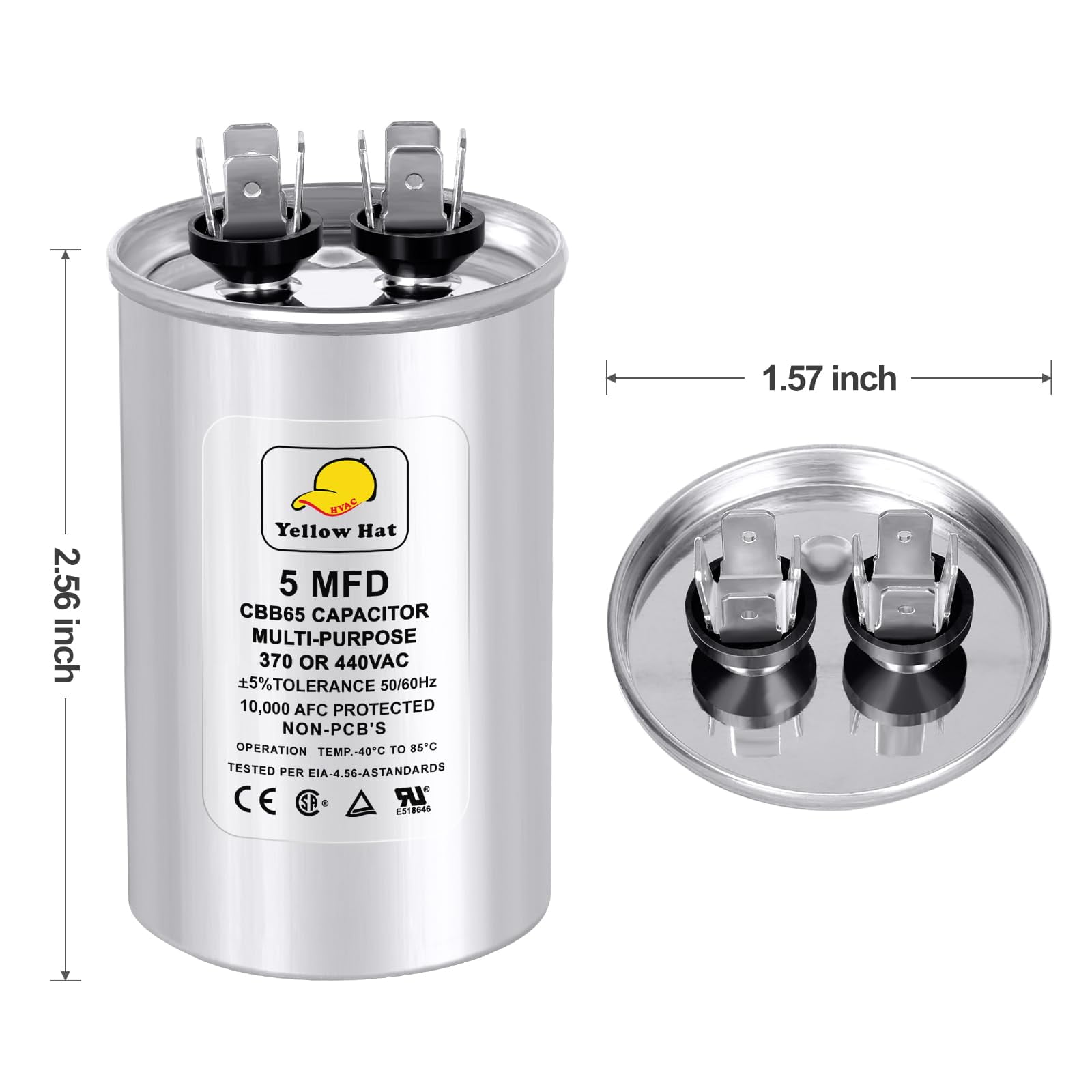
Choosing the right capacitoris key to a successful replacement. Check the microfarad (µF) ratingon the old capacitor. Match this value exactly to avoid damage. Also, confirm the voltage ratingmeets or exceeds the original. Selecting a capacitor with the correct ratings ensures the air conditioner runs smoothly.
Safety is very important. Always turn off powerto the air conditioner before working on it. Use insulated toolsto avoid shocks. Discharge the capacitor properly by connecting a resistor across its terminals. Wear safety goggles and glovesfor protection.
- Mount the new capacitor securely in the original spot.
- Connect wires to the matching terminals only.
- Double-check connections before restoring power.
- Do not force terminals or wires.
- Test the air conditioner after installation for proper operation.
Maintenance Tips For Capacitors
Regular inspectionhelps find capacitor problems early. Check for bulges, leaks, or rust on the capacitor body. Listen for strange sounds from the air conditioner, as they may signal capacitor failure. Use a multimeter to test capacitor voltage and capacitance safely. Turn off power before testing to avoid shocks.
Preventive measuresinclude keeping the area around the capacitor clean and dry. Avoid moisture and dirt buildup, which can cause shorts or corrosion. Make sure the capacitor is mounted securely to reduce vibration damage. Replace the capacitor if it shows signs of wear or damage.
Extending capacitor lifespaninvolves maintaining stable power supply and avoiding power surges. Use surge protectors to protect the capacitor from voltage spikes. Keep the air conditioner filters clean to reduce strain on the system. Regular servicing by a technician can catch issues early and prolong capacitor life.
Common Myths About Ac Capacitors
Many people think a capacitor just stores electricity. It actually helps start and run the AC motor. Some believe all capacitors are the same size and shape. Capacitors come in different sizes depending on the AC model.
Another myth is that a bad capacitor always makes loud noises. Sometimes it fails silently, causing poor AC performance. Some assume replacing a capacitor fixes all AC problems. It only helps if the capacitor is the real issue.
| Misconceptions | Clarifying Facts |
|---|---|
| Capacitors only store electricity. | They help start and keep the motor running. |
| All capacitors look the same. | Sizes vary by air conditioner model. |
| A bad capacitor always makes noise. | Some fail without any noise. |
| Replacing capacitor fixes all issues. | It helps only if capacitor is faulty. |

Credit: www.amazon.ca
Frequently Asked Questions
What Does A Capacitor Do In An Air Conditioner?
A capacitor stores electrical energy to start the air conditioner’s motor. It provides the necessary initial jolt of power. This helps the motor run efficiently and smoothly. Without a functional capacitor, the air conditioner may not start or may operate inefficiently.
How Do I Know If My Ac Capacitor Is Bad?
Signs of a bad AC capacitor include humming noises, frequent shutdowns, or the unit not starting. You might also notice diminished cooling performance. If the air conditioner struggles to start or stay on, the capacitor could be the issue. A professional should inspect it for a definitive diagnosis.
Can An Air Conditioner Run Without A Capacitor?
An air conditioner cannot run without a capacitor. The capacitor provides the initial power surge to start the motor. Without it, the motor won’t start, leading to the unit not functioning. This can result in the air conditioner being completely inoperative until the capacitor is replaced.
How Often Should Ac Capacitors Be Replaced?
AC capacitors should be replaced every 5 to 10 years. Their lifespan depends on usage and environmental conditions. Regular maintenance can help identify when a replacement is needed. A professional inspection every few years can ensure your AC runs efficiently and prolongs its lifespan.
Conclusion
A capacitor helps your air conditioner start and run smoothly. It stores and releases electrical energy quickly. Without it, the AC may not cool properly or might stop working. Checking the capacitor can save you from costly repairs. Simple maintenance keeps your air conditioner efficient and lasting longer.
Understanding this small part helps you care for your AC better. Keep an eye on its condition for cool, comfortable air all year.