Have you ever wondered why your air conditioner sometimes struggles to start or suddenly stops working? The answer might lie in a small but powerful component called the capacitor.
This tiny part plays a big role in keeping your AC running smoothly and efficiently. Understanding what a capacitor does can help you spot issues early and save money on repairs. You’ll discover exactly what a capacitor is, how it works, and why it’s so important for your air conditioner’s performance.
Keep reading to learn how this little device makes a huge difference in your comfort.

Credit: www.amazon.com
Capacitor Basics
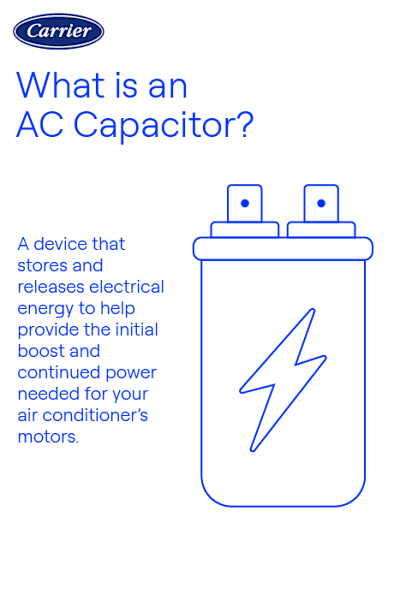
A capacitor is a small device inside an air conditioner. It helps the system start and run smoothly.
Capacitors store and release electrical energy. This makes the motor work correctly.
Role In Air Conditioners
The capacitor gives a boost of energy to the fan and compressor motors. This helps the air conditioner start faster.
- Starts the compressor motor
- Runs the fan motor
- Keeps the motors running efficiently
- Prevents electrical surges that could damage parts
Types Of Capacitors
| Type | Use | Description |
|---|---|---|
| Start Capacitor | Compressor motor | Provides a strong power boost at start-up |
| Run Capacitor | Fan and compressor motors | Supplies continuous power to keep motors running |
| Dual Capacitor | Fan and compressor motors | Combines start and run functions in one unit |
How Capacitors Work
A capacitor in an air conditioner helps the motor start and run. It stores electrical energy and releases it when needed. This process keeps the motor working smoothly.
Capacitors are small parts but very important. They support the motor by giving extra power at the right time.
Energy Storage And Release
A capacitor stores electrical energy like a battery. It holds this energy as an electric charge. When the motor needs power, the capacitor releases the stored energy quickly.
This charging and releasing helps keep the motor running steady. The capacitor charges when the motor is off or running slowly. It releases energy when the motor needs a boost.
Starting And Running Functions
Capacitors have two main jobs in an air conditioner motor. First, they help start the motor by giving it an extra push. Second, they keep the motor running smoothly once it starts.
Start capacitors provide a strong boost to get the motor moving. Run capacitors keep the motor working efficiently over time. Some motors use both types of capacitors.
- Start Capacitor:Gives a big energy boost to start the motor.
- Run Capacitor:Supplies steady power to keep the motor running.
Common Capacitor Issues
The capacitor in an air conditioner helps start and run the compressor and fan motors. If the capacitor has problems, the AC may not work well or stop working.
Knowing the common issues with capacitors can help you spot problems early and avoid bigger repairs.
Signs Of Failure
A failing capacitor often shows clear signs. The air conditioner may struggle to start or make strange noises. The fan might run slowly or stop.
Other signs include the AC turning off quickly or not cooling well. Sometimes, a burnt smell comes from the unit.
- AC unit won’t start or starts slowly
- Fan motor runs slowly or stops
- Strange humming or buzzing noises
- Unit shuts off suddenly
- Burnt or electrical smell near the AC
Causes Of Damage
Capacitors can get damaged by heat and age. High temperatures inside the AC unit make the capacitor wear out faster.
Electrical problems like power surges or loose connections can also harm the capacitor. Moisture and dirt can cause damage too.
- Excessive heat inside the AC unit
- Electrical surges or power spikes
- Loose or corroded wiring connections
- Exposure to moisture or dirt
- Old age and normal wear

Credit: www.amazon.com
Replacing A Capacitor
A capacitor is a small part inside an air conditioner. It helps start the motors and keeps them running. Sometimes, capacitors fail and need to be replaced to keep the air conditioner working.
Replacing a capacitor is a task you can do with the right tools and care. Follow the steps carefully to avoid damage or injury.
Safety Precautions
Capacitors store electrical energy. This energy can shock you even when the power is off. Always take safety steps before handling a capacitor.
- Turn off the air conditioner and unplug it from power.
- Use a screwdriver with an insulated handle.
- Discharge the capacitor by touching its terminals with a metal tool.
- Wear safety glasses and gloves to protect yourself.
- Work in a dry area to avoid electric shock.
Step-by-step Replacement
Follow these steps carefully to replace the capacitor in your air conditioner.
- Turn off the power and unplug the unit.
- Remove the access panel to reach the capacitor.
- Note how wires connect to the capacitor terminals.
- Discharge the capacitor by touching terminals with a screwdriver.
- Use a screwdriver to remove the screws or clips holding the capacitor.
- Disconnect the wires from the old capacitor carefully.
- Connect the wires to the new capacitor in the same way.
- Secure the new capacitor in place with screws or clips.
- Put the access panel back on.
- Plug in the unit and turn the power on to test.
Maintaining Capacitors
A capacitor helps start and run the air conditioner’s motor. It stores and releases electrical energy. Keeping it in good condition ensures your AC works well.
Regular checks and care can prevent failures. This saves money and avoids breakdowns during hot days.
Regular Inspection Tips
Look at the capacitor for any signs of damage. Check for bulges, leaks, or cracks on its surface. These mean the capacitor needs replacement.
Listen for unusual sounds when the AC starts. Buzzing or humming may point to capacitor problems. Also, test the capacitor with a multimeter for accurate results.
- Turn off power before inspecting
- Check for physical damage or leaks
- Use a multimeter to test capacitance
- Listen for strange noises during startup
- Replace if any defects are found
Extending Capacitor Life
Keep the area around the capacitor clean and dry. Dirt and moisture can cause corrosion or short circuits. Avoid touching the terminals to prevent damage.
Ensure the air conditioner has proper voltage and is free from power surges. Use a surge protector if needed. Regular maintenance of the whole AC system helps the capacitor last longer.
- Keep capacitor area clean and dry
- Do not touch capacitor terminals
- Use surge protectors to prevent voltage spikes
- Maintain the entire air conditioner system
- Replace capacitors every few years as needed
Capacitor And Ac Performance
A capacitor is a small part inside an air conditioner. It stores electrical energy. This energy helps start the fan and compressor motors.
The capacitor keeps the AC running smoothly. Without it, the system will struggle to work well or may stop working.
Impact On Efficiency
A good capacitor helps the AC run with less power. It makes the motors start faster and use less energy. This saves electricity and lowers bills.
If the capacitor is weak or broken, the AC uses more power. The motors may run slower or stop often. This lowers the system’s efficiency.
- Strong capacitor = less energy use
- Weak capacitor = higher power bills
- Proper function keeps AC cool and fast
- Bad capacitor causes motor strain and damage
Troubleshooting Performance Issues
If the AC does not start or makes a humming noise, the capacitor may be the problem. It can be tested with a multimeter or by a technician.
Signs of a bad capacitor include slow fan, no cooling, or frequent AC shutdowns. Replacing the capacitor often fixes these issues.
- AC won’t start or runs slowly
- Humming or buzzing sounds from the unit
- Frequent stops and starts of the AC
- Warm air blowing instead of cool air
- Visible damage or bulging on the capacitor

Credit: www.amazon.com
Frequently Asked Questions
What Is The Function Of A Capacitor In An Air Conditioner?
A capacitor stores and releases electrical energy to start and run the AC motor efficiently. It helps maintain consistent power flow, boosting the compressor and fan motor’s performance. Without it, the AC may fail to start or run poorly.
How Does A Capacitor Affect Air Conditioner Performance?
A faulty capacitor can cause slow or no startup of the compressor and fan. It reduces the efficiency and cooling ability of the air conditioner. Replacing a bad capacitor restores proper motor function and improves overall AC performance.
What Are Common Signs Of A Bad Ac Capacitor?
Common signs include the AC not starting, humming noise, or frequent cycling. The fan may run slowly or stop, and the unit might overheat. These symptoms indicate the capacitor may need inspection or replacement.
Can I Replace An Air Conditioner Capacitor Myself?
Yes, if you have electrical knowledge and safety skills. Always turn off the power before handling capacitors. However, it is recommended to hire a professional to avoid electrical hazards and ensure correct installation.
Conclusion
Understanding capacitors in air conditioners is essential for smooth operation. These small components start the motor and keep it running efficiently. Without a functioning capacitor, your air conditioner might fail. Regular checks can help catch issues early. This ensures your cooling system works effectively.
Always consult a professional for complex repairs. A well-maintained capacitor extends your air conditioner’s life. It ensures comfort in hot weather. Simple steps can save money and prevent breakdowns. Keep your home cool and your system efficient by focusing on this crucial part.
Stay informed, and your air conditioner will thank you.