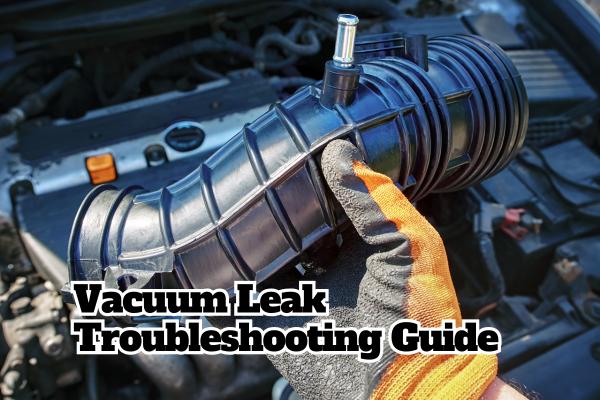
Have you ever noticed your car idling roughly or hearing a hissing sound under the hood? These could be signs of a car vacuum leak.
But what exactly is a car vacuum leak, and why should you care? Imagine your car’s engine as a finely-tuned orchestra, where each component plays its part in harmony. A vacuum leak is like an off-key note that disrupts this balance, affecting your car’s performance and fuel efficiency.
Understanding what a car vacuum leak is can save you money and prevent bigger problems down the road. Stick around as we uncover the ins and outs of this common yet often overlooked issue, and learn how to keep your car running smoothly.
Car Vacuum Leak Basics
Understanding the basics of a car vacuum leak is important for vehicle maintenance. A vacuum leak can cause engine problems and reduce fuel efficiency. Knowing what it is and how the vacuum system works helps in spotting issues early.
What Is A Vacuum Leak?
A vacuum leak happens when air enters the engine system without control. This unplanned air bypasses the throttle and mixes with fuel. It changes the air-fuel ratio, causing the engine to run poorly. Symptoms include rough idle, stalling, and poor acceleration.
How Vacuum Systems Work
The vacuum system uses engine vacuum to power various parts. It controls brakes, fuel pressure, and emissions devices. The engine creates vacuum when the piston moves down. This vacuum pulls air through the system in a controlled way.
Vacuum hoses connect different parts and keep the system sealed. Any crack or hole in hoses causes a vacuum leak. This disrupts engine performance and can trigger warning lights.
Common Signs Of A Vacuum Leak
Noticing a vacuum leak in your car early can save you from costly repairs and unexpected breakdowns. These leaks disrupt the air-fuel mixture that your engine relies on, leading to various performance issues. Recognizing the common signs can help you diagnose problems before they worsen and keep your vehicle running smoothly.
Engine Idling Issues
If your engine idles roughly or stalls frequently, a vacuum leak might be the cause. You may feel the engine speed fluctuating or hear it sputtering when your car is at a stop. Have you ever noticed your engine hunting for idle speed or struggling to stay on without your foot on the gas? This often points to unmetered air entering through a leak.
Check Engine Light
Your dashboard’s check engine light can be a warning signal for a vacuum leak. Modern cars have sensors that detect air-fuel imbalances and trigger this light. Don’t ignore it—scanning the error codes can reveal if a vacuum leak is behind the issue and guide your next steps.
Poor Fuel Economy
Are you filling up your tank more often than usual? A vacuum leak can cause your engine to burn extra fuel in an attempt to compensate for the incorrect air ratio. This inefficiency hits your wallet directly, making fuel economy one of the first noticeable signs of a leak.
Unusual Engine Noises
Sometimes, a vacuum leak reveals itself through strange sounds under the hood. You might hear a hissing or sucking noise, especially when the engine is running. These sounds occur because air is escaping or entering where it shouldn’t, disrupting normal engine operation.
Typical Causes Of Vacuum Leaks
Vacuum leaks are common issues in car engines. They allow extra air to enter the engine. This disrupts the air-fuel mixture. The engine runs poorly or stalls. Understanding the causes helps with quick repairs and better engine health.
Cracked Or Disconnected Hoses
Hoses carry vacuum pressure throughout the engine. Over time, heat and wear cause cracks. Sometimes hoses disconnect during repairs or vibrations. Both problems let air leak in. Cracked or loose hoses are easy to spot and fix.
Faulty Intake Manifold Gasket
The intake manifold gasket seals air passages. It prevents leaks between the manifold and engine block. Heat and age make gaskets brittle. A bad gasket causes vacuum leaks and rough engine idle. Replacing the gasket solves the problem.
Damaged Vacuum Lines
Vacuum lines connect different engine parts. They are thin and fragile. Rodents or road debris can damage these lines. Small holes or cuts cause leaks. Inspecting vacuum lines regularly prevents serious engine issues.
Worn Out Seals
Seals protect various engine joints. Over time, seals dry out and crack. Worn seals create gaps for air to escape. Engine performance drops and fuel efficiency falls. Replacing old seals restores proper vacuum pressure.

Credit: www.reddit.com
Diagnosing A Vacuum Leak
Diagnosing a vacuum leak in a car is crucial for maintaining engine performance. A vacuum leak allows extra air into the engine, causing rough idling, poor fuel efficiency, and loss of power. Identifying the leak quickly helps avoid costly repairs. Various tools and techniques reveal the leak’s exact location. Below are common ways to diagnose a vacuum leak.
Visual Inspection Tips
Start by examining all vacuum hoses for cracks, splits, or loose connections. Check the intake manifold gasket and throttle body for signs of damage or wear. Look for disconnected or broken tubes near the engine. Use a flashlight to see hard-to-reach areas. Small holes or cracks may be visible on closer inspection. Replace any damaged hoses or clamps found during this check.
Using A Smoke Machine
A smoke machine pumps smoke into the vacuum system to reveal leaks. Smoke escapes through any holes or cracks, making leaks easy to spot. Connect the machine to the intake system and watch carefully. Follow the smoke trails to the source of the leak. This method works well for hidden or hard-to-find leaks. It offers a clear, quick way to diagnose the problem accurately.
Spray Test Method
Spray a flammable substance like carburetor cleaner or starter fluid on suspected areas. If the engine speed changes, a leak is likely present there. Focus on vacuum hoses, intake manifold, and throttle body gasket. Spray in small amounts and monitor engine response carefully. This test helps pinpoint leaks without special tools. Use caution to avoid fire hazards during this procedure.
Quick Fixes For Vacuum Leaks
Vacuum leaks in a car can cause rough idling and poor engine performance. Quick fixes can help reduce these problems temporarily or even permanently. Some simple actions can save time and money before visiting a mechanic. Below are easy ways to address vacuum leaks.
Replacing Hoses And Seals
Old or cracked hoses often cause vacuum leaks. Check all visible hoses for cracks or holes. Replace any damaged hoses with new ones that fit properly. Seals around connections can also wear out. Swap out worn seals to stop air leaks. Use the correct size parts to ensure a tight fit.
Using Sealants And Tape
Small leaks in hoses or joints can be sealed with special products. Use automotive-grade sealants designed for vacuum systems. Apply sealant carefully around the leak area. High-quality vacuum tape works well on hose surfaces. Wrap tape tightly to cover cracks or gaps. These fixes work best for minor leaks and can last weeks or months.
When To Visit A Mechanic
Some vacuum leaks are hard to find and fix. If the engine still runs rough after quick fixes, see a mechanic. Complex leaks may need professional tools to diagnose. A mechanic can test the system and replace parts safely. Regular check-ups help prevent serious engine damage from leaks.
Credit: www.cgsulitstore.com
Preventing Future Vacuum Leaks
Preventing future vacuum leaks in your car is essential for maintaining engine performance and fuel efficiency. A vacuum leak might start small, but if ignored, it can lead to bigger engine problems and costly repairs. Taking proactive steps can save you time, money, and the frustration of unexpected breakdowns.
Regular Maintenance Checks
Checking your car’s vacuum system regularly helps catch leaks early before they cause serious damage. Look for cracked or brittle hoses, loose connections, and unusual engine noises during your routine inspections.
You might be surprised how often a simple visual check can spot a developing issue. Have you ever noticed your engine idling roughly after a long drive? That could be a sign your vacuum hoses need attention.
Make it a habit to include vacuum system checks in your maintenance schedule. This small effort can prevent bigger headaches down the road.
Quality Parts And Repairs
Using high-quality vacuum hoses and parts ensures durability and better resistance to heat and wear. Cheap or generic parts may save money initially but often fail sooner, leading to repeated leaks.
If your car needs repairs, insist on genuine or trusted aftermarket parts. Your engine’s performance depends on the reliability of each component, especially in the vacuum system.
Have you experienced a repair job that didn’t last long? It often comes down to the parts used. Investing in quality parts pays off with fewer repairs and better engine health.

Credit: m.youtube.com
Frequently Asked Questions
What Causes A Car Vacuum Leak?
A car vacuum leak is caused by cracks or disconnections in vacuum hoses. These leaks disrupt air-fuel mixture, affecting engine performance. Common causes include aging hoses, loose fittings, or damage from heat and vibrations. Identifying and fixing leaks is crucial for smooth engine operation and fuel efficiency.
How To Detect A Car Vacuum Leak?
Detect a car vacuum leak by listening for hissing sounds near the engine. You can also use a smoke machine or spray soapy water on hoses to find bubbles. Engine rough idling, stalling, and poor acceleration often indicate a vacuum leak.
What Are Symptoms Of A Vacuum Leak?
Symptoms include rough idling, engine stalling, poor acceleration, and increased fuel consumption. Your check engine light might turn on due to incorrect air-fuel mixture. These signs suggest an unmetered air entering the engine, which is typical of vacuum leaks.
Can A Vacuum Leak Damage My Engine?
Yes, a vacuum leak can damage the engine over time. It causes improper combustion, leading to rough running and potential engine misfires. Prolonged leaks may increase emissions and reduce engine lifespan. Prompt repair helps maintain engine health and performance.
Conclusion
A car vacuum leak can cause many engine problems. It affects fuel efficiency and engine performance. Detecting leaks early helps avoid costly repairs. Simple checks can find most leaks quickly. Fixing a vacuum leak keeps your car running smooth. Stay aware of signs like rough idling or stalling.
Regular maintenance helps prevent vacuum leaks. Taking care of your car saves time and money. Keep your engine healthy by watching for leaks. Small problems today can become big issues tomorrow.