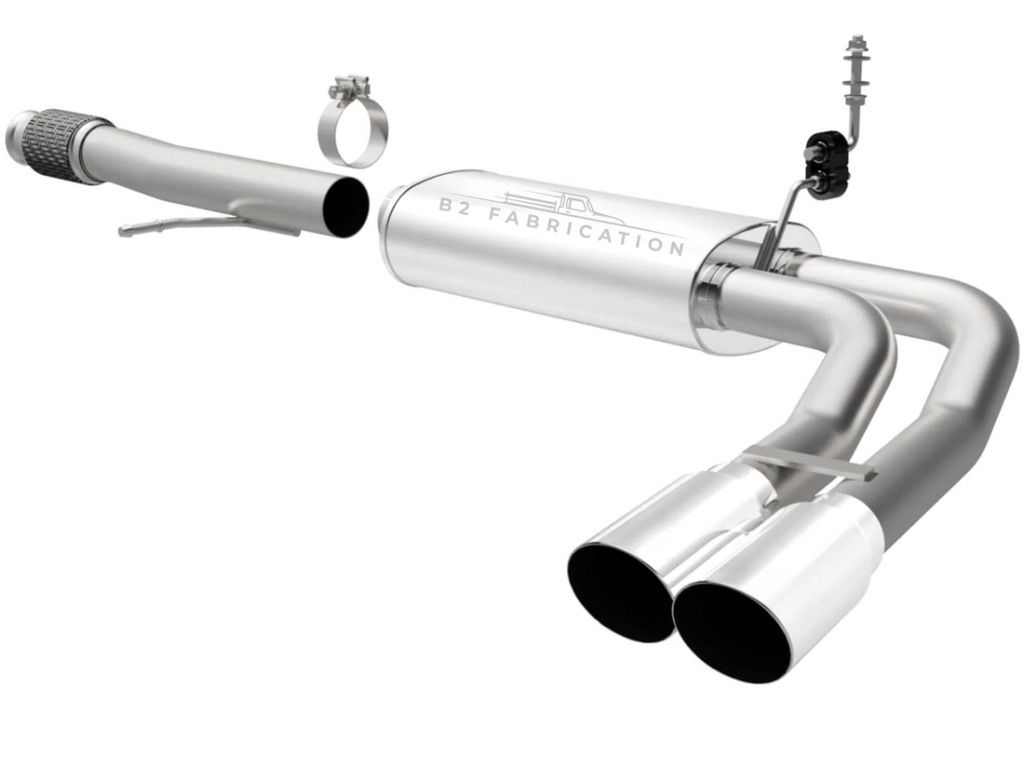
If you’re looking to boost your car’s performance and sound without a huge investment, understanding what a cat back exhaust system is can be a game changer. You might have heard this term before, but what does it really mean for your vehicle?
This simple upgrade can improve your car’s power, fuel efficiency, and give it a deeper, more aggressive sound that turns heads. Ready to find out how it works and why it might be the perfect addition to your ride? Keep reading, because what you learn here could transform your driving experience.
Cat Back Exhaust Basics
A cat back exhaust system is a part of a vehicle’s exhaust setup. It starts after the catalytic converter and goes to the back of the car.
This system helps improve the flow of exhaust gases and can change the sound of the vehicle.
What Is A Cat Back Exhaust
A cat back exhaust system includes all parts of the exhaust from the outlet of the catalytic converter to the tailpipe. It removes gases from the engine and pushes them out of the vehicle.
Key Components
- Pipe: Carries exhaust gases from the catalytic converter to the rear.
- Muffler: Reduces noise from the exhaust gases.
- Resonator: Helps tune the sound and reduce certain noises.
- Tailpipe: The visible part where the exhaust leaves the car.
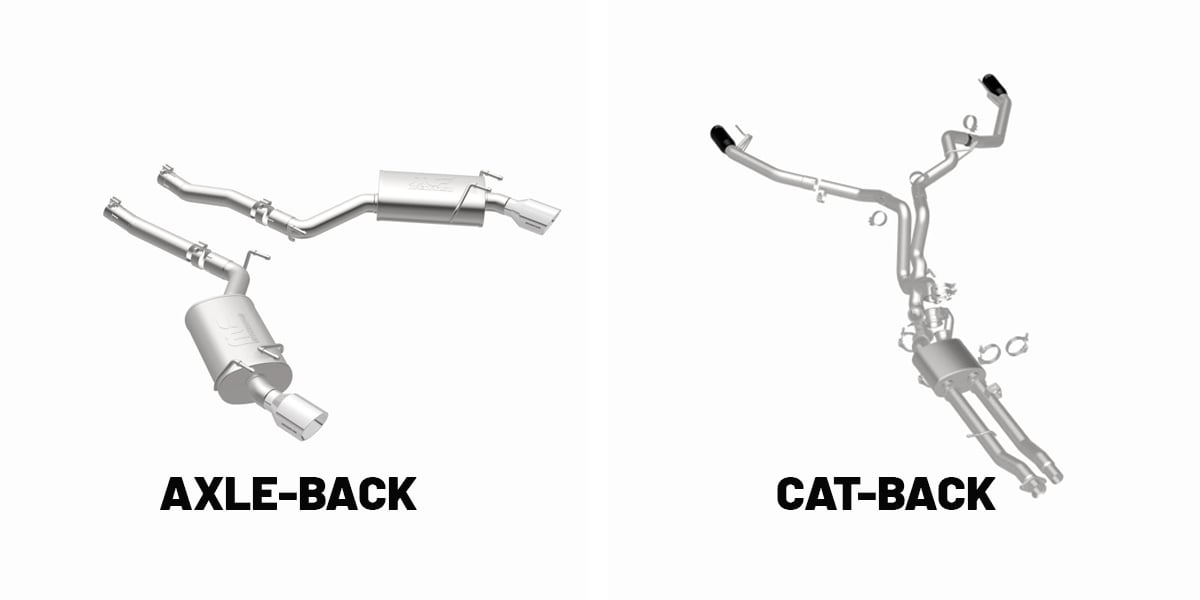
How It Differs From Other Exhausts
| Type | Starts From | Includes |
| Cat Back Exhaust | After Catalytic Converter | Pipes, muffler, resonator, tailpipe |
| Axle Back Exhaust | After Rear Axle | Muffler and tailpipe only |
| Header-Back Exhaust | From Exhaust Manifold | All exhaust parts including headers |
Credit: 5startuning.com
Performance Benefits
A cat back exhaust system helps improve your car’s overall performance. It replaces parts of the exhaust after the catalytic converter.
This system allows exhaust gases to flow more freely. This can increase engine power, save fuel, and change the sound of your car.
Improved Horsepower And Torque
The cat back exhaust reduces back pressure in the engine. This helps the engine push out exhaust gases faster.
With less resistance, the engine can breathe better. This leads to more horsepower and torque for better acceleration.
Enhanced Fuel Efficiency
When exhaust flows smoothly, the engine works more efficiently. It does not need to use as much fuel to run.
This can improve your car’s gas mileage. It lowers fuel costs and helps reduce emissions.
Better Exhaust Sound
A cat back exhaust often changes the sound of your car. It can make the engine sound deeper and louder.
This new sound gives a sportier feel without being too noisy or annoying.
Material Choices
Choosing the right material for a cat back exhaust system is important. It affects durability, weight, and cost.
Different materials offer different benefits and drawbacks. Understanding these helps you pick the best option.
Stainless Steel Options
Stainless steel is a popular choice for cat back exhausts. It resists rust and corrosion well.
This material lasts long and keeps a clean look. It is heavier than some other materials but very strong.
Aluminized Steel Pros And Cons
Aluminized steel has a coating that protects it from rust. It costs less than stainless steel.
This steel is lighter but can wear out faster in harsh conditions. It is a good budget option.
- Pros: Lower cost, decent rust resistance
- Cons: Less durable than stainless steel
- Good for mild weather and short-term use
Titanium And Other Materials
Titanium is very light and strong. It also resists rust very well.
This metal is expensive and used mostly in high-performance exhausts. Other materials like carbon fiber are rare but offer light weight.
- Titanium: Light, strong, high cost
- Carbon fiber: Very light, expensive, less common
- Other alloys: Used for special needs or custom builds
Installation Process
Installing a cat back exhaust system can improve your car’s performance and sound. This process involves replacing the exhaust parts after the catalytic converter.
Understanding the installation steps helps you decide if you should do it yourself or hire a professional. It also prepares you for the tools and challenges involved.
Diy Vs Professional Installation
Installing a cat back exhaust system yourself saves money but needs time and skills. A professional can finish the job faster and with less risk of mistakes.
DIY is good if you have basic tools and some car knowledge. Professionals have special tools and experience for a clean fit and no leaks.
- DIY installation requires time and patience
- Professionals offer warranty and safety
- DIY may need extra help for heavy parts
- Pros know how to handle rusted bolts and tight spaces
Tools And Equipment Needed
You need specific tools to remove the old exhaust and install the new system. Having the right equipment makes the job easier and safer.
- Jack and jack stands to lift the car
- Socket wrench set for bolts
- Penetrating oil for rusty parts
- Rubber mallet to adjust pipes
- Exhaust clamps or hangers for secure fitting
- Safety glasses and gloves
Common Challenges
Installing a cat back exhaust system can be tricky. Problems can slow you down or cause poor results if not handled well.
Rusty bolts, tight spaces, and heavy parts are common issues. You must work carefully to avoid damage and ensure a tight seal.
- Stuck or rusted bolts may need extra oil or heat
- Tight spaces require patience and the right tools
- Heavy exhaust parts can be hard to hold alone
- Incorrect fitting causes leaks and noise
- Proper alignment is needed for good exhaust flow
Cost And Pricing
A cat back exhaust system changes the exhaust flow from the catalytic converter to the rear. It can improve car sound and performance. The cost varies based on parts and labor.
Understanding the price helps you plan your budget. Knowing what affects costs ensures you get the right system for your needs.
Average Price Range
The price for a cat back exhaust system usually ranges from $300 to $1,200. This range depends on the brand, material, and vehicle model.
Labor costs for installation can add another $50 to $200. Some systems may cost more for luxury or performance cars.
- Basic systems: $300 – $600
- Mid-range systems: $600 – $900
- High-end systems: $900 – $1,200+
- Installation labor: $50 – $200
Factors Affecting Cost
Material quality affects the price. Stainless steel costs more than aluminized steel but lasts longer.
Vehicle type matters. Larger or rare models may need custom parts, increasing cost. Brand reputation also influences price.
- Material: stainless steel vs. aluminized steel
- Vehicle make and model
- Brand and warranty
- Installation complexity
- Local labor rates
Long-term Value
Spending more on quality parts can save money later. Durable systems need fewer repairs and last longer.
Better exhaust flow can improve fuel efficiency and engine life. This adds value beyond just sound improvement.
Popular Brands And Models
A cat back exhaust system is a popular upgrade for many car owners. It replaces parts of the exhaust after the catalytic converter.
Many brands offer different models of cat back exhaust systems. These systems improve sound and performance for various vehicles.
Top Manufacturers
Several manufacturers are well-known for making quality cat back exhaust systems. They focus on sound, durability, and fit.
- MagnaFlow – known for deep, smooth sound and stainless steel parts
- Borla – offers aggressive sound with high-quality materials
- Flowmaster – famous for loud, powerful exhaust tones
- Gibson – provides balance between sound and performance
- Akrapovič – premium brand with lightweight and sporty designs
Best Systems For Different Vehicles
Different vehicles need different cat back exhaust systems. Some fit trucks, while others suit sports cars or SUVs.
Choosing the right system depends on your car’s make, model, and your sound preference.
- MagnaFlow Street Series – good for trucks and SUVs with a mild tone
- Borla S-Type – fits sports cars, offers aggressive sound
- Flowmaster American Thunder – made for muscle cars and trucks
- Gibson SuperFlow – balanced sound for daily drivers
- Akrapovič Slip-On – designed for high-performance sports cars
Customer Reviews
Many customers share their experiences with different cat back exhaust systems. Reviews help new buyers decide.
People often mention sound quality, fit, and durability in their feedback.
- MagnaFlow users like the smooth, deep sound and easy installation
- Borla owners enjoy loud exhaust notes but note higher price
- Flowmaster fans love the aggressive tone but say it can be loud for daily driving
- Gibson customers appreciate the good fit and balanced sound
- Akrapovič buyers praise the build quality and sporty sound, but it can be costly
Legal And Environmental Considerations
A cat back exhaust system changes the car’s exhaust after the catalytic converter. This affects noise and emissions. You must know the rules before installing one.
Legal and environmental laws protect air quality and reduce noise pollution. These rules help keep communities safe and clean.
Emissions Regulations
Cat back exhausts do not change the catalytic converter. That means emissions should stay within limits. Still, some states check the whole exhaust system.
- Keep the catalytic converter intact
- Check local emissions testing rules
- Use parts approved for your state
- Consult with a certified mechanic
Noise Restrictions
Cat back exhausts can make cars louder. Many places have limits on how loud a car can be. These limits protect people from noise pollution.
| Location | Max Noise Level (dB) | Notes |
| California | 95 | Measured at 50 feet |
| New York | 82 | Residential areas only |
| Texas | 90 | Varies by city |
| Florida | 86 | Enforced by local police |
Warranty And Compliance
Installing a cat back exhaust may affect your vehicle’s warranty. Manufacturers often require original parts for coverage.
Check these points before installing:
- Review your car’s warranty terms
- Ask the dealer about aftermarket parts
- Keep all receipts and installation records
- Ensure the system meets local laws

Credit: flasharkracing.com
Maintenance Tips
A cat back exhaust system needs regular care to work well. Proper maintenance helps keep your car running smoothly.
Simple checks and cleaning can prevent problems and extend the system’s life.
Regular Inspection
Check your cat back exhaust system often. Look for loose parts or damage. Early fixes stop bigger issues.
Inspect the pipes, muffler, and clamps for rust or cracks. Make sure all parts are tight.
- Look under the car for leaks or holes
- Listen for strange noises when the engine runs
- Check exhaust hangers and brackets
Cleaning And Care
Keep the exhaust system clean to avoid rust and dirt build-up. Use a soft brush or cloth for cleaning.
Avoid harsh chemicals that can damage the metal. Rinse with water and dry completely after cleaning.
- Clean the pipes regularly to remove dirt
- Use mild soap and water only
- Dry parts to prevent rust
Signs Of Wear And Tear
Watch for signs that your exhaust system needs repair. Rust, holes, and noise changes are common signals.
Fix problems quickly to avoid damage to your vehicle’s engine and reduce noise pollution.
- Loud or unusual sounds from the exhaust
- Visible rust or holes on pipes
- Strong smell of exhaust fumes inside the car
- Decrease in fuel efficiency
Upgrading Beyond Cat Back
A cat back exhaust system replaces parts from the catalytic converter to the exhaust tip. It helps improve sound and performance.
To get more power and better flow, many car owners upgrade beyond cat back systems. This includes changing headers, downpipes, and tuning.
Headers And Downpipes
Headers replace the exhaust manifold and help exhaust gases leave the engine faster. This reduces back pressure and increases power.
Downpipes connect headers to the rest of the exhaust. Upgrading them improves gas flow and can boost turbocharged engine performance.
- Headers improve exhaust flow right from the engine
- Downpipes reduce restrictions after the turbo or headers
- Both parts help increase horsepower and torque
Full Exhaust Systems
Full exhaust systems replace all parts from the engine to the tip. This includes headers, downpipes, mid-pipes, and mufflers.
These systems are designed to work together for better sound and max power. They often use larger pipes and smoother bends.
- Complete flow upgrade from engine to tailpipe
- Better sound quality and louder exhaust note
- Increased engine efficiency and performance
Tuning And Calibration
After upgrading exhaust parts, tuning is needed. It adjusts the engine to work with new parts for best results.
Tuning improves fuel delivery, ignition timing, and boost levels. It helps increase power safely and improve throttle response.
- Adjusts fuel and air mixture for new exhaust
- Optimizes ignition timing for power and safety
- Increases boost pressure for turbo engines

Credit: accessories.cadillac.com
Frequently Asked Questions
What Is A Cat Back Exhaust System?
A cat back exhaust system includes pipes from the catalytic converter to the exhaust tip. It improves airflow and enhances engine performance and sound without affecting emissions.
How Does A Cat Back Exhaust Improve Car Performance?
It reduces exhaust restriction, allowing gases to flow freely. This boosts horsepower, torque, and fuel efficiency by easing engine strain.
Is Installing A Cat Back Exhaust System Legal?
Yes, cat back systems are generally legal since they keep the catalytic converter intact, maintaining emissions compliance.
Will A Cat Back Exhaust Make My Car Louder?
Yes, it typically produces a deeper, throatier exhaust note. The sound level depends on the system’s design and materials.
Conclusion
A cat back exhaust system enhances your car’s performance and sound. It replaces parts from the catalytic converter to the exhaust tips. This system offers better airflow and efficiency. You may notice improved fuel economy and power. Plus, it gives a more aggressive sound.
Easy to install, it fits most vehicles. It’s a popular choice among car enthusiasts. Remember to check local regulations before installing. This way, you ensure compliance and avoid fines. In essence, a cat back exhaust is a smart upgrade. It benefits both your car’s performance and your driving experience.