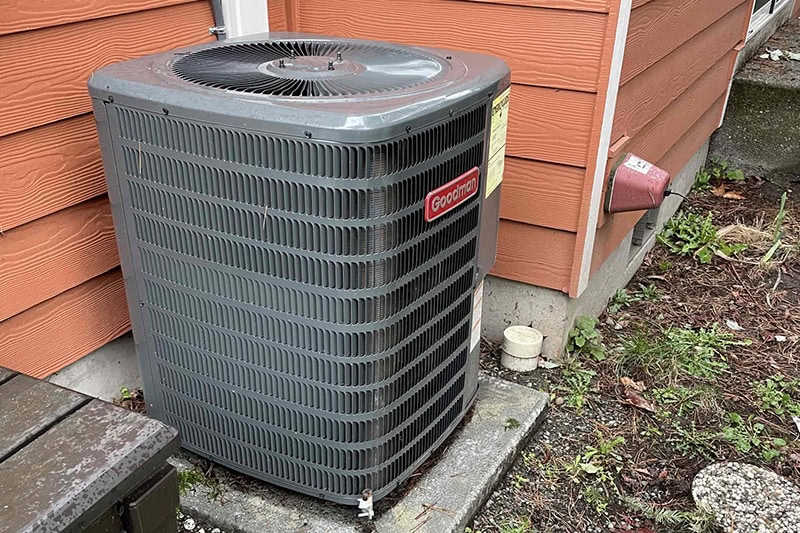
Have you ever wondered how some homes stay cool and comfortable even during the hottest days? The secret often lies in a central air conditioner.
But what exactly is a central air conditioner, and how does it work to keep your entire house cool? Understanding this can help you make smarter choices for your home’s comfort and energy bills. Keep reading, and you’ll discover everything you need to know about central air conditioners—so you can feel confident about staying cool all summer long.
Credit: www.pickheat.com
How Central Air Conditioners Work
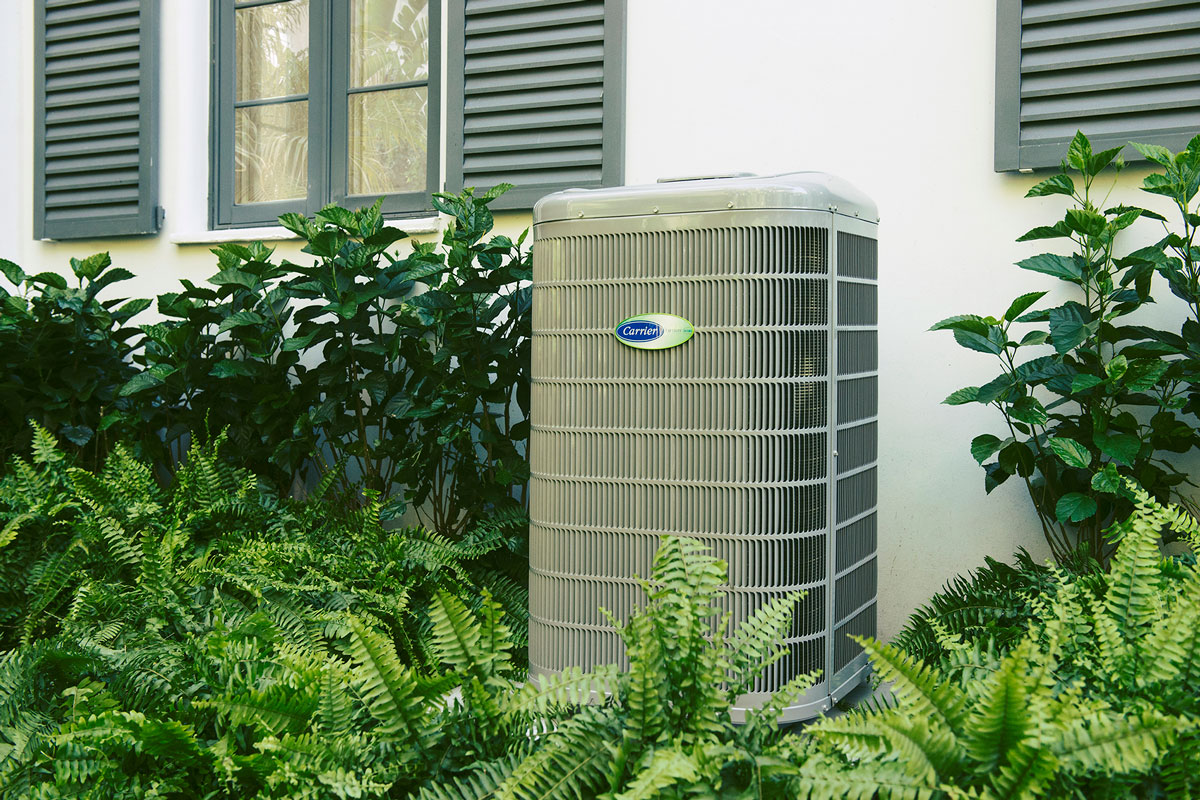
A central air conditioner has basic partsthat work together to cool your home. The compressorsqueezes refrigerant gas, turning it into a hot liquid. The condenser coilscool this liquid, turning it into a cold liquid. The evaporator coilsthen absorb heat from inside your house, cooling the air.
Cold air moves through ductsand vents to reach every room. Warm air from your house goes back to the air conditioner through return ducts. This cycle keeps the air fresh and cool.
| Component | Function |
|---|---|
| Compressor | Presses refrigerant gas into a hot liquid |
| Condenser Coils | Cools hot liquid into cold liquid |
| Evaporator Coils | Absorbs heat from inside air |
| Ducts | Carry cooled air to rooms and return warm air |
Credit: johnsonsheating.com
Types Of Central Air Conditioners
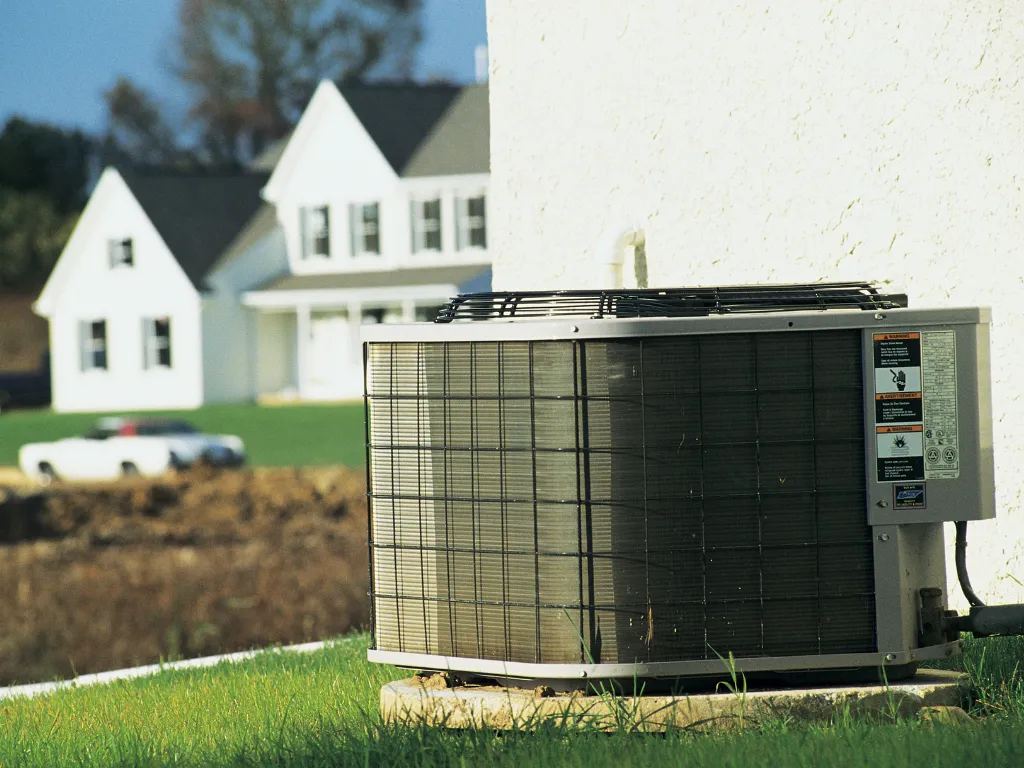
Split systemshave two main parts: an outdoor unit and an indoor unit. The outdoor unit cools the air. The indoor unit blows cool air inside your home. This system uses ductsto carry cool air to different rooms.
Packaged unitsput all parts in one box. This box sits outside your home. It is easy to install and takes up less indoor space. Packaged units are good for homes without much indoor room.
Ductless systemsdo not need ducts. They have a small outdoor unit and one or more indoor units. Each indoor unit cools a specific room. This system is perfect for homes without ducts or for cooling only some rooms.
Benefits Of Central Air Conditioning
Energy efficiencymeans the system uses less power to cool your home. This can lower electricity bills. Central air conditioners often have high energy ratings. They work quietly and save energy by running smoothly.
Improved air qualitycomes from filters that trap dust and pollen. This helps reduce allergens in the air. Clean air means better breathing and fewer health problems. Central systems also control humidity, making your home more comfortable.
Consistent coolingkeeps the temperature steady in every room. No hot or cold spots. The air flows evenly through ducts to each space. This makes your home feel cooler and more relaxing all day long.
Choosing The Right Unit
Choosing the right central air conditioner means sizing the system correctly. A unit too small will not cool well. Too large wastes energy and costs more. Measure your home’s square footage to find the right size. Experts often use a simple formula: 20 BTUs per square foot.
| Energy Rating | What It Means |
|---|---|
| SEER | Seasonal Energy Efficiency Ratio. Higher is better. |
| EER | Energy Efficiency Ratio. Measures cooling at peak times. |
- Higher energy ratings save money on bills.
- Look for units with ENERGY STAR label.
Budget affects your choice too. Higher upfront costs often mean lower energy bills. Cheaper units may cost more to run. Balance initial price with long-term savings. Think about installation costs as well.
Installation Process
Choosing professional installationensures safety and correct setup. Experts have the right tools and experience. DIY installation might save money but can cause mistakes. Mistakes lead to poor coolingand higher bills.
Ductworkis essential for central air systems. It moves cool air through your home. Existing ducts must be checked for leaks or blockages. Sometimes, new ducts need to be added for better airflow.
| Common Challenges | Details |
|---|---|
| Incorrect Sizing | Too big or too small units waste energy or cool poorly. |
| Leaky Ducts | Air loss reduces cooling efficiency and raises costs. |
| Improper Placement | Unit placed in wrong spot affects performance and noise. |
| Electrical Issues | Wrong wiring can cause faults and safety risks. |
Maintenance Tips
Filter replacementis key to clean air and good airflow. Change filters every 1-3 months. Dirty filters cause the system to work harder and use more energy. Use the right size and type of filter for your unit.
Seasonal checkupskeep your air conditioner running well. Have a professional check the system before hot months. They will clean coils, check refrigerant levels, and inspect electrical parts.
Troubleshooting common issuessaves time and money. If the unit does not cool, check the thermostat settings first. Clear debris from outside units. Listen for strange noises. If water leaks, check the drain line.
Energy Saving Strategies
Setting the thermostat to a higher temperature in summer saves energy. Try 78°F (25.5°C) or more when home. Use a programmable thermostat to adjust settings automatically. Lower the temperature only when you are in the room. This keeps the air conditioner from running too much.
Good insulation keeps cool air inside and hot air outside. Check doors and windows for gaps. Use weather stripping or caulk to seal leaks. Add insulation to the attic and walls for better cooling. This reduces the need for the air conditioner.
Fans help spread cool air and reduce energy use. Ceiling fans should turn counterclockwise in summer. This pushes cool air down to the floor. Use fans in rooms you use the most. Turn them off when you leave to save power.
Signs Of Replacement
Rising energy billsoften signal an old air conditioner. The unit works harder, using more power. This leads to higher monthly costs. Check your bills for sudden increases. It may mean your system is failing.
Frequent repairssuggest the system is struggling. Constant fixing costs time and money. Parts wear out faster in old units. Frequent breakdowns disrupt home comfort. Consider replacement to avoid ongoing issues.
Inadequate coolingmeans the air conditioner is not effective. Rooms may feel warmer than usual. The system might not cool all areas evenly. Poor airflow or weak cooling power are signs. Upgrading can restore proper comfort.

Credit: northtarrantac.com
Frequently Asked Questions
What Is A Central Air Conditioner?
A central air conditioner is a cooling system that circulates cool air through ducts. It uses a refrigerant to remove heat from indoor air. This system is efficient for cooling entire homes or buildings. Central air conditioners maintain consistent temperature and humidity levels.
How Does A Central Air Conditioner Work?
A central air conditioner works by removing heat from indoor air using a refrigerant. The system’s compressor circulates the refrigerant through coils. This cools the air, which is then distributed through ducts. A thermostat controls the temperature, ensuring efficient cooling.
What Are The Benefits Of Central Air Conditioning?
Central air conditioning offers consistent cooling, enhancing comfort in homes. It operates quietly and improves indoor air quality by filtering pollutants. This system increases energy efficiency and can add value to a property. Its discreet design keeps homes aesthetically pleasing.
How Is Central Air Different From Other Systems?
Central air systems cool entire buildings, unlike window units that cool single rooms. They use ductwork to distribute cool air evenly. Central air systems are more energy-efficient and quieter. They maintain consistent temperatures, unlike portable or window units.
Conclusion
A central air conditioner keeps your home cool and comfortable. It uses one system to cool many rooms at once. This saves space and looks neat outside. The unit works quietly and uses less energy than many small fans. Regular maintenance helps it run well for years.
Choosing the right system can lower your energy bills. Now you understand what a central air conditioner is and how it helps. Cooling your whole home can be simple and effective.