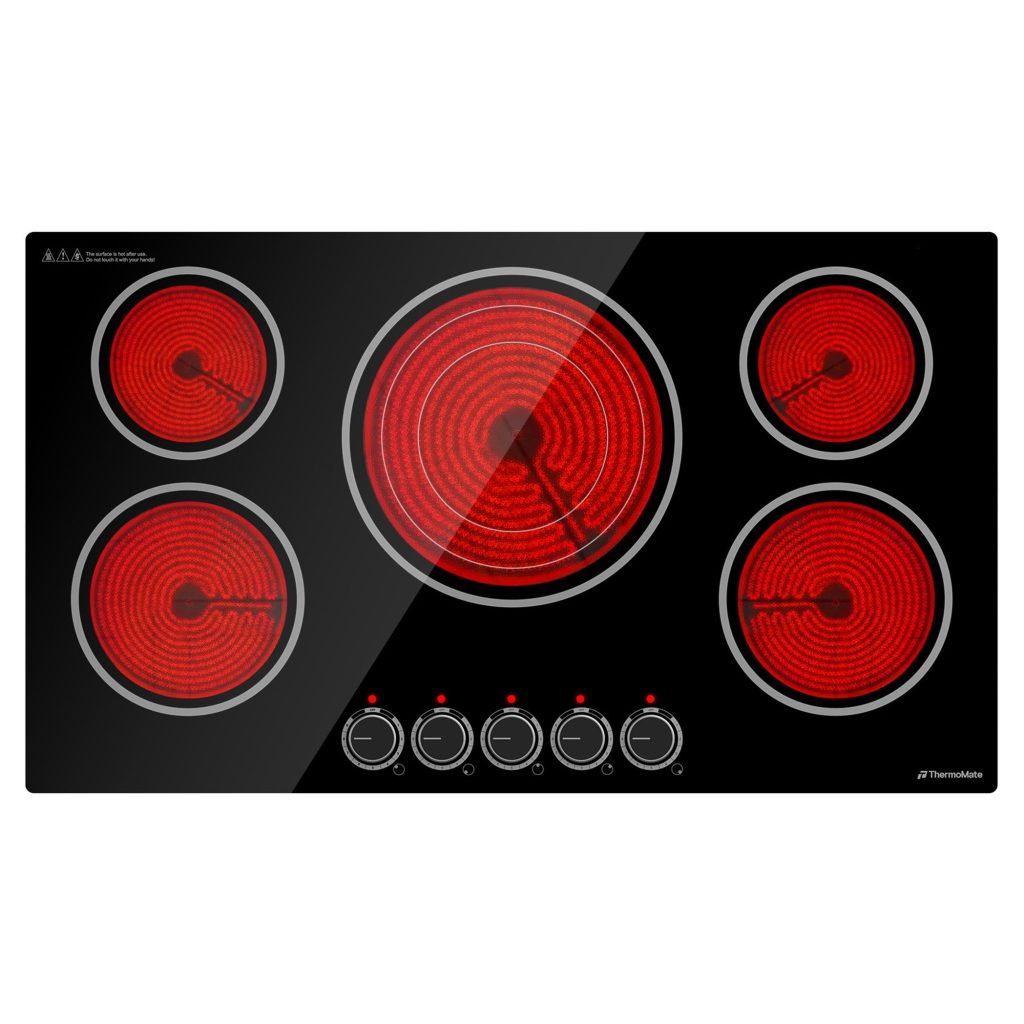
Are you considering a kitchen upgrade or simply curious about the latest in cooking technology? If so, understanding what a ceramic cooktop is and why it might be a perfect fit for your home is essential.
Imagine a cooking surface that’s sleek, modern, and easy to clean, offering you not only convenience but also efficiency. This is what a ceramic cooktop brings to your culinary experience. But what exactly is it, and how does it differ from other types of cooktops?
By the end of this article, you’ll have a clear picture of what makes ceramic cooktops a popular choice among homeowners and chefs alike. Stick around, and discover how this innovative appliance can transform your cooking routine and kitchen aesthetics.
Ceramic Cooktop Basics
Ceramic cooktops offer a sleek, modern look to kitchens. They provide a smooth cooking surface that is easy to clean. These cooktops use heat efficiently for cooking meals. Understanding how they work and their design helps in choosing the right one.
How Ceramic Cooktops Work
Ceramic cooktops use radiant heat to cook food. Beneath the smooth surface, heating elements generate heat. This heat transfers through the ceramic glass to the cookware. The surface itself heats up, warming the pots and pans directly.
Electric current flows through metal coils under the glass. These coils get hot and radiate heat upward. The ceramic glass is heat resistant and spreads heat evenly. This design helps cook food consistently without hot spots.
Materials And Design
The top of a ceramic cooktop is made from tough, tempered glass. This glass is smooth and flat, making cleaning simple. It also resists scratches and stains from regular use.
Below the glass lies the heating elements. These are often made of coil or halogen lamps. The cooktop frame is usually made from stainless steel or other durable materials.
- Tempered glass surface
- Electric heating elements
- Heat-resistant frame
- Control knobs or touch panels
The design prioritizes safety and style. Many models include warning indicators to show when the surface is hot. Controls can be simple knobs or advanced touch sensors. This makes cooking easy and precise.

Credit: www.amazon.com
Key Features
Ceramic cooktops offer a modern cooking surface with several key features. These features enhance cooking efficiency and kitchen safety. Understanding these can help you decide if a ceramic cooktop fits your needs.
Smooth Surface Benefits
The smooth glass surface makes cleaning very easy. Spills wipe away quickly with a damp cloth. It also looks sleek and fits well in modern kitchens. The flat surface supports all types of cookware evenly.
Heat Distribution
Heat spreads evenly across the cooking zones. This helps food cook uniformly without hot spots. The cooktop heats quickly, saving time and energy. It cools down fast once turned off, enhancing safety.
Control Options
Most ceramic cooktops have touch controls or knobs. Touch controls offer precise temperature settings. Knobs provide quick and easy adjustments. Some models include timers and safety locks for added control.
Advantages Over Other Cooktops
Ceramic cooktops offer clear benefits compared to other cooktop types. Their design and technology bring practical advantages to the kitchen. These benefits include saving energy, easy cleaning, and improved safety. This makes ceramic cooktops popular for many households.
Energy Efficiency
Ceramic cooktops heat up quickly and use energy wisely. The smooth surface transfers heat directly to pots and pans. This reduces wasted energy and cooking time. Less heat escapes, so the kitchen stays cooler. Energy savings also help lower electricity bills.
Ease Of Cleaning
The flat, smooth surface of ceramic cooktops makes cleaning simple. No grates or coils to remove. Spills wipe away with a damp cloth easily. Stubborn stains can be cleaned with special ceramic cooktop cleaners. This saves time and keeps the cooktop looking new.
Safety Features
Ceramic cooktops often include safety features that protect users. Many models have heat indicators showing when the surface is hot. Some have automatic shut-off functions to prevent accidents. The surface stays cool around the heating zones, reducing burn risks.

Credit: www.vevor.com
Types Of Ceramic Cooktops
Ceramic cooktops come in different types, each with unique features. Understanding these types helps choose the right cooktop for your kitchen. The two main types are radiant ceramic cooktops and induction ceramic cooktops. Both offer smooth surfaces but work differently.
Radiant Ceramic Cooktops
Radiant ceramic cooktops use electric heating elements under the glass surface. These elements heat up and transfer heat through the ceramic glass to the cookware. The surface itself becomes hot, so caution is needed to avoid burns. They work with any type of cookware, including glass, ceramic, and metal pans.
These cooktops heat evenly and offer precise temperature control. They are easy to clean because the surface is flat and smooth. You can spot the hot areas by feeling the warmth or checking the indicator lights. Radiant cooktops are popular for their simple design and reliable heating.
Induction Ceramic Cooktops
Induction ceramic cooktops use magnetic fields to heat the cookware directly. The ceramic surface stays cool to touch except where the pan sits. This technology heats faster and uses less energy compared to radiant cooktops. Only magnetic cookware, such as cast iron or stainless steel, works on induction cooktops.
Induction cooktops offer precise and quick temperature changes. They have safety features like automatic shut-off and child locks. The smooth surface makes cleaning easy as spills do not burn onto the glass. Induction cooktops are known for energy efficiency and safety.
Maintenance Tips
Keeping your ceramic cooktop in top shape requires some care and attention. Regular maintenance not only preserves its sleek look but also ensures it functions safely and efficiently. Let’s look at practical tips that can make cleaning and protecting your cooktop straightforward and effective.
Cleaning Techniques
Start with a gentle approach to avoid scratching the surface. Use a soft cloth or sponge with warm, soapy water for everyday cleaning. Avoid abrasive scrubbers that can leave marks.
For stubborn stains, try a specialized ceramic cooktop cleaner. Apply a small amount, let it sit for a few minutes, then wipe with a non-abrasive cloth. You might be surprised how much easier burnt-on residue comes off with the right product.
After cleaning, dry the surface thoroughly to prevent streaks and water spots. Have you noticed how a quick wipe after each use saves more time in the long run?
Preventing Scratches And Damage
Scratches are the enemy of a ceramic cooktop’s smooth finish. Always lift pots and pans instead of sliding them across the surface. This simple habit can save you from costly repairs.
Choose cookware with flat, smooth bottoms to reduce the risk of scratches. Avoid cast iron or rough-bottomed pots that can scrape the glass.
Be mindful of dropping heavy items or dragging utensils on the cooktop. A small chip or crack can quickly worsen if ignored. How often do you check your cooktop for these tiny signs of wear?

Credit: iamzchef.com
Choosing The Right Ceramic Cooktop
Choosing the right ceramic cooktop affects your cooking experience. It depends on your kitchen space, cooking habits, and budget. Selecting a model with the right features makes daily cooking easier and more enjoyable.
Size And Burner Options
Consider the size of your kitchen counter. Ceramic cooktops come in different widths, usually 24 to 36 inches. Choose one that fits your space comfortably without crowding.
Think about how many burners you need. Small families may prefer 2 or 3 burners. Larger households might want 4 or 5 burners to cook multiple dishes at once.
Check the burner sizes and power levels. Some cooktops offer burners for small pots and others for large pans. This variety helps with cooking different meals.
Budget Considerations
Ceramic cooktops vary widely in price. Basic models cost less but may have fewer features. Higher-end models offer more control and durability but at a higher price.
Set a budget before shopping. This helps narrow down your choices quickly. Remember to include installation costs if needed.
Think about long-term value. A slightly more expensive cooktop may last longer and save energy, reducing costs over time.
Brand Comparisons
Some brands are known for quality and reliability. Others focus on affordable options. Research brand reputations and customer reviews.
Look for brands with good warranties and customer support. This provides peace of mind after purchase.
Compare features across brands. Some offer smart controls, easy cleaning surfaces, or safety features that suit your needs better.
Frequently Asked Questions
What Is A Ceramic Cooktop Made Of?
A ceramic cooktop is made from smooth, heat-resistant glass-ceramic material. It provides a sleek, flat cooking surface that heats efficiently and cools quickly.
How Does A Ceramic Cooktop Work?
It uses electric heating elements beneath the ceramic glass. Heat transfers through the glass to the cookware, allowing precise temperature control for cooking.
Are Ceramic Cooktops Easy To Clean?
Yes, ceramic cooktops are easy to clean. Their flat surface lets you wipe spills and stains quickly with a soft cloth and mild cleaner.
Is A Ceramic Cooktop Energy Efficient?
Ceramic cooktops are moderately energy efficient. They heat up quickly but can lose some heat through the glass surface compared to induction cooktops.
Conclusion
Ceramic cooktops offer a smooth and stylish cooking surface. They heat quickly and clean easily, saving you time. Many people like their modern look in kitchens. Be careful with heavy pots to avoid scratches or cracks. This type of cooktop works well for most cooking needs.
It combines convenience with a simple design. Choosing a ceramic cooktop can improve your cooking experience. Easy to use and maintain, it suits many homes. Consider your cooking style before making a decision. A ceramic cooktop might be the right fit for you.