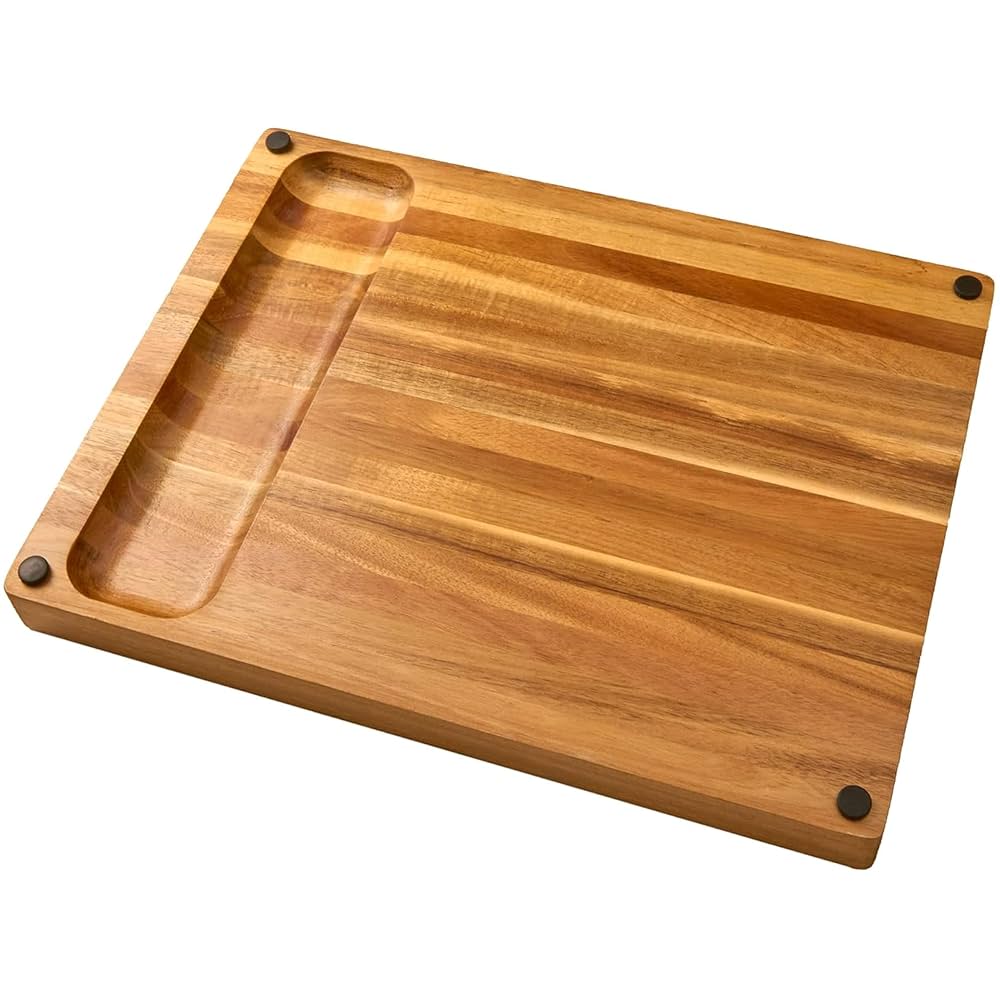
Have you ever stopped to think about the simple tool that makes your kitchen work easier every day? A chopping board might seem like just a flat surface, but it plays a big role in your cooking routine.
Whether you’re slicing vegetables, cutting meat, or preparing fruits, your chopping board is there to keep things neat and safe. Curious to know why choosing the right chopping board matters and how it can change the way you cook? Keep reading, and you’ll discover everything you need to know to make your kitchen tasks smoother and more enjoyable.
Types Of Chopping Boards
Chopping boards come in many materials. Each type has good and bad points.
Choosing the right board helps keep your kitchen safe and clean. It also makes cutting easier.
Wooden Boards
Wooden boards are classic and strong. They are gentle on knives and last long with care.
They can absorb moisture, so cleaning well is important to stop germs.
Plastic Boards
Plastic boards are light and easy to clean. Many are dishwasher safe.
- They come in many colors for different foods.
- Plastic can get cuts and hold bacteria if not cleaned well.
- They are good for raw meat and fish.
Bamboo Boards
Bamboo boards are eco-friendly and hard. They do not absorb much water.
They are tougher on knives than wood but are less likely to crack.
Glass And Marble Boards
Glass and marble boards look nice and are easy to clean. They do not absorb stains.
| Material | Pros | Cons |
|---|---|---|
| Glass | Easy to clean, stain-resistant | Hard on knives, can slip |
| Marble | Durable, cool surface | Heavy, can chip or crack |

Credit: www.amazon.ca
Choosing The Right Material
A chopping board is an essential kitchen tool. The material you choose affects its use and care.
Picking the right material helps keep your kitchen safe and your knives sharp.
Durability And Maintenance
Some materials last longer and need less care. Wood boards can last many years with regular oiling.
Plastic boards are easy to clean but may wear out faster. Bamboo is strong and needs less water.
- Wood: durable, needs oiling to avoid cracks
- Plastic: easy to clean, may get scratches
- Bamboo: hard, resists water better
Knife Friendliness
Soft materials protect knife edges. Hard surfaces can dull knives quickly.
Wood and bamboo are gentle on knives. Plastic boards are softer than glass or stone.
- Wood: gentle, keeps knives sharp
- Bamboo: firm but still safe for knives
- Plastic: soft, but may need replacing
- Glass/Stone: hard, dulls knives fast
Hygiene Considerations
Some materials are easier to clean and resist bacteria better. Plastic boards can go in the dishwasher.
Wood has natural antibacterial properties but needs good drying. Bamboo also resists bacteria well.
- Plastic: dishwasher safe, easy to sanitize
- Wood: antibacterial, must dry fully
- Bamboo: resists bacteria, needs care
- Glass/Stone: very clean, but hard on knives
Environmental Impact
Materials from nature break down faster. Wood and bamboo are renewable and eco-friendly.
Plastic boards come from non-renewable sources and take long to decompose. Choose materials that reduce waste.
- Wood: renewable, biodegradable
- Bamboo: fast growing, sustainable
- Plastic: non-renewable, long-lasting waste
- Glass/Stone: natural but energy-heavy to make
Sizes And Shapes
Chopping boards come in many sizes and shapes. Each size fits different kitchen tasks.
Choosing the right board helps keep food prep safe and easy.
Small Boards For Quick Tasks
Small chopping boards are easy to handle. They work well for cutting fruits or small veggies.
These boards save space and clean quickly.
- Size: Usually under 12 inches long
- Lightweight and easy to move
- Good for quick snacks or small ingredients
Large Boards For Big Prep
Large chopping boards give plenty of space for big jobs. They work well for cutting meat or many vegetables.
These boards help keep your kitchen clean by holding all the food in one place.
- Size: Typically 15 inches or longer
- Offers more cutting space
- Usually heavier but stable on counters
Specialty Shapes And Features
Some chopping boards have special shapes or features to help cooking. These include juice grooves or handles.
Unique shapes fit certain foods or make cleaning easier.
- Boards with juice grooves catch liquids
- Handles make moving the board simple
- Round or oval boards fit small spaces
- Foldable boards help pour chopped food into pots
Care And Cleaning Tips
A chopping board is an essential kitchen tool. It helps prepare food safely and cleanly.
Proper care keeps your board safe to use and lasts longer. Cleaning removes germs and food bits.
Daily Cleaning Practices
Clean your chopping board after each use. Use warm water and dish soap to wash it well.
Rinse the board fully and dry it with a clean towel. Avoid soaking wood boards in water.
Deep Cleaning Methods
Deep clean your board once a week. This removes tough stains and hidden bacteria.
- Sprinkle coarse salt on the board surface
- Rub the salt with a half lemon to scrub it
- Let it sit for 5 minutes, then rinse with warm water
- Dry thoroughly before storing
You can also use a mixture of baking soda and water for tough odors.
Avoiding Cross-contamination
Use separate boards for raw meat, vegetables, and cooked food. This stops germs from spreading.
- Label or color-code boards for different uses
- Clean boards immediately after contact with raw meat
- Use plastic boards for meat and wood for veggies if preferred
When To Replace Your Board
Replace your chopping board if deep cuts or cracks appear. These can hide bacteria.
If the board smells bad even after cleaning, it may be time for a new one.
Innovative Features And Accessories
Chopping boards have evolved with useful features. These help in cooking and food preparation.
Some chopping boards come with smart designs to make cutting safer and cleaner.
Non-slip Edges
Non-slip edges keep the board steady on the counter. This prevents accidents while cutting.
These edges often use rubber or silicone material. They grip surfaces firmly to stop sliding.
Built-in Measurement Guides
Some chopping boards have measurement marks on the surface. These help to cut food into specific sizes.
These guides save time and reduce the need for extra tools. They are handy for recipes needing exact cuts.
- Ruler lines for length and width
- Circle templates for slicing round items
- Portion size indicators for balanced meals
Juice Grooves And Compartments
Juice grooves catch liquids from fruits or meats. This keeps the countertop clean.
Some boards have compartments for holding chopped ingredients. This helps organize food while cooking.
- Grooves prevent spills and messes
- Compartments separate different foods
- Useful for meal prep and serving

Credit: www.amazon.ca
Common Mistakes To Avoid
Using a chopping board is simple, but many people make avoidable mistakes. These errors can affect food safety and the board’s lifespan.
Learn about common mistakes when using chopping boards. Avoid these to keep your kitchen safe and clean.
Using The Wrong Board For Certain Foods
Different foods need different boards. Using one board for all foods can cause cross-contamination. For example, raw meat and vegetables should not share the same board.
- Use a separate board for raw meat and seafood.
- Have a different board for fruits and vegetables.
- Avoid using the same board for bread and raw meat.
- Color-coded boards help keep foods separate.
Neglecting Regular Maintenance
Cleaning and oiling your chopping board keeps it safe and lasts longer. Many forget to clean properly or treat wooden boards with oil.
| Maintenance Task | Why It Matters |
|---|---|
| Wash after every use | Prevents bacteria buildup |
| Dry completely | Stops warping and cracking |
| Oil wooden boards monthly | Keeps wood from drying out |
| Use mild soap | Protects board surface |
Ignoring Signs Of Wear
Boards get cuts and grooves from knives. Ignoring these signs can cause bacteria to hide in cracks. Replace or repair boards when needed.
- Check for deep cuts or cracks regularly.
- Sanding wooden boards can smooth out small grooves.
- Replace boards with large cracks or heavy wear.
- Worn boards can cause food safety risks.

Credit: www.amazon.ca
Frequently Asked Questions
What Materials Are Chopping Boards Made From?
Chopping boards are commonly made from wood, plastic, or bamboo. Wood offers durability and knife-friendliness. Plastic boards are lightweight and dishwasher safe. Bamboo boards are eco-friendly and resistant to bacteria. Each material has its own benefits and is suitable for different kitchen needs.
How Do You Clean A Chopping Board?
To clean a chopping board, wash it with hot, soapy water. Rinse thoroughly and dry immediately. For wooden boards, avoid soaking to prevent warping. Occasionally, sanitize with a solution of vinegar or bleach. Regular maintenance ensures hygiene and extends the board’s lifespan.
Why Use A Chopping Board In The Kitchen?
Chopping boards protect countertops from scratches and knife damage. They provide a stable surface for cutting and chopping. Using a board helps maintain hygiene by preventing cross-contamination. They are essential tools for efficient and safe food preparation in any kitchen.
Can A Chopping Board Be Used For All Foods?
Yes, but it’s best to use separate boards for different foods. Designate specific boards for raw meat, vegetables, and cooked foods. This practice prevents cross-contamination and ensures food safety. Having multiple boards in various colors can help easily distinguish their specific uses.
Conclusion
A chopping board is a simple yet essential kitchen tool. It helps keep your food safe and your kitchen clean. Choosing the right board depends on your needs and cooking style. Wooden boards are gentle on knives, while plastic boards are easy to clean.
Always keep your chopping board dry and clean to avoid germs. This small tool makes food preparation easier and safer every day. Remember, a good chopping board is a kitchen’s best friend.