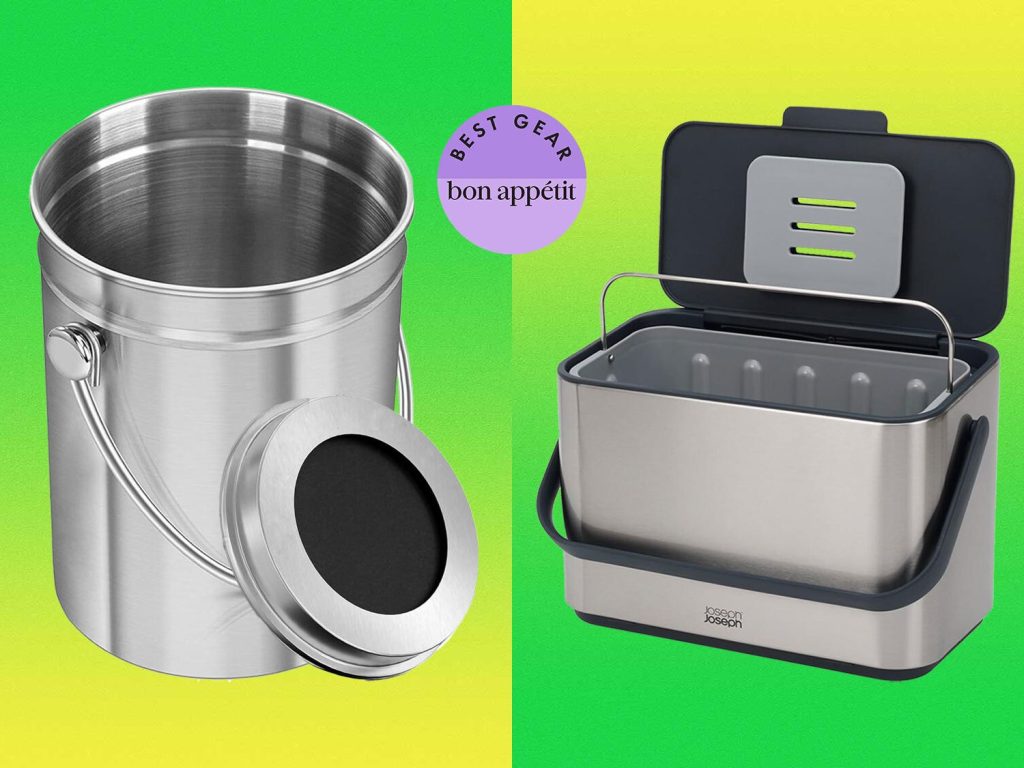
Have you ever wondered what to do with your kitchen scraps and garden waste instead of tossing them in the trash? A compost bin might be the answer you’re looking for.
But what exactly is a compost bin used for, and how can it benefit you and your garden? If you want to turn everyday waste into something valuable, keep reading. This simple tool can transform your leftovers into rich, natural fertilizer, saving you money and helping the environment.
By the end of this article, you’ll understand how a compost bin works and why it’s a must-have for anyone who cares about waste and gardening.
Purpose Of A Compost Bin
A compost bin helps turn waste into useful material. It is a container where organic waste breaks down naturally. This process creates compost, a rich soil additive.
Using a compost bin supports gardening and reduces trash. It helps recycle kitchen scraps and yard waste. This benefits the environment and plants.
Reducing Kitchen Waste
A compost bin collects food scraps that usually go to the trash. It keeps waste like vegetable peels, coffee grounds, and eggshells out of landfills. This lowers garbage volume and pollution.
- Fruit and vegetable scraps
- Coffee filters and grounds
- Eggshells and nut shells
- Tea bags
- Bread and grains
Creating Nutrient-rich Soil
Compost improves soil by adding nutrients and organic matter. It helps soil hold water and supports healthy plant growth. Gardeners use compost to make soil fertile and strong.
| Soil Benefit | Effect |
| Improves soil texture | Makes soil softer and easier to work |
| Increases nutrient content | Feeds plants naturally |
| Enhances water retention | Reduces need for frequent watering |
| Supports beneficial microbes | Protects plants from diseases |
Supporting Sustainable Gardening
Composting reduces the need for chemical fertilizers. It lowers waste and promotes eco-friendly gardening. Using compost helps gardens stay healthy and balanced.
Ways compost supports sustainability:
- Reduces landfill waste and methane emissions
- Recycles nutrients back into the soil
- Encourages native plant growth
- Decreases water runoff and soil erosion
Types Of Compost Bins
Compost bins help turn kitchen scraps and yard waste into nutrient-rich soil. Different types of compost bins suit various needs and spaces.
Choosing the right compost bin can make composting easier and faster. Here are the main types of compost bins.
Tumbler Compost Bins
Tumbler compost bins are containers that you can spin or turn. This action mixes the compost materials and adds oxygen. They usually have a closed design to keep pests out.
- Easy to turn and mix compost
- Speeds up decomposition
- Keeps pests and odors under control
- Needs space to spin the bin
Stationary Compost Bins
Stationary compost bins stay in one place. They are simple containers or bins that hold compost materials. These bins need manual mixing with a tool or pitchfork.
| Feature | Description |
| Movement | Fixed, does not rotate |
| Size | Varies from small to large |
| Mixing | Manual with tools |
| Cost | Usually lower than tumblers |
Vermicompost Bins
Vermicompost bins use worms to break down food scraps. The worms eat the waste and create rich compost called worm castings. These bins are often small and kept indoors or in shaded areas.
- Produces high-quality compost
- Works quickly with the help of worms
- Good for small spaces
- Requires feeding worms regularly
Materials Suitable For Composting
A compost bin turns waste into rich soil. You need the right materials to start composting well.
Some things break down fast and help plants grow. Other things slow the process or cause bad smells.
Organic Kitchen Scraps
Kitchen scraps are great for compost bins. They add moisture and nutrients to the pile.
Use fruit and vegetable peels, coffee grounds, and eggshells. These materials break down quickly.
- Fruit peels and scraps
- Vegetable scraps
- Used coffee grounds and filters
- Crushed eggshells
- Tea bags (without plastic)
Yard Waste
Yard waste adds bulk and carbon to your compost. It helps balance the kitchen scraps.
Use grass clippings, leaves, and small branches. These materials break down slower but are important.
- Grass clippings
- Dry leaves
- Small twigs and branches
- Plant trimmings and dead flowers
Items To Avoid
Some materials harm compost or attract pests. Avoid adding these to your compost bin.
Meat, dairy, and oily foods cause bad smells. Also, avoid diseased plants and pet waste.
- Meat and fish scraps
- Dairy products like cheese and milk
- Oily or greasy food leftovers
- Diseased or insect-infested plants
- Pet waste and cat litter
- Plastic, glass, and metal

Credit: www.consumerreports.org
Setting Up A Compost Bin
Compost bins help turn food scraps and yard waste into rich soil. This soil can boost garden growth and reduce waste. Setting up a compost bin is simple and rewarding.
To begin, you need to choose a good spot for your bin. Then, prepare the bin itself. Finally, learn how to balance the materials inside.
Choosing The Right Location
Pick a spot that is easy to reach but not too visible. It should be close to your garden for easy access. The location needs some shade to keep the compost moist.
Avoid places that are too sunny or too windy. These spots can dry out your compost. Also, keep the bin away from your home to avoid any unwanted smells.
Preparing The Bin
Choose a bin size that matches your needs. You can buy one or make your own. Make sure the bin has good air flow.
Drill holes in the sides for air. Place the bin on soil, not concrete. This allows worms and bugs to help break down the compost.
Balancing Green And Brown Materials
Green materials are rich in nitrogen, like fruit scraps and grass clippings. Brown materials are rich in carbon, like leaves and paper.
Mixing these materials helps compost break down faster. Aim for a balance of equal parts green and brown materials.
- Green materials: fruit scraps, vegetable peels, coffee grounds
- Brown materials: dried leaves, straw, shredded paper
Maintaining Your Compost Bin
Keeping your compost bin healthy helps break down waste faster. Regular care stops bad smells and pests.
Good maintenance means turning the compost, checking moisture, and fixing issues early.
Turning And Aerating
Turning your compost mixes the materials and adds air. This helps bacteria and worms work well.
Use a pitchfork or compost turner every few days. This prevents the pile from getting smelly or soggy.
- Turn the compost at least once a week
- Mix new and old materials evenly
- Check that the pile is warm inside
Managing Moisture Levels
Compost should be as damp as a wrung-out sponge. Too dry or too wet slows down the process.
If the compost feels dry, add water slowly. If it is too wet, add dry materials like leaves or paper.
- Check moisture by squeezing compost in your hand
- Add water if it feels dry and crumbly
- Add dry materials if it feels soggy or leaks liquid
Troubleshooting Common Issues
Sometimes compost bins have problems like bad smells, pests, or slow decay. Fixing these helps compost well.
Bad smells often mean the compost is too wet or not enough air. Pests come from food scraps like meat or dairy.
- If compost smells bad, turn it and add dry materials
- Keep meat, dairy, and oily foods out of the bin
- Cover fresh food scraps with brown materials like leaves
- If pests appear, close the bin lid tightly and check for holes
- Break up clumps that slow down decomposition

Credit: www.homebiogas.com
Benefits Of Using A Compost Bin
Compost bins help turn kitchen and garden waste into rich soil material.
Using a compost bin supports the environment and helps your plants grow better.
Reducing Landfill Waste
Food scraps and yard waste make up a large part of landfill trash. Compost bins reduce this waste by recycling it naturally.
- Less trash goes to landfills.
- Fewer greenhouse gases like methane are released.
- It lowers the need for trash collection and transport.
Improving Soil Health
Compost is full of nutrients that plants need. It improves soil texture and water retention.
| Benefit | Description |
| Soil Fertility | Compost adds nitrogen, phosphorus, and potassium. |
| Water Retention | Helps soil keep moisture longer, reducing watering needs. |
| Soil Structure | Improves aeration and root growth. |
Saving Money On Fertilizers
Making your own compost means less need to buy commercial fertilizers.
- Compost is free once you start your bin.
- You reduce costs on chemical fertilizers.
- It helps avoid expenses related to soil damage from over-fertilizing.
Composting Tips For Beginners
Composting helps turn kitchen scraps and yard waste into rich soil. It is easy to start with a compost bin at home. You only need a few simple steps to begin.
This guide gives tips for beginners to make composting effective and fun. Learn how to avoid mistakes and use compost in your garden.
Start Small
Begin with a small compost bin to manage waste easily. Use a container that fits your space and the amount of scraps you produce.
- Choose a bin size that suits your needs
- Place the bin in a shady, dry spot
- Add kitchen scraps like fruit and vegetable peels
- Include dry leaves or shredded paper for balance
- Turn the compost weekly to help it break down
Avoid Common Mistakes
Many new composters make simple mistakes that slow the process. Watch out for these common errors.
| Mistake | Why It Happens | How to Fix |
| Too Wet | Adding too many food scraps or water | Mix in dry materials like leaves |
| Too Dry | Not adding enough scraps or water | Spray water lightly and add green scraps |
| Bad Smell | Not enough air or too much wet waste | Turn the pile often and add dry materials |
| Slow Breakdown | Large pieces or no turning | Chop scraps and turn compost weekly |
Use Compost In Your Garden
After a few months, compost turns into dark, crumbly soil. This natural fertilizer is great for plants and gardens.
Here are ways to use your compost:
- Mix compost into garden soil to improve texture
- Use as mulch around plants to keep soil moist
- Add to potted plants to supply nutrients
- Top dress lawns to help grass grow strong

Credit: www.bamboozlehome.com
Frequently Asked Questions
What Is The Primary Use Of A Compost Bin?
A compost bin is used to recycle organic waste into nutrient-rich soil. It helps reduce landfill waste and enrich garden soil naturally.
How Does A Compost Bin Benefit Garden Soil?
Compost bins create humus that improves soil structure, moisture retention, and nutrient content, promoting healthier plant growth.
Can A Compost Bin Reduce Household Waste?
Yes, a compost bin significantly lowers kitchen and garden waste by turning food scraps and yard debris into compost.
What Materials Can I Put In A Compost Bin?
You can compost fruit and vegetable scraps, coffee grounds, eggshells, grass clippings, leaves, and small branches.
Conclusion
A compost bin helps turn food scraps and yard waste into rich soil. It reduces trash and supports plant growth naturally. Using one is simple and good for the environment. It saves money by cutting down on fertilizers. Anyone can start composting with just a little effort.
It’s a smart way to care for your garden and the planet. Try it and see how easy and useful composting can be. Small changes make a big difference over time.