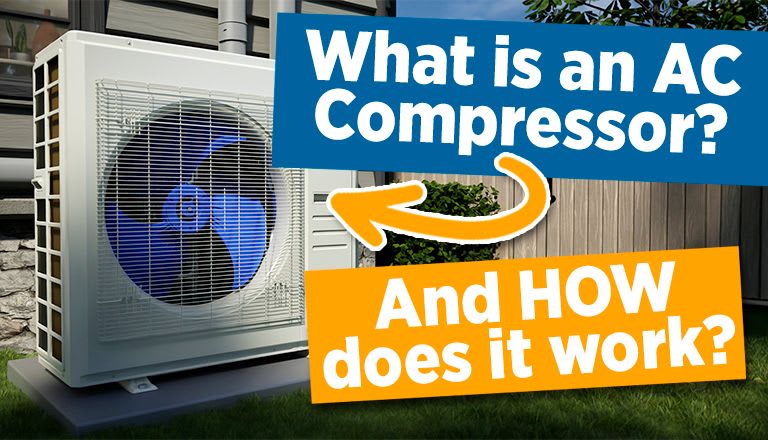
Have you ever wondered what makes your air conditioner cool the room so effectively? The secret lies in a crucial part called the compressor.
Without it, your AC wouldn’t be able to keep you comfortable on hot days. Understanding what a compressor does can help you take better care of your air conditioner and even save on energy bills. Keep reading to discover how this small but powerful component works and why it matters to your home’s cooling system.
Role Of The Compressor
The compressoris the heart of an air conditioner’s cooling cycle. It pressurizesthe refrigerant gas, turning it into a hot, high-pressure vapor. This process helps the refrigerant move through the system efficiently.
It pushesthe refrigerant into the condenser coils. There, the heat is released, and the gas cools down into a liquid. This liquid then travels to the evaporator, where it absorbs heat from the indoor air.
Without the compressor, the refrigerant would not flow properly. The cooling process would stop, and the air conditioner would not work.
| Compressor Role | Function |
|---|---|
| Pressurizes Refrigerant | Turns gas into high-pressure vapor |
| Moves Refrigerant | Pushes refrigerant through coils |
| Supports Cooling | Allows heat to be released and absorbed |

Credit: atlasacrepair.com
Types Of Compressors
Reciprocating compressorsuse pistons to compress air. They are common in small to medium AC units. These compressors are reliable but can be noisy and use more energy.
Rotary compressorshave a rotating part that compresses the air. They are compact and quieter than reciprocating types. These compressors work well in small air conditioners.
Scroll compressorsuse two spiral parts to compress air. They are smooth and quiet. Scroll compressors are efficient and last longer, often found in modern AC systems.
Centrifugal compressorsuse a spinning wheel to push air outward. These are used in large cooling systems. They can handle high volumes of air but are bigger and costlier.
How Compressors Impact Efficiency
The compressorcontrols how much energy the air conditioner uses. It pumps the refrigerant through the system, which needs power. A high-efficiency compressoruses less electricity but works just as well. This saves money on bills.
Energy use depends on:
- Compressor type (scroll, rotary, or reciprocating)
- Size of the compressor
- How well it cools the air
The compressor’s work directly affects cooling performance. A strong compressor moves refrigerant faster, cooling rooms quickly. If the compressor is weak, cooling is slow and uneven.
Common Compressor Problems
Signs of compressor failureinclude strange noises, like buzzing or clicking. The air conditioner may blow warm air instead of cold. Sometimes, the unit turns on and off quickly. High electricity bills can also signal compressor issues. A burning smell might come from the unit if the compressor is overheating.
Troubleshooting tips start with checking the power supply. Make sure the circuit breaker is not tripped. Clean or replace air filters regularly to avoid strain on the compressor. Check for any visible damage or leaks in the outdoor unit. If the compressor is hot, turn off the AC and let it cool. Calling a professional is best if problems persist or you notice strange noises or smells.
Maintaining Your Compressor
Routine checkshelp keep the compressor in good shape. Look for any unusual noisesor vibrations. Check if the compressor gets too hot during operation. Clean the surrounding area to avoid dust buildup. Make sure the electrical connections are tight and secure. Inspect the refrigerant level; low refrigerant can harm the compressor.
Preventive maintenance practicescan extend the compressor’s life. Change or clean air filters regularly to keep airflow steady. Schedule professional inspections yearly to catch issues early. Use a voltage meterto test compressor power. Lubricate moving parts if needed. Keep outdoor units free from debris and plants. Regular care reduces breakdownsand saves money.

Credit: www.amazon.com
Choosing The Right Compressor
Choosing the right compressoris key for your air conditioner’s performance. The compressor must match the AC sizeto work well and avoid damage. A compressor too small won’t cool properly. Too big wastes energy and money.
Energy efficiency is important. Look for high ratingsto save on bills. Efficient compressors use less electricity and last longer. Check the Energy Efficiency Ratio (EER)or Seasonal Energy Efficiency Ratio (SEER)when selecting.
| AC Size (Tons) | Recommended Compressor Size | Energy Efficiency Rating |
|---|---|---|
| 1 – 1.5 | 1 – 1.5 Ton Compressor | EER 10 or higher |
| 2 – 3 | 2 – 3 Ton Compressor | EER 11 or higher |
| 4 – 5 | 4 – 5 Ton Compressor | EER 12 or higher |

Credit: www.amazon.com
Frequently Asked Questions
What Is The Function Of A Compressor In An Air Conditioner?
The compressor in an air conditioner compresses refrigerant gas, raising its pressure and temperature. This process enables efficient heat exchange, cooling indoor air effectively.
How Does A Compressor Affect Air Conditioner Performance?
The compressor controls refrigerant flow and pressure, directly impacting cooling efficiency. A well-functioning compressor ensures optimal temperature regulation and energy use.
What Are Common Signs Of A Faulty Air Conditioner Compressor?
Signs include unusual noises, reduced cooling, frequent cycling, and higher energy bills. These indicate compressor issues needing prompt repair or replacement.
Can An Air Conditioner Work Without A Compressor?
No, the compressor is essential for circulating refrigerant and enabling heat transfer. Without it, the air conditioner cannot cool the air.
Conclusion
Understanding the compressor in an air conditioner is essential. It plays a crucial role in cooling. Without it, the system won’t work effectively. The compressor circulates refrigerant, keeping your space comfortable. Regular maintenance ensures it functions well. A malfunctioning compressor can lead to higher bills.
Or even system failure. So, always keep an eye on its performance. Simple checks can prevent bigger issues. Remember, a healthy compressor means a longer-lasting air conditioner. Stay cool and save money by knowing your compressor better.