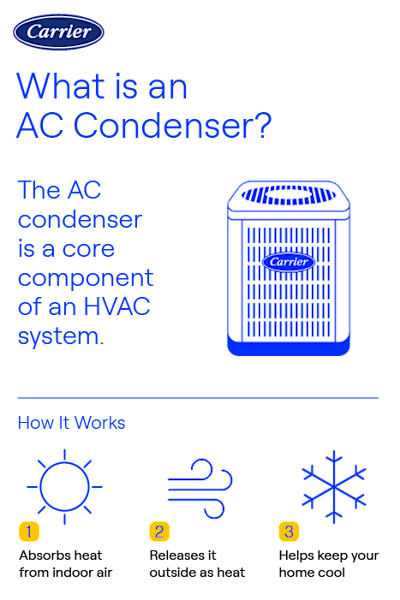
Have you ever wondered how your air conditioner keeps your home cool and comfortable? One key part making this possible is the condenser air conditioner.
Understanding what a condenser air conditioner is can help you make smarter choices about your cooling system and save money on energy bills. You’ll discover how this essential component works and why it matters to your comfort. Keep reading to learn everything you need to know about condenser air conditioners and how they can improve your home’s cooling efficiency.
Basics Of Condenser Air Conditioners
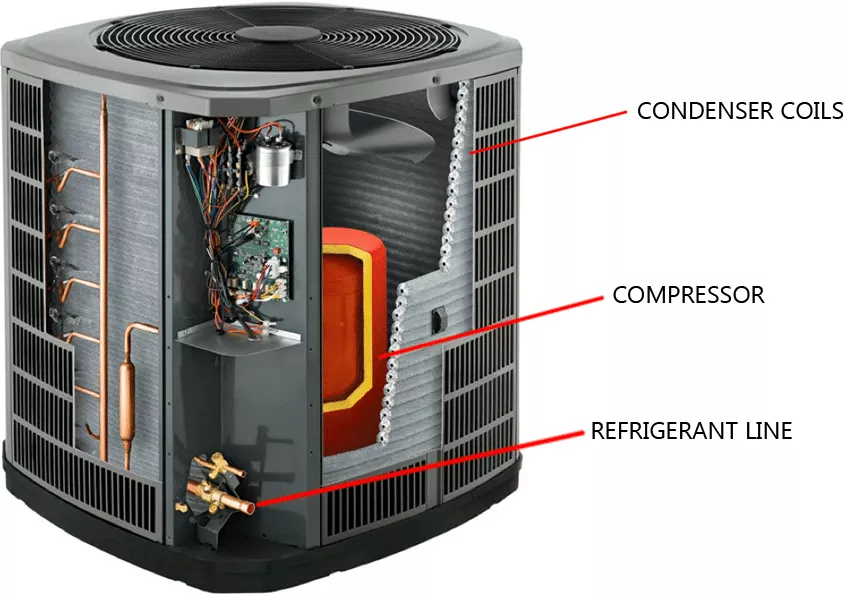
A condenser air conditionercools indoor air by removing heat. It has key parts that work together to cool rooms efficiently.
- Compressor:Pumps refrigerant and raises its pressure.
- Condenser coil:Releases heat from the refrigerant to outside air.
- Expansion valve:Lowers refrigerant pressure before it enters the evaporator.
- Evaporator coil:Absorbs heat from indoor air, cooling it.
- Fan:Moves air over the coils to help heat exchange.
The process starts with the compressor compressing refrigerant gas. The hot gas moves to the condenser coil, where it cools down and turns into liquid.
This liquid passes through the expansion valve, which lowers its pressure. Then, it goes to the evaporator coil inside the home.
The evaporator coil absorbs heat from the air. A fan blows cool air inside while the refrigerant warms up and turns back into gas.
The gas returns to the compressor, and the cycle repeats. This is how the air conditioner keeps your space cool.
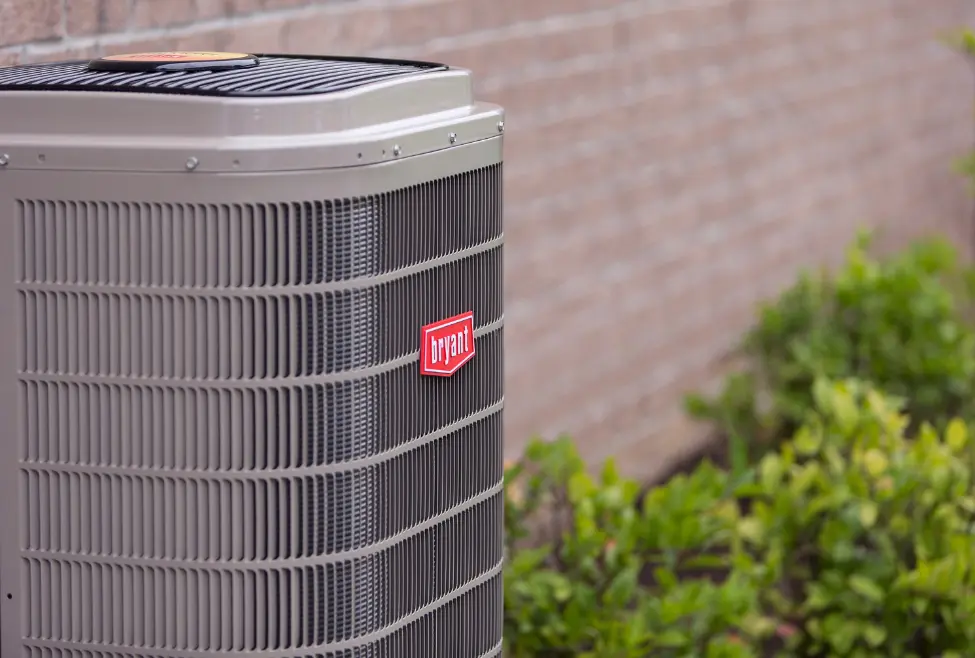
Credit: www.lochardplumbingheatingandcooling.com
Types Of Condenser Units
Air-cooled condensersuse fans to blow air over coils. This air removes heat from the refrigerant. They are common in homes and small buildings. These units are easy to install and maintain. However, they may be less efficient in very hot climates.
Water-cooled condensersuse water to cool the refrigerant. Water flows through tubes inside the unit. The heat transfers from refrigerant to water. These condensers are more efficient and quieter. They need a steady water supply and regular cleaning.
Evaporative condenserscombine air and water to cool refrigerant. Water sprays over coils while air moves through. The water evaporates, carrying heat away. These units use less water than water-cooled types. They work well in dry climates but need maintenance to avoid buildup.
Advantages Of Condenser Air Conditioners
Energy efficiencyhelps save electricity bills. Condenser air conditioners use less power than older types. They cool rooms faster, so machines run for a shorter time. This means less energy is wasted. Many models have smart features to adjust cooling automatically.
Durability and maintenanceare important. These units are built to last for many years. They need little care, just regular cleaning of filters. The parts inside are strong and resist wear. This reduces repair costs and hassle.
Cost benefitscome from low energy use and durability. Buying a condenser air conditioner might cost a bit more upfront. But in the long run, it saves money on bills and repairs. It is a smart choice for budget-conscious buyers.

Credit: www.master.ca
Common Applications
Condenser air conditionersare widely used in different places to keep air cool and fresh. They help improve comfort and air quality effectively.
Residential Use:These units cool homes efficiently. They work quietly and save energy, making homes comfortable in hot weather.
Commercial Buildings:Offices, shops, and malls use condenser air conditioners to keep spaces cool. They maintain a pleasant environment for workers and customers.
Industrial Settings:Factories and warehouses use these units to control temperature. They protect machines and products from heat damage.
Factors Affecting Cooling Efficiency
Environmental conditionslike outside temperature and humidity impact cooling. Hotter air makes the condenser work harder. High humidity slows down cooling because moisture holds heat. Proper ventilation around the unit helps it run smoothly. Avoid placing the air conditioner near heat sources or direct sunlight.
System designaffects how well the air conditioner cools a room. Size matters: too small, and it won’t cool enough; too large wastes energy. The quality of parts like compressors and coils also plays a big role. Efficient designs use less power and cool faster.
Regular maintenancekeeps the air conditioner working at its best. Cleaning or replacing filters often improves airflow. Clearing debris from the condenser coil helps heat escape. Checking refrigerant levels and fixing leaks ensures proper cooling. Regular care extends the system’s life and saves money.
Credit: kayplumbing.com
Tips To Maximize Efficiency
Proper installationensures the condenser air conditioner works well. Place it in a shaded, open area for better airflow. Avoid tight spaces that block air movement. Use a level surface to stop vibrations and noise.
Routine cleaning helps keep the unit efficient. Clean or replace filters every month. Remove dust and debris from coils and fins. Clear leaves and dirt around the outdoor unit to improve airflow.
Upgrading components can boost performance. Use energy-efficient fans and motors. Consider installing a smart thermostat for better temperature control. Upgrading to newer refrigerants can also improve cooling and save energy.
Troubleshooting Common Issues
Overheatingin condenser air conditioners often happens due to dirty coils or blocked airflow. Check and clean the coils regularly to avoid heat buildup. Make sure the fan is working well to keep air moving.
Refrigerant leaksreduce cooling power and can damage the system. Look for oily spots or hissing sounds near pipes. Calling a professional to fix leaks and refill refrigerant is best.
- Noisemight come from loose parts or worn-out fan blades. Tighten screws and replace damaged parts to stop rattling sounds.
- Vibrationoften occurs if the unit is not level or mounted securely. Ensure the air conditioner sits flat on a stable surface.
Future Trends In Condenser Technology
Eco-friendly refrigerantshelp reduce harm to the environment. They use less energy and create fewer gases that warm the planet. New refrigerants are safer and break down faster in nature.
Smart controlslet users adjust the air conditioner easily. These systems can learn your schedule and save energy by turning off when not needed. They can also be controlled from a phone or tablet.
Improved heat exchange designsmake condensers work better. These designs move heat faster and use less power. This means the air conditioner cools more efficiently and costs less to run.
Frequently Asked Questions
What Is A Condenser In An Air Conditioner?
A condenser is a key component in an AC system that releases heat from the refrigerant. It cools the refrigerant gas into a liquid, enabling the cooling cycle to continue efficiently.
How Does A Condenser Air Conditioner Work?
It works by compressing refrigerant gas, then releasing heat through the condenser coil. This process cools indoor air by circulating cooled refrigerant through the system.
What Are The Benefits Of A Condenser Air Conditioner?
Condenser AC units provide efficient cooling, lower energy consumption, and quieter operation. They also extend the lifespan of your air conditioner with proper maintenance.
Where Is The Condenser Located In An Air Conditioner?
The condenser is usually located outside the building. It works alongside the compressor and fan to expel heat from inside to the outdoors.
Conclusion
Condenser air conditioners offer efficient cooling for homes and offices. They work by extracting heat and releasing it outside. This helps maintain a comfortable indoor environment. Regular maintenance ensures longer life and better performance. It’s important to check filters and clean the unit often.
Choosing the right size for your space is crucial. This improves energy efficiency and reduces costs. Understanding these basics helps make smarter decisions. Stay cool and enjoy the benefits of a condenser air conditioner. Thank you for reading.