Have you ever wondered what makes your air conditioner cool the air so effectively? One key part you might not know much about is the condenser.
Understanding what a condenser does can help you take better care of your AC and keep your home comfortable all year round. You’ll discover exactly what a condenser for an air conditioner is, why it’s important, and how it works.
By the end, you’ll feel confident about this vital piece of your cooling system—and maybe even spot when it needs a little attention. Keep reading to learn more!
Role Of The Condenser
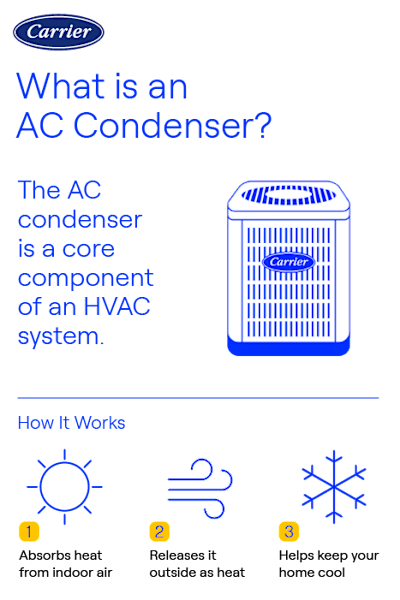
The condenseris a key part of an air conditioner. It helps move heat from inside to outside. The heat transfer process cools the air inside your home.
In the heat transfer process, hot gas from the compressor enters the condenser. The gas cools down and changes into a liquid. This releases heat to the outside air.
The condenser is placed outside the building. It works with the compressor and evaporator. Together, they keep your home cool and comfortable.
| Component | Position | Role |
|---|---|---|
| Compressor | Outdoor unit | Pumps hot gas to the condenser |
| Condenser | Outdoor unit | Cools hot gas, releases heat outside |
| Evaporator | Indoor unit | Absorbs heat from indoor air |
Types Of Ac Condensers
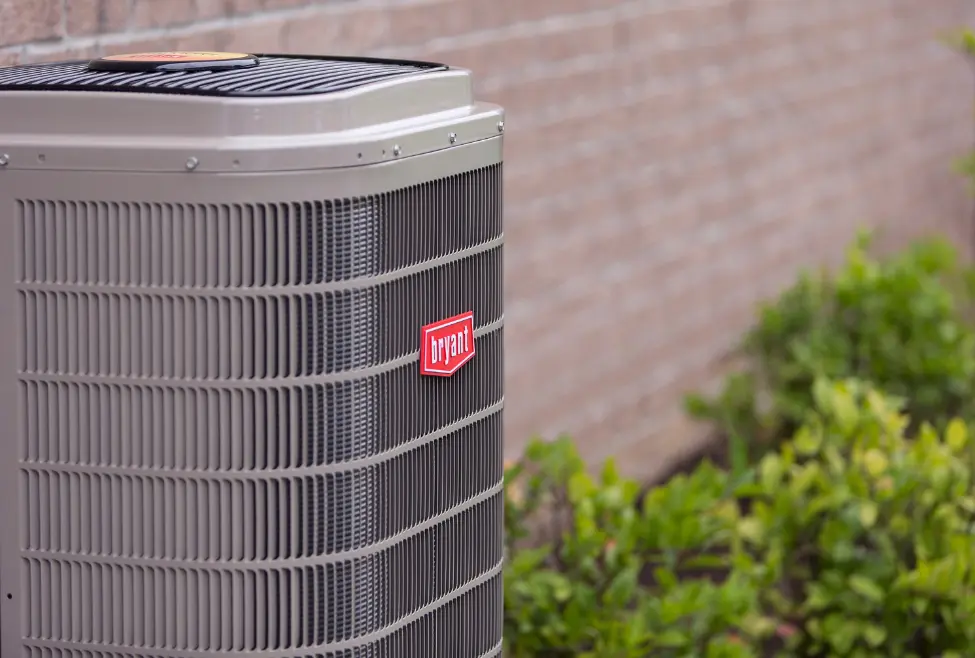
Air-cooled condensersuse fans to blow air over coils. This air removes heat from the refrigerant inside. They are common in homes and small buildings. These units are easy to install and maintain.
Water-cooled condensersuse water to cool refrigerant. Water flows through tubes, absorbing heat. These condensers are more efficient but need a water source. Often used in large buildings or factories.
Evaporative condenserscombine air and water to cool refrigerant. Water sprays over coils while fans blow air. This causes water to evaporate, taking heat away. These are energy-efficient and used in industrial systems.
Key Components Of A Condenser
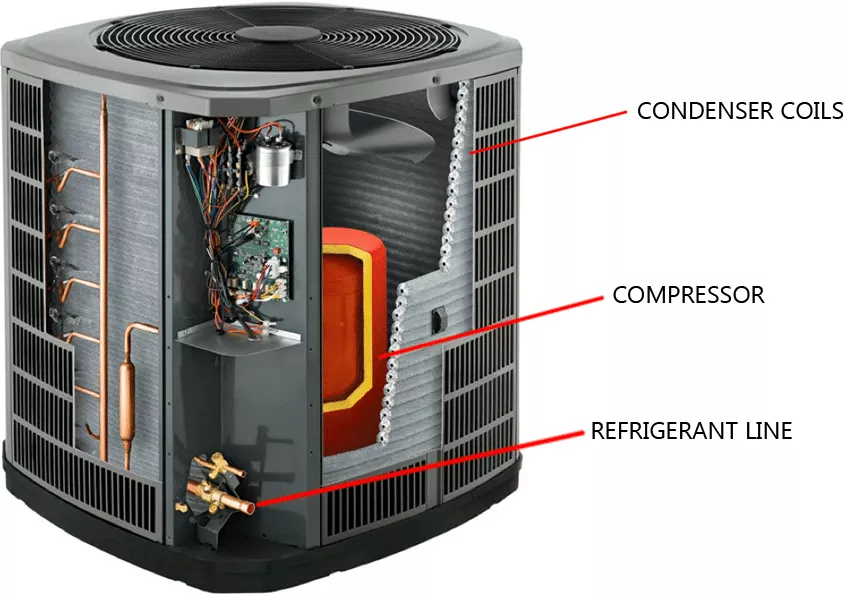
The condenser coilsare metal tubes where hot gas cools down and turns into liquid. They help move heat outside the house.
Fans and motorsblow air over the condenser coils. This air cools the hot gas inside the coils. The motor powers the fan to keep it running.
The refrigerant flowmoves the cooling liquid through the system. It carries heat from inside the house to the outside. This flow is key to making the air conditioner work well.
Credit: www.lochardplumbingheatingandcooling.com
How Condensers Impact Efficiency
Condensersplay a key role in an air conditioner’s energy use. A well-maintained condenser uses less electricity. It keeps the system running smoothly without extra power.
Good condenser design improves cooling performance. It helps the air conditioner remove heat faster. This means rooms cool down quicker and stay comfortable.
- Lower energy bills due to efficient condensers
- Better cooling keeps home temperature steady
- Reduced strain on the air conditioner parts
- Longer lifespan for the cooling system
Common Condenser Issues
Clogged coilsreduce the condenser’s ability to cool air. Dirt and debris block airflow. This makes the unit work harder and uses more energy. Cleaning coils often keeps the system efficient.
Fan malfunctionsstop proper airflow. Fans help move heat away from the condenser. Broken or stuck fans cause the system to overheat. This can lead to a full breakdown.
Leaks and corrosioncause refrigerant loss. Low refrigerant means less cooling power. Corrosion damages metal parts and weakens the unit. Regular checks help find leaks early.

Credit: vandyckmechanical.com
Maintenance Tips For Condensers
Regular cleaning keeps the condenserfree of dirt and debris. This helps the air conditioner work betterand last longer. Use a soft brush or cloth to clean the fins gently. Avoid using high pressure water which can damage parts.
Inspection routines help catch problems early. Look for bent fins, leaks, or unusual noises. Check the fan and motor to ensure they run smoothly. Regular checks help avoid costly repairs.
Professional servicing is important for deep cleaningand thorough checks. A technician can clean coils, check refrigerant levels, and fix small issues. Schedule service at least once a year for best performance.
Upgrading Your Condenser
Upgrading your condensercan improve air conditioner efficiency. Some common signsshow a replacement is needed. These include strange noises, frequent breakdowns, and higher energy bills. If the unit runs constantlywithout cooling well, it may be time to change it. A worn-out condenser can cause the whole system to fail.
Choosing the right model is key. Match the sizeof the new condenser to your AC unit. Look for energy-efficient modelsto save money. Consider the noise levelif your unit is near living spaces. Also, check for a good warranty and reliable brand. Proper installation by a professional is important for best results.
Credit: kayplumbing.com
Frequently Asked Questions
What Is The Main Function Of An Ac Condenser?
An AC condenser cools and condenses refrigerant gas into liquid. It releases heat absorbed from indoors to the outside air. This process is essential for the air conditioner to provide cool air efficiently.
Where Is The Condenser Located In An Air Conditioner?
The condenser is usually located outside the building. It forms part of the outdoor unit in split AC systems. This placement allows it to release heat safely away from indoor spaces.
How Does A Condenser Improve Air Conditioner Efficiency?
The condenser removes heat from refrigerant efficiently, enabling better cooling. A clean and well-maintained condenser ensures optimal airflow and heat exchange. This leads to improved air conditioner performance and lower energy consumption.
What Maintenance Does An Ac Condenser Require?
Regular cleaning of condenser coils and fins is essential. Removing dirt and debris improves heat transfer and prevents overheating. Annual professional servicing helps maintain condenser efficiency and prolongs the air conditioner’s lifespan.
Conclusion
Understanding air conditioner condensers is vital for efficient cooling. These components release heat outside, keeping your indoor space comfortable. A well-maintained condenser ensures your air conditioner runs smoothly. Regular cleaning and check-ups can prevent issues. This saves energy and reduces costs.
Remember, a functional condenser means better air quality and comfort. By knowing its role, you can troubleshoot basic problems. This knowledge helps you make informed decisions about maintenance. So, always keep an eye on your air conditioner’s condenser. It’s key to maintaining a cool and pleasant home environment.