Have you ever stopped to think about what your cutting board is made of? You use it every day, but its material can make a big difference to your cooking, hygiene, and even the life of your knives.
Choosing the right cutting board isn’t just about looks—it’s about safety, durability, and ease of cleaning. By understanding what cutting boards are made from, you can make smarter choices that protect your health and improve your kitchen experience. Keep reading to discover the common materials used and which one might be the best fit for your needs.
Common Cutting Board Materials
Cutting boards come in many materials. Each type has its own uses and care needs.
Choosing the right material helps protect your knives and keeps food safe.
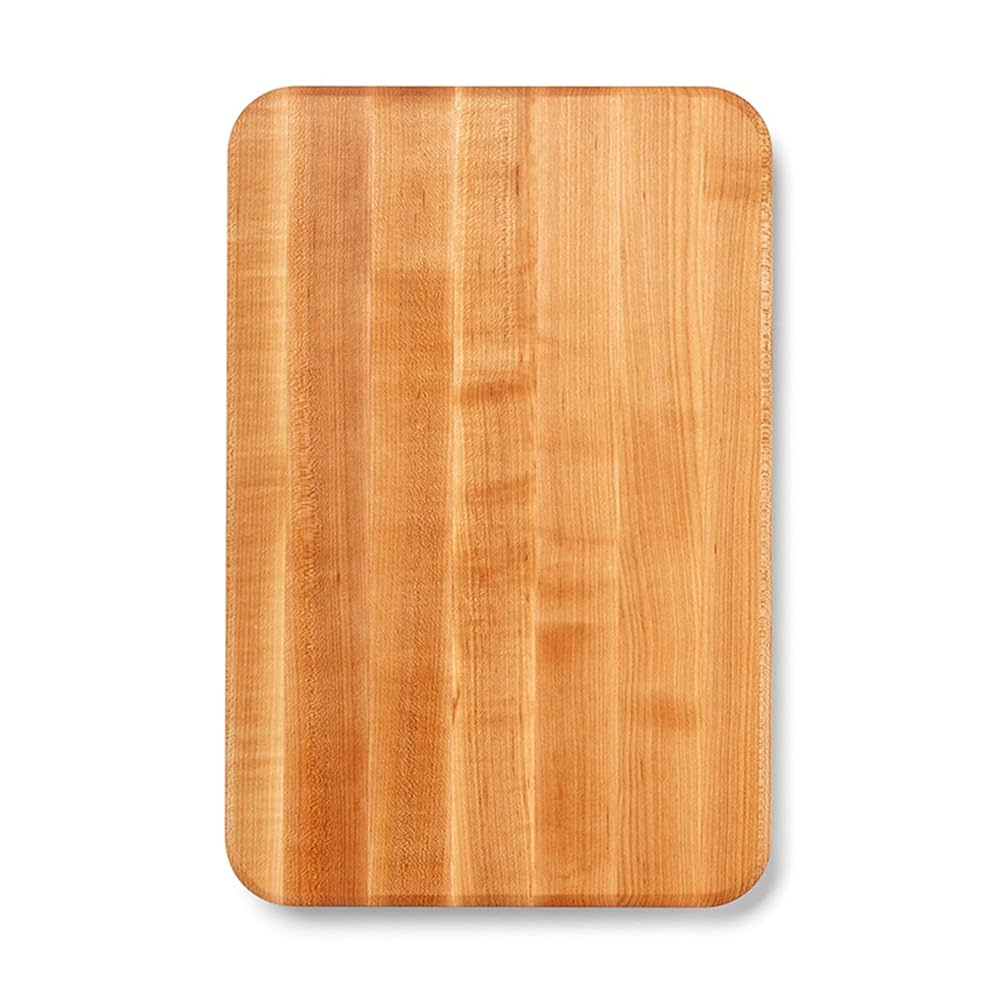
Wood Types And Benefits
Wood cutting boards are popular for their durability and knife-friendliness. They absorb less bacteria if cared for properly.
Common wood types include maple, walnut, and cherry. They offer natural beauty and long life.
- Maple is hard and resists cuts well
- Walnut is darker and gentle on knives
- Cherry has a warm color and smooth surface
- Wood boards need hand washing and oiling
Plastic Variants
Plastic boards are lightweight and easy to clean. They often come in bright colors to avoid cross-contamination.
They work well in busy kitchens and can go in the dishwasher. Plastic boards may show knife marks faster.
- Made from polyethylene or polypropylene
- Non-porous and stain resistant
- Safe for dishwasher cleaning
- Replace when deep cuts appear
Bamboo Characteristics
Bamboo boards are eco-friendly and lightweight. Bamboo grows fast, making it a sustainable choice.
They are harder than many woods and resist knife marks well. Bamboo needs oiling to keep from drying out.
- Renewable and fast-growing material
- Hard surface but gentle on knives
- Natural antibacterial properties
- Requires regular oiling to prevent cracks
Glass Boards
Glass boards look clean and are easy to wash. They do not absorb smells or stains.
Glass is hard and can dull knives quickly. It may also be slippery and noisy to use.
- Non-porous and stain resistant
- Dishwasher safe and easy to sanitize
- Hard surface can damage knives
- Can break if dropped
Composite Materials
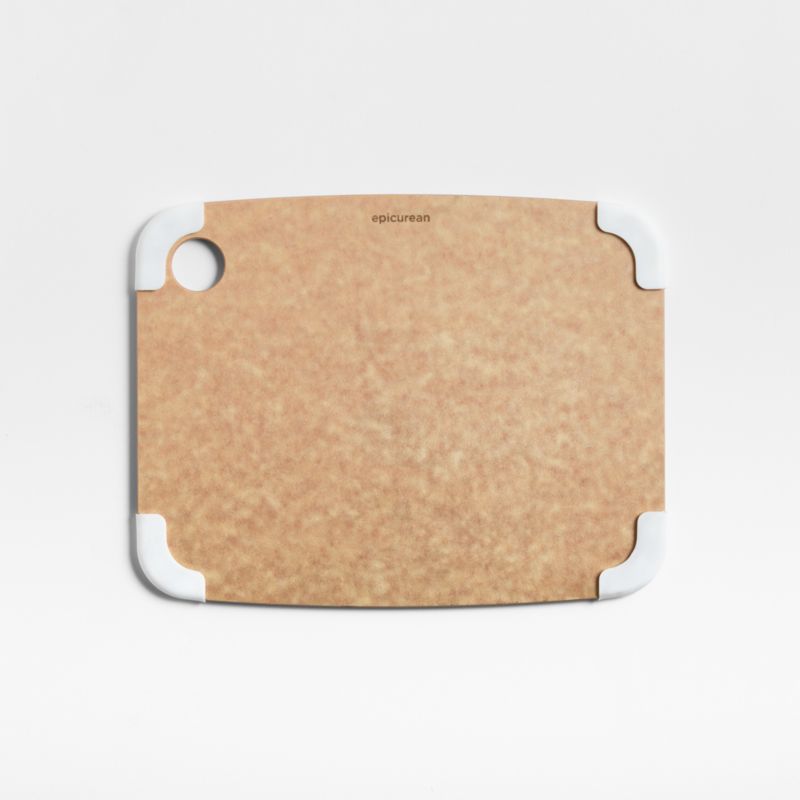
Composite boards mix wood fibers and resin. They are designed to be durable and easy to clean.
These boards resist warping and cuts. They often work well in both home and professional kitchens.
- Made from wood fibers and synthetic resin
- Durable and dishwasher safe
- Resistant to warping and cracking
- Knife-friendly surface

Credit: www.ottawalumberbin.ca
Advantages Of Wooden Boards
Wooden cutting boards offer many benefits in the kitchen. They are strong and easy to care for.
These boards also protect your knives and look great on any countertop.
Durability And Maintenance
Wooden boards last a long time if you take care of them properly. They resist cracks and warping better than plastic.
- Use mineral oil to keep the wood from drying out.
- Clean with mild soap and warm water after each use.
- Allow the board to dry fully before storing.
- Sand lightly to remove deep cuts or stains.
Knife Friendliness
Wood is gentle on knives. It helps keep blades sharp longer than hard surfaces like glass or stone.
| Cutting Board Material | Effect on Knife Blades |
|---|---|
| Wood | Soft surface, reduces blade dulling |
| Plastic | Moderate wear on blades |
| Glass | Hard surface, dulls knives quickly |
| Stone | Very hard, damages blades fast |
Aesthetic Appeal
Wooden boards add a warm, natural look to your kitchen. Each board has unique grain patterns.
- Maple – light color, fine grain
- Walnut – dark, rich tones
- Cherry – reddish hue, smooth texture
Plastic Cutting Boards Features
Plastic cutting boards are popular in many kitchens. They are made from synthetic materials like polyethylene.
These boards offer several features that make them easy to use and clean.
Ease Of Cleaning
Plastic cutting boards are simple to clean. Their smooth surface prevents food from sticking.
They can be washed by hand or in a dishwasher without damage.
Color Coding For Safety
Plastic boards come in many colors. This helps prevent cross-contamination.
- Red for raw meat
- Green for vegetables
- Blue for fish
- Yellow for poultry
Cost Considerations
Plastic cutting boards are usually affordable. They cost less than wood or bamboo boards.
Replacing them is easy if they get damaged or worn out.

Credit: www.integrityfurnitureandlumber.com
Why Choose Bamboo
Bamboo is a popular material for cutting boards. It is a natural and sustainable choice for the kitchen.
This material offers many benefits like strength and easy care. Bamboo cutting boards suit many cooking needs.
Eco-friendly Aspects
Bamboo grows very fast and does not need many resources. It can be harvested without killing the plant.
This makes bamboo a renewable and green option. Using bamboo helps reduce deforestation and waste.
- Grows quickly compared to hardwood trees
- Needs less water and no chemicals to grow
- Biodegradable and easy to recycle
- Supports sustainable farming practices
Hardness And Longevity
Bamboo is very hard and strong. This makes it resistant to knife marks and scratches.
A bamboo cutting board can last a long time with regular care. It holds up well in busy kitchens.
- Harder than many hardwood cutting boards
- Less prone to cracking or warping
- Maintains smooth surface for food prep
- Durable enough for daily use
Care Tips
To keep bamboo boards in good shape, wash them by hand with warm soapy water. Avoid soaking.
Dry the board quickly and apply food-safe oil to prevent drying and cracking. Store it in a dry place.
- Hand wash only, no dishwasher
- Dry immediately after washing
- Oil regularly with mineral or bamboo oil
- Store away from moisture and heat
Glass Cutting Boards: Pros And Cons
Glass cutting boards are a popular choice in many kitchens. They offer a unique look and feel compared to wood or plastic boards.
This article explains the benefits and drawbacks of glass cutting boards. It covers hygiene, knife impact, and design options.
Hygiene Benefits
Glass cutting boards are very easy to clean. They do not absorb liquids or smells from food.
This makes them less likely to hold bacteria. You can wash them well with soap and hot water.
Impact On Knives
Glass boards are very hard and smooth. This hardness can dull knives quickly.
Using a glass board often means you will need to sharpen your knives more. It is not gentle on blades.
Design Options
Glass cutting boards come in many colors and patterns. They can add style to your kitchen.
Some have textured surfaces or printed designs. You can find them in different shapes and sizes.
Credit: www.crateandbarrel.ca
Composite And Other Materials
Cutting boards can be made from many materials besides wood and plastic. Composite materials combine different elements. These boards offer unique benefits like durability and easy cleaning.
This section explains common composite and other materials used in cutting boards. Each type has its own features and uses.
Resin And Paper Composites
Resin and paper composites use layers of paper soaked in resin. They are pressed and hardened to make a strong board. These boards resist water and cuts well.
They have a smooth surface that is easy to clean. These boards also last a long time without warping or cracking.
- Made from paper layers and resin
- Water-resistant and durable
- Easy to clean and maintain
- Good for both home and professional kitchens
Rubber Boards
Rubber cutting boards are soft and heavy. They protect knife edges well because the surface gives slightly. These boards do not dull knives fast.
They are slip-resistant and quiet when used. Rubber boards are often used in busy kitchens for chopping and slicing.
- Made from natural or synthetic rubber
- Soft surface protects knives
- Non-slip and quiet
- Resistant to bacteria and stains
Specialty Surfaces
Specialty surfaces include materials like bamboo composites, tempered glass, and stone. Each offers different benefits and styles for cutting boards.
Bamboo boards are eco-friendly and hard. Glass boards look nice but can dull knives. Stone boards are very hard and durable but heavy.
- Bamboo composites: strong and sustainable
- Tempered glass: easy to clean, may dull knives
- Stone: very hard and durable but heavy
Choosing The Right Board For Your Kitchen
Cutting boards come in many materials, shapes, and sizes. Picking the right one helps with cooking and keeps your kitchen safe.
Think about what you will use the board for and how often. This guide covers key points to help you choose wisely.
Purpose And Usage
Different boards suit different tasks. Some are best for vegetables, others for meat or bread.
- Wood boards are gentle on knives and good for chopping vegetables and bread.
- Plastic boards are easy to clean and work well with raw meat.
- Bamboo boards are hard and durable, but can dull knives faster.
- Glass boards are easy to clean but can damage knives.
Maintenance Needs
Consider how much time you want to spend cleaning and caring for your board.
| Material | Cleaning | Care Tips |
| Wood | Hand wash only | Oil regularly to prevent cracks |
| Plastic | Dishwasher safe | Replace if deeply scored |
| Bamboo | Hand wash recommended | Oil occasionally |
| Glass | Dishwasher safe | No special care needed |
Budget And Preferences
Prices vary widely. Your choice depends on your budget and style preferences.
Here are common price ranges and features:
- Wood:Medium to high price, classic look, long-lasting.
- Plastic:Low to medium price, colorful options, easy to replace.
- Bamboo:Medium price, eco-friendly, unique texture.
- Glass:Medium price, modern style, less knife-friendly.
Frequently Asked Questions
What Materials Are Commonly Used For Cutting Boards?
Cutting boards are often made from wood, plastic, bamboo, or composite materials. Each offers durability and safety for food preparation.
Are Wooden Cutting Boards Better Than Plastic?
Wooden boards are gentle on knives and naturally antibacterial. Plastic boards are easier to sanitize and dishwasher-safe.
Can Bamboo Cutting Boards Withstand Heavy Use?
Yes, bamboo is hard and durable. It resists moisture and bacteria, making it ideal for frequent chopping.
How Do Composite Cutting Boards Compare To Wood?
Composite boards combine resin and wood fibers. They are durable, non-porous, and often dishwasher-safe, offering low maintenance.
Conclusion
Cutting boards come in many materials, each with its own benefits. Wood feels warm and lasts long but needs care. Plastic is easy to clean and light but may wear out faster. Bamboo is eco-friendly and strong. Glass looks nice but can dull knives.
Choose what fits your cooking style and cleaning habits. A good cutting board helps keep your kitchen safe and tidy. Think about how you use it every day. This way, you pick the best board for your needs.