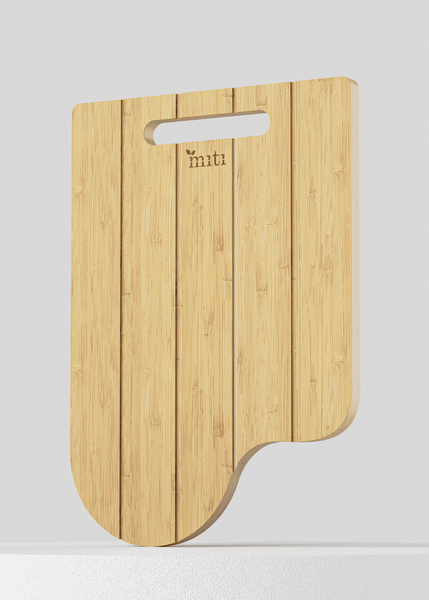
Have you ever stopped to think about the simple tool that makes your cooking easier and safer? A cutting board is more than just a flat surface—it’s your kitchen’s best friend.
Whether you’re chopping vegetables, slicing meat, or dicing herbs, the right cutting board can protect your counters, keep your food clean, and even help you work faster. If you want to get the most out of this everyday kitchen essential, keep reading.
You’ll discover why a cutting board is so important and how to choose and use one like a pro.
Types Of Cutting Boards
Cutting boards come in many materials. Each type has its own use and care needs.
Choosing the right board depends on what you cut and how often you use it.
Wooden Boards
Wooden cutting boards are gentle on knives. They last long if you clean and oil them well.
They are good for chopping fruits, vegetables, and bread. Avoid using them with raw meat to prevent bacteria.
Plastic Boards
Plastic boards are easy to clean and dishwasher safe. They do not absorb liquids or odors.
- Best for raw meat and fish
- Less expensive and lightweight
- May get knife marks quickly
- Replace when deeply scarred
Bamboo Boards
Bamboo boards are eco-friendly and harder than wood. They resist stains and absorb less water.
These boards need oiling to keep their surface smooth. They are good for cutting vegetables and bread.
Glass And Composite Boards
Glass and composite boards are very hard and easy to clean. They do not absorb odors or stains.
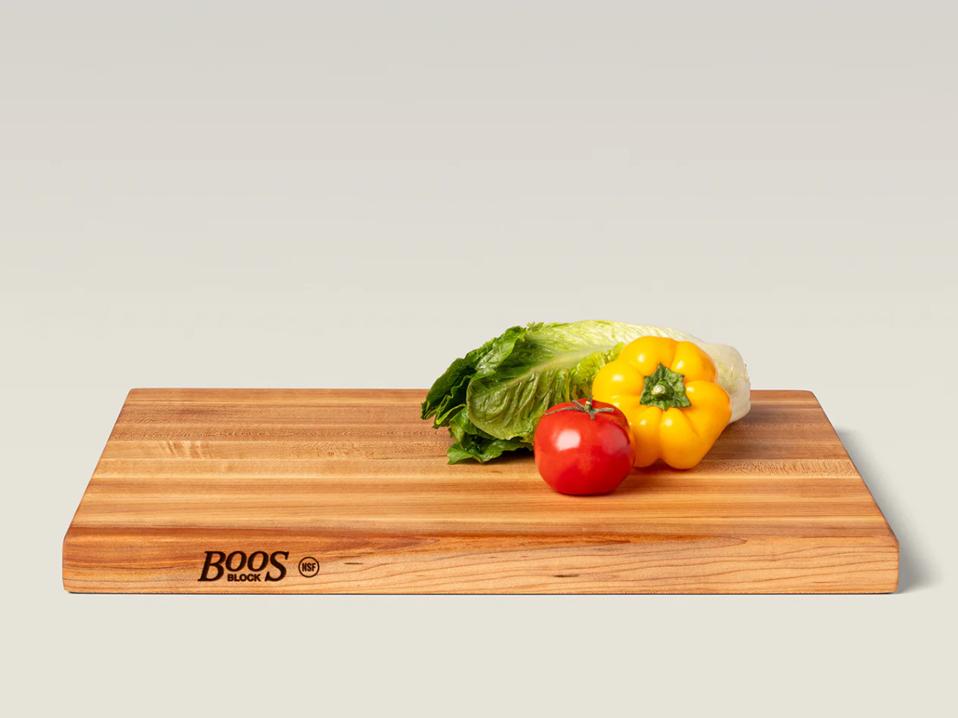
| Board Type | Pros | Cons |
| Glass | Easy to clean, non-porous | Dulls knives, can break |
| Composite | Durable, dishwasher safe | Can be hard on knives |
Credit: www.forbes.com
Choosing The Right Board
Choosing the right cutting board is important for your kitchen work. It helps keep your food safe and your knives sharp.
Different boards suit different tasks. Think about what you cut most and how you want to care for the board.
Material Benefits
Cutting boards come in many materials. Each has its own benefits for cooking and cleaning.
- Wood:Gentle on knives and lasts long if oiled regularly.
- Plastic:Easy to clean and dishwasher safe but can scratch easily.
- Bamboo:Harder than wood and eco-friendly but may dull knives faster.
- Glass:Looks nice but can damage knives and is noisy to use.
Size And Thickness
Choose a board size that fits your kitchen space and cutting needs. Bigger boards are good for large tasks.
| Size | Best For | Note |
| Small (8×10 inches) | Cutting fruits and small vegetables | Easy to store and light to carry |
| Medium (12×18 inches) | Everyday chopping and slicing | Good balance of space and weight |
| Large (18×24 inches) | Big tasks like carving meat | Needs more storage space |
| Thickness | Half to one inch | Thicker boards last longer and are more stable |
Maintenance And Durability
Good care keeps your cutting board safe and lasting. Different materials need different care.
Tips for care:
- Wash wooden boards by hand with mild soap and dry immediately.
- Plastic boards can be cleaned in a dishwasher.
- Oil wooden and bamboo boards regularly to prevent cracking.
- Avoid soaking boards for a long time to stop warping.
- Replace boards if deep cuts or cracks appear to avoid bacteria.
Cutting Board Uses
Cutting boards are essential tools in any kitchen. They protect your counters and keep food safe.
You can use cutting boards for many tasks like chopping, slicing, and preparing ingredients.
Chopping And Slicing
Cutting boards provide a stable surface for chopping and slicing foods. They help keep knives sharp and safe.
Using a board makes it easier to cut food evenly and prevents damage to your kitchen counters.
Meat And Seafood Preparation
Use a separate cutting board for meat and seafood to avoid cross-contamination. This keeps your food safe.
Cutting boards make it easier to trim fat, remove bones, and prepare meat and fish for cooking.
- Trim fat and skin
- Cut fillets or steaks
- Clean and gut fish
Fruits And Vegetables
Cutting boards help you wash, peel, and chop fruits and vegetables safely. They keep juices and seeds contained.
Using a board for produce prevents damage to your counters and makes cleaning easier after prep work.
- Slice apples and oranges
- Chop onions and peppers
- Peel and dice potatoes
Baking And Dough Work
Cutting boards provide a smooth surface for rolling out dough and shaping pastries. They help keep dough clean.
You can use a cutting board to cut dough into shapes or portions before baking.
- Roll out pie crusts
- Cut cookie shapes
- Divide dough into pieces
Preventing Cross-contamination
Cutting boards help keep food safe by stopping germs from spreading. Using boards correctly lowers the risk of cross-contamination.
Cross-contamination happens when bacteria from one food move to another. This can cause foodborne illness.
Color-coded Boards
Using different colored cutting boards for different foods keeps germs apart. Each color matches a food type to avoid mixing.
- Red boards for raw meat
- Green boards for vegetables and fruits
- Blue boards for raw fish and seafood
- Yellow boards for cooked meats
- White boards for bakery or dairy products
Cleaning Tips
Cleaning cutting boards after use removes germs. Proper cleaning stops bacteria from spreading to new foods.
- Wash boards with hot, soapy water right after use.
- Rinse well to remove soap and food bits.
- Sanitize with a solution of 1 tablespoon bleach per gallon of water.
- Let boards air dry completely before storing.
- Replace boards if they have deep cuts or cracks.
Storage Practices
Store cutting boards properly to keep them clean and dry. Good storage helps stop bacteria growth.
| Storage Method | Benefit |
| Store boards upright | Air circulates and dries surfaces fast |
| Keep boards separate | Prevents contact and cross-contamination |
| Use a clean, dry area | Limits bacteria growth |
| Avoid stacking wet boards | Prevents mold and odors |
Creative Kitchen Hacks
Cutting boards are useful tools in every kitchen. They help with food prep and more. You can use them in many creative ways.
This guide shows smart ideas for using cutting boards beyond cutting. Try these hacks to make your kitchen easier and more fun.
Using Boards As Serving Trays
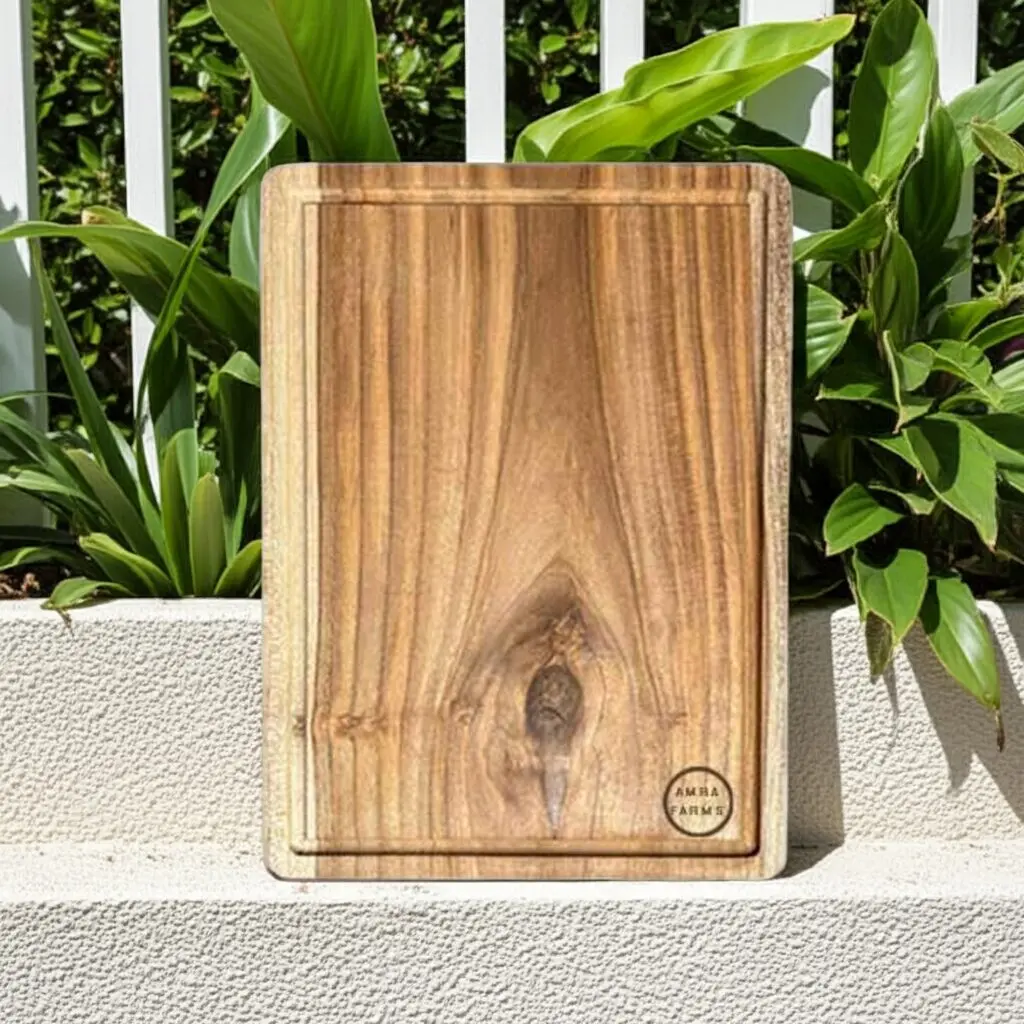
Cutting boards can double as serving trays. They add a rustic look to your table. Use wooden boards for cheese, fruits, and snacks.
Boards keep food organized and easy to carry. They work well for casual gatherings or small parties.
- Place cheese cubes and crackers on the board
- Arrange sliced fruits or vegetables
- Use for bread and dips
- Carry drinks and snacks together
Diy Board Enhancements
You can improve your cutting board with simple DIY upgrades. Sand rough edges to make them smooth and safe. Add a food-safe finish to protect the wood.
Try painting or engraving your board to make it unique. Personal touches make the board a nice gift or kitchen decoration.
- Sand the surface for smooth cutting
- Apply mineral oil or beeswax finish
- Use stencils to paint patterns
- Engrave names or designs with a wood burner
Multi-purpose Uses
Cutting boards have many uses beyond food prep. Use them as hot pads to protect your counters. They also work as a base for rolling dough.
Boards can hold small kitchen tools or act as a display for spices and oils.
- Protect counters from hot pots and pans
- Roll out dough evenly
- Hold knives or utensils during cooking
- Organize spices for easy access
Credit: choppingboards.in
Extending Cutting Board Life
Cutting boards are essential kitchen tools. Taking care of them helps keep them safe and long-lasting.
Good care stops cracks and bacteria build-up. It also keeps the board looking new.
Proper Cleaning Methods
Cleaning your cutting board correctly removes germs and food particles. Use warm, soapy water after each use. Avoid soaking the board in water to prevent warping.
- Wash with mild soap and warm water
- Rinse thoroughly
- Dry immediately with a clean towel
- Air dry standing up to let both sides dry
- Disinfect with vinegar or diluted bleach for deep cleaning
Oiling And Conditioning
Oiling your cutting board keeps the wood from drying out and cracking. Use food-grade mineral oil or beeswax-based conditioner.
| Oiling Tips | Details |
|---|---|
| Frequency | Apply oil once a month or when the board looks dry |
| Method | Rub oil evenly on all surfaces with a soft cloth |
| Drying | Let the board absorb oil for a few hours or overnight |
| Wipe | Remove excess oil with a clean cloth |
Repairing Minor Damage
Small scratches and cuts can be fixed to keep your board safe and smooth. Sand the damaged area lightly with fine-grit sandpaper.
- Clean and dry the board before sanding
- Sand along the grain until smooth
- Remove dust with a damp cloth
- Apply oil after sanding to restore moisture

Credit: www.amazon.com
Frequently Asked Questions
What Materials Are Cutting Boards Made Of?
Cutting boards are typically made from wood, plastic, bamboo, or glass. Each material has its own benefits. Wood is durable and knife-friendly, while plastic is easy to clean. Bamboo is eco-friendly, and glass is hygienic but can be hard on knives.
Choose based on your needs and preferences.
How Do I Clean A Cutting Board Properly?
Clean cutting boards with hot soapy water after each use. For deeper cleaning, use vinegar or baking soda. Avoid soaking wooden boards to prevent warping. Regularly sanitize with a mild bleach solution. Always dry thoroughly to prevent bacteria growth. Proper cleaning ensures food safety and board longevity.
Can Cutting Boards Be Used For Meat And Vegetables?
Yes, but it’s best to use separate boards for meat and vegetables. Using different boards prevents cross-contamination, ensuring food safety. For meat, opt for non-porous surfaces like plastic. Vegetables can be cut on any board. Always clean thoroughly after use to maintain hygiene and safety.
How Often Should I Replace My Cutting Board?
Replace cutting boards when they show deep grooves or cracks. These can harbor bacteria, compromising food safety. Wooden boards may last longer with proper care. Plastic boards might need more frequent replacement. Regular inspection ensures your cutting board remains safe and functional for your kitchen needs.
Conclusion
A cutting board helps keep your kitchen clean and safe. It protects your counters from scratches and cuts. You can use it for chopping vegetables, fruits, and meat. It also keeps germs from spreading when you prepare food. Choose the right cutting board for your needs.
Clean it well after each use to stay healthy. This simple tool makes cooking easier and more organized. A good cutting board is a kitchen must-have.