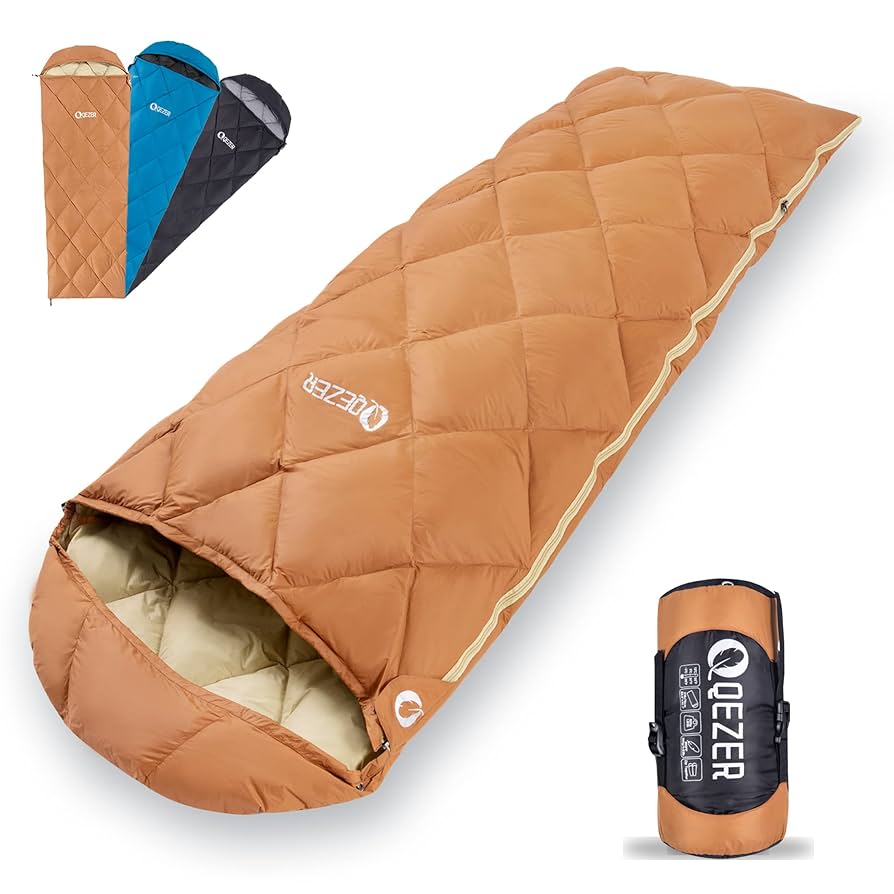
Have you ever wondered what makes a down sleeping bag so popular among campers and hikers? If you want to stay warm and comfortable during your outdoor adventures, understanding what a down sleeping bag is can make all the difference.
This guide will help you discover why down sleeping bags are loved for their warmth, light weight, and packability. By the end, you’ll know exactly how to choose the right one for your needs and get the best rest under the stars.
Keep reading to learn more about this essential piece of gear for every outdoor enthusiast.
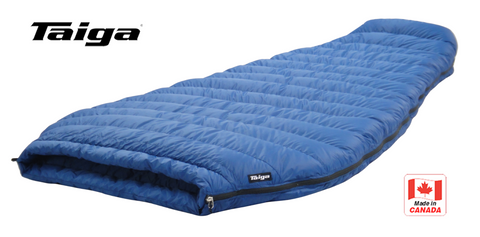
Credit: www.taigaworks.com
Down Sleeping Bag Basics
A down sleeping bag uses soft feathers from ducks or geese. These feathers trap heat to keep you warm.
Down bags are light and pack small. They are popular for camping and backpacking in cold weather.
What Makes Down Special
Down is different from synthetic fills. It has tiny clusters that trap air very well.
This trapped air acts like insulation. It keeps your body heat from escaping in cold conditions.
Types Of Down Fill
There are several types of down used in sleeping bags. The main types come from ducks or geese.
- Duck down: More common and less expensive
- Goose down: Usually larger clusters and higher quality
- Blended down: Mix of duck and goose feathers
Loft And Warmth
Loft means how fluffy the down is. More loft means better insulation and more warmth.
Loft is measured in cubic inches per ounce. Higher numbers mean the down traps more air.
| Loft Rating | Warmth Level |
|---|---|
| 400-500 | Light warmth, good for mild weather |
| 600-700 | Medium warmth, good for cool weather |
| 800+ | High warmth, good for cold weather |
Warmth Factors
A down sleeping bag keeps you warm by trapping heat. Several factors affect how warm it can be.
Understanding these factors helps you pick the right sleeping bag for cold weather.
Fill Power Explained
Fill power measures the quality of down insulation. It shows how much space one ounce of down occupies.
Higher fill power means the down traps more air and keeps you warmer with less weight.
Fill Weight And Insulation
Fill weight is the total amount of down inside the sleeping bag. More fill weight usually means more warmth.
- Light fill weight is good for mild weather.
- Medium fill weight suits cool conditions.
- Heavy fill weight fits very cold weather.
Shell Material And Design
The outer shell protects the down and affects warmth. It must keep moisture out and allow breathability.
| Material | Features |
|---|---|
| Nylon | Lightweight, water-resistant |
| Polyester | Durable, less water-resistant |
| Ripstop | Strong, tear-resistant |
Comfort Features
Down sleeping bags provide warmth and comfort for outdoor sleeping. Their design focuses on keeping heat inside and cold out. Comfort features help users rest well during chilly nights.
Understanding key comfort elements helps you pick the right down sleeping bag. These include shape and fit, draft collars and tubes, and hood design.
Bag Shape And Fit
The shape and fit of a down sleeping bag affect warmth and comfort. A well-fitted bag reduces air gaps where heat can escape. Different shapes suit different needs and sleeping styles.
- Mummy Shape:Tapers at the feet for less air volume and better heat retention.
- Rectangular Shape:Offers more room to move but less heat efficiency.
- Semi-Rectangular Shape:A balance between comfort and warmth.
Draft Collars And Tubes
Draft collars and tubes block cold air from entering the bag. They create a tight seal around the neck and zipper areas. This feature keeps warm air inside the bag where it is needed most.
| Feature | Purpose | Benefit |
| Draft Collar | Wraps around the neck | Prevents heat loss from the upper body |
| Draft Tube | Runs along the zipper | Stops cold air from sneaking through the zipper |
Hood Design
The hood of a down sleeping bag adds extra warmth for your head. A good hood fits snugly and has a drawstring to adjust tightness. This helps keep heat in and cold air out.
- Adjustable drawstring to fit different head sizes
- Insulated hood for added warmth
- Compatible with sleeping pads to reduce heat loss
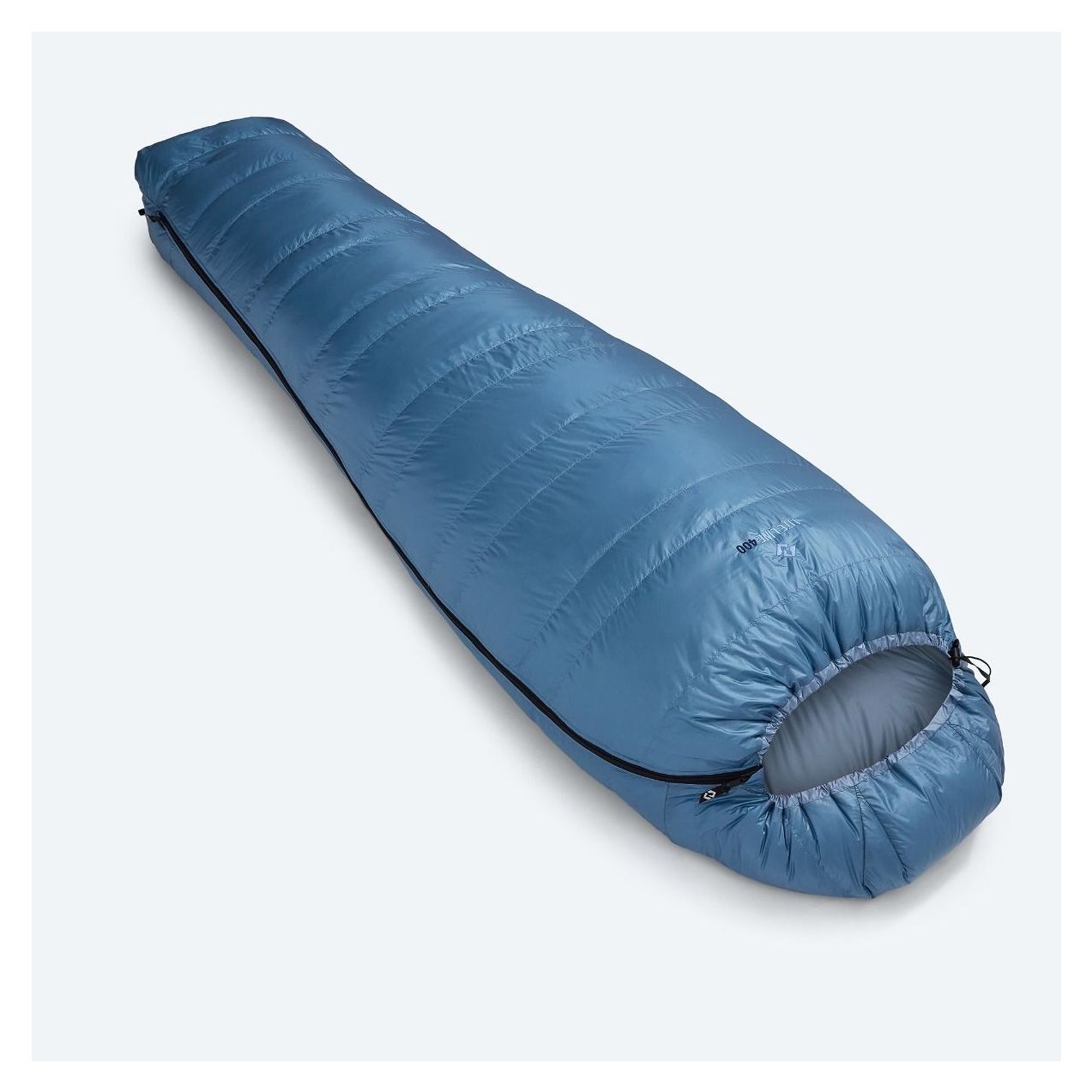
Credit: cumulus.equipment
Choosing The Right Bag
Picking the right down sleeping bag makes your outdoor trips more comfortable. It keeps you warm and fits your needs.
Look at factors like temperature, seasons, and how easy it is to carry. These help you choose the best bag.
Temperature Ratings
Temperature ratings tell you the coldest weather the bag can handle. Choose a bag rated for the coldest night you expect.
- Look for bags with clear temperature ratings.
- Consider your comfort level in cold weather.
- Pick a bag rated slightly colder than your trip’s lowest temperature.
Seasonal Use
Down sleeping bags suit different seasons. Know which season you mostly camp in to pick the right type.
| Season | Bag Type | Typical Temperature Range |
| Summer | Lightweight | 40°F and above (4°C+) |
| 3-Season | All-round | 20°F to 40°F (-6°C to 4°C) |
| Winter | Heavyweight | Below 20°F (-6°C) |
Weight And Packability
Weight and size matter if you carry your bag on hikes. Lighter bags pack smaller but may cost more.
- Choose a bag that fits your backpack space.
- Look for compression sacks to reduce volume.
- Balance weight with warmth for your trip type.
Care And Maintenance
A down sleeping bag keeps you warm by trapping heat with its fluffy feathers. Taking good care of it helps keep it soft and warm.
Proper care makes your sleeping bag last longer and stay comfortable on every trip.
Cleaning Tips
Clean your down sleeping bag only when it is very dirty. Washing too often can harm the feathers inside.
Use a gentle detergent made for down or mild soap. Avoid bleach and fabric softeners.
- Wash in a front-loading machine on gentle cycle
- Use cold water to protect the down
- Rinse twice to remove all soap
- Dry slowly in a dryer with tennis balls to fluff the feathers
- Make sure it is fully dry before storing
Storage Recommendations
Store your down sleeping bag loose and dry. Avoid packing it tightly for long times.
Keep it in a large cotton storage sack or hang it in a cool, dry place to keep the feathers fluffy.
- Do not store in a compression sack for months
- Keep away from damp areas to prevent mold
- Check it regularly for any damage or moisture
Repair And Longevity
Fix small tears quickly to stop feathers from escaping. Use repair tape or patches made for sleeping bags.
Handle zippers gently to avoid damage. Clean and dry the bag well before repairs.
- Patch holes as soon as you find them
- Keep zipper tracks clean and free of dirt
- Store the bag properly to avoid fabric stress
- Air it out after each use to keep it fresh
Down Vs Synthetic
A down sleeping bag uses feathers from ducks or geese for insulation. A synthetic sleeping bag uses man-made fibers to keep you warm. Both types have their own advantages and disadvantages.
Choosing between down and synthetic depends on your needs, budget, and the weather you expect. Let’s look at how they compare in key areas.
Warmth-to-weight Comparison
Down insulation is very light and compresses well. It provides excellent warmth without adding much weight. Synthetic insulation is usually heavier and bulkier than down.
Synthetic sleeping bags can still keep you warm but often weigh more for the same temperature rating.
- Down has a better warmth-to-weight ratio.
- Synthetic bags are heavier but still warm.
- Down packs smaller for easy carrying.
- Synthetic bags take more space in your pack.
Durability And Moisture Handling
Down loses its insulating power when wet. It takes a long time to dry. Synthetic insulation keeps warmth even when damp and dries faster.
Synthetic sleeping bags are better for wet or humid conditions. Down bags need more care to stay dry and last longer.
- Down is less resistant to moisture.
- Synthetic stays warm when wet.
- Down requires careful storage and drying.
- Synthetic is easier to clean and dry.
Cost Considerations
Down sleeping bags are often more expensive than synthetic ones. High-quality down costs more due to its insulation power and light weight.
Synthetic sleeping bags are usually cheaper and more budget-friendly. They offer good value for casual use or damp environments.
- Down bags cost more upfront.
- Synthetic bags are affordable.
- Down is an investment for serious campers.
- Synthetic suits occasional or wet use.
Popular Brands And Models
Down sleeping bags use duck or goose feathers for warmth. They are lightweight and pack small.
Many brands make down sleeping bags with different features. Some focus on warmth, others on price or design.
Top Rated Down Bags
Top rated down bags keep you warm in cold weather. They use high-quality down fill and good construction.
- Western Mountaineering UltraLite – known for excellent warmth-to-weight ratio
- Feathered Friends Hummingbird – offers light weight and great insulation
- Mountain Hardwear Phantom – good for extreme cold conditions
- Rab Neutrino Pro – combines high fill power with durable materials
Budget-friendly Options
Budget down sleeping bags offer good warmth without a high price. They work well for casual campers.
- REI Co-op Magma – affordable with good warmth and quality
- Kelty Cosmic Down – budget-friendly with reliable insulation
- Sleepingo Lightweight – very affordable for mild weather camping
- Naturehike Cloud-Up – value option with decent down fill
Innovations In Design
New designs improve down sleeping bags’ comfort and performance. They help keep warmth and reduce weight.
- Water-resistant down keeps insulation dry in wet conditions
- Draft collars prevent cold air from entering the bag
- Two-way zippers add ventilation and ease of use
- Box baffle construction reduces cold spots

Credit: www.amazon.ca
Frequently Asked Questions
What Is A Down Sleeping Bag?
A down sleeping bag is insulated with the soft under feathers of ducks or geese. It offers excellent warmth-to-weight ratio, making it ideal for cold weather camping. These bags are compressible, lightweight, and provide superior insulation compared to synthetic alternatives.
They’re best for dry conditions, as moisture can reduce their effectiveness.
How Does Down Insulation Work?
Down insulation traps warm air between its fine feathers, creating a thermal barrier. This natural material is highly efficient in maintaining warmth while being lightweight. Its loftiness allows for compressibility without losing insulating properties. The higher the fill power, the better the insulation and warmth retention, making it suitable for colder climates.
Are Down Sleeping Bags Waterproof?
Down sleeping bags are not inherently waterproof, but many come with water-resistant shells. The outer fabric is treated with a durable water repellent (DWR) finish to resist moisture. However, prolonged exposure to wet conditions can compromise their insulation. Always use a waterproof cover or bivy sack for added protection in damp environments.
How Do You Care For A Down Sleeping Bag?
Caring for a down sleeping bag involves gentle washing with a special down cleaner. Always air dry or use a low-heat dryer with tennis balls to maintain loft. Store it uncompressed in a large, breathable sack. Regularly airing it out after each use prevents odors and moisture buildup, extending its lifespan.
Conclusion
A down sleeping bag keeps you warm by trapping air in soft feathers. It is light, compresses small, and lasts long with care. Perfect for cold nights and outdoor adventures. Choose one to stay cozy and comfortable. Simple, effective, and trusted by many campers worldwide.