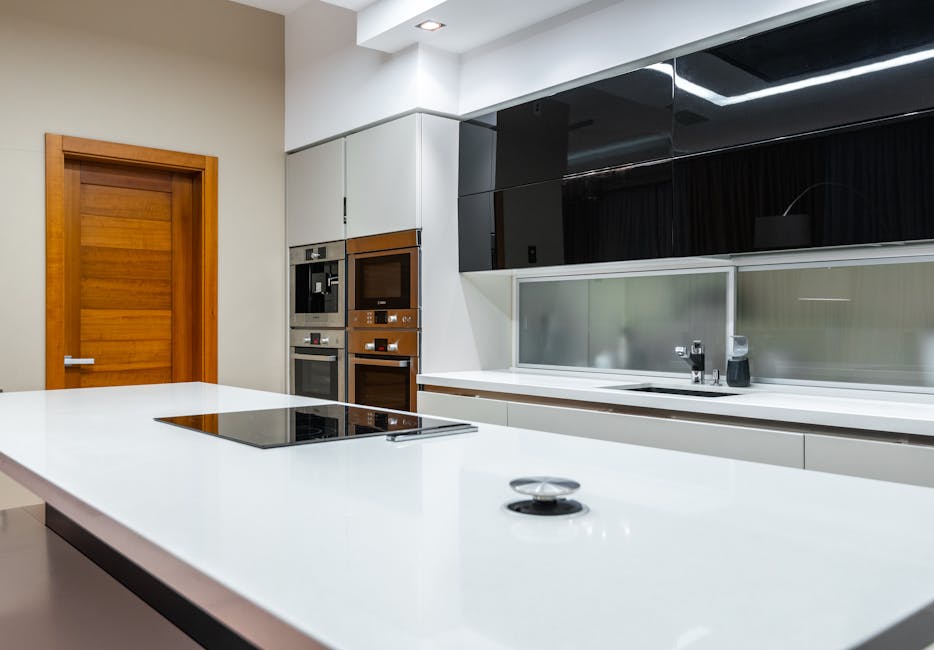
Have you ever noticed how cooking smells and smoke can quickly take over your kitchen? A downdraft cooktop might be the solution you didn’t know you needed.
But what exactly is a downdraft cooktop, and how can it change your cooking experience? If you want a cleaner, fresher kitchen without bulky overhead vents, understanding this smart appliance is key. Keep reading to discover how a downdraft cooktop works and why it could be the perfect fit for your home.

Credit: www.jcperreault.com
Downdraft Cooktop Basics
Understanding the basics of a downdraft cooktop can change how you think about kitchen design and cooking efficiency. These cooktops combine the cooking surface with a built-in ventilation system that pulls smoke and odors downward, rather than upward like traditional range hoods.
This design can save space and provide a sleek, modern look. But how does it actually work, and what should you consider if you’re thinking about one for your kitchen?
How A Downdraft Cooktop Works
A downdraft cooktop has a fan and vent system built directly into the cooktop or right behind it. When you cook, the fan pulls steam, smoke, and cooking smells down through vents.
The air is then filtered and either exhausted outside or recirculated back into the kitchen after cleaning. This setup eliminates the need for a bulky overhead hood.
Advantages Of Using A Downdraft Cooktop
- Space-saving design:Without a hood, your kitchen feels more open and less cluttered.
- Clean lines and modern look:Perfect if you want a minimalist or contemporary kitchen style.
- Flexible kitchen layouts:Ideal for kitchen islands or areas where installing a traditional hood is difficult.
- Effective ventilation:When positioned correctly, downdrafts can remove steam and odors efficiently.
Common Challenges To Consider
Downdraft systems sometimes struggle with strong smoke or high heat compared to overhead hoods.
They may also require more frequent cleaning since grease can settle in the vent area.
Thinking about your cooking style is key—do you often sear, fry, or cook with lots of steam?
Installation Tips For Optimal Performance
Placement is crucial. The cooktop should be positioned where the downdraft can catch smoke before it spreads.
Ensure your kitchen has enough space below the cooktop for the ventilation system and ductwork.
Consult with a professional to match the downdraft capacity to your cooking needs and kitchen layout.
How Downdraft Systems Work
Downdraft cooktops use a different way to remove smoke and odors. Instead of a hood above the stove, they pull air down through vents behind or beside the burners. This system keeps the kitchen air fresh and clear.
The downdraft system works quietly and saves space. It blends well into kitchen countertops and islands, making it ideal for open kitchens. The airflow moves cooking fumes directly down into the vent.
Vent Location And Design
The vent is usually built into the cooktop or countertop. It sits low, near the cooking surface. When you turn on the cooktop, the vent rises or activates automatically.
This vent captures smoke, steam, and smells close to the source. Its design helps pull air downward efficiently.
Airflow And Filtration
Air is drawn down through the vent by a strong fan. The fan pushes the air through filters.
Filters trap grease and particles before air exits the system. Some filters can be cleaned or replaced easily.
Exhaust Options
Downdraft systems can exhaust air outside or recirculate it inside. For outdoor venting, ducts carry air out of the house.
Recirculating models clean the air and send it back into the kitchen. This option works well when ducting is difficult.
Controls And Operation
Controls are simple and often built into the cooktop. You can adjust fan speed to match cooking needs.
Some systems turn on automatically when the cooktop is in use. Others need manual activation.
Types Of Downdraft Cooktops
Downdraft cooktops bring a sleek, modern touch to your kitchen by combining cooking and ventilation into one unit. But did you know there are different types designed to suit various cooking styles and preferences? Understanding these options helps you pick the right cooktop that matches your kitchen setup and cooking habits.
Electric Downdraft Cooktops
Electric downdraft cooktops use electric heating elements beneath a smooth glass surface. They are easy to clean since the surface is flat, and the downdraft vent pulls smoke and steam down and away from your cooking area.
If you enjoy precise temperature control and a sleek look, electric models might fit your style. Keep in mind, they take longer to heat up compared to gas options, so patience is key.
Gas Downdraft Cooktops
Gas downdraft cooktops offer the classic flame cooking experience but with the added benefit of built-in ventilation. The downdraft vent sucks up fumes right where the cooking happens, keeping your kitchen air fresh without a bulky overhead hood.
These models give you instant heat and better temperature control, which many chefs prefer. However, installing a gas downdraft cooktop may require professional setup due to gas line needs.
Induction Downdraft Cooktops
Induction downdraft cooktops use magnetic fields to heat your pots directly, making them very energy-efficient and fast. The surface stays relatively cool, reducing the risk of burns, and the downdraft system vents steam and odors effectively.
If safety and quick heating matter most to you, induction could be the best choice. Just remember, induction requires compatible cookware, so check your pots and pans before deciding.
Benefits Of Downdraft Ventilation
Downdraft ventilation offers unique benefits that can transform your kitchen experience. It pulls smoke, steam, and odors down and away from your cooking area, rather than letting them rise. This approach not only keeps your kitchen air fresh but also helps maintain a cleaner and more functional space.
Space-saving Design
Downdraft cooktops eliminate the need for bulky overhead hoods, freeing up valuable wall and ceiling space. This is especially helpful in kitchens with low ceilings or open layouts where a traditional hood might feel intrusive. You gain more room for cabinets, shelves, or even artwork, making your kitchen feel less crowded.
Have you ever felt that your kitchen looks cramped because of a large vent hood? Downdraft ventilation can be a perfect solution to open up your cooking area without sacrificing functionality.
Improved Air Quality
Since downdraft systems pull air downwards, they catch smoke and fumes right at the source. This reduces the spread of cooking smells and airborne grease throughout your home. You’ll notice less lingering odors and a fresher atmosphere after cooking, which can be a big relief especially if you cook frequently.
Imagine finishing a stir-fry without the smell sticking to your furniture or clothes. That’s the kind of clean air control downdraft ventilation provides.
Aesthetic Appeal
Downdraft cooktops offer a sleek, modern look that blends seamlessly into your countertop. Without a hood overhead, your kitchen design feels more open and streamlined. This minimalist style suits contemporary kitchens and allows your backsplash or lighting to shine.
Are you aiming for a clean, uncluttered kitchen? Downdraft ventilation helps achieve that by staying out of sight until you need it, then quietly doing its job.
Installation Considerations
Installing a downdraft cooktop requires careful planning. It is different from traditional cooktops and needs special attention. Proper installation ensures it works efficiently and keeps your kitchen safe. Consider the space, ventilation, and power needs before installation. These factors help avoid problems later and keep your kitchen stylish and functional.
Kitchen Layout
Check the space where you want to install the cooktop. Downdraft cooktops need enough room behind the appliance for the vent system. They fit best on kitchen islands or counters with open space nearby. Think about the placement of other appliances and cabinets. Make sure the cooktop does not block movement or workspace. Measure carefully to ensure a perfect fit.
Ventilation Requirements
Ventilation is key for downdraft cooktops. The vent pulls smoke and steam down and out through ducts. Plan the ductwork route early to avoid obstacles like pipes or wiring. The vent must lead outside, not into the attic or crawl space. Use the right size duct for good airflow. A professional can help design the ventilation system for best results.
Power Supply Needs
Downdraft cooktops need a reliable power source. Most require a dedicated circuit to handle the motor and heating elements. Check your home’s electrical panel for available breakers. The cooktop’s manual will list the voltage and amperage needed. Proper wiring and grounding are important for safety. Hire a licensed electrician to do the installation and inspection.
Comparing Downdraft And Traditional Hoods
Downdraft cooktops and traditional hoods both remove smoke, steam, and odors from your kitchen. Each has unique features that affect how well they work, their price, and how much upkeep they need. Understanding these differences helps you pick the best option for your space.
Efficiency
Traditional hoods pull air upward and out of the kitchen through vents. They usually clear smoke and smells faster because they are placed above the cooking surface. Downdraft cooktops pull air downward, often through vents built into the counter. They may struggle with tall pots or strong smoke. Proper installation is key for downdraft systems to work well.
Cost
Traditional hoods vary in price but often require ductwork and professional installation. This can raise the total cost. Downdraft cooktops tend to have a higher upfront price because of built-in ventilation. They may save space but can be more expensive to install if ducts are needed. Consider both the unit and installation costs.
Maintenance
Traditional hoods need regular cleaning of filters and ducts to stay effective. Some filters are washable, and others must be replaced. Downdraft cooktops have filters under the counter that are easier to reach. These filters also need frequent cleaning to avoid buildup. Both types require attention to keep air quality high.
Popular Downdraft Cooktop Brands
Downdraft cooktops are popular for their sleek design and built-in ventilation. Many brands offer models with different features and sizes. Choosing a trusted brand helps ensure quality and durability. Here are some well-known downdraft cooktop brands that many homeowners prefer.
Whirlpool Downdraft Cooktops
Whirlpool is known for reliable kitchen appliances. Their downdraft cooktops have powerful ventilation and easy controls. Many models include smooth glass surfaces for easy cleaning. Whirlpool offers good value for everyday cooking needs.
Kitchenaid Downdraft Cooktops
KitchenAid cooktops combine style and performance. They often include multiple burners and strong downdraft fans. The brand focuses on durable materials and user-friendly design. KitchenAid is popular among serious home cooks.
Ge Downdraft Cooktops
GE provides a variety of downdraft cooktop options. Their models feature intuitive controls and efficient ventilation. GE cooktops fit well in many kitchen styles. They balance affordability and functionality for many buyers.
Bosch Downdraft Cooktops
Bosch offers high-end cooktops with sleek designs. Their downdraft systems are quiet but effective. Bosch focuses on innovation and energy efficiency. Their products appeal to modern kitchens with a minimalist look.
Jennair Downdraft Cooktops
JennAir cooktops highlight luxury and advanced features. They include powerful downdraft vents to keep air clean. The brand often uses premium materials and smart technology. JennAir is a favorite for upscale kitchen designs.

Credit: www.crawfordappliances.ca
Care And Maintenance Tips
Proper care and maintenance keep your downdraft cooktop working well. Clean surfaces and parts regularly. This stops buildup and keeps air flowing smoothly. Small problems can turn into big issues without attention. Follow simple steps to extend your cooktop’s life. Save money and enjoy better cooking results.
Regular Cleaning
Wipe the cooktop surface after each use. Use a soft cloth and mild detergent. Avoid harsh chemicals that may damage the finish. Remove the filters and clean them weekly. Soak filters in warm, soapy water to remove grease. Dry filters completely before reinstalling. Clean the vent opening gently with a brush to clear dust. Keep knobs and controls free of dirt and spills.
Troubleshooting Common Issues
Check for unusual noises or weak airflow. Clean or replace filters if airflow drops. Inspect the vent fan for blockages or damage. Reset the cooktop by turning it off and on again. Look for error codes on the display panel. Refer to the user manual for code meanings. Call a professional if problems persist or parts need replacing. Avoid trying to fix electrical parts yourself for safety.
Future Trends In Kitchen Ventilation
Kitchen ventilation is changing fast. New technology makes cooking spaces cleaner and safer. Future trends focus on better air quality and sleek designs. Downdraft cooktops are part of this evolution. They blend function with style, fitting modern kitchens well.
Smart Ventilation Systems
Smart systems adjust fan speed automatically. Sensors detect smoke, steam, and odors. They save energy by running only when needed. Users can control them with apps or voice commands.
Energy-efficient Designs
Ventilation units use less power but work better. New motors and filters improve airflow. These systems reduce noise and lower utility bills. Eco-friendly materials are also becoming common.
Integrated And Hidden Ventilation
Ventilation is blending into kitchen design. Downdraft cooktops hide vents inside the countertop. Ceiling and wall vents become less visible. This creates cleaner and more open kitchen spaces.
Improved Air Filtration Technology
Advanced filters remove more pollutants and allergens. Some systems use UV light to kill germs. This helps keep kitchen air fresh and healthy. Filter replacements are easier and last longer.
Customization And Modular Options
Users can choose ventilation parts to fit their needs. Modular designs let homeowners upgrade easily. This flexibility suits different kitchen sizes and cooking styles. Downdraft systems can be added or moved as needed.

Credit: www.jennair.com
Frequently Asked Questions
What Is A Downdraft Cooktop?
A downdraft cooktop is a cooking surface with a built-in ventilation system. It pulls smoke and odors downward. This eliminates the need for an overhead range hood. It’s ideal for kitchens with limited space or open layouts.
How Does A Downdraft Cooktop Work?
It uses a fan and vent located near the cooktop surface. The fan sucks cooking fumes downward through vents. The air is filtered and expelled outside or recirculated. This keeps your kitchen air clean without bulky overhead units.
What Are The Benefits Of A Downdraft Cooktop?
Downdraft cooktops save space and offer sleek kitchen designs. They remove smoke and odors efficiently. They also provide flexibility in kitchen layout. Plus, they are easier to clean than traditional hoods.
Are Downdraft Cooktops Suitable For All Kitchens?
They work best in kitchens where overhead ventilation isn’t possible. Ideal for islands or open floor plans. However, they may be less powerful than traditional hoods. Consider kitchen size and cooking habits before choosing.
Conclusion
A downdraft cooktop helps keep your kitchen air clean. It pulls smoke and smells down and away. This makes cooking more pleasant and healthy. The design saves space and looks neat. Many people find it easier to use than traditional vents.
Choosing one depends on your kitchen setup and needs. It offers a smart way to cook without extra noise or clutter. Consider it if you want a simple, effective cooking solution.