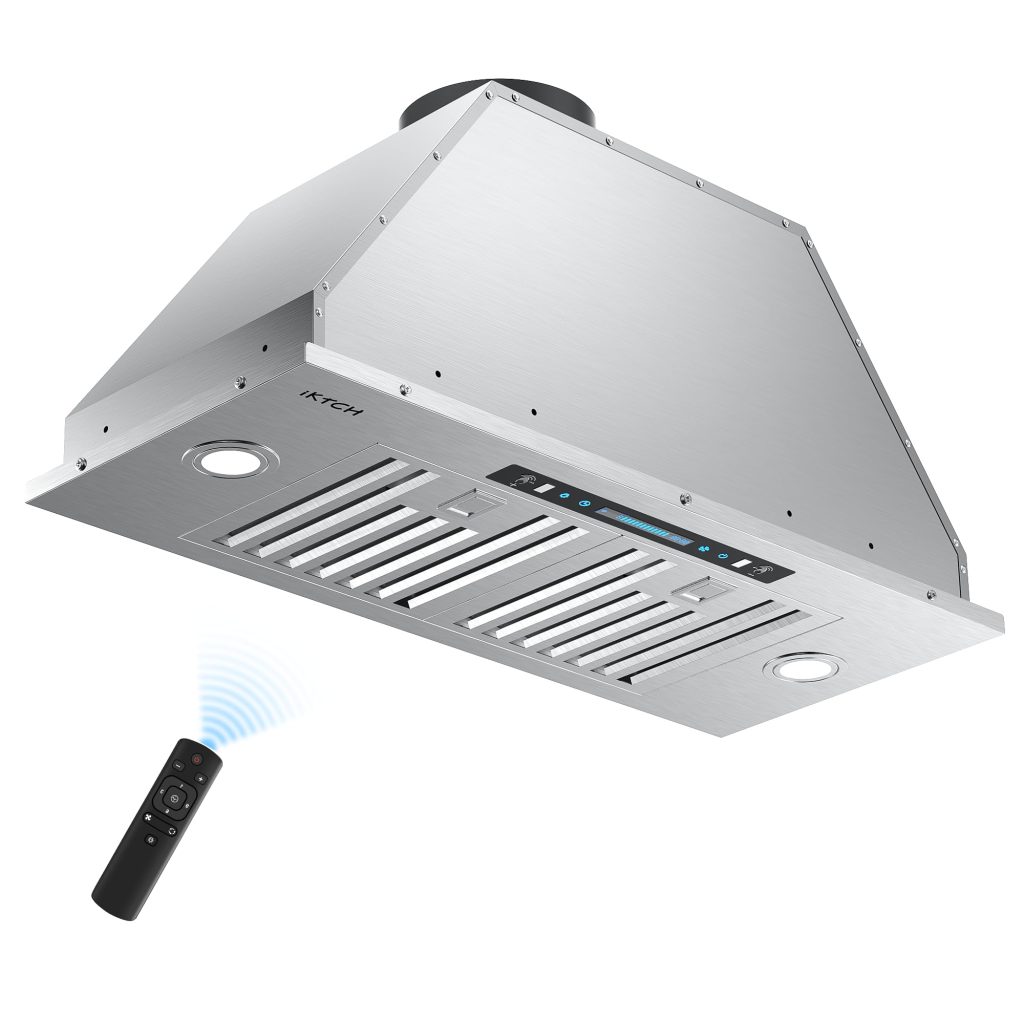
Are you tired of lingering cooking smells and greasy buildup in your kitchen? A ducted range hood might be exactly what you need.
But what is a ducted range hood, and how can it improve your cooking space? Understanding this simple yet powerful kitchen appliance could change the way you cook and breathe in your home. Keep reading to discover how a ducted range hood works and why it could be the game-changer your kitchen has been missing.

Credit: prolinerangehoods.com
Ducted Range Hood Basics
A ducted range hood removes smoke, steam, and odors from your kitchen by venting air outside. It helps keep your cooking area fresh and clean. This system uses ducts to carry air away from your stove.
Ducted Range Hood Basics Navigating the world of kitchen appliances can be a bit overwhelming, especially when it comes to understanding the essentials like a ducted range hood. These devices are crucial for maintaining a clean and odor-free kitchen by venting smoke, steam, and grease outside your home. But how exactly does a ducted range hood work, and what are its key components?How It Works
A ducted range hood operates by drawing in cooking fumes and ventilating them outside through a system of ducts. This setup ensures that your kitchen remains fresh and free from lingering odors and potential pollutants. Imagine preparing a spicy dish without worrying about the smell clinging to your curtains or furniture. The efficiency of a ducted range hood hinges on its direct connection to your home’s ventilation system. This means any smoke or steam generated while cooking is promptly expelled, preventing it from spreading throughout your home. Have you ever noticed how quickly the air clears when you activate your range hood? That’s the ducted system doing its job effectively.Key Components
Understanding the key components of a ducted range hood can help you make an informed decision when purchasing or maintaining one. The blower is the heart of the system, responsible for pulling in the air. It can be internal, external, or in-line, depending on your kitchen’s layout and needs. The filters play a crucial role in trapping grease and other particles before the air is vented out. Regular cleaning or replacement of these filters ensures optimal performance. Ever had a hood that just didn’t seem to work right? It might be time to check those filters. The ducts themselves are essential for carrying the air outside. They need to be properly sized and installed to prevent back drafts and maximize efficiency. It’s worth considering the material and length of your ducts during installation to ensure you’re getting the best performance. By understanding these basics, you’re well on your way to creating a healthier, more pleasant cooking environment. Have you checked your range hood’s components lately?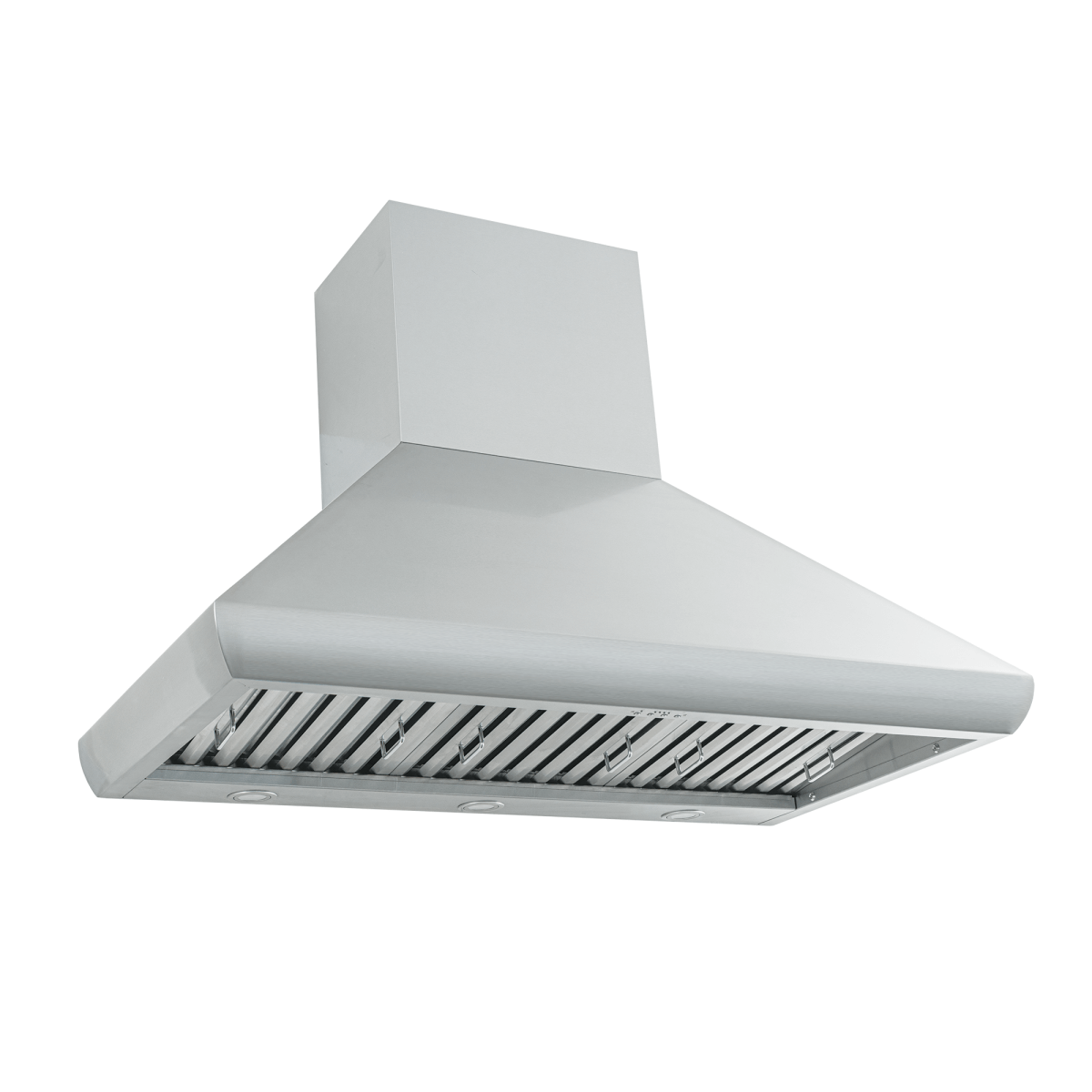
Credit: prolinerangehoods.com
Benefits Of Ducted Range Hoods
Ducted range hoods offer many benefits that make kitchens healthier and more comfortable. They remove smoke, grease, and odors effectively. This improves the cooking experience and keeps indoor air clean. Here are some key benefits of using ducted range hoods.
Improved Air Quality
Ducted range hoods vent air outside the home. This removes harmful gases and particles from cooking. It lowers the risk of breathing problems and allergies. Clean air helps everyone in the house stay healthy.
Noise Reduction
The fan motor is placed outside or in a remote area. This design makes the kitchen quieter during cooking. Less noise means a more peaceful environment for family and guests.
Energy Efficiency
Ducted systems use less energy compared to ductless ones. They move air more effectively without needing extra filters. This leads to lower electricity bills and less maintenance work.
Types Of Ducted Range Hoods
Ducted range hoods come in different styles to fit various kitchen layouts and ventilation needs. Choosing the right type can improve air quality and keep your cooking space fresh. Understanding the differences helps you pick a hood that matches both your kitchen design and how you cook.
Wall-mounted Hoods
Wall-mounted hoods attach directly to the wall above your stove. They are ideal for kitchens where the stove is against a wall, offering strong ventilation and a sleek look. I installed one last year, and it made a noticeable difference in removing smoke quickly during my frequent stir-fry sessions.
These hoods usually come in various sizes and styles, from simple designs to more decorative ones that can become a kitchen focal point. You’ll want to ensure the ductwork runs smoothly through your wall or ceiling for maximum efficiency.
Island Hoods
Island hoods hang from the ceiling above a cooking island, providing ventilation from all sides. If your stove is placed in the center of the kitchen, this type keeps your cooking area smoke-free without blocking sightlines. I once helped a friend pick an island hood, and the adjustable height feature made installation easy, matching their kitchen’s open feel.
These hoods tend to be larger and more powerful to handle the extra open space. Keep in mind the ducting needs to run through the ceiling, so plan for professional installation to avoid complications.
Under-cabinet Hoods
Under-cabinet hoods fit neatly beneath your kitchen cabinets above the stove. They save space and blend well with traditional kitchen setups. When I switched to this type, I appreciated how it didn’t intrude into my cooking space, yet still removed odors effectively.
These hoods are often more affordable and easier to install, but the ducting route may be limited by cabinet placement. Make sure to check the clearance and ventilation path to avoid reducing its performance.
Installation Considerations
Installing a ducted range hood needs planning and care. It affects kitchen airflow and overall efficiency. Proper installation ensures the hood removes smoke and odors effectively. Consider space, ventilation paths, and ease of maintenance before starting.
Duct Placement
Duct placement is key for good airflow. The duct should run as straight and short as possible. Avoid sharp bends and long runs that reduce performance. Choose a location that leads directly outside. Common exit points include walls or roof vents.
Measure carefully to ensure the duct fits without obstruction. Insulate ducts in cold areas to prevent condensation. Check local building codes for allowed duct materials and sizes.
Ventilation Requirements
A ducted range hood needs proper ventilation to work well. It pulls air from the kitchen and pushes it outside. The vent opening must be clear and unblocked. Use a vent cap or grille to keep out pests and rain.
Consider the size of the hood and the airflow rate (CFM). Match the duct diameter to the hood’s specifications. Larger airflow needs bigger ducts and strong fans. Proper ventilation keeps air fresh and kitchen smoke-free.
Professional Vs Diy
Deciding between professional installation and DIY depends on skill and tools. Professionals know local codes and proper techniques. They can handle complex duct routing and electrical connections safely.
DIY saves money but requires careful planning and some experience. Mistakes can cause leaks, poor ventilation, or damage. Evaluate your comfort with tools and building tasks before choosing DIY. Safety is important in any installation project.
Maintenance Tips
Regular maintenance keeps a ducted range hood working well. It improves air quality and extends the hood’s life. Simple tasks done often prevent bigger problems.
Cleaning Filters
Filters catch grease and dust. Clean them every month for best performance. Remove filters and soak in warm, soapy water. Use a soft brush to remove stubborn dirt. Let them dry completely before reinstalling. Some filters are dishwasher safe; check the manual.
Inspecting Ductwork
Check ducts for blockages or damage twice a year. Clear any debris or buildup inside the ducts. Look for holes or loose connections. Seal gaps with foil tape to avoid leaks. Proper airflow depends on clean, intact ductwork.
Troubleshooting Common Issues
Listen for strange noises or weak suction. These signs show a problem. Clean fan blades if they look dirty. Replace worn-out filters promptly. Test the power connection if the hood won’t start. Contact a professional for electrical or motor issues.
Comparing Ducted And Ductless Systems
Choosing between ducted and ductless range hoods affects kitchen air quality and comfort. Each system has unique features that suit different needs. Understanding their differences helps pick the right option for your kitchen setup.
Performance Differences
Ducted range hoods vent air outside, removing smoke and odors completely. This keeps the kitchen fresher and reduces moisture buildup. Ductless hoods filter air through charcoal filters and recirculate it back. They reduce odors but do not remove heat or humidity as well.
Cost Implications
Ducted systems usually cost more due to installation of vent pipes. The process can be complex and time-consuming. Ductless hoods are cheaper and easier to install since they don’t need external vents. However, their filters require regular replacement, adding to long-term costs.
Suitability For Different Kitchens
Ducted hoods suit kitchens with wall or roof access for vents. They work best in homes where strong ventilation is needed. Ductless hoods fit apartments or spaces without vent access. They offer flexibility but are better for light cooking and smaller areas.
Choosing The Right Ducted Range Hood
Choosing the right ducted range hood can improve your kitchen’s air quality and comfort. It removes smoke, odors, and grease effectively. A good choice depends on your kitchen size, cooking style, and design preferences. Consider key factors to find a hood that fits your needs.
Size And Power
Pick a size that matches your cooktop width. The hood should be at least as wide as your stove. Power is measured in cubic feet per minute (CFM). Higher CFM means better air removal. For heavy cooking, choose a hood with more power. This keeps your kitchen fresh and clean.
Design And Style
Choose a design that fits your kitchen’s look. Options include wall-mounted, island, or under-cabinet hoods. Stainless steel is popular for a modern style. Wood or custom finishes suit traditional kitchens. The hood should blend with your decor and be easy to clean.
Budget Considerations
Set a budget before shopping. Prices vary based on size, power, and design. Basic models cost less but may have fewer features. Premium hoods offer better noise control and lighting. Balance cost with your needs for the best value.

Credit: www.amazon.ca
Frequently Asked Questions
What Is A Ducted Range Hood Used For?
A ducted range hood removes smoke, odors, and grease from your kitchen. It vents air outside your home, improving indoor air quality and reducing cooking smells.
How Does A Ducted Range Hood Work?
It uses a fan to pull cooking fumes through filters. The air is then expelled outside via ductwork, preventing recirculation of odors inside the kitchen.
What Are The Benefits Of A Ducted Range Hood?
Ducted hoods provide better ventilation, reduce humidity, and eliminate cooking odors effectively. They help maintain a cleaner kitchen environment and improve overall air quality.
Is Installation Of A Ducted Range Hood Difficult?
Installation requires proper ductwork and vent placement, which can be complex. It’s recommended to hire professionals to ensure efficient and safe setup.
Conclusion
A ducted range hood helps keep your kitchen air fresh. It moves smoke, steam, and smells outside your home. This makes cooking more pleasant and healthier. Installing one can reduce grease buildup on walls and cabinets. It works quietly and uses less energy.
Choosing the right size and style fits your kitchen needs. Proper maintenance keeps it working well for years. A ducted range hood is a smart choice for clean air. Simple, effective, and good for your home environment.