
Imagine cooking your favorite meal without the clatter of a noisy fan or the need for complex ductwork. Sounds ideal, right?
That’s where a ductless range hood comes into play. If you’re wondering what exactly a ductless range hood is, you’re not alone. These innovative kitchen tools are transforming how you manage smoke, steam, and odors in your cooking space. By the end of this article, you’ll not only know what a ductless range hood is but also why it might be the perfect addition to your kitchen.
You’ll discover how it can enhance your cooking experience, keep your kitchen air fresh, and even save you money. Ready to learn more? Let’s dive in and uncover the benefits and features that make ductless range hoods a popular choice for modern kitchens like yours.

Credit: www.searshomeservices.com
Ductless Range Hood Basics
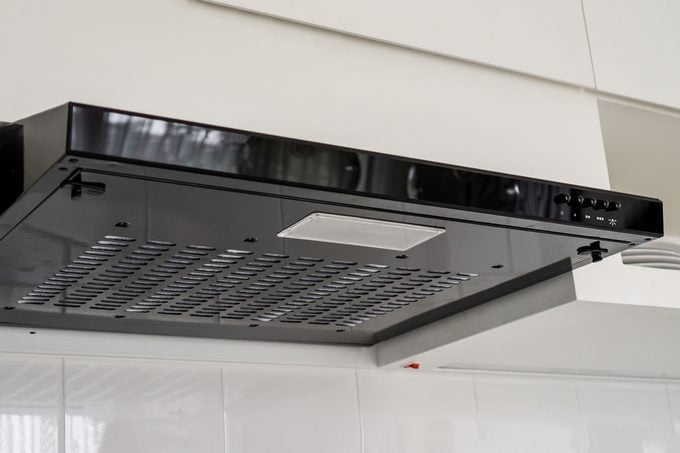
A ductless range hood offers a smart alternative to traditional vented hoods. It captures and filters cooking fumes without the need for external ductwork. This makes it ideal for apartments or kitchens where installing ducts is difficult or impossible.
Understanding the basics of how it works and what it includes can help you decide if it fits your cooking space and lifestyle. Let’s dive into the core functions and parts of a ductless range hood.
How It Works
A ductless range hood pulls in air from your cooking area just like a vented hood. But instead of pushing the air outside, it cleans the air and recirculates it back into your kitchen.
It uses filters to trap grease, smoke, and odors. You’ll need to replace or clean these filters regularly to keep the hood working well.
Think about your last meal — did the smell linger for hours? A ductless hood can help reduce that by filtering the air quickly.
Key Components
- Fan or Blower:This sucks up the cooking fumes and moves the air through the filters.
- Grease Filters:Usually made of metal or charcoal, these catch grease particles to keep your kitchen cleaner.
- Charcoal Filters:These remove odors and smoke before the air is recirculated.
- Lighting:Many models include built-in lights to brighten your cooking area.
- Control Panel:Allows you to adjust fan speed and lighting to match your cooking needs.
Knowing these parts helps you maintain your hood better. Have you checked your filters lately? Clean filters make a huge difference in performance and air quality.
Types Of Ductless Range Hoods
Ductless range hoods come in different types, each designed to fit various kitchen setups and cooking habits. Understanding these types can help you pick the right model for your space and needs. Let’s break down the common types so you can make an informed choice.
Recirculating Models
Recirculating ductless range hoods pull the air through filters and then release it back into your kitchen. They don’t need external ductwork, making them ideal for apartments or homes where venting outside isn’t possible.
These models are usually easier to install and more flexible in placement. However, since they recirculate air instead of removing it completely, you might notice less effective odor removal compared to ducted options.
Think about your kitchen layout—do you have a window or wall nearby to vent outside? If not, a recirculating model might be your best bet. But be ready to replace filters regularly to keep the air fresh.
Filter Variations
Filters are the heart of any ductless range hood, and they come in several types, each with its own pros and cons.
- Charcoal Filters:These absorb odors and are essential for recirculating hoods. They need to be replaced every 3 to 6 months depending on your cooking frequency.
- Grease Filters:Usually made of aluminum or stainless steel, these trap grease particles. They are washable and reusable, making maintenance easier.
- Combination Filters:Some models offer both grease and charcoal filters for comprehensive air cleaning.
Have you ever noticed a lingering smell in your kitchen despite running the hood? That could be a sign it’s time to check your filters. Choosing the right filter type impacts not just air quality but also how often you’ll need to maintain your hood.
Benefits Of Ductless Range Hoods
Ductless range hoods offer several benefits that make them popular in many kitchens. They improve air quality by filtering out smoke and odors. Installation is simpler compared to traditional hoods. These units also help save energy, making them a practical choice for modern homes.
Improved Air Quality
Ductless range hoods clean the air by trapping grease, smoke, and odors. They use charcoal filters to absorb smells and particles. This keeps the kitchen air fresh and healthy. It is especially useful in spaces without external vents.
Easy Installation
Ductless hoods do not require ductwork or venting outside. They fit in kitchens without walls or windows for ducts. Installation takes less time and costs less than vented hoods. This makes them ideal for apartments and small homes.
Energy Efficiency
These hoods recycle air instead of expelling it outside. This helps maintain indoor temperature better. Less energy is needed for heating or cooling the home. Their fans usually use less electricity, reducing energy bills.

Credit: www.ebay.ca
Choosing The Right Size
Choosing the right size for your ductless range hood is crucial for effective kitchen ventilation. A hood that’s too small won’t capture smoke and odors well, while one that’s too large might overwhelm your space and waste energy. Understanding your kitchen’s dimensions and cooking habits helps you pick the perfect fit.
Measuring Your Kitchen Space
Start by measuring the width of your cooking surface. Your range hood should be at least as wide as your stove, ideally extending 3 inches beyond each side.
Next, consider the height from the cooktop to where the hood will be installed. Most ductless hoods work best when mounted 24 to 30 inches above the cooking surface. Check your kitchen’s ceiling height and any overhead cabinets to make sure there’s enough room.
Think about the overall kitchen layout too. Is your cooking area open or enclosed? Smaller, enclosed kitchens may benefit from a more compact hood, while open kitchens can handle larger models.
Matching Hood Capacity
Hood capacity is measured in cubic feet per minute (CFM), indicating how much air the hood can move. Your hood needs enough CFM to clear smoke and odors efficiently.
A general rule is to multiply the width of your stove by the depth and by the height of your kitchen, then adjust based on your cooking style. For example, if you often fry or grill, you’ll need a higher CFM to handle heavy smoke.
Remember, a ductless range hood recirculates air through filters, so it requires a stronger fan than ducted models. Don’t underestimate the power needed—choosing a hood with too low a CFM can leave your kitchen smelling stale.
Filter Maintenance Tips
Keeping the filters of a ductless range hood clean is key to its performance. Dirty filters reduce airflow and trap odors poorly. Regular care extends filter life and keeps air fresh in your kitchen.
Cleaning Carbon Filters
Carbon filters absorb smoke and smells from cooking. They need gentle cleaning to keep working well. Remove the filter carefully from the hood. Use a soft brush or vacuum to clear loose dust and particles. Avoid washing carbon filters with water as it can damage them. Let the filter dry completely if it feels damp. Clean filters help the hood remove odors better and keep your kitchen air clean.
Replacing Filters Timely
Carbon filters do not last forever. Replace them every 3 to 6 months depending on use. Check the manufacturer’s guide for exact timing. A worn-out filter lets smells escape and reduces hood efficiency. Use only filters made for your specific hood model. Timely replacement keeps your kitchen fresh and the hood running smoothly.
Common Myths Debunked
Many people hesitate to choose a ductless range hood because of common myths surrounding its performance and noise. These misunderstandings can prevent you from enjoying the benefits of a sleek, easy-to-install appliance. Let’s clear up some of the confusion so you can decide if a ductless option fits your kitchen needs.
Effectiveness Compared To Ducted Hoods
One widespread myth is that ductless range hoods aren’t as effective as ducted ones. While ducted hoods vent air outside, ductless models use filters to clean and recirculate air inside your kitchen.
Modern ductless hoods come with high-quality charcoal and grease filters that trap odors and smoke efficiently. If you cook often but don’t have an external vent, a ductless hood can still keep your kitchen fresh.
Ask yourself: How often do you cook meals that produce heavy smoke or strong smells? If it’s occasional, a ductless hood will likely meet your needs.
Noise Levels
Another common myth claims ductless range hoods are noisier than ducted ones. Actually, noise levels depend on the motor and fan design rather than the vent type.
I once installed a ductless hood in a small apartment, and it ran quietly enough that I barely noticed it. Some ductless models even have quieter operation modes compared to older ducted hoods.
If noise bothers you, check product reviews and specifications before buying. Many brands provide decibel ratings so you can compare noise levels directly.
Installation Considerations
Installing a ductless range hood requires careful planning. It differs from traditional hoods that vent outside. Proper installation ensures efficient air cleaning and safety. Consider the location and power needs before starting the setup. These factors affect the hood’s performance and your kitchen’s look.
Placement Options
Choose a spot directly above the cooking surface. The hood should cover all burners to catch smoke and steam. Keep it at least 24 inches above the cooktop. This height balances effective ventilation and safety. Walls or cabinets nearby can limit placement choices. A center position works best for even air flow. Avoid placing the hood too close to walls that block air intake.
Electrical Requirements
Ductless range hoods need a power source for the fan and lights. Most models use standard 110-120 volt outlets. Check the hood’s power rating before installation. Use a dedicated circuit to avoid overloads. Ensure the electrical outlet is near the hood location. Extension cords are not safe or recommended. Hire a qualified electrician for wiring to meet local codes and safety standards.
Popular Brands And Models
Choosing the right ductless range hood can feel overwhelming with so many options available. Popular brands and models offer different features that can suit your kitchen’s size, style, and cooking habits. Knowing what each brand excels at helps you pick a model that truly fits your needs.
Vent-a-hood
Vent-A-Hood is known for its strong suction power and quiet operation. Their ductless models use advanced filtration systems to trap smoke and odors effectively.
If you want a reliable hood that performs well without venting outside, this brand is worth checking out. Have you considered how noise levels impact your cooking experience?
Bosch
Bosch offers sleek designs that blend well with modern kitchens. Their ductless range hoods come with energy-efficient LED lights and easy-to-clean filters.
This brand focuses on combining style with practical features, making it a popular choice for those who want both form and function. Could a stylish hood motivate you to cook more often?
Broan
Broan provides budget-friendly options without sacrificing quality. Their ductless hoods use charcoal filters that are simple to replace and maintain.
For kitchens on a budget, Broan models offer solid performance. How important is affordability versus advanced features in your decision?
Zephyr
Zephyr stands out for its innovative designs and smart technology integration. Some models include touch controls and multiple fan speeds for precise ventilation.
If you enjoy tech-savvy appliances, Zephyr might catch your eye. Do you prefer more control over your kitchen ventilation settings?
Kitchenaid
KitchenAid’s ductless range hoods are popular for their durability and powerful filtration. They often feature dishwasher-safe filters, making cleanup easier.
For busy cooks, ease of maintenance can be a game-changer. How much time do you want to spend cleaning your kitchen appliances?
Cost And Energy Usage
Understanding the cost and energy usage of a ductless range hood is key before making a purchase. These factors affect not only your wallet upfront but also your monthly utility bills. Knowing what to expect can help you choose a model that fits your budget and lifestyle.
Initial Investment
Ductless range hoods usually cost less to install than traditional ducted models. Since you don’t need to run ducts through walls or ceilings, installation is simpler and cheaper. However, the price of the unit itself can vary widely based on brand, size, and features.
Expect to pay between $150 and $600 for a quality ductless hood. Higher-end models with advanced filters or sleek designs may cost more. You might find this initial expense surprising if you’re used to standard vented hoods.
Long-term Savings
Energy efficiency is a strong point for many ductless range hoods. They often use LED lighting and energy-saving fans that consume less power. Over time, this can lower your electricity bills.
Maintenance costs are another factor. You’ll need to replace or clean filters regularly, but these expenses are usually minimal compared to duct cleaning for vented hoods. Have you considered how much you spend on maintaining your current kitchen ventilation?
Choosing a ductless hood might save you money in the long run, especially if you cook frequently. The reduced installation cost and lower energy use add up to real savings. What would you do with the extra money saved on energy bills?
Credit: www.familyhandyman.com
Frequently Asked Questions
What Is A Ductless Range Hood?
A ductless range hood filters air through charcoal or carbon filters. It recirculates clean air back into the kitchen, without external venting. It is ideal for kitchens without ductwork or limited ventilation options.
How Does A Ductless Range Hood Work?
It uses a fan to draw cooking fumes and smoke through filters. The filters trap grease, odors, and pollutants. Then, clean air is released back into the room, maintaining fresh kitchen air without outside ducts.
Are Ductless Range Hoods Effective In Odor Removal?
Yes, ductless range hoods effectively reduce cooking odors using carbon filters. These filters absorb and neutralize smells, keeping your kitchen smelling fresh. However, regular filter replacement is necessary for optimal performance.
Can Ductless Range Hoods Replace Traditional Vented Hoods?
They can, but with limitations. Ductless hoods recirculate air and don’t remove heat or moisture outside. For heavy cooking, vented hoods are more efficient. Ductless models suit light to moderate cooking environments.
Conclusion
A ductless range hood helps keep your kitchen fresh and clean. It uses filters to trap smoke and odors. You don’t need extra vents or ducts. This makes installation easier and faster. It works well in many kitchens, especially small ones.
Regular filter cleaning keeps it working right. Choosing the right hood depends on your kitchen size and needs. Ductless range hoods offer a simple way to improve air quality. They keep cooking smells from spreading around your home. A smart choice for many homes and apartments.