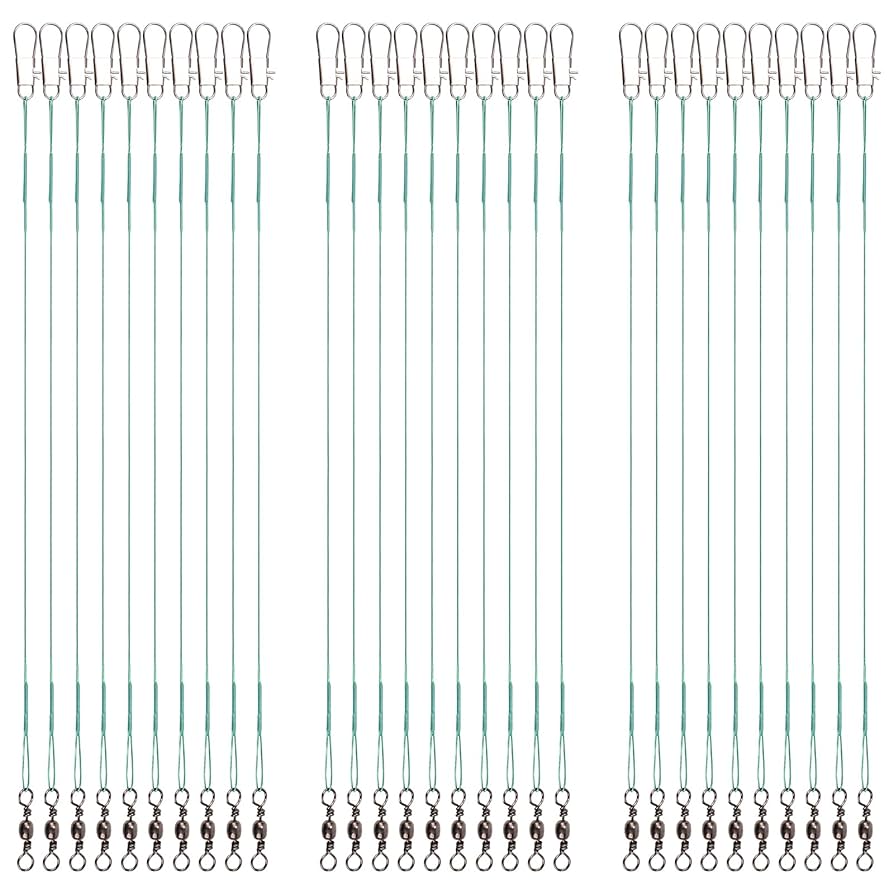
Have you ever wondered why some fishing trips end with a big catch while others leave you empty-handed? One simple tool can make all the difference: a fishing line leader.
If you’re serious about improving your fishing game, understanding what a fishing line leader is and how to use it can boost your chances of success. Keep reading, and you’ll discover how this small piece of gear can protect your line, attract more fish, and help you reel in your next trophy.
Don’t miss out on the secret that experienced anglers swear by!
Role Of A Fishing Line Leader
A fishing line leader is a short section of line tied between the main line and the hook or lure. It helps protect the main line and improves fishing success.
Leaders have special qualities that make fishing easier and safer for your gear. They play key roles in several important areas.
Preventing Line Breakage
Leaders are stronger and more durable than regular fishing lines. They reduce the chance of the line breaking during a fight with a fish.
The leader absorbs sharp pulls and sudden jerks. This keeps the main line safe and stops fish from escaping.
- Made from tougher materials
- Handles sharp pulls better
- Protects main line from snaps
Reducing Visibility Underwater
Leaders are often thinner or clearer than the main line. This makes them harder for fish to see under water.
Less visibility helps you catch fish that are shy or easily scared. It increases your chances of a bite.
- Clear or light-colored material
- Thinner than main line
- Minimizes fish suspicion
Protecting Against Sharp Teeth
Some fish have sharp teeth that can cut regular fishing lines. Leaders made of wire or heavy-duty material stop this damage.
Using a strong leader keeps your line from being bitten through. It helps catch toothy fish safely.
- Wire or heavy-duty leader types
- Resists teeth and sharp edges
- Keeps line intact during fights

Credit: www.amazon.ca
Types Of Fishing Leaders
A fishing line leader is a short length of line attached to the main fishing line. It helps protect the line from sharp teeth or rough surfaces. Leaders also improve bait presentation and reduce line visibility.
There are different types of fishing leaders. Each type has specific uses and benefits. Choosing the right leader helps catch more fish and avoid line damage.
Monofilament Leaders
Monofilament leaders are made from a single strand of nylon. They are flexible and easy to tie to the main line. Monofilament is popular for many fishing styles because it stretches under pressure.
This stretch helps absorb shocks from fish strikes and heavy pulls. Monofilament leaders are also less visible in water but can wear out faster than other leaders.
Fluorocarbon Leaders
Fluorocarbon leaders are made from a type of plastic that sinks faster. They are nearly invisible underwater because of their light refraction. This helps avoid spooking fish in clear water.
Fluorocarbon is also abrasion-resistant. It works well around rocks, weeds, or sharp fish teeth. These leaders do not stretch as much as monofilament, giving better hook sets.
Wire Leaders
Wire leaders are made from thin strands of metal wire twisted together. They are strong and resist sharp teeth from fish like pike or mackerel. Wire leaders prevent the fish from biting through the line.
These leaders do not stretch and can be more visible in water. Anglers use wire leaders when fishing for toothy fish or in heavy cover. Wire leaders come in different thicknesses depending on the fishing need.
Choosing The Right Leader
A fishing line leader is a short, strong line attached between the main line and the hook. It helps protect against sharp teeth, rough surfaces, and sudden pulls. Picking the right leader can improve your chances of catching fish.
Leaders come in different materials, lengths, and strengths. Choosing the right one depends on the type of fish, water conditions, and fishing style. This guide helps you select the best leader for your needs.
Matching Leader Strength To Fish Species
Use a leader strong enough to handle the fish you want to catch. Bigger fish need stronger leaders to avoid breaking. Smaller fish need lighter leaders that do not scare them away.
Check the leader’s test strength, which shows the maximum weight it can hold. Match this to the fish’s size and power. Too weak a leader breaks easily, too strong may scare fish.
- Light leaders (2-6 lb) for small fish like trout and panfish
- Medium leaders (8-15 lb) for bass, walleye, and similar fish
- Heavy leaders (20+ lb) for large fish like pike, muskie, or saltwater species
Considering Water Clarity
Clear water requires leaders that are less visible to fish. Fluorocarbon leaders work well because they blend into the water. In murky or stained water, visibility is less important.
In dirty water, use a stronger or thicker leader to avoid breakage. The leader’s color can help too. Clear or light-colored leaders suit clean water. Darker leaders suit muddy water.
- Clear water: Use clear or fluorocarbon leaders
- Muddy water: Use heavier, darker leaders
- Adjust leader visibility to water conditions
Selecting Leader Length
Leader length affects how fish see your bait and how you handle the line. Short leaders offer better control and less chance of tangles. Long leaders give better stealth in clear water.
For most fishing, leaders between 12 and 36 inches work well. Use shorter leaders for fast-moving water or heavy cover. Use longer leaders for clear water and shy fish.
- 12 to 18 inches for heavy cover or fast water
- 24 to 36 inches for clear water and cautious fish
- Adjust length to fishing style and conditions
Credit: mysterytacklebox.com
Attaching Leaders To Your Line
Attaching a leader to your fishing line helps prevent breakage and improves bait presentation. It creates a strong, flexible connection between the main line and the hook or lure.
Choosing the right method to attach a leader ensures your gear works well and catches fish more often. Let’s look at some common techniques to do this.
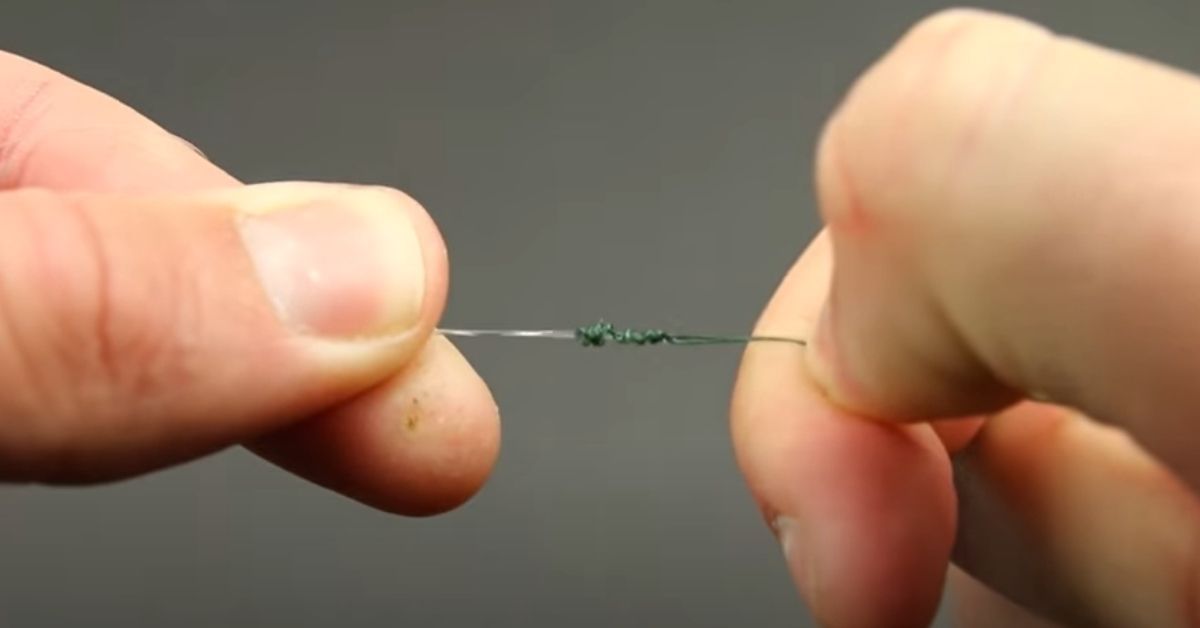
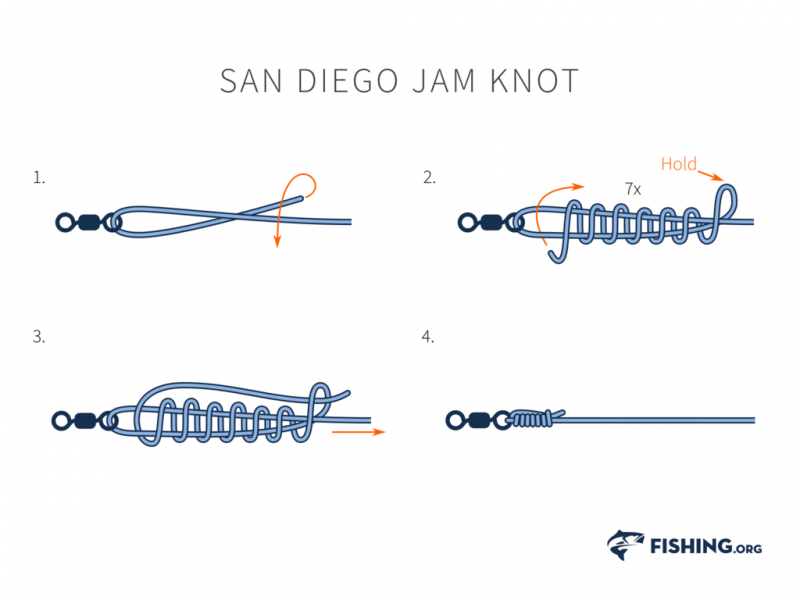
Common Knots For Leaders
Using the right knot is key to a secure leader attachment. Some knots are easier to tie, while others offer more strength.
- Uni Knot:Strong and simple to tie, good for most lines.
- Albright Knot:Ideal for connecting lines of different thicknesses.
- Double Surgeon’s Knot:Good for joining two similar lines.
- Palomar Knot:Reliable and strong, great for braided lines.
Using Swivels And Clips
Swivels and clips make it easy to change leaders without cutting your main line. They also reduce line twist and improve movement.
| Type | Use | Benefit |
| Barrel Swivel | Connects main line to leader | Prevents line twist |
| Snap Swivel | Quick leader changes | Fast and convenient |
| Ball Bearing Swivel | For heavy lures and big fish | Smooth rotation and strength |
| Quick Clip | Attach leaders or lures | Easy to open and close |
Tips For Secure Connections
- Wet the knot before tightening to avoid damage.
- Pull the line slowly and firmly to set the knot.
- Trim excess tag ends close to the knot.
- Test the knot by pulling hard before fishing.
- Use the right knot for your line type and thickness.
Maintaining And Replacing Leaders
Fishing line leaders help protect your main line from sharp teeth and rough surfaces. Keeping them in good shape is important for a successful fishing trip.
Proper care and timely replacement of leaders prevent losing fish and gear. Learn how to spot damage, store leaders right, and know when to change them.
Signs Of Wear And Tear
Check your leaders often for damage before fishing. Small issues can cause big problems later.
- Look for frays or cuts along the line
- Notice any discoloration or stiffness
- Feel for weak spots by gently bending the leader
- Inspect knots for slipping or loosening
- Watch for corrosion on metal components
Storage Tips
Store your leaders properly to keep them strong and ready. Avoid conditions that cause damage over time.
| Storage Method | Benefit |
|---|---|
| Keep leaders in a cool, dry place | Prevents weakening from heat and moisture |
| Use a plastic or hard case | Protects from tangles and physical damage |
| Separate leaders by type and size | Makes it easier to find the right leader |
| Do not store leaders in direct sunlight | Avoids UV damage that breaks down material |
When To Replace Your Leader
Knowing when to swap out a leader saves time and money. Replace leaders if you see signs of damage or after heavy use.
- After catching a large or toothy fish
- If the leader feels weak or brittle
- When knots slip or fray
- If you find cuts, nicks, or abrasions
- After long exposure to sun or saltwater
Common Mistakes To Avoid
Using a fishing line leader helps protect your main line and catch more fish. Many anglers make simple errors that reduce its effectiveness.
Knowing what mistakes to avoid will improve your fishing experience and increase your success rate.
Using Incorrect Leader Material
Choosing the wrong material for your leader can cause line breakage or scare fish away. Some materials work better for certain fish and water conditions.
For example, using a heavy leader for small fish can reduce bite rates. Using a thin leader for sharp-toothed fish can lead to line cuts.
- Monofilament leaders are good for general use and flexibility.
- Fluorocarbon leaders are less visible underwater and resist abrasion.
- Wire leaders work best for fish with sharp teeth.
Ignoring Leader Visibility
Leaders that are easy for fish to see can reduce your chances of a bite. Clear or low-visibility leaders help keep fish from noticing your line.
Using a leader that stands out can scare fish away, especially in clear water or bright light. Match the leader to the water clarity and fish species.
- Use fluorocarbon leaders in clear water for better invisibility.
- Choose colored leaders that blend with water in murky conditions.
- Avoid shiny or reflective leaders that attract unwanted attention.
Neglecting Leader Maintenance
Leaders wear down from use and damage. Not checking your leader often can lead to unexpected breaks and lost fish.
Always inspect your leader for nicks, scratches, or weak spots before fishing. Replace it if you see any damage.
- Check the leader after every big catch or snag.
- Replace leaders regularly, even if they look fine.
- Store leaders properly to avoid tangles and damage.
Credit: medium.com
Frequently Asked Questions
What Is A Fishing Line Leader Used For?
A fishing line leader protects the main line from abrasion and fish bites. It also reduces visibility in water, improving catch rates.
How Do You Choose The Right Fishing Line Leader?
Select a leader based on fish species, water clarity, and fishing technique. Consider strength, length, and material for best results.
What Materials Are Fishing Line Leaders Made From?
Leaders are commonly made from fluorocarbon, monofilament, or wire. Each material offers different levels of strength and invisibility underwater.
Can A Fishing Line Leader Prevent Line Breakage?
Yes, leaders absorb shocks and prevent damage from sharp teeth or rough surfaces. They increase overall line durability during fishing.
Conclusion
A fishing line leader protects your main line from damage. It helps avoid breaks caused by sharp teeth or rough surfaces. Leaders also make your bait look more natural in the water. Choosing the right leader improves your chances of catching fish.
Try different types to see what works best. Fishing becomes easier and more fun with the right gear. Remember, a strong leader means fewer lost fish. Keep it simple, and fish smart.