Have you ever wondered what makes fishing such a popular pastime around the world? At the heart of every fishing adventure is a simple tool that can make all the difference: the fishing rod.
Whether you’re a beginner or just curious, understanding what a fishing rod is can help you enjoy your time by the water even more. You’ll discover how this essential piece of equipment works, why it’s important, and how it can turn a quiet afternoon into an exciting experience.
Ready to learn more? Let’s dive in and explore the world of fishing rods together.
Types Of Fishing Rods
Fishing rods come in many types. Each type fits different fishing styles and fish.
Knowing the types helps you pick the right rod for your fishing trip.
Spinning Rods
Spinning rods are popular for beginners and experts. They work with spinning reels that hang below the rod.
These rods are easy to use and good for light to medium fishing. They cast light lures well.
- Good for freshwater and light saltwater fishing
- Flexible and forgiving for beginners
- Works well with small baits and lures
Casting Rods
Casting rods use baitcasting reels that sit on top of the rod. They offer more control and power.
These rods are best for heavy lures and bigger fish. They need more skill to use well.
- Good for heavy baits and large fish
- Offers precise casting control
- Requires practice to avoid line tangles
Fly Rods
Fly rods are long and flexible. They use fly lines to cast very light flies.
This type is used in fly fishing, often in rivers or streams. Casting is different and needs practice.
- Designed for fly fishing with light lures
- Long rods help with delicate casting
- Used mainly in freshwater fishing
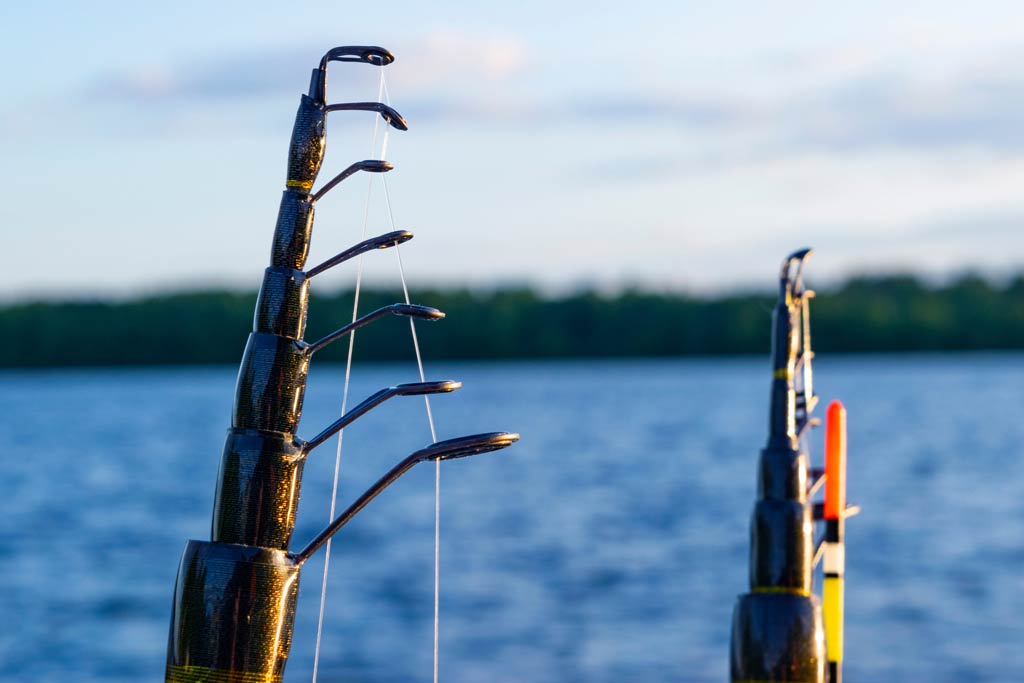
Telescopic Rods
Telescopic rods collapse to a small size. They are easy to carry and store.
These rods suit casual fishing and travel. They come in different lengths and strengths.
- Compact and easy to transport
- Good for travel and hiking
- May not be as strong as fixed rods

Credit: www.fishusa.com
Key Parts Of A Fishing Rod
A fishing rod has several important parts. Each part helps you catch fish better. Knowing these parts helps you choose the right rod.
This guide explains the main parts of a fishing rod. These include the rod blank, handle and grip, guides, and reel seat.
Rod Blank
The rod blank is the main body of the fishing rod. It is a long, thin piece that bends when you catch fish. Rod blanks are made from materials like fiberglass, graphite, or carbon fiber.
The strength and flexibility of the rod blank affect how well you can fish. A good rod blank balances power and sensitivity.
Handle And Grip
The handle is where you hold the fishing rod. It gives you control and comfort while fishing. The grip covers the handle and helps you hold the rod firmly.
Handles can be made from cork, foam, or rubber. Each material feels different and suits different fishing styles.
- Cork is lightweight and comfortable.
- Foam is soft and easy to clean.
- Rubber provides a strong, non-slip grip.
Guides
Guides are small rings attached along the rod blank. They keep the fishing line in place and help it flow smoothly. Guides reduce friction when casting or reeling in fish.
Good guides are made of strong materials like stainless steel or ceramic. The size and number of guides affect how well the rod performs.
Reel Seat
The reel seat is the part where you attach the fishing reel. It holds the reel securely to the rod. A tight reel seat stops the reel from moving during use.
Reel seats are made from metal or plastic. They come in different sizes to fit various reels.
Materials Used In Rod Construction
Fishing rods are made using different materials. Each material affects the rod’s strength and flexibility.
Understanding these materials helps you choose the right rod for your fishing needs.
Fiberglass
Fiberglass rods are strong and flexible. They are durable and can handle heavy loads.
- Cost-effective for beginners
- Great for casting heavy lures
- Ideal for slow-action rods
Graphite
Graphite rods are lighter and more sensitive. They allow you to feel even the slightest bites.
Composite Materials
Composite rods combine fiberglass and graphite. This offers a balance between strength and sensitivity.
| Material | Benefits |
| Fiberglass | Durability and strength |
| Graphite | Lightweight and sensitive |
| Composite | Balanced performance |
How To Choose The Right Fishing Rod
Choosing the right fishing rod can make your fishing trip more fun and successful. There are many types of rods designed for different fishing styles and fish sizes.
It is important to pick a rod that fits how you fish. This guide helps you understand what to look for in a fishing rod.
Matching Rod To Fishing Style
Each fishing style needs a different rod. For example, fly fishing uses light rods, while deep sea fishing needs strong rods. Choose a rod that suits where and how you want to fish.
- Fly fishing: light and flexible rods
- Freshwater fishing: medium rods for lakes and rivers
- Saltwater fishing: strong rods to handle big fish
- Ice fishing: short rods for small holes in ice
Considering Rod Length And Power
Rod length affects how far and how well you can cast. Power means how much weight the rod can handle without breaking. Both are key to choosing the right rod.
| Rod Length | Best Use |
| Short (5-6 feet) | Good for close fishing and control |
| Medium (6-7 feet) | All-around use for many styles |
| Long (7-10 feet) | For long casts and larger fish |
| Rod Power | Description |
| Light | Small fish and light baits |
| Medium | Average size fish and baits |
| Heavy | Big fish and heavy baits |
Choosing Rod Action
Rod action shows how much the rod bends. Fast action rods bend near the tip. Slow action rods bend the whole rod. Pick action based on the fish and lures you use.
- Fast action:casts far, good for big fish
- Medium action:good for many types of fishing
- Slow action:better for small fish and light lures
Basic Fishing Rod Maintenance
Taking care of your fishing rod helps it last longer. Proper maintenance keeps it working well every time you fish.
Simple steps like cleaning, storing, and checking for damage make a big difference. These habits protect your rod from wear and tear.
Cleaning After Use
Rinse your fishing rod with fresh water after every use. Salt, dirt, and debris can damage it if left on.
Use a soft cloth to wipe the rod and guides gently. Avoid harsh chemicals that may harm the rod’s finish.
Storage Tips
- Store your rod in a dry place away from direct sunlight.
- Keep the rod in a rod holder or rack to avoid bending.
- Loosen the reel drag before storing to reduce pressure on the rod.
- Use rod covers or cases for extra protection during transport.
Inspecting For Damage
| Part | What to Check | Why It Matters |
| Rod Blank | Look for cracks or deep scratches | Cracks weaken the rod and may cause breakage |
| Guides | Check for bent rings or missing inserts | Damaged guides can fray the fishing line |
| Reel Seat | Ensure it tightens securely and shows no rust | A loose reel seat affects casting and control |
| Handle | Inspect for wear or looseness | A worn handle reduces grip and comfort |

Credit: mysterytacklebox.com
Common Mistakes Beginners Make
Many new anglers struggle with fishing rod choices. Using the wrong rod or handling it poorly affects fishing success. Avoiding common mistakes helps improve your fishing experience.
This guide explains key errors to avoid when using a fishing rod. Learn what to watch for in rod type, action, and care.
Using Incorrect Rod For Fish Type
Choosing a rod not suited for the fish you want to catch causes problems. A rod that is too weak or too strong can break or make fishing hard.
- Light rods work best for small fish like trout.
- Medium rods are good for bass or walleye.
- Heavy rods suit big fish like catfish or pike.
- Using a heavy rod for small fish can scare them away.
- Using a light rod for big fish may break the rod.
Ignoring Rod Action
Rod action means how much the rod bends under pressure. Beginners often pick rods without thinking about action. This causes poor casting and less control.
| Rod Action | Description | Best Use |
| Fast | Bends near the tip | Quick hook sets, big fish |
| Moderate | Bends in top half | Good for general fishing |
| Slow | Bends along the whole rod | Light lures, small fish |
Poor Handling And Storage
Improper care damages your fishing rod. Many beginners store rods in bad places or drop them. This shortens rod life and wastes money.
Tips for handling and storage:
- Always rinse rods with fresh water after use.
- Store rods in a cool, dry place away from sunlight.
- Use rod holders or racks to avoid bending.
- Handle rods gently, avoiding drops and knocks.
- Check guides and reel seats for damage regularly.
Essential Accessories For Fishing Rods
A fishing rod needs more than just the rod itself. Accessories help improve fishing success. These items make fishing easier and more fun.
Understanding key accessories helps you prepare better. This guide covers reels, lines, baits, and lures.
Reels
Reels hold the fishing line and help you cast and retrieve it. There are different types of reels for various fishing styles.
- Spinning reels are easy to use and good for beginners.
- Baitcasting reels offer more control for experienced anglers.
- Spincast reels combine features of spinning and baitcasting reels.
Lines
Fishing lines connect the reel to the bait or lure. Choosing the right line is important for catching fish.
| Type of Line | Strength | Best Use |
| Monofilament | Low to medium | General fishing |
| Fluorocarbon | Medium to high | Clear water fishing |
| Braided | High | Heavy cover fishing |
Baits And Lures
Baits and lures attract fish to your hook. Use natural bait or artificial lures depending on the fish species.
- Live bait such as worms or minnows is very effective.
- Soft plastic lures mimic small fish or insects.
- Spinnerbaits create flash and vibrations to attract fish.
- Crankbaits dive and move like real prey.

Credit: fishingbooker.com
Frequently Asked Questions
What Is A Fishing Rod Used For?
A fishing rod is a tool designed to catch fish. It helps cast the fishing line and lure. It improves accuracy and control during fishing activities.
What Are The Main Parts Of A Fishing Rod?
A fishing rod consists of the handle, reel seat, guides, blank, and tip. Each part plays a key role in fishing performance and comfort.
How Do I Choose The Right Fishing Rod?
Choose based on the type of fish, fishing style, and water environment. Consider rod length, power, and action for best results.
What Materials Are Fishing Rods Made From?
Fishing rods are commonly made from graphite, fiberglass, or composite materials. These materials affect flexibility, strength, and sensitivity.
Conclusion
A fishing rod is a simple tool that helps catch fish. It lets you cast bait far into the water. Different rods work best for different fish and places. Choosing the right rod makes fishing easier and more fun. Now you know what a fishing rod is and why it matters.
Try one out and enjoy your time by the water!