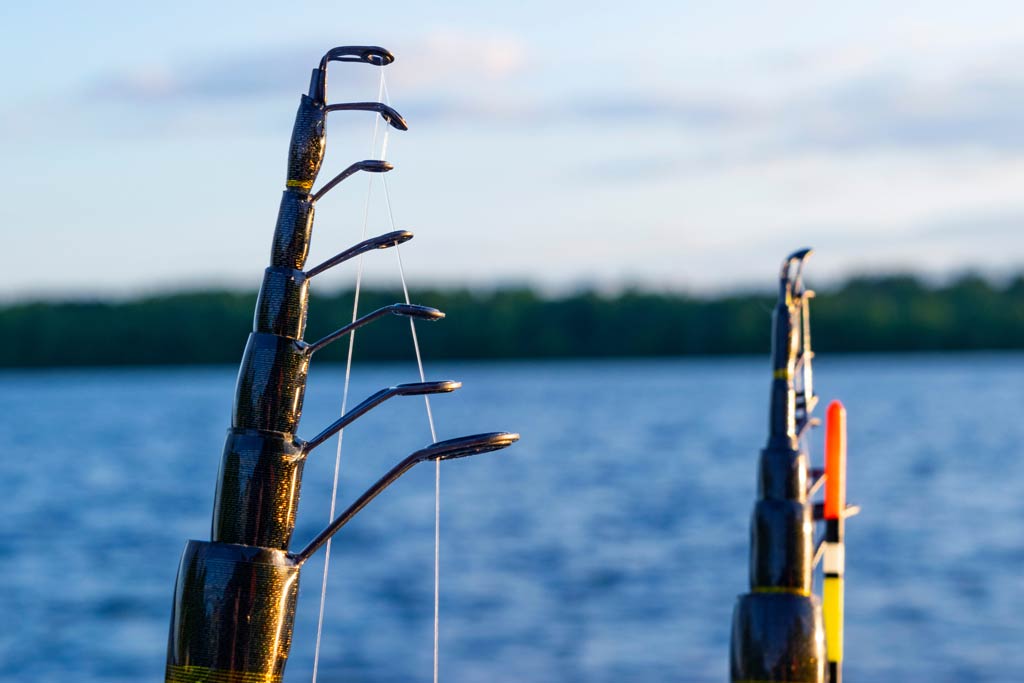
Have you ever wondered what makes fishing such a popular and relaxing hobby? It all starts with one simple tool: the fishing rod.
But what exactly is a fishing rod, and why is it so important for your fishing experience? Whether you’re a beginner or looking to improve your skills, understanding your fishing rod can change the way you fish—and catch. Keep reading to discover how this essential piece of equipment works and how it can help you reel in your next big catch.

Credit: fishingbooker.com
Fishing Rod Basics
A fishing rod is a long, flexible pole used to catch fish. It helps cast the fishing line far into the water.
Fishing rods come in different sizes and styles for many types of fishing. They make fishing easier and more fun.
Types Of Fishing Rods
There are several types of fishing rods. Each type fits a specific fishing style or environment.
- Spinning rods: Good for beginners and light fishing.
- Baitcasting rods: Used for heavy fish and accurate casting.
- Fly rods: Designed for fly fishing using lightweight lures.
- Trolling rods: Made for fishing from moving boats.
- Surf rods: Long rods for casting from shore into the ocean.
Key Components
A fishing rod has several parts that work together. Each part plays an important role.
- Rod blank: The main long stick, usually made of fiberglass or carbon fiber.
- Handle: The part you hold, often made of cork or foam.
- Guides: Small rings along the rod that direct the fishing line.
- Reel seat: The place where the fishing reel attaches to the rod.
- Tip: The very end of the rod, which is flexible to sense fish bites.
How Fishing Rods Work
The fishing rod helps cast the line and control the fish. It acts like a lever to increase casting distance.
When a fish bites, the rod bends to absorb the force. This keeps the line from breaking and helps reel in the fish.
Choosing Your First Rod
Picking your first fishing rod can be simple. The right rod helps you enjoy fishing more.
Think about the rod’s material, length, and what fish you want to catch. These choices matter.
Material Options
Fishing rods come in different materials. Each type changes how the rod feels and works.
Fiberglass rods are strong and flexible. They work well for beginners and rough use.
Graphite rods are light and sensitive. They help you feel bites better but can break easier.
- Fiberglass: durable, heavier, good for tough conditions
- Graphite: lightweight, sensitive, good for light fishing
- Composite: mix of fiberglass and graphite, balanced features
Rod Length And Power
Rod length affects how far you can cast and how you control the fish. Short rods are easier to handle.
Power means how much weight the rod can handle. Choose power based on the fish size.
- Short rods (5-6 feet): good for small areas and close casting
- Medium rods (6-7 feet): versatile for many fishing types
- Long rods (7-9 feet): better for long casts and open water
- Light power: for small fish and light lures
- Medium power: for average-sized fish
- Heavy power: for big fish and heavy lures
Matching Rod To Fish Type
Choose a rod that fits the fish you want to catch. Different fish need different rods.
Small fish need light rods with soft tips. Big fish need strong rods with more power.
- Trout and panfish: light rods, 5-7 feet, sensitive tips
- Bass and walleye: medium rods, 6-7 feet, medium power
- Salmon and catfish: medium-heavy rods, 7-8 feet, strong power
- Big saltwater fish: heavy rods, 7-9 feet, very strong power
Essential Rod Features
A fishing rod is a tool used to catch fish. It helps you cast a line and feel fish biting.
Fishing rods have many parts that affect how well they work. Knowing these parts helps you pick the right rod.
Rod Action Explained
Rod action means how much the rod bends when you pull on it. It shows how fast the rod returns to straight.
There are three main types of action:
- Fast action bends near the tip
- Medium action bends in the middle
- Slow action bends along the whole rod
Handle Types And Comfort
The handle is where you hold the rod. It affects how comfortable the rod feels in your hand.
Common handle types include cork and foam. Cork is light and soft. Foam is durable and easy to clean.
- Cork handles absorb sweat and feel warm
- Foam handles resist water and are firm
- Handle shape can be straight or pistol grip
Guides And Reel Seats
Guides are rings along the rod that the fishing line passes through. They help the line move smoothly.
The reel seat is the part where you attach the fishing reel. It keeps the reel fixed during casting and reeling.
- Guides can be made of metal or ceramic
- More guides help spread pressure on the line
- Reel seats vary in size to fit different reels
Setting Up Your Fishing Rod
Setting up your fishing rod correctly is important for a good fishing experience. It helps you cast smoothly and catch fish more easily.
Follow these steps to get your fishing rod ready before you go fishing.
Attaching The Reel
First, attach the reel to the rod. Slide the reel foot into the reel seat on the rod handle. Tighten the reel seat until the reel is secure and does not move.
Spooling The Line
Next, spool the fishing line onto the reel. Tie the line to the spool with a strong knot. Turn the reel handle to wind the line evenly. Keep the line tight to avoid tangles.
- Use the right type of line for your fishing style.
- Keep the line tight while spooling.
- Fill the spool but leave some space to avoid overfilling.
Adjusting Drag And Tension
Finally, adjust the drag and tension on your reel. Drag controls how much force the fish feels when it pulls the line. Set it tight enough to hold the fish but loose enough to prevent line break.
| Drag Setting | Use |
| Light | Small fish, light line |
| Medium | Average fish, medium line |
| Heavy | Large fish, heavy line |
Fishing Rod Maintenance
Taking care of your fishing rod keeps it working well for a long time. Regular maintenance helps avoid damage and keeps the rod strong.
Simple cleaning and proper storage improve your fishing experience. Fixing small problems early saves money and effort later.
Cleaning Tips
Clean your fishing rod after each use to remove dirt and salt. Use fresh water and a soft cloth to wipe it down gently.
Check the guides and reel seat for grime. Clean them carefully to avoid damage and keep smooth fishing.
- Rinse rod with fresh water
- Use mild soap if needed
- Wipe with a soft cloth
- Dry completely before storage
- Check for cracks or loose parts
Storage Best Practices
Store your fishing rod in a dry place away from direct sunlight. Avoid places with high heat or moisture to prevent damage.
Use rod holders or racks to keep rods straight. Do not lean rods against walls or keep them bent for long times.
- Keep rods upright or horizontal on racks
- Store in a cool, dry area
- Use rod covers for extra protection
- Avoid stacking heavy items on rods
- Remove reels if storing long-term
Troubleshooting Common Issues
If your rod feels weak or does not cast well, check for damage. Look for cracks, broken guides, or loose parts.
Fix small issues early by tightening screws or replacing worn guides. Replace the rod if damage is severe to avoid accidents.
- Inspect rod for cracks or dents
- Check guides for bends or breaks
- Tighten reel seat and handle parts
- Replace damaged guides or tips
- Test casting after repairs

Credit: www.fishusa.com
Top Fishing Rods For Beginners In 2025
A fishing rod is a tool used to catch fish. It helps cast the line and reel in the catch. Choosing the right rod can make fishing easier and more fun for beginners.
In 2025, many fishing rods suit new anglers. This guide covers good rods for different budgets. You will find options that fit your needs and price range.
Budget-friendly Picks
Budget rods are great for beginners who want to start fishing without spending much. These rods offer good quality and easy use. They are light and strong enough for small to medium fish.
- Simple design for easy handling
- Good materials for durability
- Works well in freshwater and small saltwater
Mid-range Options
Mid-range rods provide better features and stronger build. They suit beginners ready to fish more often. These rods have better sensitivity and balance. They help catch a wider range of fish.
- Improved guides for smooth casting
- Comfortable grips for longer use
- Stronger blank for bigger fish
Premium Rods Worth Investing In
Premium rods offer top quality and performance. Beginners who want to invest in a lasting rod choose these. They are lightweight and very sensitive. These rods help improve fishing skills and catch bigger fish.
- High-quality carbon fiber or graphite
- Advanced reel seats and guides
- Ergonomic design for comfort
- Great for both freshwater and saltwater
Tips For First-time Fishers
Fishing is a relaxing and fun outdoor activity. First-time fishers should learn some basics to enjoy their time.
Using the right techniques and staying safe can help beginners catch fish and have a good experience.
Casting Techniques
Good casting helps you place the bait where fish are likely to bite. Practice makes casting easier and more accurate.
- Hold the rod firmly but not too tight.
- Pull the line back slowly before casting forward.
- Release the line smoothly to avoid tangles.
- Watch the rod tip to control the cast distance.
- Practice casting in an open area before fishing.
Safety Precautions
Safety is important for all fishers, especially beginners. Follow simple rules to avoid accidents.
| Safety Tip | Reason |
|---|---|
| Wear a life jacket | Prevents drowning near water |
| Use sunglasses | Protects eyes from hooks and sun |
| Keep first aid kit nearby | Helps with minor injuries |
| Check weather before fishing | Avoids dangerous conditions |
Learning From Experience
Every fishing trip teaches new lessons. Keep notes or talk with others to improve your skills.
- Watch how fish react to different baits.
- Notice the best times of day for fishing.
- Ask experienced fishers for advice.
- Try different fishing spots to find where fish gather.
- Be patient and stay calm during the wait.

Credit: mysterytacklebox.com
Frequently Asked Questions
What Is The Main Purpose Of A Fishing Rod?
A fishing rod helps anglers cast bait or lures into water. It provides leverage to control and reel in fish effectively.
How Do Fishing Rods Differ In Types?
Fishing rods vary by material, length, action, and power. Different types suit specific fishing styles and target fish species.
What Materials Are Fishing Rods Commonly Made From?
Fishing rods are usually made from graphite, fiberglass, or composite materials. These offer strength, flexibility, and sensitivity for various fishing needs.
How Do I Choose The Right Fishing Rod?
Consider your fishing style, target species, and budget. Match the rod’s length, power, and action to your specific needs.
Conclusion
A fishing rod is a simple yet essential tool. It connects anglers to the underwater world. Choosing the right rod improves your fishing experience. Length, material, and flexibility matter. Beginners and experts can find their ideal rod. Each type serves a unique purpose.
From fly fishing to deep-sea adventures, options abound. Enjoy the thrill of the catch with the right rod. Remember, practice makes perfect. Explore different rods to find your favorite. Happy fishing and tight lines await!