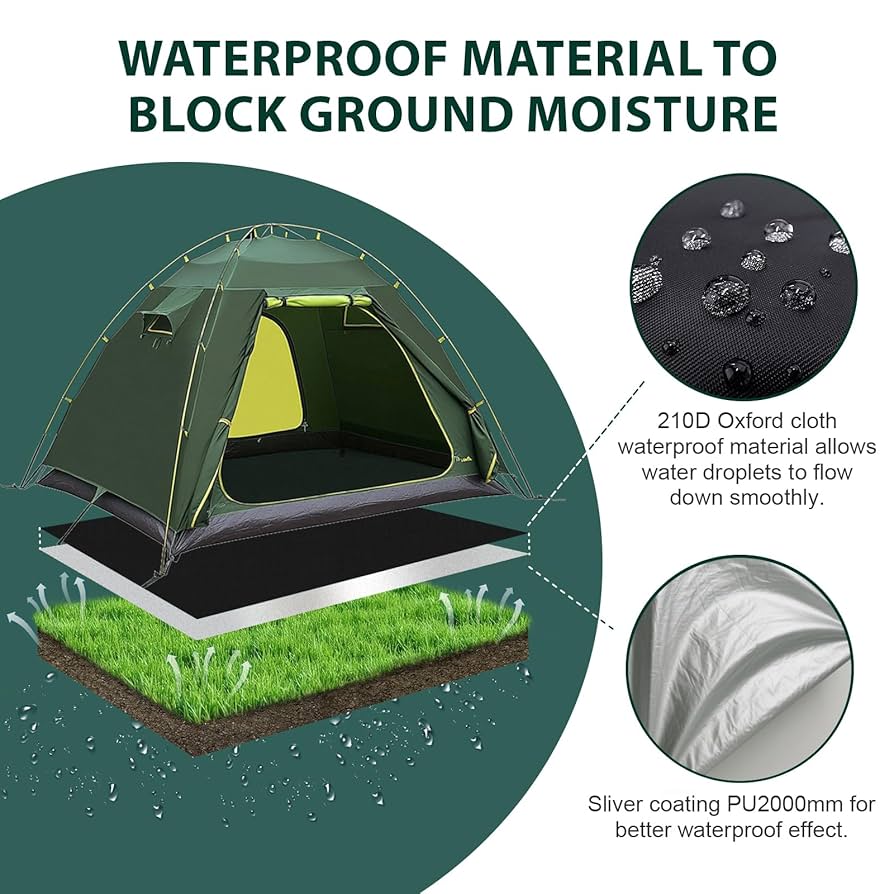
Are you planning your next camping trip and wondering how to protect your tent from wear and tear? A footprint for your tent might be the simple solution you didn’t know you needed.
It’s a small, lightweight layer that goes under your tent, but it can make a big difference in keeping your gear safe and dry. You’ll discover exactly what a footprint is, why it matters, and how it can improve your camping experience.
Keep reading to find out how this tiny piece of gear can save you time, money, and frustration on your outdoor adventures.

Credit: altongoods.com
Footprint Basics
A footprint is a protective layer placed under a tent. It helps keep the bottom of the tent clean and safe. Using a footprint can make camping easier and extend your tent’s life.
Footprints come in different shapes and materials. They match the size of your tent. You use them to protect against dirt, moisture, and rough ground.
Purpose Of A Footprint
A footprint stops damage to your tent’s floor. It protects from sharp rocks, sticks, and wet ground. This helps prevent holes and tears.
It also keeps the bottom of your tent clean. This makes packing up easier. The footprint can add an extra layer to keep you dry in rain.
- Protects tent floor from damage
- Keeps tent clean from dirt and mud
- Adds extra waterproof layer
- Helps with tent setup and pack up
Materials Used
Footprints are made from tough materials that resist wear. Common materials include polyester and nylon. These fabrics often have a waterproof coating.
Some footprints use heavy-duty plastic or polyethylene. These are durable and keep moisture out. The material choice affects weight and durability.
- Polyester with waterproof coating
- Nylon with waterproof coating
- Heavy-duty plastic (polyethylene)
- Ripstop fabrics for extra strength
Types Of Footprints
There are custom and universal footprints. Custom fits the exact shape of a tent. Universal footprints are larger and can fit many tents.
Some footprints are thin and light for backpacking. Others are thicker for car camping. The type you choose depends on your camping style.
- Custom footprints fit one tent model
- Universal footprints fit many tents
- Lightweight footprints for backpacking
- Heavy-duty footprints for rough ground
Benefits Of Using A Footprint
A footprint is a protective layer placed under a tent. It shields the tent floor from rough ground and moisture. Using a footprint offers many benefits for campers.
It helps keep your tent clean and dry. A footprint also makes camping more comfortable and protects your gear.
Protection From Ground Damage
A footprint acts as a barrier between the tent and the ground. It stops sharp rocks, sticks, and rough surfaces from tearing the tent floor. This protection keeps your tent safe.
The footprint also helps prevent dirt and mud from sticking to the tent. It is easier to clean a footprint than the tent floor. This saves time and effort during your trip.
Increased Tent Lifespan
Using a footprint reduces wear and tear on your tent. The extra layer takes the damage that would hurt the tent fabric. This keeps your tent strong for many uses.
It also helps avoid holes and leaks. This means you do not need to replace your tent as often. A footprint is a small investment for longer tent life.
Improved Comfort And Insulation
A footprint adds a layer between you and the cold, hard ground. This extra padding makes sleeping more comfortable. It also helps keep the tent warmer by blocking cold from the ground.
The footprint reduces moisture from the ground reaching your tent floor. This helps keep your sleeping area dry and cozy. Better comfort means a better night’s sleep outdoors.
Choosing The Right Footprint
A footprint is a groundsheet that goes under your tent. It protects the tent floor from damage and dirt.
Choosing the right footprint helps keep your tent clean and lasts longer. It also adds extra comfort while camping.
Matching Footprint To Tent Model
Use a footprint made for your tent model. This ensures the best fit and protection. Some tent brands sell footprints made for their tents.
Check the tent’s shape and size before buying. A wrong footprint can cause water to collect under the tent or leave parts unprotected.
Size And Fit Considerations
Pick a footprint that matches the tent floor size. It should not be bigger or smaller than the floor.
A footprint that is too large can collect rainwater. If it is too small, it won’t protect the tent floor well.
- Measure your tent floor before buying a footprint
- Look for footprints labeled with tent size or dimensions
- Choose a footprint that fits snugly under the tent floor
Material Durability
Footprints come in different materials like nylon or polyethylene. Durable materials protect the tent from sharp rocks and rough ground.
Choose a footprint with water-resistant or waterproof fabric. This keeps moisture from reaching your tent floor and inside your tent.
- Nylon footprints are light and strong
- Polyethylene footprints resist tears and are cheaper
- Check if the material has a waterproof coating
Footprint Setup Tips
A footprint is a groundsheet placed under your tent. It protects the tent floor from dirt, moisture, and damage. Using a footprint helps your tent last longer and keeps the inside clean.
Setting up the footprint correctly is important. It keeps your camping area dry and comfortable. Follow these tips for the best footprint setup.
Proper Placement
Choose a flat and clean spot for your footprint. Clear away rocks, sticks, and sharp objects. Avoid low areas where water can collect after rain.
- Pick a level surface to prevent discomfort while sleeping.
- Place the footprint slightly smaller than the tent floor.
- Align the footprint with the tent door for easy access.
Securing The Footprint
Fasten the footprint to stop it from moving or blowing away. Use tent stakes or weights to hold it in place. Make sure it stays flat and tight under the tent.
| Method | How to Do It |
| Use Tent Stakes | Stake down the footprint corners securely into the ground. |
| Apply Weights | Put heavy rocks or bags on the edges if staking is not possible. |
| Attach to Tent | Connect footprint loops to tent hooks to keep both aligned. |
Common Mistakes To Avoid
Some errors can damage your tent or make camping uncomfortable. Watch out for these common mistakes during footprint setup.
- Using a footprint larger than the tent floor can collect rainwater.
- Placing the footprint directly on rough or sharp surfaces may cause tears.
- Not securing the footprint lets it slide, creating wrinkles under the tent.
- Folding the footprint inside the tent traps dirt and moisture.
Maintenance And Care
A footprint for a tent protects the tent floor from damage. Taking care of it helps it last longer. Proper maintenance keeps it clean and strong.
Follow easy steps to clean, store, and repair your footprint. This keeps it ready for your next trip.
Cleaning Techniques
Clean your footprint after each use to remove dirt and debris. Use mild soap and water to avoid damage.
Do not use harsh chemicals or machine wash. Rinse well and let it dry completely before storing.
- Use a soft brush or cloth
- Mix mild soap with water
- Rinse thoroughly with clean water
- Air dry in shade, not direct sun
Storage Recommendations
Store your footprint in a dry, cool place to prevent mold and mildew. Avoid folding it tightly to stop creases.
Keep it away from sharp objects or heat sources. Use a loose bag or roll it gently for best results.
- Dry completely before storing
- Roll loosely instead of folding
- Store in a breathable bag
- Keep away from direct sunlight
Repairing Small Damages
Fix small tears or holes quickly to keep your footprint waterproof. Use repair patches made for tent materials.
Clean the damaged area before applying the patch. Press firmly and let it dry as instructed by the patch maker.
- Clean area around damage
- Use tent repair tape or patches
- Apply patch smoothly without wrinkles
- Let patch dry completely before use

Credit: www.coreequipment.com
Alternative Options
A footprint protects the bottom of your tent from damage. It also keeps moisture away and extends the tent’s life. You do not always need to buy a footprint. There are several alternatives to choose from.
These options include making your own footprint, using tarps, and adding useful accessories. Each has benefits and can fit different camping styles and budgets.
Diy Footprints
You can make a footprint using strong, lightweight fabric. Materials like Tyvek or ripstop nylon work well. Cut the fabric to fit your tent’s floor exactly. This saves money and lets you customize the size and shape.
- Use durable fabric that resists water and tears
- Cut carefully to match tent floor dimensions
- Hem the edges to prevent fraying
- Add grommets to secure the footprint if needed
Using Tarps As Footprints
Tarps are a common and low-cost option for footprints. They offer good protection against rocks and dirt. Choose a tarp slightly smaller than your tent floor to avoid water pooling under the tent.
| Type of Tarp | Advantages | Disadvantages |
| Polyethylene | Inexpensive and waterproof | Can be noisy in wind |
| Silicone-coated nylon | Lightweight and durable | More expensive |
| Canvas | Strong and breathable | Heavier and absorbs water |
Footprint Accessories
Accessories can improve footprint use and protection. Stakes keep the footprint in place. Repair kits fix small tears. Storage bags keep footprints clean and dry when not in use.
- Stakes: Secure footprint edges to the ground
- Repair patches: Fix holes or tears quickly
- Storage bags: Protect footprint during travel
- Cleaning brushes: Remove dirt and debris after use
Credit: www.cleverhiker.com
Frequently Asked Questions
What Is A Tent Footprint?
A tent footprint is a durable groundsheet designed to protect your tent’s floor. It acts as a barrier against moisture, abrasion, and sharp objects. By using a footprint, you can extend your tent’s lifespan and enhance comfort by providing an extra layer of insulation.
Why Use A Tent Footprint?
Using a tent footprint helps protect your tent from wear and tear. It minimizes contact with rough surfaces and moisture. This accessory ensures your tent remains in good condition for longer. Additionally, a footprint can make cleaning easier after your camping trip.
How To Choose The Right Tent Footprint?
Choose a footprint that matches your tent’s dimensions for proper coverage. Ensure it’s made from durable materials to withstand harsh conditions. A lightweight design is preferable for easy transport. Additionally, check for compatibility with your tent model to ensure a perfect fit.
Can You Use A Tarp As A Footprint?
Yes, a tarp can be used as a footprint alternative. Ensure it covers the tent’s floor area adequately. However, tarps may not fit as precisely as dedicated footprints. Trim any excess material to prevent water pooling underneath. A tarp is a cost-effective option but may lack durability.
Conclusion
A footprint protects your tent from dirt and damage. It adds an extra layer under your tent floor. This helps keep the tent clean and dry. Using a footprint can make your tent last longer. It also makes packing up easier and faster.
Choosing the right footprint fits your tent well. Simple, but it makes a big difference on trips. A small gear item with great benefits. Worth carrying for anyone who loves camping outdoors.