
Have you ever wondered how your home stays warm and cozy during the cold months? Understanding what a forced air heating system is can help you take better control of your comfort—and your energy bills.
This simple yet powerful system is behind the warmth you feel when you turn on your heater. By learning how it works and what makes it efficient, you’ll be able to spot problems early and even improve your heating experience.
Keep reading to discover everything you need to know about forced air heating systems and how they can make a difference in your home.
How Forced Air Heating Works
A forced air heating system warms your home by moving hot air through ducts. It uses a furnace to heat the air and a blower to push the air inside.
This type of heating is common in many homes. It heats rooms quickly and keeps air flowing for comfort.
Basic Components
The system has several main parts. Each part works together to heat and move air.
- Furnace: Heats the air.
- Blower: Moves air through ducts.
- Ducts: Carry warm air to rooms.
- Registers: Let air into rooms.
- Thermostat: Controls the system.
Heat Generation Process
The furnace creates heat by burning fuel or using electricity. This heat warms the air inside the furnace.
The warm air is then ready to be spread through the home. The furnace stops heating when the thermostat says the home is warm enough.
Air Distribution
The blower pushes the warm air into the duct system. The ducts carry this air to each room through vents or registers.
Cool air returns to the furnace through return ducts to be heated again. This cycle keeps the air moving and the home warm.
Types Of Forced Air Heating Systems
Forced air heating systems use air to move heat through your home. They work by heating air and pushing it through ducts.
There are different types of forced air systems. Each type uses a different heat source to warm the air.
Furnaces
Furnaces are the most common forced air heating systems. They burn fuel like gas, oil, or use electricity to create heat.
The furnace heats the air, and a blower pushes it through the ducts. This warms the rooms quickly and evenly.
- Gas furnaces use natural gas or propane
- Electric furnaces use electrical resistance coils
- Oil furnaces burn heating oil for warmth
- They need regular maintenance for safety and efficiency
Heat Pumps
Heat pumps move heat instead of creating it. They can heat and cool a home by changing air temperature.
In winter, they pull heat from outside air and push it inside. In summer, they reverse the process.
- Heat pumps use electricity to move heat
- They are energy efficient and eco-friendly
- Best for mild to moderate climates
- Can be combined with a furnace for very cold areas
Boilers With Air Handlers
Boilers heat water or steam instead of air. Air handlers then blow air over the hot water pipes to warm the air.
This warm air moves through ducts to heat your home. It combines water heating with forced air delivery.
- Boilers use gas, oil, or electricity to heat water
- Air handlers circulate warm air inside the house
- They provide even and comfortable heating
- Often used in homes with existing hot water systems
Benefits Of Forced Air Heating
Forced air heating systems use air to warm your home. They move hot air through ducts and vents. This method provides many benefits for homeowners.
Understanding these benefits helps you see why forced air heating is popular in many homes today.
Energy Efficiency
Forced air systems deliver heat quickly and evenly. Modern systems use energy smartly to lower bills. Many units have programmable thermostats for better control.
| Feature | Benefit |
| Programmable Thermostat | Reduces energy use when not needed |
| High-Efficiency Filters | Improves air quality without extra energy |
| Sealed Ductwork | Prevents heat loss during delivery |
Quick Heating
Forced air systems warm rooms fast. The heated air travels quickly through ducts. This helps reach comfortable temperatures in less time.
- Fast circulation of warm air
- Even heat distribution across rooms
- Adjustable vents to control airflow
Air Filtration Options
These systems can include air filters to clean the air. Filters trap dust, pollen, and allergens. This helps keep the indoor air fresh and healthy.
| Filter Type | Benefits |
|---|---|
| Basic Fiberglass | Catches large dust particles |
| Pleated Filters | Traps smaller particles like pollen |
| HEPA Filters | Removes most allergens and pollutants |
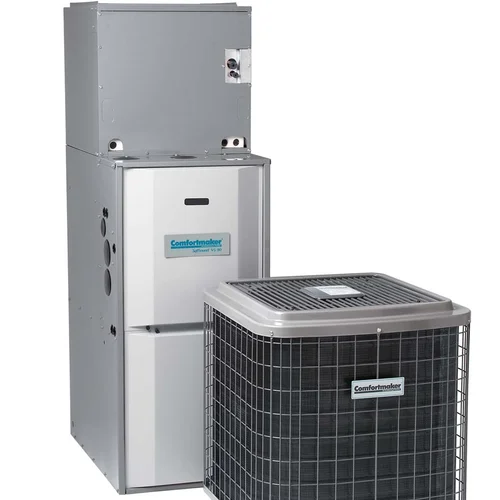
Credit: www.alltempcoolingandheating.com
Common Issues And Solutions
Forced air heating systems are popular for warming homes quickly. They use air to spread heat through ducts and vents.
Sometimes these systems face problems that affect comfort and air quality. This guide covers common issues and how to fix them.
Uneven Heating
Uneven heating means some rooms feel warm while others stay cold. This happens due to blocked vents or poor airflow.
- Check if furniture or curtains block vents.
- Make sure all supply registers are open.
- Clean or replace air filters regularly.
- Inspect ducts for leaks or damage.
- Balance airflow by adjusting dampers in ductwork.
Noisy Operation
Strange noises like banging, rattling, or whistling can come from the heating system. These sounds show mechanical or airflow issues.
| Noise Type | Cause | Solution |
|---|---|---|
| Banging | Metal ducts expanding or contracting | Secure loose ducts and allow system to cool gradually |
| Rattling | Loose parts or debris in the blower | Tighten screws and clean blower area |
| Whistling | Air leaks or blocked vents | Seal leaks and clear obstructions |
Air Quality Concerns
Forced air systems can affect indoor air quality. Dust, allergens, and moisture may build up if the system is not maintained.
- Change air filters every 1-3 months.
- Use high-quality filters to trap small particles.
- Keep ducts clean with professional cleaning every few years.
- Control humidity with a dehumidifier if needed.
- Ensure proper ventilation in the home.
Maintenance Tips For Longevity
Forced air heating systems need regular care to work well for many years. Simple maintenance helps keep your home warm and your system running smoothly.
Follow these tips to extend the life of your heating system and avoid costly repairs.
Filter Replacement
Filters catch dust and dirt before air moves through your system. Dirty filters make your heater work harder and can cause damage.
- Check filters every month during heating season.
- Replace filters at least every 3 months or as needed.
- Use the correct filter size and type for your system.
- Keep spare filters on hand for quick changes.
Duct Cleaning
Clean ducts help air flow freely and reduce dust in your home. Over time, dust and debris build up inside the ducts and lower system efficiency.
| Cleaning Frequency | Signs It Is Needed |
| Every 3 to 5 years | Visible dust, mold, or strange smells |
| More often if pets or smokers are in the home | Reduced airflow or high energy bills |
| After major home renovations | Construction dust in ducts |
Professional Inspections
Experts can find small problems before they become big. Regular inspections keep your system safe and reliable.
- Schedule inspections once a year before heating season starts.
- Ask the technician to check the blower, heat exchanger, and thermostat.
- Fix any worn or damaged parts promptly.
- Keep records of all inspections and repairs.

Credit: www.heritageservicesok.com
Comparing Forced Air To Other Heating Methods
Forced air heating uses heated air blown through ducts to warm a home. It is one of several ways to heat a house. Each heating method works differently and has pros and cons.
Understanding how forced air compares to other systems helps you choose the right heat for your needs. Let’s look at radiant heating, baseboard heating, and electric heating.
Radiant Heating
Radiant heating warms floors or walls using hot water pipes or electric mats. It heats objects and people directly, not the air.
This system feels very comfortable because the heat spreads evenly. It is quiet and does not blow air around.
- Works well in cold climates
- No ducts or vents needed
- Usually more expensive to install
- Slower to change room temperature
Baseboard Heating
Baseboard heaters use electric or hot water to heat small units along walls. They warm rooms by heating the air near the floor.
This system is simple and easy to control. It does not need ducts but can take up wall space.
- Quiet and low maintenance
- Good for heating individual rooms
- Slower heat spread than forced air
- May cause uneven heat distribution
Electric Heating
Electric heating uses electric coils or panels to create heat. It can be used for whole homes or small spaces.
It is easy to install and works fast. Electric heat costs more to run than gas or oil systems.
- Fast heating response
- Works well in small areas
- Higher operating costs
- No ductwork needed
Choosing The Right System For Your Home
Forced air heating systems warm your home by blowing heated air through ducts. Picking the right system can save energy and keep your home comfortable.
Consider your home’s size, local climate, and budget. These factors help you choose a system that fits your needs well.
Home Size Considerations
The size of your home affects the type of forced air system you need. Larger homes need systems with more power to heat all rooms evenly.
Smaller homes can use less powerful systems, which saves energy and lowers costs. Make sure the system matches your home’s square footage.
- Large homes need higher capacity units
- Small homes use lower capacity units
- Proper sizing prevents wasted energy
Climate Factors
The local climate impacts how strong your heating system should be. Colder areas need systems that produce more heat.
If you live in a mild climate, a basic forced air system may be enough. In cold climates, look for models with higher efficiency and output.
- Cold climates need powerful heaters
- Mild climates require less heating power
- Humidity levels can affect system choice
Budget And Efficiency
Your budget plays a big role in choosing a forced air heating system. Higher efficiency systems cost more but save money over time.
Lower cost systems work for tight budgets but may use more energy. Think about your long-term savings and energy bills.
- High efficiency systems lower energy bills
- Low cost systems have higher running costs
- Check for energy ratings before buying
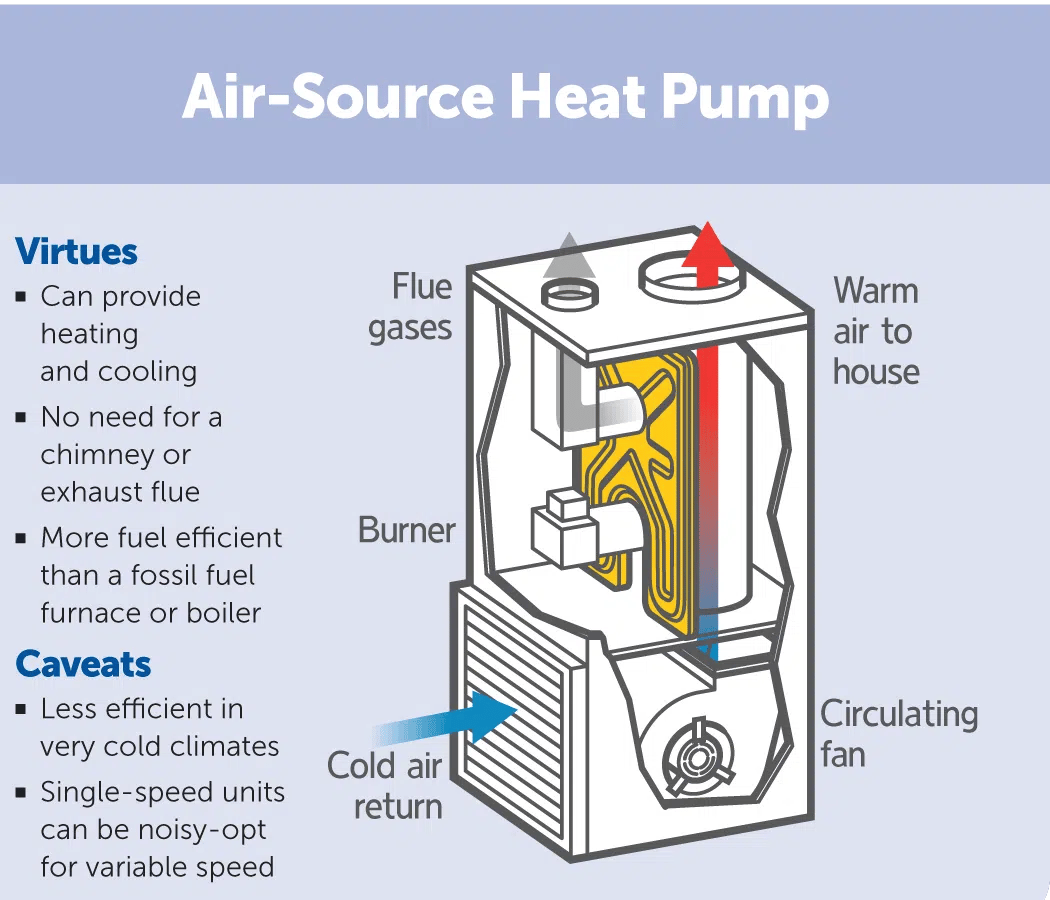
Credit: www.greenbuildermedia.com
Frequently Asked Questions
What Is A Forced Air Heating System?
A forced air heating system distributes heat through air ducts and vents. It uses a furnace or heat pump to warm the air. This system is popular because it can efficiently heat large spaces. It also allows for easy integration with air conditioning systems.
How Does Forced Air Heating Work?
Forced air heating works by using a furnace or heat pump to warm air. The heated air is then pushed through ducts and vents. A thermostat controls the temperature. This ensures consistent and even heating throughout the space.
Are Forced Air Systems Energy Efficient?
Forced air systems can be energy efficient, especially with modern technology. High-efficiency models reduce energy consumption and operating costs. Regular maintenance and proper insulation enhance efficiency. It’s essential to choose the right size system for your space to maximize efficiency.
What Are The Benefits Of Forced Air Heating?
Forced air heating offers quick and even heating for homes. It is compatible with central air conditioning, offering year-round comfort. The system allows easy integration with air purifiers and humidifiers. Additionally, forced air systems are relatively easy to install and maintain.
Conclusion
A forced air heating system moves warm air through your home quickly. It uses ducts and vents to spread heat evenly. This system helps keep rooms comfortable in cold weather. It also works with air filters to improve air quality.
Many homes use forced air heating because it heats spaces fast. Understanding how it works helps you make better choices. Think about your heating needs before buying or repairing. This system offers a reliable way to stay warm all winter.
Simple, effective, and common in many houses today.