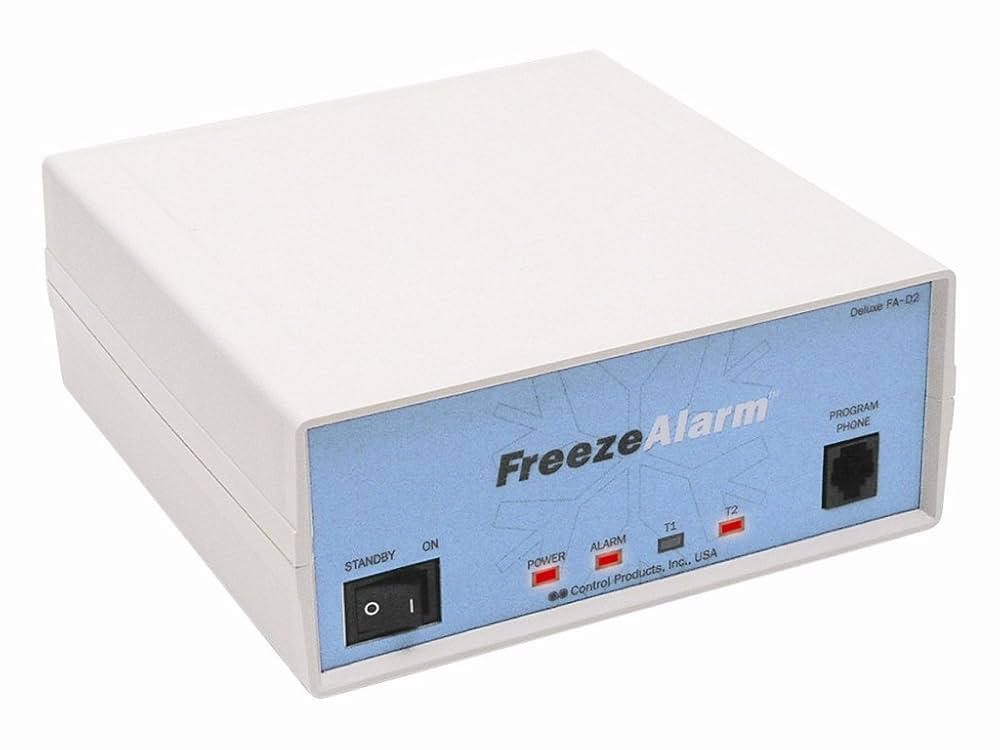
Have you ever worried about your pipes freezing on a cold night? A freeze alarm could be the simple solution you need to protect your home.
This handy device alerts you when temperatures drop too low, giving you time to act before costly damage happens. You’ll discover what a freeze alarm is, how it works, and why it might be one of the smartest investments for your safety and peace of mind.
Keep reading to learn how you can stay one step ahead of winter’s chill.

Credit: www.amazon.com
Freeze Alarm Basics
Understanding the basics of a freeze alarm can save you from costly damages and chilly surprises. These devices are designed to alert you when temperatures drop to dangerous levels, helping protect your home or business from frozen pipes and other cold-related issues.
What A Freeze Alarm Does
A freeze alarm monitors the temperature in a specific area and alerts you if it falls below a set threshold. This early warning gives you time to take action before pipes freeze or heating systems fail.
It’s like having a watchful eye on your property during cold snaps, especially when you’re away. You can prevent water damage, costly repairs, and the inconvenience of unexpected cold emergencies.
How Freeze Alarms Work
Freeze alarms use temperature sensors placed in vulnerable areas such as basements, attics, or near water pipes. When the sensor detects a temperature drop to a dangerous level, it triggers an alarm—usually a loud sound or a notification to your phone.
Many modern freeze alarms connect to your smartphone via Wi-Fi or cellular networks, so you get instant alerts no matter where you are. Some even allow you to check temperature readings in real-time, giving you peace of mind during freezing weather.
Importance For Home Safety
Freeze alarms play a key role in keeping your home safe during cold weather. They alert you early when temperatures drop too low. This early warning helps protect your home from costly damages. Freeze alarms are simple tools that bring peace of mind. They help you act fast to prevent serious problems.
Preventing Pipe Bursts
Frozen pipes can burst and cause water damage. A freeze alarm warns you before pipes freeze solid. This gives time to heat the area or shut off water. Avoiding pipe bursts saves thousands in repairs. It also prevents water damage to walls, floors, and furniture.
Avoiding Heating System Failures
Heating systems can fail during extreme cold. Freeze alarms notify you if temperatures fall below safe levels. This helps you fix heating issues quickly. Keeping your heating system running prevents frozen pipes and discomfort. It also reduces the risk of emergency repairs in winter.
Types Of Freeze Alarms
Freeze alarms come in different types, each designed for specific needs and settings. They vary by power source, technology, and connectivity. Choosing the right type helps protect pipes and property from cold damage.
Battery-powered Alarms
Battery-powered freeze alarms are easy to install. They don’t need wiring or an outlet. These alarms work well in places without electricity or during power outages. They usually have long-lasting batteries. You must check batteries regularly to keep them working.
Wired Freeze Alarms
Wired freeze alarms connect directly to your home’s power. They offer continuous monitoring without battery changes. These alarms are more reliable in fixed locations. Installation requires some electrical work. They often include backup batteries for power loss.
Smart Freeze Alarms
Smart freeze alarms link to your smartphone or home network. They send alerts via apps or text messages. These alarms allow remote monitoring from anywhere. Some models can integrate with other smart home devices. They offer advanced features like temperature logging and control.

Credit: www.ebay.com
Installation Tips
A freeze alarm detects low temperatures to prevent pipe freezing and damage. Installing it near vulnerable pipes ensures early alerts and timely action. Proper placement and testing help keep your home safe during cold weather.
Installing a freeze alarm in your home can save you from costly repairs and prevent unpleasant surprises during the winter months. Proper installation is crucial to ensure that the device functions effectively. By following some straightforward tips, you can optimize the performance of your freeze alarm and safeguard your home with confidence.Best Locations For Sensors
Choosing the right location for your sensors is key to maximizing their effectiveness. Place sensors in areas most vulnerable to freezing, such as basements, attics, and near water pipes. Avoid placing them near heat sources, as this can lead to inaccurate readings. Think about spaces that are often overlooked. Garage and crawl spaces can be particularly susceptible to temperature drops. Make sure the sensors are positioned where they can detect these changes quickly.Diy Vs Professional Installation
Deciding between a DIY approach or hiring a professional can be challenging. Installing a freeze alarm yourself can save money and is usually straightforward with the right tools and instructions. However, if you’re unsure about electrical components or optimal sensor placement, professional help might be worth the investment. Professionals have the expertise to install the system efficiently and ensure it works seamlessly. On the other hand, taking on a DIY project can be rewarding and offers a chance to understand your home’s vulnerabilities better. Consider your comfort level with tech installations and your budget when making this decision. By carefully considering these aspects, you can set up your freeze alarm with confidence and peace of mind.Maintenance And Testing
Keeping your freeze alarm in top shape requires regular maintenance and testing. Without this, the alarm might fail when you need it most, risking damage to your home and belongings. By staying proactive, you ensure the system stays reliable and ready to alert you at the first sign of freezing temperatures.
Regular Checks
Check your freeze alarm at least once a month. Look for any visible damage or dirt on the sensor and housing. Dust or debris can affect its sensitivity and response time.
Test the alarm by simulating cold conditions if your device allows it. This simple action confirms the alarm is functional and gives you peace of mind. Have you ever found your smoke detector dead when it was needed? Don’t let the same happen with your freeze alarm.
Battery Replacement
Most freeze alarms run on batteries, and these need regular replacement to keep the device active. Replace batteries once a year or whenever the low battery warning sounds.
Using quality batteries can extend the life of your freeze alarm. Keep spare batteries handy so you can replace them immediately when needed. Have you noticed how often batteries die at the worst moments? Staying prepared avoids that hassle.

Credit: www.amazon.ca
Additional Home Protection Measures
Protecting your home from freezing temperatures goes beyond just installing a freeze alarm. There are several practical steps you can take to strengthen your home’s defense against cold weather. These additional measures help reduce the risk of burst pipes and costly repairs, giving you peace of mind during winter months.
Insulation Strategies
Adding insulation to your home is one of the most effective ways to keep cold air out and warm air in. Pay special attention to areas like attics, basements, and crawl spaces, where heat loss is often greatest.
Sealing gaps around windows and doors can prevent chilly drafts from sneaking inside. You might also consider insulating water pipes, especially those in unheated areas, to reduce the chance of freezing.
Have you checked your home’s insulation recently? Even small improvements can make a noticeable difference in maintaining warmth.
Thermostat Settings
Maintaining a consistent thermostat setting is crucial to prevent pipes from freezing. Setting your thermostat to no lower than 55°F (13°C) during cold snaps can keep your home’s temperature stable.
If you travel during winter, avoid turning off your heat completely. Instead, keep it at a safe level to protect your plumbing system.
Consider using a smart thermostat that lets you monitor and adjust temperatures remotely. This way, you can react quickly if the temperature drops unexpectedly.
Frequently Asked Questions
What Is A Freeze Alarm Used For?
A freeze alarm detects low temperatures in homes or buildings. It alerts you to prevent pipe freezing and water damage. This early warning helps save costly repairs and maintain safety during cold weather.
How Does A Freeze Alarm Work?
A freeze alarm monitors indoor temperature using sensors. When the temperature drops below a set threshold, it triggers an alert. The alarm can be audible, visual, or sent via phone notifications, ensuring you act quickly to prevent freezing issues.
Where Should Freeze Alarms Be Installed?
Install freeze alarms near vulnerable areas like basements, attics, or water pipes. These locations are prone to freezing during cold weather. Proper placement ensures early detection and effective prevention of pipe bursts or damage.
Can Freeze Alarms Prevent Pipe Bursts?
Yes, freeze alarms can help prevent pipe bursts by alerting you to low temperatures early. This allows you to take action, like increasing heat or shutting off water, reducing the risk of costly water damage and repairs.
Conclusion
A freeze alarm helps protect your home from cold damage. It alerts you when temperatures drop too low. This gives you time to act and prevent frozen pipes. Installing one is simple and can save money. It works quietly in the background, keeping you safe.
Small device, big peace of mind. Stay warm, stay prepared.