Have you ever wondered how businesses keep track of their fuel use without wasting a drop or overspending? A Fuel Management System is the secret tool that makes this possible.
It helps you monitor, control, and optimize your fuel consumption with ease. Imagine saving money, cutting down on fuel theft, and improving your operations—all by using one simple system. Keep reading to discover how a Fuel Management System can transform the way you manage fuel and boost your efficiency.

Credit: www.gofleet.com
Fuel Management Systems Basics
A fuel management system helps control and track fuel use. It is used in many industries to save fuel and reduce waste.
This system makes fuel handling easier and more accurate. It improves how fuel is stored, dispensed, and monitored.
Key Components
A fuel management system has several important parts. Each part plays a role in managing fuel efficiently.
- Fuel Dispensers:Machines that pump fuel to vehicles or equipment.
- Fuel Storage Tanks:Containers that hold the fuel safely.
- Control Units:Devices that control and monitor fuel flow.
- Access Cards or IDs:Used to identify who is using the fuel.
- Software:Tracks data and generates fuel reports.
How It Works
The system tracks fuel from storage to use. It allows only authorized users to get fuel.
Users identify themselves with cards or codes. The system records the amount of fuel taken and when.
- The control unit opens the fuel dispenser for authorized users.
- Fuel flows into the vehicle or equipment.
- The system logs data like user ID, time, and fuel volume.
- Managers review reports to check fuel use and find issues.
Types Of Fuel Management Systems
Fuel management systems help control fuel usage and reduce waste. They come in different types to suit various needs and budgets.
Understanding these types helps businesses pick the right system for their vehicles and equipment.
Manual Systems
Manual fuel management systems require human input to track fuel use. Workers record fuel amounts and vehicle data by hand or on paper forms.
- Simple and low cost
- Prone to human errors
- Needs regular checks and audits
- Good for small operations with few vehicles
Automated Systems
Automated systems use technology to monitor fuel usage without manual work. They often include sensors, software, and data networks.
| Feature | Manual System | Automated System |
| Data Accuracy | Low to Medium | High |
| Labor Required | High | Low |
| Cost | Low | High |
| Real-Time Tracking | No | Yes |
Hybrid Solutions
Hybrid fuel management systems mix manual and automated methods. They give flexibility and better control than manual systems alone.
Hybrid solutions often include:
- Manual data entry for some fuel use
- Automated sensors for critical tracking
- Software to combine and analyze data
Benefits Of Fuel Management
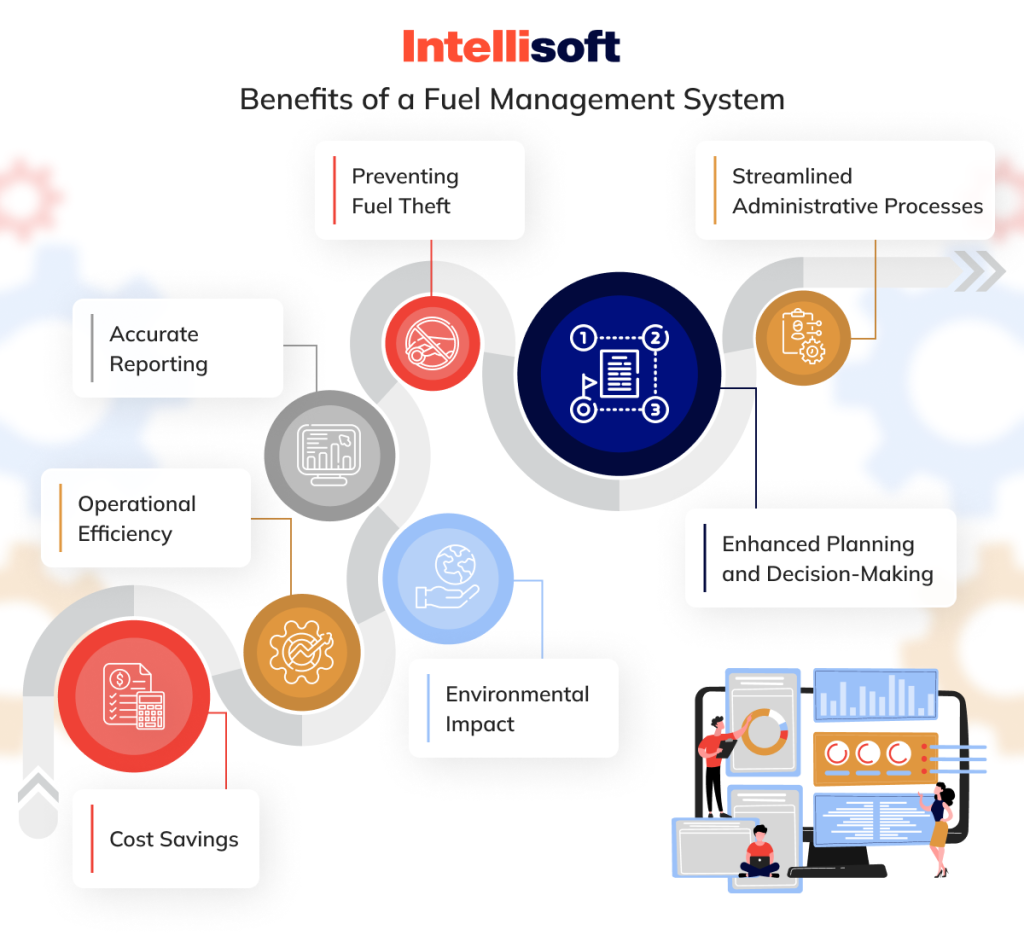
A fuel management system helps track and control fuel use. It provides data to reduce waste and save money. Businesses can run their vehicles and machines more smoothly.
Using fuel wisely also protects the environment. It stops theft and errors by recording fuel usage accurately. Many companies use these systems to improve their operations.
Cost Savings
Fuel management cuts costs by monitoring consumption closely. It spots leaks, theft, and overuse early. This helps avoid paying for fuel that is not used properly.
- Tracks fuel consumption per vehicle or machine
- Prevents fuel theft and misuse
- Identifies fuel waste and inefficiencies
- Reduces unnecessary fuel purchases
Improved Efficiency
The system gives real-time data on fuel levels and usage. Managers can plan fuel supply better and avoid downtime. Vehicles get refueled at the right time and place.
| Benefit | Effect |
| Real-time monitoring | Quick decisions on fuel needs |
| Accurate fuel records | Better fuel budgeting |
| Automated alerts | Prevent running out of fuel |
Enhanced Security
Fuel management systems increase security by controlling access. Only authorized users can dispense fuel. The system logs who used fuel and when.
Security features include:
- User ID verification
- Fuel dispensing limits
- Detailed usage reports
- Alert notifications for unusual activity
Implementing A Fuel Management System
A fuel management system helps control fuel use and costs. It tracks fuel consumption in vehicles and machines.
Implementing this system improves fuel efficiency and prevents theft or waste. Proper planning is key to success.
Choosing The Right System
Choose a system that fits your business size and needs. Look for features like real-time tracking and reporting.
Consider the type of fuel, number of vehicles, and budget when selecting a system.
- Check compatibility with your vehicles
- Look for easy-to-use software
- Choose systems with good security
- Consider future growth and scalability
Installation Process
Install the system carefully to avoid errors. Follow the manufacturer’s instructions step by step.
Installation may include setting up hardware like fuel pumps and software on computers or mobile devices.
- Prepare the fuel site and equipment
- Connect sensors and control units
- Install and configure software
- Test the system fully before use
Training And Support
Train your staff to use the system correctly. Good training helps avoid mistakes and saves time.
Choose a system provider that offers ongoing support and updates. This keeps your system running smoothly.
- Provide hands-on training sessions
- Create simple user guides
- Set up helpdesk support
- Schedule regular system checks
Fuel Management And Environmental Impact
A fuel management system helps control the use of fuel in machines and vehicles. It tracks fuel consumption and reduces waste.
By managing fuel well, businesses can lower their effect on the environment. This system helps save money and protect nature.
Reducing Fuel Waste
Fuel management systems monitor fuel use closely. They show when and where fuel is wasted.
This helps stop leaks, theft, and overuse. Machines run more efficiently and use less fuel.
- Tracks fuel levels in real-time
- Alerts for unusual fuel use
- Helps schedule maintenance to avoid leaks
- Improves fuel use habits
Lowering Emissions
Using less fuel means machines release fewer harmful gases. This lowers air pollution.
Fuel management systems help keep engines running clean. They reduce carbon dioxide and other bad emissions.
- Monitors engine performance to reduce waste
- Supports using cleaner fuel types
- Encourages proper vehicle use and idling
- Helps meet environmental rules

Credit: www.youtube.com
Challenges And Solutions
A fuel management system helps control fuel use in vehicles and machines. It tracks fuel levels and consumption. This system can save money and reduce waste.
Using a fuel management system can bring challenges. Some common problems affect its accuracy and performance. Fixing these problems keeps the system working well.
Common Issues
Many fuel management systems face problems like data errors and sensor faults. These issues can cause wrong fuel readings. Poor installation can also lead to system failure.
- Incorrect fuel data due to sensor errors
- Leaks in fuel tanks causing losses
- Software glitches affecting reports
- Poor connection between system parts
- Unauthorized fuel use or theft
Troubleshooting Tips
Check sensors regularly to ensure they work right. Clean or replace dirty sensors to keep data accurate. Fix leaks quickly to avoid fuel loss.
Update the system software often to fix bugs. Secure access to the system to stop unauthorized use. Test the system connections to avoid communication errors.
- Test sensors and replace if faulty
- Inspect fuel tanks for leaks
- Keep software updated
- Limit access with passwords
- Check wiring and network connections
Future Trends In Fuel Management
Fuel management systems help control fuel use and costs. These systems are changing fast with new technology.
Future trends aim to make fuel tracking smarter and easier to use. This helps companies save money and protect the environment.
Smart Technologies
Smart technologies use sensors and data to track fuel in real time. These tools can spot leaks and waste quickly.
Artificial intelligence helps predict fuel needs and optimize use. It also alerts users about fuel theft or unusual use.
- Real-time fuel monitoring
- AI-powered fuel forecasting
- Automatic leak detection
- Mobile app fuel alerts
Integration With Fleet Management
Fuel management systems now link with fleet management software. This gives a complete view of vehicle and fuel use.
Integration helps schedule fuel stops and track driver behavior. It improves efficiency and lowers overall fuel costs.
- Sync fuel data with vehicle routes
- Monitor driver fuel habits
- Plan fuel stops automatically
- Generate combined fuel and fleet reports

Credit: www.spinclabs.tech
Frequently Asked Questions
What Is A Fuel Management System?
A fuel management system tracks and controls fuel usage in vehicles or machinery. It helps reduce fuel theft, monitor consumption, and improve efficiency. This system provides real-time data to optimize fuel usage and lower operational costs.
How Does A Fuel Management System Work?
It uses sensors and software to monitor fuel levels and usage. Data is collected from fuel tanks and vehicles, then analyzed to detect irregularities. Alerts notify managers of fuel theft or wastage, ensuring better fuel control.
Why Is Fuel Management Important For Businesses?
Fuel management reduces costs by preventing fuel theft and waste. It improves operational efficiency through accurate fuel tracking. Businesses can optimize fuel consumption, enhance fleet performance, and lower environmental impact.
Can A Fuel Management System Prevent Fuel Theft?
Yes, it detects unauthorized fuel usage through real-time monitoring. Alerts are sent when unusual consumption patterns appear. This helps businesses quickly address theft and secure their fuel resources.
Conclusion
A fuel management system helps track and control fuel use easily. It saves money by reducing waste and theft. Businesses can see real-time data on fuel levels and usage. This system supports better planning and maintenance. It makes managing fuel simpler and clearer.
Choosing the right system brings many benefits to any fleet or facility. Fuel management is key to cutting costs and boosting efficiency. Simple tools, big impact.