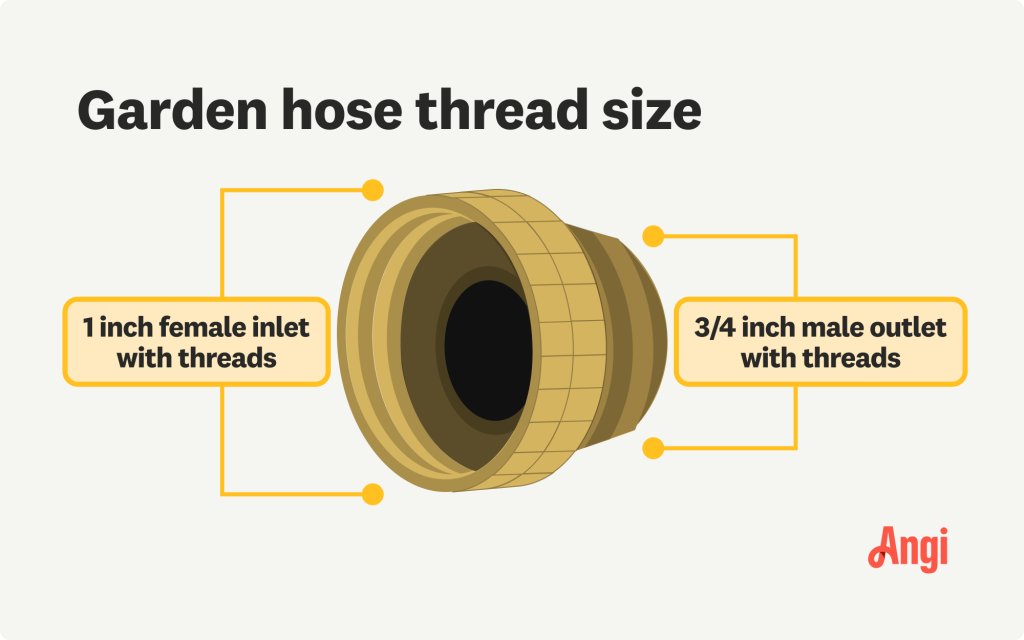
Have you ever struggled to connect your garden hose to a faucet or sprinkler, only to find it doesn’t fit right? Understanding what a garden hose thread is can save you from this common frustration.
Knowing the right thread type ensures your hose connects smoothly, preventing leaks and making your gardening tasks easier. You’ll discover exactly what garden hose threads are, why they matter, and how to choose the right one for your needs. Keep reading to make your next watering session hassle-free!
Garden Hose Thread Basics
Garden hoses connect to faucets and other watering tools. The connection uses threads to screw the hose securely. Knowing about garden hose threads helps in choosing the right parts.
Different threads mean different fittings. Using the wrong thread can cause leaks or make connections impossible. This guide covers basic facts about garden hose threads.
What Is A Garden Hose Thread
A garden hose thread is the spiral pattern on the hose end and faucet. It allows the hose to screw on tightly. Most garden hoses use a standard size called GHT (Garden Hose Thread).
- GHT size is usually 3/4 inch in diameter
- The thread type is called NH (National Hose)
- Threads are tapered to prevent leaks
- Both male and female ends have matching threads
- Thread pitch is about 11.5 threads per inch
Why Thread Types Matter
Thread types matter because they affect hose compatibility. Using the wrong thread wastes time and water. It may also damage hose parts. Knowing thread types helps you pick the right hose and fittings.
| Thread Type | Size | Common Use |
| GHT (Garden Hose Thread) | 3/4 inch | Garden hoses, outdoor faucets |
| NPT (National Pipe Thread) | Varies | Plumbing pipes, some hose adapters |
| BSP (British Standard Pipe) | Varies | Used outside the US, garden hoses in UK |
| Metric Threads | Varies | Some international hoses and fittings |
Common Thread Types
Garden hoses connect to various tools and water sources. The thread type on the hose ensures a tight fit. Different countries and uses require different thread standards.
Understanding common thread types helps you find the right hose and fittings. This guide covers the main thread types you will encounter.
National Hose Thread (nht)
National Hose Thread is a standard used mainly in the United States. It has a straight thread profile and is designed to fit garden hoses and accessories.
The NHT uses a 3/4 inch diameter with 11.5 threads per inch. It relies on a rubber washer inside the fitting to seal water tight.
Garden Hose Thread (ght)
Garden Hose Thread is very similar to NHT and often used interchangeably. It has the same size and pitch as NHT. GHT is common for garden watering tools.
- Thread diameter: 3/4 inch
- Threads per inch: 11.5
- Straight thread design
- Seals with a rubber washer
- Widely used in the U.S.
British Standard Pipe (bsp)
British Standard Pipe threads are used mainly in the UK and other countries following British standards. BSP threads come in two types: parallel (BSPP) and tapered (BSPT).
| Thread Type | Thread Angle | Thread Pitch | Use |
| BSPP (Parallel) | 55° | Varies | Water fittings, hose connectors |
| BSPT (Tapered) | 55° | Varies | Pipe fittings, pressure tight seals |
Other Less Common Threads
Some garden hoses use other thread types depending on region or specific needs. These include metric threads and National Pipe Thread (NPT).
Common less known threads:
- Metric Threads: Used in some European countries, sizes vary by diameter and pitch.
- National Pipe Thread (NPT): Tapered threads mainly for pipes, not typical for garden hoses.
- Japanese Industrial Standard (JIS): Used in Japan for some garden hose fittings.
Thread Size Measurements
Garden hose threads are crucial for connecting hoses and accessories. Understanding thread sizes helps in choosing the right fittings.
The size of the thread affects how well parts fit together. Let’s explore the key aspects.
Diameter And Pitch Explained
Diameter is the width of the thread. It is measured across the end of the thread. Pitch refers to the distance between threads.
Understanding these helps in selecting compatible hoses and fittings. Both are measured in inches for garden hoses.
Standard Sizes For Garden Hoses
Garden hoses commonly use a standard thread size. The most common size is the 3/4-inch GHT (Garden Hose Thread).
This size is widely used in the United States. It ensures compatibility with most garden hose accessories.
- 3/4-inch GHT is the standard in the US
- Compatible with most fittings and nozzles
- Used for residential garden hoses
How To Measure Threads Accurately
To measure threads, you need a ruler or caliper. Measure across the diameter of the threaded end.
Count the number of threads per inch to find the pitch. This helps in selecting the right hose and fittings.
- Use a ruler or caliper for diameter
- Count threads for pitch measurement
- Ensure accuracy for proper fitting

Credit: www.amazon.com
Matching Hose And Fittings
Garden hoses and fittings must connect properly for water to flow well. Thread sizes and types need to match to avoid leaks and damage.
Knowing the right hose thread helps you pick the correct fittings and tools. This guide explains how to match them correctly.
Ensuring Compatibility
Check the thread size and style of both your hose and fittings. Common types include National Hose (NH) and Garden Hose Thread (GHT). Matching these is key to a secure fit.
- Measure the diameter of hose threads carefully.
- Look for thread pitch, which is the space between threads.
- Use fittings made for your hose’s specific thread type.
- A tight but not forced fit prevents leaks.
Adapters And Converters
If your hose and fitting threads do not match, use adapters or converters. These parts join different thread types or sizes.
| Adapter Type | Use Case |
| NH to GHT | Connect National Hose to Garden Hose |
| Male to Female | Change thread gender |
| Reducer | Fit smaller threads to larger hoses |
| Expander | Fit larger threads to smaller hoses |
Common Mistakes To Avoid
- Using wrong thread type or size causes leaks.
- Forcing fittings can strip threads and cause damage.
- Ignoring thread pitch leads to poor connections.
- Mixing metal and plastic fittings without proper adapters.
- Not checking hose and fitting labels before buying.
Materials And Durability
Garden hose threads connect hoses to faucets and accessories. The materials used in these threads affect their strength and lifespan.
Choosing the right material helps ensure the hose stays secure and lasts a long time.
Thread Materials Used
Garden hose threads come in different materials. The most common are brass, plastic, and aluminum. Each has its own benefits and limits.
Brass is strong and resists rust. Plastic is lightweight and cheap but less durable. Aluminum is light but can corrode over time.
- Brass: strong, rust-resistant, lasts long
- Plastic: light, inexpensive, less durable
- Aluminum: light, can corrode, moderate strength
Impact On Longevity And Performance
The material of the thread affects how well it holds up to weather and use. Strong materials resist damage and leaks.
Brass threads last longer and keep a tight seal. Plastic threads may crack or wear out faster. Aluminum threads can weaken from corrosion.
- Brass threads provide a secure, long-lasting connection
- Plastic threads may break under pressure or cold
- Aluminum threads need care to avoid rust

Credit: www.spraysmarter.com
Choosing The Right Hose Thread
A garden hose thread connects your hose to faucets, nozzles, and other tools. Choosing the right thread ensures a tight fit and prevents leaks.
Different thread sizes and types exist. Knowing what fits your equipment helps you avoid problems in your garden work.
Factors To Consider
Check the thread size and type before buying a hose. The most common thread types are GHT (Garden Hose Thread) and NPT (National Pipe Thread).
- Thread Diameter: Measure the diameter in inches or millimeters.
- Thread Pitch: Count the number of threads per inch.
- Thread Direction: Most garden hoses have right-hand threads.
- Material Compatibility: Match the thread material with the hose and fittings.
- Seal Type: Some threads use rubber washers to prevent leaks.
Applications And Use Cases
Different uses require specific hose thread types and sizes. For example, watering plants, washing cars, or filling pools may need different fittings.
| Application | Common Thread Type | Notes |
| Garden Watering | GHT | Standard for most garden hoses |
| Pressure Washers | NPT | Higher pressure requires tighter seals |
| Outdoor Faucets | GHT | Matches most home outdoor taps |
| Pool Filling | GHT or NPT | Depends on hose and faucet design |
Maintenance Tips
Keeping your garden hose thread in good condition helps prevent water waste. Proper care makes your hose last longer and work better.
Simple maintenance tasks can stop leaks and damage. These tips focus on preventing leaks and cleaning threads properly.
Preventing Leaks
Leaks often start at the hose thread. Tight connections and good seals stop water from escaping. Check your hose and fittings often.
- Use rubber washers inside hose connectors
- Do not overtighten the connections
- Replace washers when worn out
- Store hoses away from direct sunlight to avoid damage
- Inspect threads for cracks or damage regularly
Cleaning Threads Properly
Dirt and rust on threads cause bad seals and leaks. Cleaning threads helps maintain a strong connection.
| Cleaning Method | Tools Needed | Steps |
| Remove Dirt | Soft brush, water | Brush threads gently, rinse with water |
| Remove Rust | White vinegar, cloth | Soak threads in vinegar, wipe with cloth |
| Dry Threads | Clean cloth | Wipe threads dry before reconnecting |

Credit: www.amazon.com
Frequently Asked Questions
What Is A Garden Hose Thread Size?
Garden hose thread size refers to the diameter and pitch of the hose’s connecting end. The standard size in the U. S. is 3/4 inch with 11. 5 threads per inch. This ensures compatibility with most garden faucets and accessories.
Why Is Garden Hose Thread Important?
Garden hose thread ensures a secure, leak-free connection between hoses and fittings. Using the correct thread type prevents water wastage and equipment damage. It also allows easy attachment and detachment of accessories like sprinklers and nozzles.
Are Garden Hose Threads Standardized Worldwide?
No, garden hose threads vary by region. The U. S. uses GHT (Garden Hose Thread), while Europe often uses BSP (British Standard Pipe). Knowing your local standard helps avoid incompatible fittings and ensures proper hose connections.
How To Identify Garden Hose Thread Type?
To identify garden hose thread type, measure the diameter and count the threads per inch. You can also check product labels or manufacturer specs. This helps you find matching fittings and avoid leaks.
Conclusion
Understanding garden hose threads helps avoid leaks and fitting problems. Different thread types and sizes need matching connectors. Always check thread type before buying hoses or accessories. This small step saves time and frustration. Clear knowledge makes watering tasks easier and more efficient.
Now, you can choose the right hose parts with confidence. Simple but important for every gardener or homeowner.