Are you unsure what temperature to set your air conditioner for the best comfort and savings? Finding the right balance between feeling cool and keeping your energy bills low can be tricky.
You might be sweating over whether your AC is working too hard or if you’re wasting money by setting it too low. This guide will help you discover the perfect air conditioner temperature that keeps your home comfortable without burning a hole in your wallet.
Keep reading to learn simple tips that make a big difference in your cooling experience.
Ideal Temperature Range
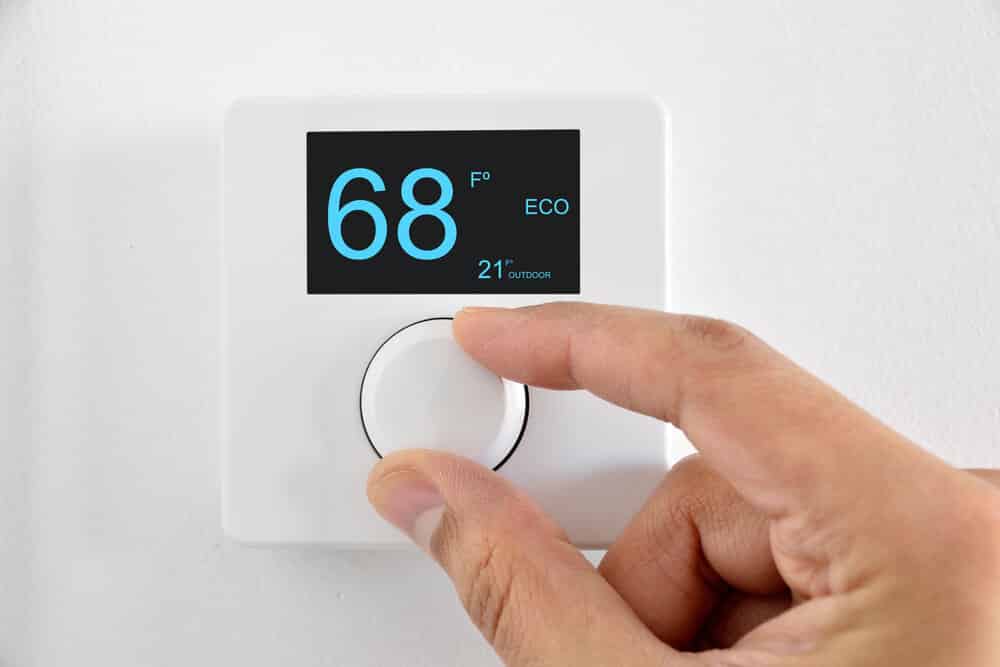
The ideal air conditioner temperaturehelps keep you comfortable and saves energy. During the daytime, setting the AC between 72°F and 78°Fworks well. This range keeps the room cool without using too much power. It also avoids making the air too cold, which can cause discomfort.
At night, lowering the temperature slightly can help with better sleep. Setting it between 68°F and 72°Fis good. Cooler air helps the body rest but avoid making it too cold. Adjusting the temperature based on how warm or cool you feel is smart.
- Daytime: 72°F to 78°F
- Nighttime: 68°F to 72°F
Credit: fischerheating.com
Factors Affecting Temperature Choice
Room sizeaffects how cold the air conditioner needs to be. A larger room needs a cooler temperature to feel comfortable. Good insulationkeeps the cool air inside, so the AC does not work too hard. Poor insulation means more energy use and less comfort.
Humidity levelsmake a big difference. High humidity feels hotter, so a lower temperature might feel better. Low humidity means the air feels cooler, so you can set the AC a bit higher.
Personal comfort preferencesvary. Some like it cooler, others prefer it warmer. Setting the temperature between 72°F and 78°Fusually works for most people. Adjust based on what feels right for you.
Energy Efficiency Tips
Setting your thermostat to around 78°F (26°C)helps save energy and keeps you cool. Lower settings use more electricity and raise bills. Fans spread the cool air better, so you can feel comfortable even at higher temperatures. Use ceiling or portable fans to move air around the room efficiently.
Regular maintenance is key for your air conditioner’s health. Clean or replace filters every month during heavy use. Dirt blocks airflow and makes the system work harder. Check the outdoor unit for leaves or debris that can reduce performance. A well-maintained AC cools better and uses less power.
Health And Safety Considerations
Preventing drynessis key for healthy indoor air. Too low air conditioner temperature can dry out skin, eyes, and throat. This can cause discomfort and irritation. Use a humidifier or keep a glass of water nearby to add moisture to the air.
Allergiesmay get worse if the air is too cold or dry. Dust mites and mold grow well in warm, damp places, but very cold air can dry the nasal passages, making allergies feel worse.
- Set air conditioner temperature between 72°F and 78°F (22°C to 26°C).
- Avoid cooling rooms below 70°F (21°C) to prevent overcooling.
- Take breaks from air conditioning to let your body adjust.
- Keep air filters clean to reduce dust and allergens.
Smart Thermostat Advantages
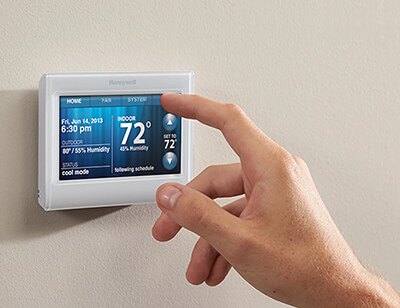
Adaptive Temperature Controlhelps keep rooms comfortable by learning your habits. It changes the temperature based on the time of day and weather. This saves energy and reduces bills. The thermostat can also adjust automatically if no one is home. This means no wasted cooling or heating.
Remote Access and Schedulingallow you to control your air conditioner from anywhere. Use a phone app to change settings without being at home. You can set schedules for cooling before you arrive. This keeps your home cool and ready. It also stops the AC when not needed, saving power.
Credit: gulfshorecooling.com
Seasonal Temperature Adjustments
Summer Cooling Strategiesfocus on keeping your home comfortable without wasting energy. Set your air conditioner to around 78°F (25-26°C). This temperature balances coolness and energy savings. Use fans to help spread cool air. Close curtains during the day to block sunlight. These small changes reduce the workload on your AC.
Transition Period Settingsare important when the weather changes from hot to mild. Raise your thermostat to about 82°F (28°C)during the day. At night, you can set it higher or turn off the AC if it feels cool outside. Use natural ventilation by opening windows early morning or late evening. This helps save energy and keeps your home fresh.

Credit: www.thespruce.com
Frequently Asked Questions
What Temperature Should I Set My Ac In Summer?
Setting your air conditioner to 78°F (26°C) during summer is optimal. It balances comfort and energy efficiency. This temperature helps maintain a comfortable environment while saving on electricity bills. Adjust slightly for personal comfort if needed.
Is 72 Degrees Too Cold For Ac?
72°F (22°C) is generally considered cool for an air conditioner setting. It can lead to higher energy consumption. For better efficiency and comfort, aim for settings between 75°F and 78°F. Adjust based on humidity and personal comfort preferences.
How Can I Save Energy With My Ac?
To save energy, keep your AC at 78°F (26°C) and use ceiling fans. Ensure proper insulation and regular maintenance. Close blinds during the day to reduce heat gain. These steps help improve efficiency and lower electricity bills.
Why Does My Ac Struggle At High Temperatures?
High temperatures can strain your AC, making it work harder. Improper insulation, dirty filters, or low refrigerant levels can worsen this. Regular maintenance and ensuring proper insulation can help your AC function efficiently in high temperatures.
Conclusion
Setting a good air conditioner temperature keeps your home comfortable and saves energy. Aim for around 78 degrees Fahrenheit when you are home. Higher temperatures can help reduce bills without losing comfort. Use a programmable thermostat to adjust settings easily.
Remember, each home is different, so adjust a bit if needed. Staying cool does not mean using too much power. Small changes make a big difference in comfort and cost. Find your balance and enjoy a nice, cool space all summer.