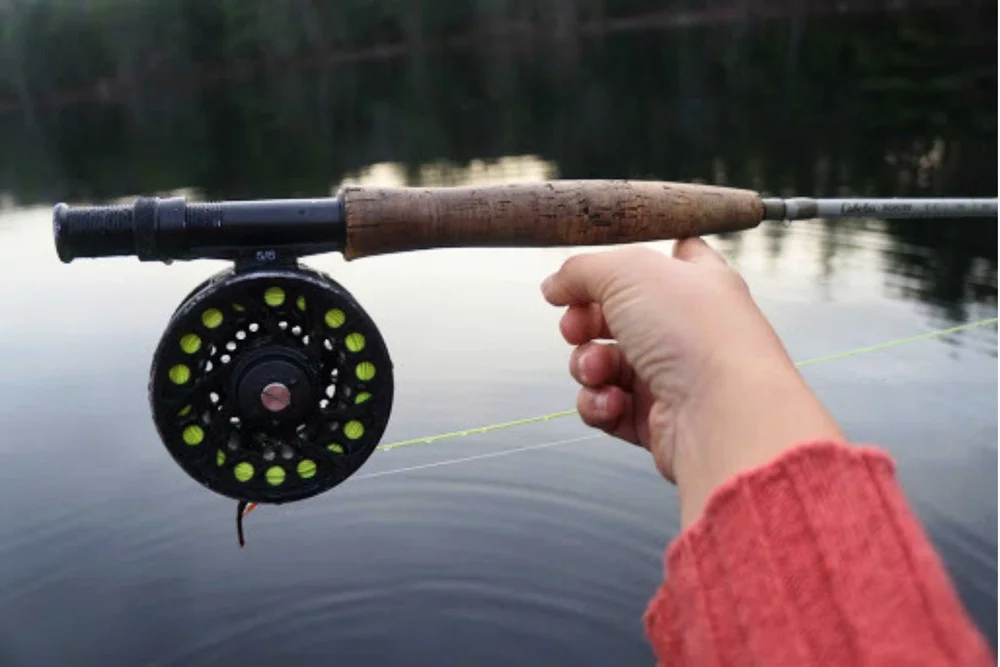
Choosing your first fishing rod can feel overwhelming. You want something that’s easy to use, reliable, and won’t break the bank.
But how do you know what makes a good beginner fishing rod? This guide will help you understand exactly what to look for, so you can start fishing with confidence and enjoy every moment by the water. Keep reading, and you’ll discover the simple secrets to picking the perfect rod that fits your needs and helps you catch your first big fish.
Choosing The Right Rod Material
Choosing the right fishing rod material helps beginners enjoy fishing more. The rod’s material affects its weight, strength, and flexibility.
Most beginner rods are made from graphite, fiberglass, or a composite of both. Each type has its own benefits and drawbacks.
Graphite Vs. Fiberglass
Graphite rods are light and sensitive. They let you feel bites better and cast farther. These rods are strong but can break if bent too much.
Fiberglass rods are heavier and less sensitive. They are very tough and bend without breaking. These rods work well for rough fishing and beginners who need durability.
| Feature | Graphite Rods | Fiberglass Rods |
| Weight | Light | Heavy |
| Sensitivity | High | Low |
| Durability | Moderate | High |
| Cost | Usually higher | Usually lower |
Composite Rods Benefits
Composite rods mix graphite and fiberglass materials. They offer a balance between sensitivity and strength. These rods suit beginners who want versatility.
- Good sensitivity for feeling bites
- Strong enough to handle different fish
- More affordable than pure graphite rods
- Durable and flexible for various fishing styles
Best Rod Lengths For Beginners
Choosing the right rod length is key for beginner anglers. The rod length affects casting distance and control.
This guide covers short and long rods and the best lengths for different waters.
Short Vs. Long Rods
Short rods are easier to handle and better for close fishing spots. Long rods cast farther but can be harder to control.
- Short rods are usually 5 to 7 feet long.
- Long rods range from 7 to 10 feet.
- Short rods work well in tight spaces like small rivers.
- Long rods suit open water and fishing from shore.
Ideal Lengths For Different Waters
Water type guides the best rod length. Different waters need different rod sizes for easy fishing.
| Water Type | Recommended Rod Length |
| Small Streams | 5 to 6 feet |
| Lakes and Ponds | 6 to 7 feet |
| Rivers with Open Areas | 7 to 8 feet |
| Coastal Shore Fishing | 8 to 10 feet |
Selecting The Proper Rod Action
Choosing the right rod action is key for beginner fishing rods. Rod action means how much the rod bends under pressure. It affects casting, hook setting, and fish fighting.
Fast, medium, and slow are common rod actions. Each suits different fishing styles and fish types. Understanding them helps you pick the best rod for your needs.
Fast Action Advantages
Fast action rods bend mostly near the tip. They offer quick response and strong hook sets. These rods work well for heavy lures and big fish.
- Better control for quick hook sets
- Longer casting distances
- High sensitivity to bites
- Good for heavy baits and lines
Medium And Slow Action Uses
Medium and slow action rods bend deeper along the rod. They give more flex and softer hook sets. These rods suit light lures and smaller fish.
| Rod Action | Bend Location | Best Use |
| Medium | Mid to tip | Light to medium lures, general fishing |
| Slow | Whole rod | Very light lures, small fish, gentle hook sets |
Choosing The Right Rod Power
Choosing the right rod power is important for beginner fishing rods. Rod power means how strong the rod is to handle fish.
Different powers suit different fish sizes and fishing styles. Picking the right power helps you catch fish easier and enjoy fishing more.
Light Power
Light power rods are thin and flexible. They work well for small fish like trout and panfish.
These rods give you good sensitivity to feel small bites. They are easy to handle and good for beginners.
- Best for fish under 6 pounds
- Good for small lakes and streams
- Uses light fishing line and small lures
Medium Power
Medium power rods are stronger than light rods. They work well for average-sized fish like bass and walleye.
These rods offer a balance of strength and sensitivity. They can handle a variety of fishing situations.
- Best for fish 6 to 12 pounds
- Good for rivers, lakes, and ponds
- Uses medium fishing line and lures
Heavy Power
Heavy power rods are strong and stiff. They are made for big fish like catfish and pike.
These rods can handle heavy fishing line and big lures. They are less sensitive but very durable.
- Best for fish over 12 pounds
- Used in deep water or strong currents
- Requires heavy fishing line and large lures
Matching Power To Fish Size
Matching rod power to fish size helps you catch fish without breaking your rod or line. Use light rods for small fish and heavy rods for big fish.
| Rod Power | Fish Size | Fishing Line Strength |
|---|---|---|
| Light | Small (under 6 lbs) | 2-6 lbs test |
| Medium | Medium (6-12 lbs) | 6-12 lbs test |
| Heavy | Large (over 12 lbs) | 12-30+ lbs test |
Top Beginner Fishing Rods In The Market
Choosing the right fishing rod is key for beginners. It helps build skills and enjoy the sport. Many rods fit beginner needs, balancing ease and value.
This guide covers top beginner rods. You will find options that are affordable and rods suited for different fishing styles.
Affordable And Reliable Picks
Beginner rods should be affordable yet reliable. They must withstand regular use and help new anglers learn easily. Here are some popular choices.
- Ugly Stik GX2: Known for durability and smooth casting.
- Shimano Solora: Lightweight with good sensitivity.
- Fenwick Eagle: Offers good balance and strength.
- Okuma Celilo: Easy to handle and great for light fishing.
- Wildwater Fishing Rod: Affordable and beginner-friendly.
Rods For Various Fishing Styles
Different fishing styles need different rods. Matching the rod to the style helps improve the experience and results.
| Fishing Style | Recommended Rod Type | Features |
| Freshwater | Spinning Rod | Lightweight, easy casting |
| Saltwater | Surf Rod | Longer length, corrosion resistant |
| Fly Fishing | Fly Rod | Flexible, designed for fly lines |
| Ice Fishing | Ice Rod | Short, sensitive tip |
| Boat Fishing | Baitcasting Rod | Strong, precise control |

Credit: fishingbooker.com
Essential Features For Easy Success
Choosing a good beginner fishing rod helps you enjoy fishing from the start. The right rod makes casting and catching easier.
This guide explains key features to look for in a beginner rod. These features improve comfort and durability.
Comfortable Grips
A comfortable grip lets you hold the rod for hours without pain. Soft handles reduce hand fatigue during fishing trips.
Look for grips made from materials like foam or cork. These materials give good grip even when wet.
- Soft, non-slip materials
- Easy to hold for small and large hands
- Lightweight design to reduce strain
Durable Guides And Reel Seats
Strong guides help the fishing line move smoothly. Durable guides prevent breaks and tangles during casting.
A solid reel seat keeps the reel tightly in place. This stops wobbling and makes fishing easier for beginners.
- Metal guides with smooth inserts
- Corrosion-resistant materials for long life
- Secure reel seats that fit common reel sizes
Tips For Maintaining Your Rod
Keeping your fishing rod in good shape helps it last longer. Regular care keeps the rod working well during fishing trips.
Simple actions like cleaning and careful handling prevent damage. These tips will guide you through maintaining your rod.
Cleaning And Storage
After every fishing trip, clean your rod to remove dirt and salt. Use fresh water and a soft cloth to wipe it down.
- Rinse the rod with fresh water after use
- Dry it fully before storing
- Store in a cool, dry place away from sunlight
- Use a rod sleeve or case for protection
- Avoid leaning the rod against walls for long periods
Handling And Repairs
Handle your rod gently to avoid breaks or cracks. Check it regularly for damage and fix small problems early.
| Problem | Cause | Solution |
| Loose guides | Wear or impact | Tighten or replace guides |
| Cracks in blank | Dropping or bending | Use rod repair tape or replace rod |
| Reel seat loose | Frequent use | Tighten or replace reel seat |

Credit: www.youtube.com
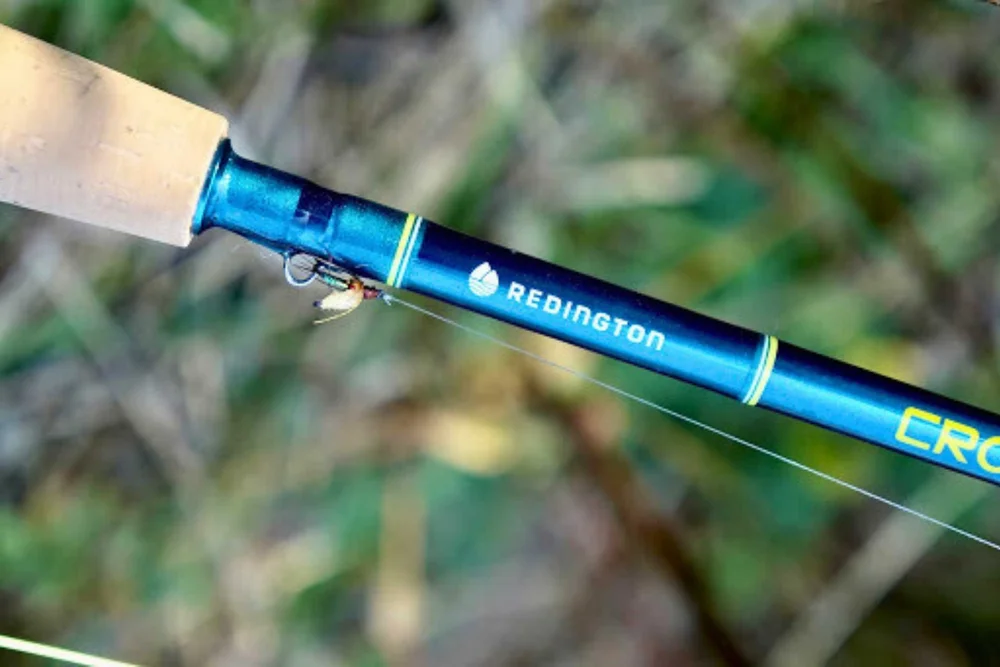
Credit: www.treelinereview.com
Frequently Asked Questions
What Makes A Fishing Rod Good For Beginners?
A good beginner fishing rod should be lightweight and easy to handle. It should have a comfortable grip and be durable. A medium action rod is versatile and ideal for beginners. Additionally, affordability is key to ensure the best value without compromising quality.
How Do I Choose The Right Rod Length?
The right rod length depends on your fishing environment and species targeted. For beginners, a 6 to 7-foot rod is versatile. Shorter rods are great for tight spaces, while longer rods offer more casting distance. Choose based on your specific fishing needs and comfort.
What Material Is Best For A Beginner Rod?
Graphite and fiberglass are popular materials for beginner rods. Graphite rods are lightweight and sensitive, ideal for detecting bites. Fiberglass rods are durable and flexible, perfect for learning. Both materials offer benefits depending on your fishing style and preference.
Is A Spinning Or Casting Rod Better For Beginners?
Spinning rods are generally better for beginners due to their ease of use. They are versatile and handle light lines well. Casting rods require more skill but offer better accuracy. Beginners often find spinning rods more forgiving and easier to learn.
Conclusion
Choosing the right beginner fishing rod makes fishing fun and easy. A good rod feels comfortable and suits your fishing style. Start with a simple, light rod to build skills. Remember, patience and practice help you improve most. Enjoy quiet time by the water and catch some fish.
Fishing can become a relaxing and rewarding hobby. Keep learning and trying new things as you go. A good beginner rod is the first step to great fishing days.