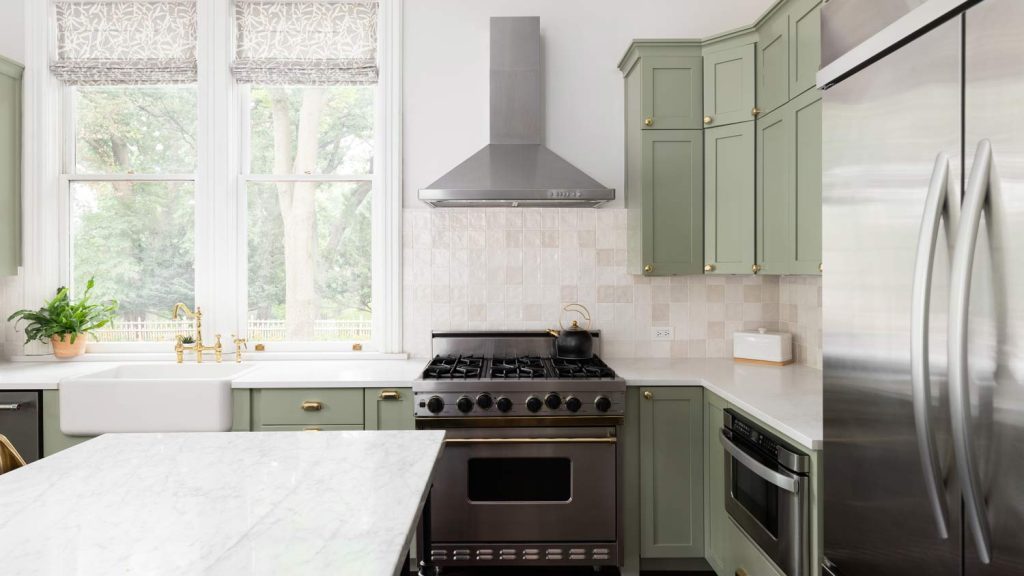
Have you ever noticed how cooking can fill your home with lingering smells and smoke? If you’re nodding, then you know how important a good range hood is.
But here’s where it gets tricky: what is a good CFM for a range hood? You might have heard about CFM, but understanding it can be a game-changer for your kitchen experience. Imagine cooking without worrying about smoke alarms or unwanted odors.
Sounds perfect, right? Dive into this article to discover how choosing the right CFM can transform your cooking space into a fresh and inviting environment. Your kitchen deserves the best; let’s make sure you get it!
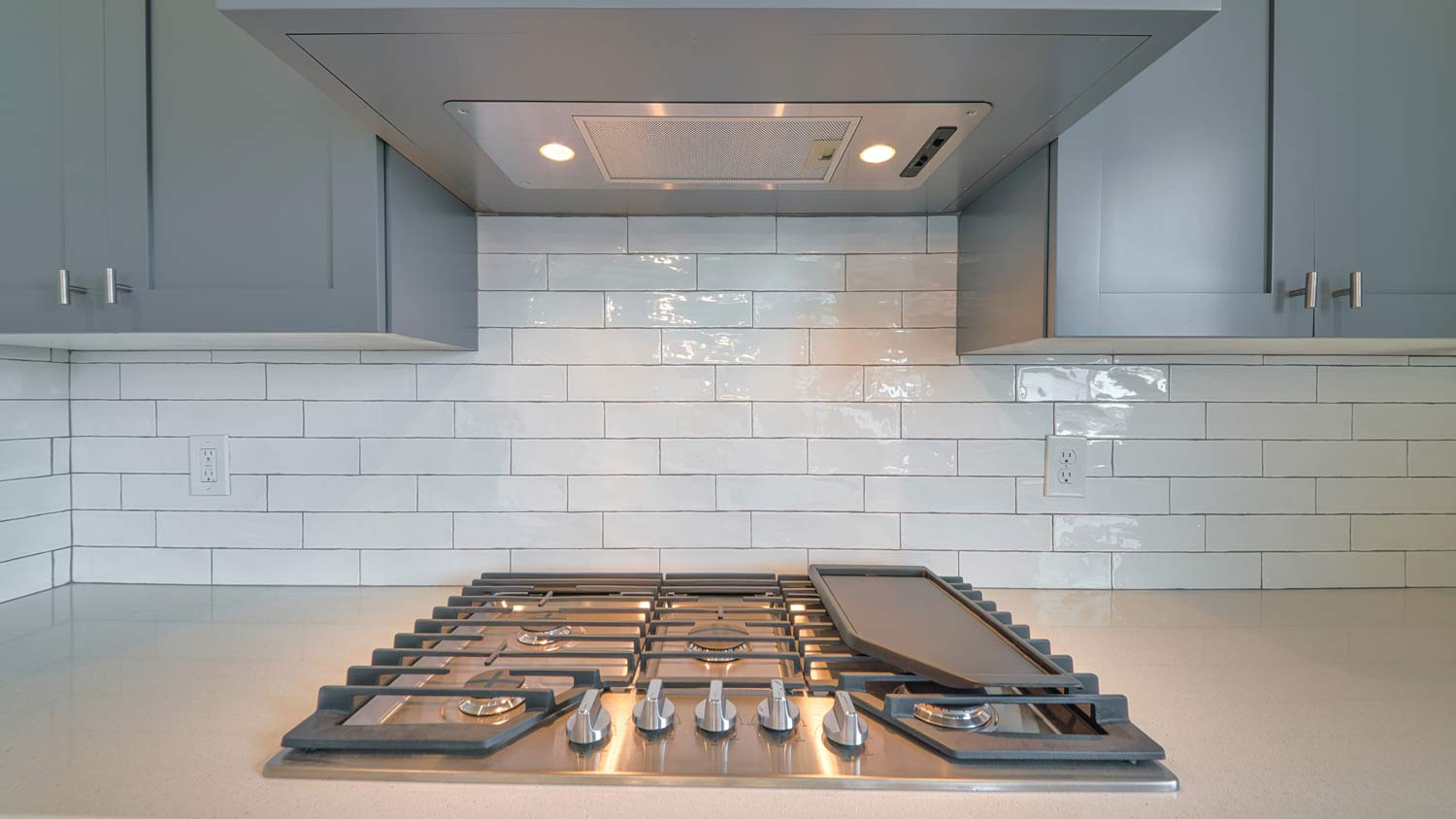
Credit: www.angi.com
Cfm Basics
Understanding the basics of CFM is essential before choosing the right range hood for your kitchen. CFM, or Cubic Feet per Minute, measures how much air your range hood can move. Knowing this helps you pick a hood that keeps your cooking area fresh and free from smoke and odors.
What Cfm Means
CFM stands for Cubic Feet per Minute. It tells you the volume of air a range hood can pull out of your kitchen in one minute. A higher CFM means more air is moved, which usually means better ventilation.
Think of it like this: if you cook often or use a powerful stove, you’ll need a higher CFM to clear out the smoke and steam quickly. If your CFM is too low, smells and grease might linger longer than you want.
How Cfm Affects Performance
Your range hood’s CFM directly impacts how well it clears your kitchen air. A hood with the right CFM will remove smoke, odors, and heat efficiently, making your cooking experience more comfortable.
However, too high a CFM might create excessive noise and even pull cold air from outside, increasing energy costs. Balancing CFM with your kitchen size and cooking habits is key to getting the best performance.
Have you noticed that some hoods feel too noisy or weak? That’s often a sign that the CFM isn’t matched to the stove’s power or the kitchen’s ventilation needs. Finding the right CFM can make a big difference in your kitchen’s comfort and cleanliness.
Choosing The Right Cfm
Choosing the right CFM (cubic feet per minute) for your range hood is crucial for effective kitchen ventilation. The right CFM ensures that smoke, odors, and grease are removed efficiently without overworking your system or wasting energy. Understanding what influences your CFM needs helps you pick a range hood that fits your cooking style and kitchen size.
Factors Influencing Cfm Needs
Several factors affect how much CFM your range hood should have. The type of cooking you do is a big one—grilling or frying produces more smoke and grease than boiling or steaming. The kitchen layout also matters; open kitchens may need higher CFM to handle airflow compared to closed kitchens.
Another factor is the height of your ceiling. Taller ceilings require more powerful ventilation to move air effectively. Also, consider the ductwork—longer or narrower ducts can reduce airflow, meaning you’ll need a higher CFM to compensate. Have you checked your duct size and length before choosing your hood?
Matching Cfm To Cooktop Size
Your range hood’s CFM should relate directly to your cooktop’s size for balanced ventilation. A simple rule is to have at least 100 CFM for every 12 inches of cooktop width. So, a 30-inch cooktop would need a minimum of 250 CFM to handle typical cooking fumes.
If you use a high-BTU cooktop, add extra CFM to deal with stronger heat and smoke. For example, a powerful gas stove might require 400 CFM or more. Matching CFM to your cooktop size not only improves air quality but also keeps your kitchen comfortable during cooking.
Cfm And Kitchen Size
Choosing the right CFM for your range hood depends heavily on your kitchen size. CFM, or cubic feet per minute, measures how much air the hood moves. A larger kitchen needs a hood with higher CFM to clear smoke and odors effectively. Small kitchens can manage with lower CFM units. Matching CFM to kitchen size ensures cleaner air and better ventilation.
Calculating Kitchen Volume
First, find your kitchen’s volume by measuring its length, width, and height. Multiply these three numbers to get the cubic feet of your kitchen.
- Length (ft) × Width (ft) × Height (ft) = Kitchen Volume (cubic feet)
This number helps you understand how much air your range hood must move. Larger volumes require higher CFM to clear the air quickly.
Recommended Air Changes Per Hour
Air changes per hour (ACH) show how many times the air in your kitchen should be replaced each hour. For kitchens, experts suggest 15 to 20 air changes per hour for good ventilation.
Use this formula to find the CFM needed:
- CFM = (Kitchen Volume × Desired ACH) ÷ 60
This calculation helps pick a range hood that clears air fast enough based on your kitchen’s size. It keeps cooking smells and smoke under control.

Credit: www.shopwesco.com
Types Of Range Hoods
Choosing the right type of range hood is just as important as picking the correct CFM for your kitchen ventilation. Different styles serve different kitchen layouts and cooking habits. Understanding the main types can help you decide which hood fits your space and how much power you truly need.
Under-cabinet Hoods
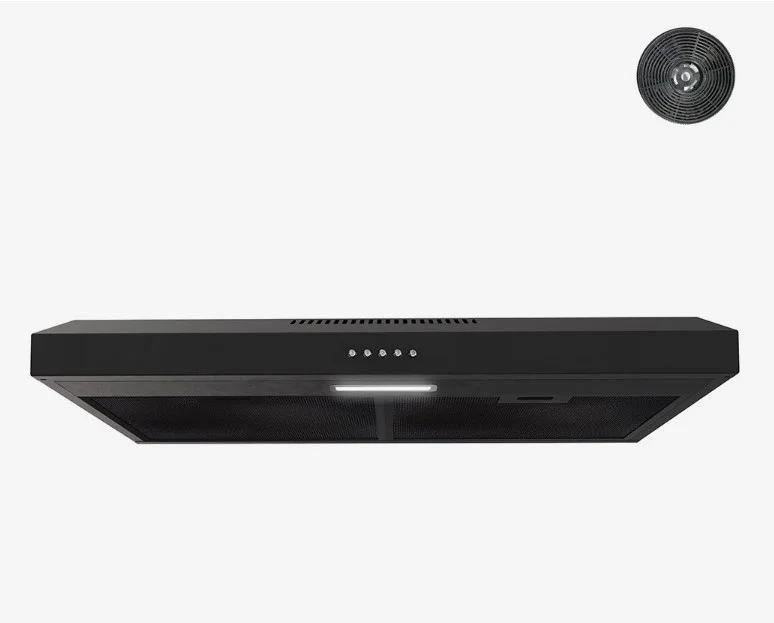
Under-cabinet hoods are installed directly beneath your kitchen cabinets. They are a popular choice because they save space and keep the kitchen looking streamlined. These hoods usually offer a moderate CFM range, perfect for everyday cooking without heavy smoke or strong odors.
If your kitchen is smaller or you don’t cook with a lot of grease, an under-cabinet hood might be enough. But ask yourself: does your cooking create lots of steam or grease? That will determine if you need a higher CFM model within this type.
Wall-mounted Hoods
Wall-mounted hoods attach to the wall above your range and often have a chimney extending upward. They tend to be more powerful and stylish, offering higher CFM options suitable for frequent frying or grilling. This makes them a great fit if your cooking style produces more smoke or strong smells.
Think about how your kitchen is arranged. Do you have enough wall space for this type of hood? Also, consider if you want a bold design statement or just effective ventilation. Both factors play into your choice and the CFM level needed.
Island Hoods
Island hoods hang from the ceiling above a kitchen island, making them ideal for open-plan layouts. Since they are exposed on all sides, they typically require a higher CFM to capture smoke and odors effectively. These hoods often become the centerpiece of your kitchen design.
Do you use your island for heavy cooking or just light meal prep? The answer will guide your CFM needs. Remember, higher CFM means more noise, so balancing power with comfort is key here.
Energy Efficiency And Noise
Choosing the right CFM for your range hood isn’t just about raw power. Energy efficiency and noise levels play a huge role in how comfortable and practical your kitchen environment will be. After all, you want your range hood to clear smoke and odors effectively without turning your kitchen into a noisy, energy-guzzling space.
Balancing Power And Quiet Operation
Higher CFM means stronger airflow, but it often comes with louder noise. Have you ever tried cooking while a loud fan drowns out conversation? That can quickly become frustrating.
Look for models that offer variable speed settings. This way, you can use a lower, quieter setting for everyday cooking and crank up the power only when needed. Some range hoods also come with sound insulation or advanced motor designs that reduce noise without sacrificing airflow.
Energy Star Ratings
Energy Star certified range hoods use less electricity while maintaining good ventilation performance. Choosing one can save you money on utility bills over time.
These models often include efficient motors and LED lighting, which together lower energy consumption. Before buying, check if the hood carries the Energy Star label—it’s a practical sign that the appliance balances power and efficiency well.
Credit: streamlinebath.com
Installation Considerations
Choosing the right CFM for your range hood is just part of the equation. Installation plays a huge role in how well your hood performs. A powerful hood won’t work efficiently if it’s not installed properly. Let’s look at key factors that impact installation and airflow.
Duct Size And Length
The size and length of your ductwork directly affect the CFM your range hood can deliver. Smaller ducts restrict airflow, reducing effectiveness even if your hood is rated for high CFM. You want to match the duct size to your hood’s airflow capacity.
Keep ducts as short and straight as possible. Every bend or long stretch increases resistance, forcing your hood to work harder. For example, a 6-inch duct is standard for many hoods, but if your hood is rated above 600 CFM, an 8-inch duct might be necessary.
Have you checked your current duct size? If it’s too small or too long, upgrading could improve performance more than buying a higher CFM hood.
Proper Venting Techniques
Proper venting ensures air moves out of your kitchen efficiently. The vent cap should be installed outside, ideally on a wall or roof, with a backdraft damper to prevent outside air from coming in. Missing or faulty dampers can cause drafts and reduce hood efficiency.
Use smooth, rigid metal ducts instead of flexible ones. Rigid ducts create less friction and improve airflow. Also, seal all connections with metal tape—not duct tape—to prevent leaks.
Think about the path your venting takes. Could it be shortened or straightened? Sometimes repositioning the vent outlet can make a noticeable difference.
Maintenance Tips
Proper maintenance keeps your range hood working well and lasting longer. It helps maintain good airflow and removes kitchen smoke effectively. Regular care prevents damage and costly repairs.
Cleaning Filters
Filters trap grease and dust from cooking fumes. Clean them every month for best performance. Wash metal filters with warm, soapy water. Use a soft brush to remove stuck grease. For charcoal filters, replace them as recommended by the manufacturer. Clean filters improve air flow and reduce fire risks.
Checking Motor Health
The motor powers the fan and moves air outside. Listen for unusual noises like rattling or grinding. These sounds may show motor problems. Check the motor housing for dirt and dust. Clean it gently with a dry cloth. Ensure the motor runs smoothly without shaking. A healthy motor keeps your range hood efficient and quiet.
Common Cfm Mistakes
Choosing the right CFM (cubic feet per minute) for your range hood is crucial, but many homeowners make common mistakes that affect kitchen ventilation. These errors can lead to either too much or too little airflow, both causing problems.
Getting your range hood’s CFM wrong can impact cooking comfort and air quality. Let’s look at the two most frequent mistakes and how they affect your kitchen.
Overpowered Hoods
Some people believe a higher CFM is always better and opt for an overpowered hood. While strong airflow sounds good, it can create excessive noise that makes your kitchen uncomfortable.
Also, too much power can pull heat and smells out too quickly, causing cold drafts or pulling in outdoor air through cracks. This wastes energy and raises utility bills.
Think about whether your kitchen really needs a 1000 CFM hood or if 400-600 CFM would be quieter and more efficient. Your cooking habits and kitchen size matter more than just picking the biggest number.
Underpowered Hoods
On the other side, an underpowered hood won’t clear smoke, grease, or odors effectively. This can leave your kitchen smelling stale and cause buildup on walls and cabinets.
Many kitchens with gas stoves need at least 100 CFM per 10,000 BTUs, so don’t underestimate the power needed. A hood that’s too weak means you’ll end up running it longer or using extra fans.
Ask yourself if your current hood clears steam and cooking smells quickly. If not, it might be time to upgrade to a hood with enough CFM to match your stove’s output.
Frequently Asked Questions
What Is Cfm In A Range Hood?
CFM stands for Cubic Feet per Minute. It measures the airflow power of a range hood. Higher CFM means better ventilation and faster smoke removal from your kitchen.
How To Choose The Right Cfm For A Range Hood?
Select a range hood with CFM based on your cooktop size and cooking style. For gas stoves, use 100 CFM per linear foot of cooktop. Electric stoves need less airflow.
Is Higher Cfm Always Better For Range Hoods?
Not always. Too high CFM can cause noise and drafts. Choose a balanced CFM that suits your kitchen size and cooking habits for efficient ventilation.
Can A Low Cfm Range Hood Effectively Remove Smoke?
Low CFM hoods may struggle with heavy cooking smoke. They work for light cooking but may not clear strong odors and grease efficiently in busy kitchens.
Conclusion
Choosing the right CFM for your range hood matters a lot. It controls how well your kitchen stays fresh and clean. Too low, and odors stay longer; too high, and you waste energy. Think about your stove size and cooking habits.
A balanced CFM keeps smoke and smells away without noise. This helps make cooking more pleasant and your kitchen healthier. Remember, a good CFM means better air and a happier home. Simple and smart choices work best for everyone.