Ever wondered why your vacuum cleaner sometimes doesn’t seem to pick up as well as it should? The secret might lie in a little-known measurement: kPa, or kilopascals.
Understanding what a good kPa for a vacuum is can transform your cleaning routine from frustrating to flawless. You deserve a cleaner home with less effort, and knowing the right kPa can be your game-changer. Imagine effortlessly gliding your vacuum across the floor and seeing spotless results.
Intrigued? Let’s dive into what kPa really means for your vacuum’s performance and how it can lead to a cleaner, healthier living space for you and your family.
Kpa And Vacuum Suction
Understanding the relationship between kPa and vacuum suction is key to choosing the right vacuum cleaner. kPa, or kilopascal, measures the suction power of a vacuum. This power affects how well the vacuum cleans surfaces by lifting dirt and debris. Knowing about kPa helps in picking a vacuum that suits your cleaning needs.
What Kpa Measures
Kpa measures the pressure difference created by the vacuum motor. It shows the strength of suction air pressure inside the vacuum. Higher kPa means stronger suction and better dirt removal. Lower kPa indicates weaker suction and less cleaning power. It helps compare different vacuum models easily.
Why Kpa Matters For Vacuums
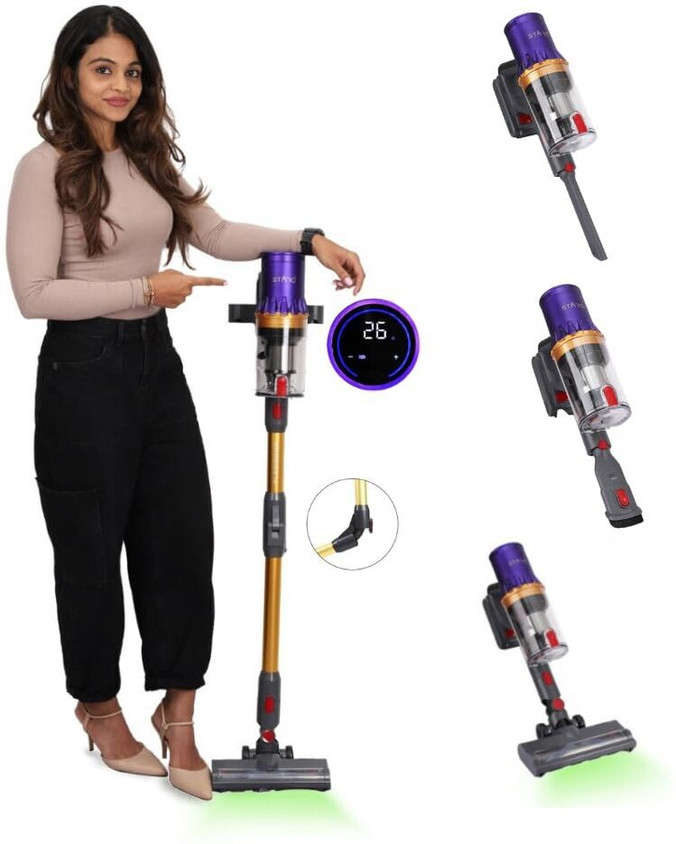
Kpa is important because it directly affects cleaning performance. Stronger suction cleans carpets and hard floors more effectively. It also helps remove pet hair and fine dust better. Choosing a vacuum with suitable kPa ensures efficient cleaning without wasting energy. It also prevents damage to delicate surfaces by avoiding too much suction.
Credit: www.flipkart.com
Ideal Kpa Range
The ideal Kpa range for a vacuum cleaner is crucial to understanding how effectively it will clean your space. Kpa, or kilopascal, measures the suction power of the vacuum, which directly impacts its ability to pick up dirt and debris. Knowing the right suction level helps you choose a vacuum that fits your cleaning needs without wasting energy or damaging surfaces.
Optimal Suction Levels For Home Use
For typical household cleaning, the ideal Kpa range usually falls between 15 to 25 Kpa. This range offers enough power to clean carpets, rugs, and hard floors effectively without being too harsh on delicate surfaces.
Vacuum cleaners with suction below 15 Kpa might struggle with embedded dirt, while those exceeding 25 Kpa can be unnecessarily strong and consume more electricity. Have you ever noticed your vacuum leaving some pet hair behind? That’s often a sign the Kpa isn’t quite right for your needs.
Kpa For Different Vacuum Types
| Vacuum Type | Typical Kpa Range | Best Use Case |
|---|---|---|
| Upright Vacuum | 18 – 25 Kpa | Deep carpet cleaning and large areas |
| Canister Vacuum | 15 – 22 Kpa | Hard floors and versatile cleaning |
| Handheld Vacuum | 10 – 15 Kpa | Spot cleaning and quick pickups |
| Robot Vacuum | 8 – 15 Kpa | Light daily cleaning and maintenance |
Different vacuum types require different Kpa levels to perform well. Handheld models need less suction because they target small messes, while uprights demand more power to tackle carpets.
Consider your specific cleaning routine. Would a robot vacuum with 10 Kpa be enough for your floor type, or do you need a stronger upright model? Matching the Kpa to your vacuum type helps you get the best results every time.
Factors Affecting Kpa
Understanding the factors that affect Kpa (kilopascal) in a vacuum cleaner helps you choose or optimize a model that fits your cleaning needs. Kpa measures the suction power, but several elements can influence how effectively that power is used. Knowing these details can save you from overpaying for features that don’t matter or missing out on important ones that do.
Motor Power And Design
The motor is the heart of your vacuum. Higher motor power usually means stronger suction, but the design also plays a key role.
A well-designed motor can maintain consistent suction without overheating. Some motors deliver peak power in short bursts, while others provide steady suction, which might suit your cleaning style better. Have you noticed how some vacuums lose suction over time? That’s often due to motor inefficiency or poor cooling design.
Filter And Hose Impact
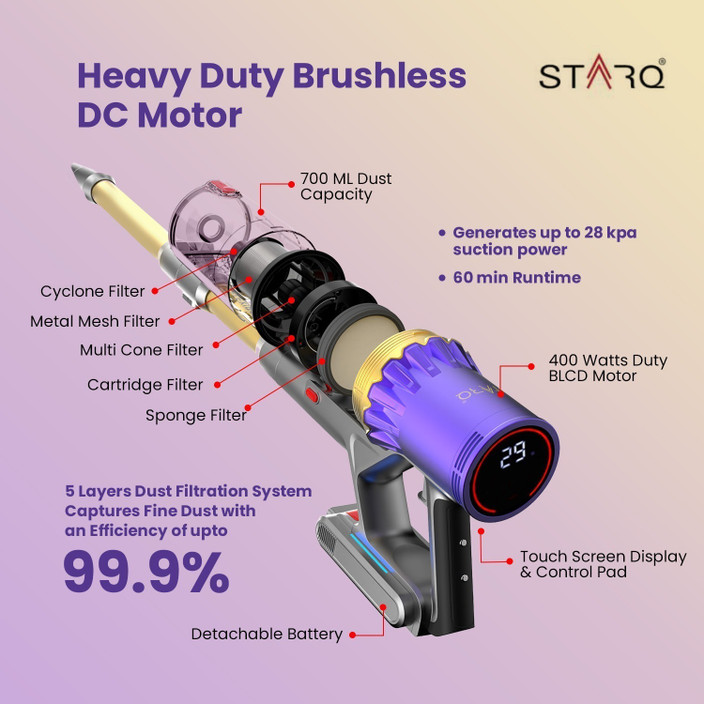
Filters trap dust and allergens but can also reduce suction if clogged or low-quality. A dirty or restrictive filter forces the motor to work harder, lowering effective Kpa.
Similarly, the hose diameter and length affect airflow. Narrow or kinked hoses restrict suction, regardless of motor power. You might have a strong vacuum, but if the hose chokes airflow, your cleaning won’t be efficient.
Surface And Debris Types
The type of surface you clean changes how much suction you actually need. Hard floors usually require less Kpa compared to thick carpets, which need more power to pull dirt from deep fibers.
Also, different debris types matter. Fine dust requires steady suction, while larger debris like cereal or pet hair might need higher Kpa or specialized attachments. Think about what you clean most often—does your vacuum handle it well or struggle?
Credit: nuuk.in
Comparing Kpa Across Models
Understanding the Kpa (kilopascal) rating of vacuums can help you make a smarter purchase. Different models offer varying suction strengths, which directly affect cleaning performance. Comparing these values across models helps you find the right balance between power and practicality for your needs.
Low Vs High Kpa Vacuums
Low Kpa vacuums typically range from 5 to 15 Kpa. These models are lighter on power but often excel in energy efficiency and quieter operation. They work well for routine cleaning of hard floors or light carpets.
High Kpa vacuums, on the other hand, often exceed 20 Kpa. These deliver strong suction that can tackle deep dirt in thick carpets and pet hair. However, they may consume more power and sometimes feel heavier or bulkier to handle.
Think about your cleaning habits. Do you mostly vacuum hardwood floors or thick rugs? Your choice between low and high Kpa should reflect the surfaces you clean most often.
Balancing Power And Efficiency
Finding a vacuum with the right Kpa means balancing suction power with energy use and maneuverability. A high Kpa vacuum might sound ideal, but if it drains your battery quickly or feels heavy, you might skip regular cleaning sessions.
Some models optimize airflow and brush design to boost cleaning without needing extremely high Kpa. These vacuums can surprise you with efficient performance at moderate suction levels.
Ask yourself: would you prefer a vacuum that cleans a bit slower but lasts longer, or one that finishes fast but needs frequent recharges? Your answer will guide you to the best Kpa range for your lifestyle.
Measuring And Testing Suction Power
Understanding the suction power of your vacuum cleaner is key to knowing how well it performs. Measuring and testing suction power helps you compare different models and decide if your current vacuum meets your cleaning needs. Let’s break down practical ways to check this important feature yourself.
Tools To Measure Kpa
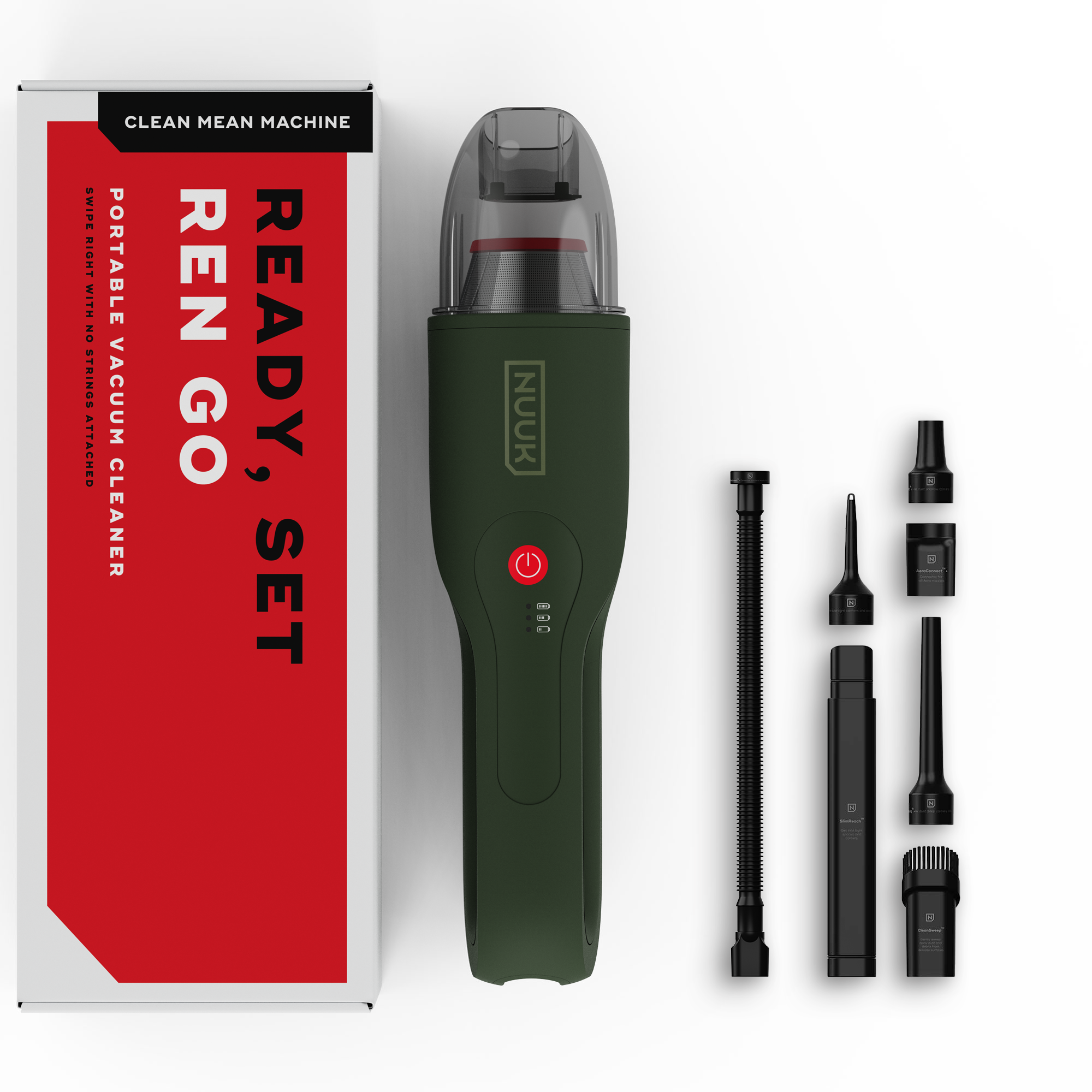
Kpa, or kilopascals, measures the vacuum’s suction pressure. To get an accurate reading, you need the right tools. A handheld vacuum gauge or a digital manometer can directly measure the vacuum’s suction level.
These devices attach to the vacuum’s hose or nozzle and provide a clear numerical value of the suction power. Some advanced models even connect to smartphones for easier reading and tracking. Investing in one can help you maintain your vacuum and know exactly when it’s losing efficiency.
Diy Suction Tests
If you don’t have specialized tools, you can still estimate suction power at home. Try lifting a lightweight object like a small paper or a plastic bottle cap with the vacuum nozzle. Can your vacuum hold it firmly without losing grip?
Another simple test is to see how much dirt or debris it picks up from a tough surface, like carpet fibers or pet hair. Does it pull up everything in one pass, or do you need multiple attempts? These tests give you quick insights into whether your vacuum’s suction is strong enough for your needs.
Choosing The Right Suction Power
Choosing the right suction power is crucial when selecting a vacuum cleaner. The suction strength, often measured in kilopascals (kPa), directly affects how well your vacuum handles dirt and debris. But more power doesn’t always mean better cleaning for your specific needs.
Matching Kpa To Cleaning Needs
Think about the surfaces you clean most often. Hard floors usually need less suction power compared to thick carpets or rugs. A vacuum with around 10-15 kPa is typically enough for smooth surfaces, while deep carpet cleaning might require 20 kPa or more.
If you have pets that shed a lot, higher suction can help pull out embedded hair. But if your space is mostly hardwood or tile, too much suction can make the vacuum harder to push around. Finding the right balance saves you effort and improves cleaning results.
Energy Consumption Considerations
Higher suction power often means higher energy use. A vacuum rated at 25 kPa might consume significantly more electricity than one rated at 15 kPa. Ask yourself: is the extra power worth the increased energy cost?
Some models offer adjustable suction settings, which let you save energy when cleaning less demanding areas. Also, look for energy-efficient motors that deliver strong suction without heavy power consumption. This can reduce your bills and lessen environmental impact.
Credit: www.flipkart.com
Frequently Asked Questions
What Is A Good Kpa Rating For Vacuum Cleaners?
A good Kpa rating for vacuum cleaners ranges between 15 to 25 Kpa. This range ensures strong suction for effective cleaning without overloading the motor.
How Does Kpa Affect Vacuum Performance?
Kpa measures suction power. Higher Kpa means better dirt and debris pickup, improving vacuum efficiency on carpets and hard floors.
Is Higher Kpa Always Better For Vacuums?
Not always. Extremely high Kpa can cause motor strain and reduce battery life. Balance suction with device durability and use.
What Kpa Suits Pet Hair Removal Best?
Vacuum cleaners with 20 Kpa or higher are ideal for pet hair. They provide strong suction to lift stubborn hair from fabrics.
Conclusion
A good kPa for a vacuum depends on its purpose. Most household vacuums work well between 15 and 25 kPa. Higher kPa means stronger suction but more power use. Lower kPa may not clean deeply. Choose a vacuum with the right kPa for your needs.
Remember, suction alone does not guarantee the best cleaning. Other features matter too, like filters and attachments. Understanding kPa helps pick the right vacuum. Keep these points in mind for better cleaning results.