Imagine walking into your kitchen, ready to whip up a delicious meal, only to be hit by lingering odors and smoke from your last cooking adventure. It’s not just annoying; it can make your cooking space feel less inviting.
Here’s where a range hood comes to the rescue. But what exactly makes a good range hood? As you delve into this article, you’ll discover the essential features that transform a regular range hood into a kitchen must-have. From filtering out unwanted smells to enhancing your cooking experience, you’ll learn why investing in the right range hood can make all the difference in your home.
Keep reading to uncover the secrets behind choosing a range hood that not only fits your kitchen but also elevates it to a whole new level of comfort and style.
Credit: akicon.com
Key Features Of A Range Hood
A good range hood improves kitchen air quality and comfort. It removes smoke, odors, and grease. Choosing the right hood means knowing its key features. These features affect performance and user experience. Understanding them helps pick the best option for your kitchen needs.
Airflow Capacity
Airflow capacity shows how much air the hood moves. It is measured in cubic feet per minute (CFM). Higher CFM means better removal of smoke and steam. Choose a hood with airflow matching your cooking style. Heavy cooking needs higher CFM to keep air fresh.
Noise Levels
Noise levels affect kitchen comfort during use. Range hoods produce sound measured in sones or decibels. Quiet hoods stay below 60 decibels. Look for models with noise control features. A quiet hood makes cooking more pleasant.
Filter Types
Filters trap grease, smoke, and particles. Common filter types include:
- Mesh filters: Easy to clean and reusable
- Baffle filters: Durable and efficient for heavy use
- Charcoal filters: Remove odors, mainly in ductless hoods
Choose filters based on cleaning ease and cooking habits.
Lighting Options
Lighting helps see the cooking surface clearly. Many hoods have built-in lights. LED lights save energy and last longer. Adjustable brightness improves visibility. Good lighting enhances safety and cooking precision.
Types Of Range Hoods
Range hoods come in various types to fit different kitchen styles and needs. Each type offers unique features and installation options. Choosing the right one depends on your kitchen layout and cooking habits.
Under-cabinet Hoods
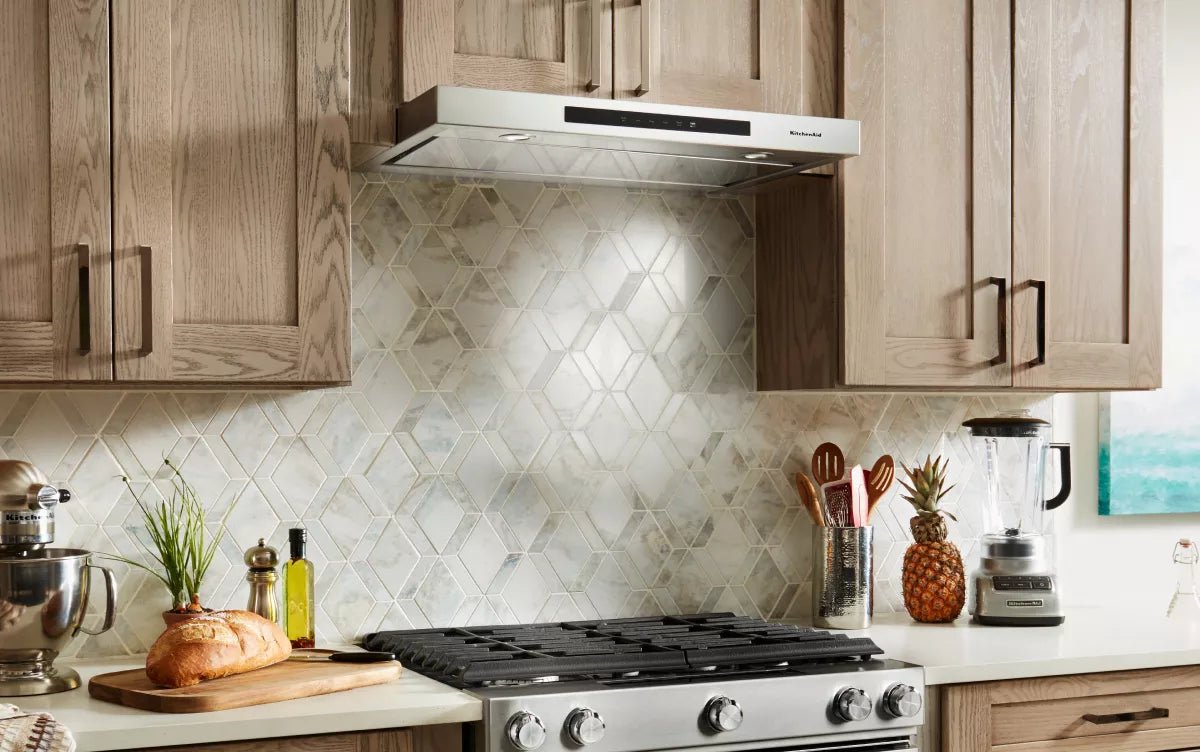
Under-cabinet hoods fit beneath kitchen cabinets. They save space and keep a low profile. These hoods work well for small to medium kitchens. They often include lights and fan settings. Installation is usually simple and cost-effective.
Wall-mounted Hoods
Wall-mounted hoods attach directly to the wall above the stove. They often have a chimney design for venting smoke outside. These hoods offer strong suction power. Their stylish look suits modern kitchens. They need enough wall space for proper setup.
Island Hoods
Island hoods hang from the ceiling over kitchen islands. They provide ventilation where no wall or cabinet is nearby. These hoods come in various shapes and sizes. They add a focal point to open kitchen designs. Installation can be more complex than other types.
Downdraft Hoods
Downdraft hoods pull smoke downward through vents built into the countertop. They are hidden when not in use, keeping a clean look. Ideal for kitchens with limited overhead space. These hoods work best with cooktops on islands or peninsulas. They usually have less suction power than other types.
Materials And Design
Choosing the right materials and design for your range hood greatly affects both its performance and how it fits into your kitchen’s style. The material impacts durability and ease of cleaning, while the design influences airflow and noise levels. Understanding these elements helps you pick a hood that lasts and complements your space.
Stainless Steel
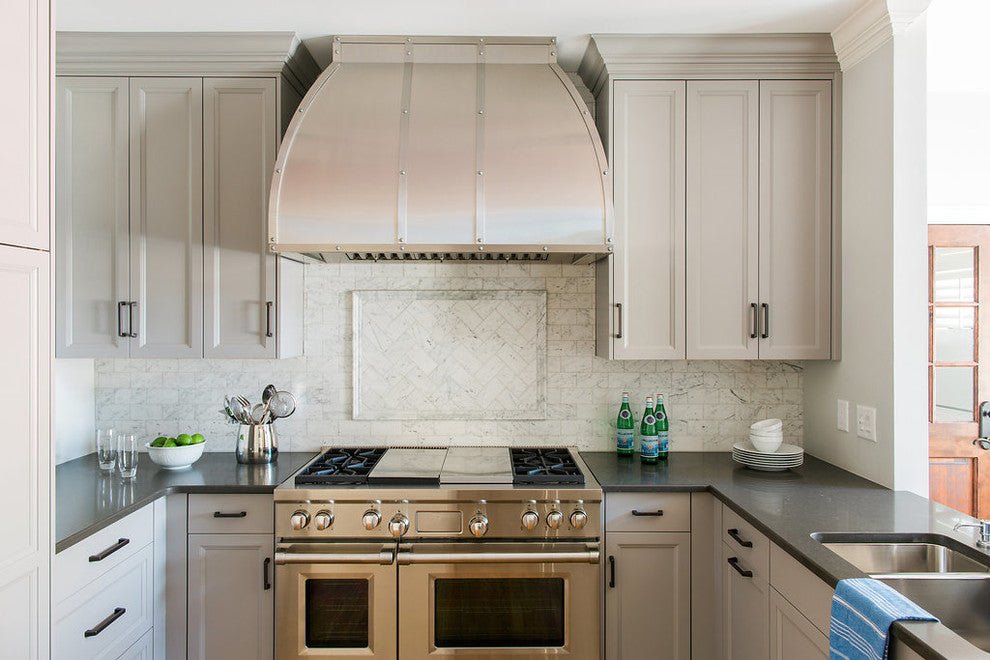
Stainless steel is a popular choice for range hoods because it’s strong, easy to clean, and resists corrosion. Its smooth surface doesn’t trap grease, making maintenance simpler for you. Plus, its sleek, modern look suits almost any kitchen style.
Many chefs prefer stainless steel hoods since they can handle heavy cooking without warping. If you cook often, this material will stand up to heat and steam better than others. Have you noticed how many professional kitchens use stainless steel? That’s no coincidence.
Tempered Glass
Tempered glass adds a stylish and contemporary touch to range hoods. It’s heat-resistant and easy to wipe down, keeping your kitchen looking clean and bright. You can find glass hoods in clear, frosted, or colored finishes to match your décor.
However, tempered glass requires careful handling to avoid chips or cracks. If you want a statement piece in your kitchen, this might be the right pick. Do you prefer a design that stands out or blends in seamlessly?
Custom Finishes
Custom finishes let you tailor the range hood to your kitchen’s unique look. You can choose from painted colors, wood veneers, or even copper and brass accents. This flexibility helps your hood become a focal point rather than just an appliance.
Custom designs also allow for personalized shapes and sizes, ensuring a perfect fit. While this option can cost more, it pays off if you want something truly one-of-a-kind. What design details matter most to you in your kitchen setup?

Credit: www.youtube.com
Installation Considerations
Choosing the right range hood involves more than style and size. Installation plays a key role in its performance and safety. Proper installation ensures the hood works efficiently and lasts longer.
Consider where and how the hood will fit in your kitchen space. Check the existing ventilation and power setup. These factors affect the type of hood you can install and how it functions.
Ducted Vs. Ductless
Ducted hoods vent air outside through ducts. They remove smoke, odors, and moisture effectively. Ductless hoods filter air and recirculate it back inside. They need charcoal filters to reduce smells.
Ducted systems require space for ducts and proper vent placement. Ductless hoods are easier to install but less powerful. Choose based on your kitchen layout and ventilation options.
Vent Placement
Vent location impacts air flow and hood efficiency. Place vents away from obstacles like cabinets or walls. Ensure the vent leads directly outside if ducted.
Short, straight ducts improve air flow and reduce noise. Avoid long or curved ducts. Proper placement reduces backdrafts and keeps your kitchen fresh.
Power Requirements
Check the hood’s power needs before installation. Most require a dedicated electrical circuit. Confirm your kitchen wiring can handle the load.
Improper power supply can cause malfunction or hazards. Use a certified electrician for safe and correct wiring. Proper power ensures the hood runs smoothly and safely.
Energy Efficiency And Maintenance
Energy efficiency and maintenance are key factors in choosing a good range hood. They affect your utility bills and the hood’s lifespan. A range hood that uses less energy saves money over time. Easy maintenance keeps it working well and prevents damage. Understanding these aspects helps you pick the right model for your kitchen.
Energy Star Ratings
Energy Star ratings show how efficient a range hood is. Models with this rating use less electricity. They help reduce your energy bills. Look for hoods that have a high Energy Star score. These hoods balance power and energy use well. They perform their job without wasting power.
Filter Cleaning And Replacement
Filters trap grease and smoke from cooking. Clean filters keep the range hood working well. Some filters are dishwasher safe for easy cleaning. Others need regular replacement to stay effective. Check the hood’s filter type before buying. Easy-to-clean or replace filters save time and effort.
Long-term Durability
Durable materials ensure the range hood lasts longer. Stainless steel is strong and resists rust. Quality fans and motors work smoothly over time. A durable hood needs less repair and maintenance. Choose models with good reviews for long-term use. This saves money and hassle in the future.

Credit: rawurth.com
Additional Features To Look For
A good range hood does more than just remove smoke and odors. It offers features that make cooking easier and your kitchen cleaner. These extra functions add convenience and improve performance. Consider these features to enhance your cooking experience.
Smart Controls
Smart controls let you operate the hood with ease. Use a smartphone app or voice commands to adjust settings. This feature helps you control ventilation without stopping cooking. It also allows for remote monitoring and scheduling.
Variable Fan Speeds
Variable fan speeds offer flexibility for different cooking needs. Choose low speed for light cooking or high speed for heavy smoke. This helps save energy and reduces noise. Adjusting speeds improves air quality effectively.
Automatic Sensors
Automatic sensors detect smoke, steam, or heat in your kitchen. They turn the fan on or off without manual input. This ensures the air stays fresh even if you forget to switch the hood on. Sensors make your kitchen safer and cleaner.
Budgeting And Price Ranges
Budgeting for a range hood depends on its features and quality. Prices vary widely, offering choices for every kitchen and wallet. Understanding different price ranges helps pick the right hood without overspending. Consider how often you cook and the size of your kitchen. These factors influence the best range hood price for your needs.
Entry-level Models
Entry-level range hoods usually cost between $100 and $300. These models cover basic needs like smoke and odor removal. They often have smaller sizes and simpler designs. Ideal for small kitchens or light cooking habits. Noise levels may be higher, and fan power lower. Easy to install and maintain.
Mid-range Options
Mid-range range hoods range from $300 to $700. These offer better suction power and quieter operation. More styles and materials become available, such as stainless steel. Features like adjustable fan speeds and LED lights are common. Suitable for regular cooking and medium-sized kitchens. Balance between performance and price.
High-end Choices
High-end range hoods cost $700 and above. They provide strong ventilation and advanced features. Examples include smart controls, powerful motors, and sleek designs. Often made with premium materials for durability and style. Best for frequent cooks or large kitchens. Installation may require professional help.
Frequently Asked Questions
What Defines A Good Range Hood?
A good range hood effectively removes smoke, odors, and grease from your kitchen. It offers strong ventilation, quiet operation, and easy cleaning. Proper size and style matching your stove are key for efficient performance.
How To Choose The Right Size Range Hood?
Choose a range hood at least as wide as your stove. For optimal airflow, select one with a CFM rating matching your cooking needs. Larger or more powerful hoods work better for heavy cooking and bigger kitchens.
What Is The Ideal Cfm For Range Hoods?
Ideal CFM depends on stove size and cooking type. Generally, 100 CFM per linear foot of stove width is recommended. Higher CFM suits gas stoves or intense cooking, ensuring faster smoke and odor removal.
Are Ducted Or Ductless Range Hoods Better?
Ducted range hoods vent air outside, offering superior odor and moisture removal. Ductless hoods filter and recirculate air, easier to install but less effective. Choose based on kitchen layout, ventilation needs, and installation feasibility.
Conclusion
Choosing a good range hood keeps your kitchen clean and fresh. It removes smoke, odors, and steam quickly. Quiet operation matters for a peaceful cooking space. Size and power should fit your stove and kitchen size. Easy cleaning helps maintain performance over time.
Venting type affects installation and airflow. A well-chosen range hood improves air quality and comfort. Remember, simple features often work best. Consider your needs and kitchen layout carefully. This helps you enjoy cooking without worries.