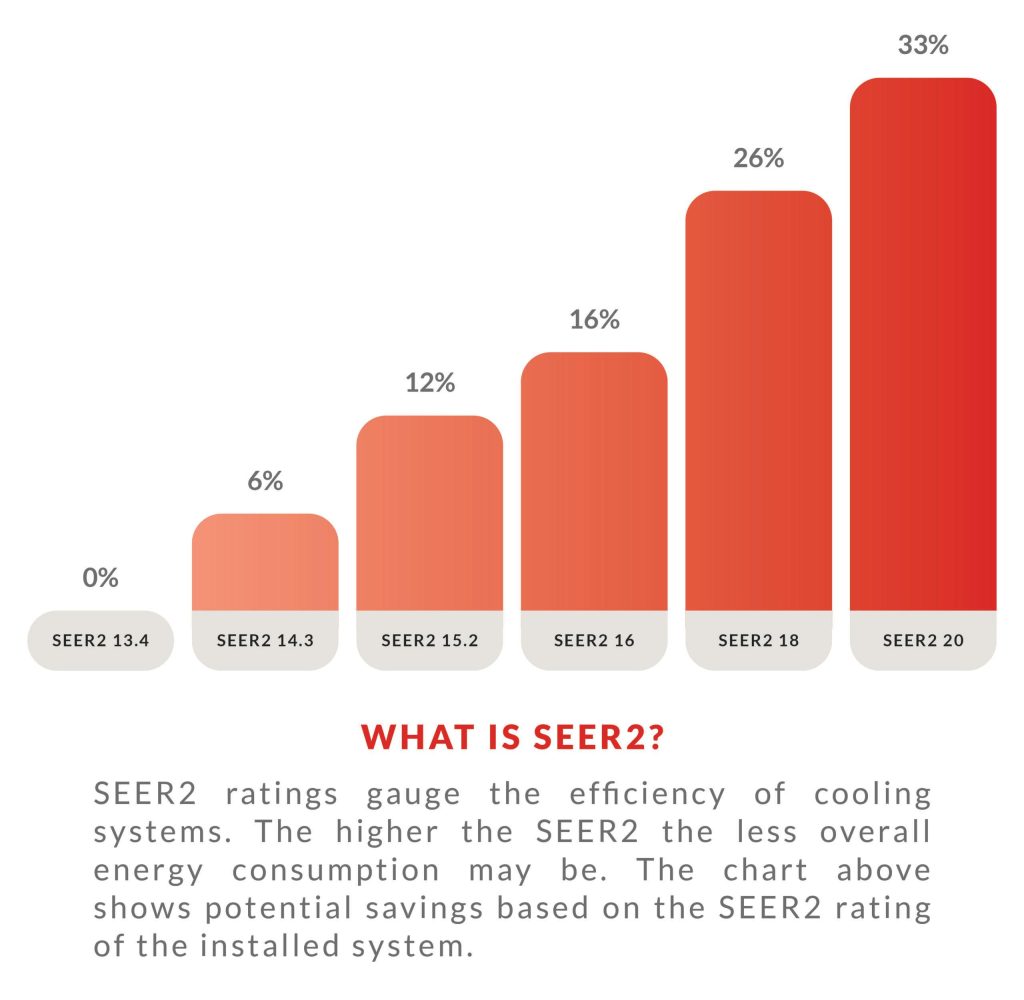
When it comes to choosing the right air conditioner, one number can make a big difference: the SEER rating. But what exactly is a good SEER rating, and how does it affect your comfort and energy bills?
If you want to keep your home cool without wasting money, understanding SEER is key. You’ll discover how to spot the best SEER rating for your air conditioner and why it matters more than you might think. Keep reading to make a smart choice that saves you money and keeps your home comfortable all year long.
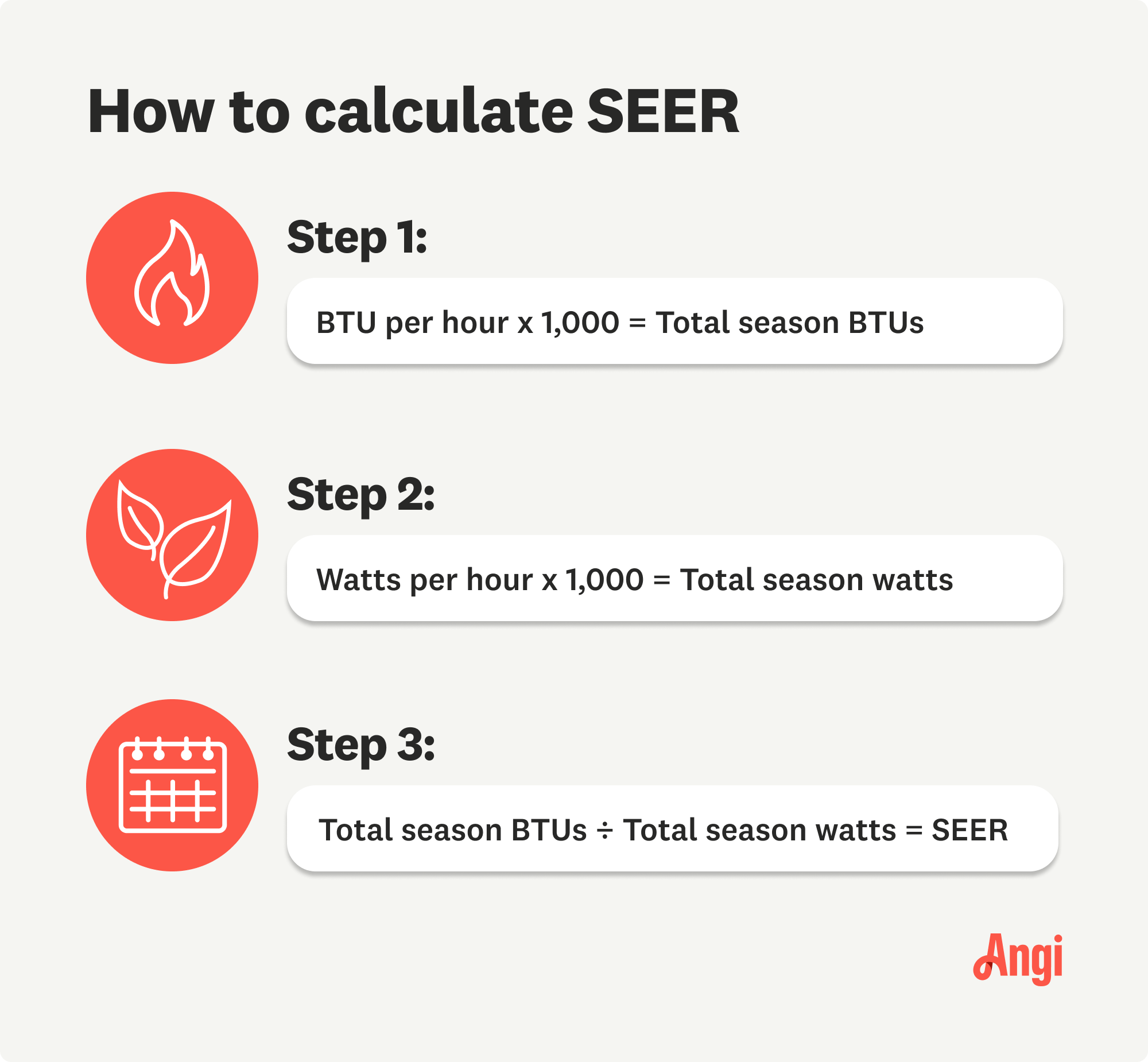
Credit: www.angi.com
Seer Rating Basics
SEERstands for Seasonal Energy Efficiency Ratio. It shows how well an air conditioner cools over a season. The higher the SEER rating, the less energy the unit uses. This means lower electricity bills.
Most air conditioners have SEER ratings between 13 and 21. A rating of 16 or higheris usually considered good. It balances cost and energy savings well.
Buildings in hot climates benefit more from high SEER units. They run longer and save more energy over time. Choosing the right SEER depends on your local climate and budget.

Credit: www.searshomeservices.com
Importance Of Seer Rating
SEER ratingshows how well an air conditioner saves energy. The higher the SEER, the less power it uses to cool your home.
This means lower electricity bills and less harm to the environment.
Choosing an AC with a good SEER rating helps you save money over time.
- SEER stands for Seasonal Energy Efficiency Ratio.
- It measures cooling output divided by energy used.
- A SEER rating of 13 or higher is good for most homes.
- Higher ratings like 16 or 20 save more energy.
- Check SEER before buying to get the best value.
Factors Influencing Seer Ratings
Climateaffects the ideal SEER rating for air conditioners. Warmer areas need units with higher SEERfor better cooling and energy savings. Cooler climates may use units with lower SEERbecause the system runs less.
Choosing the right unit size and capacityis key. Bigger homes need larger units with higher SEER ratings to cool efficiently. Too small or too big units waste energy and cost more.
Technological advanceshelp improve SEER ratings. Newer models have better compressors, fans, and controls. These parts make the system use less power while keeping rooms cool and comfortable.
Evaluating A Good Seer Rating
The SEER ratingshows how well an air conditioner cools using energy. A higher SEER means better efficiency and lower bills. The minimum SEER standardin most places is 13. This ensures the unit meets basic energy-saving rules.
Units with SEER ratings of 16 or more are called high efficiency. They use less power and keep rooms cooler. These models cost more upfront but save money over time on electricity.
| SEER Rating | Efficiency Level | Cost Impact | Energy Savings |
|---|---|---|---|
| 13 (Minimum) | Standard | Lower | Basic savings |
| 14-16 | Good | Moderate | Better savings |
| 17+ | High Efficiency | Higher | Best savings |
Choosing the right SEER depends on budget and energy goals. Higher SEER units save more but cost more at first. Balance your cost versus efficiencyfor the best fit.
Benefits Of High Seer Ratings
High SEER ratingsmean an air conditioner uses less energy. This helps save moneyon electricity bills over time. The system runs more efficiently, which reduces power use.
Using less energy also means a smaller carbon footprint. This is good for the environment. It lowers harmful gases that cause pollution and climate change.
Air conditioners with high SEER ratings keep your home cooler and more comfortable. They maintain a steady temperature and reduce humidity better. This means fewer hot or cold spots in your rooms.
Choosing The Right Seer Rating
Budget plays a key rolein choosing a SEER rating. Higher SEER units cost more upfront but save energy over time. Lower SEER models are cheaper but less efficient. Balance what you can spend now with future savings.
| Region | Minimum SEER Required |
|---|---|
| North | 13 |
| South | 14 |
| Southwest | 15 |
Energy rules differ by region. Some areas require higher SEER ratings to save energy and cut bills.
Long-term savingsmatter. Higher SEER units use less electricity. This cuts bills and helps the environment. Think about how long you plan to keep your AC. A better SEER can pay off over many years.
Comparing Seer Ratings To Other Metrics
SEER(Seasonal Energy Efficiency Ratio) measures cooling efficiency over a season. EER(Energy Efficiency Ratio) shows efficiency at one point in time, usually hot days. SEER gives a better idea of overall energy use during summer.
Heat pumpsuse HSPF(Heating Seasonal Performance Factor) to show heating efficiency. Higher HSPF means better heating performance and lower energy bills. SEER and HSPF together help choose the right heat pump.
| Metric | Measures | Best For |
|---|---|---|
| SEER | Cooling efficiency over a season | Air conditioners in varied climates |
| EER | Cooling efficiency at peak conditions | Hot climates or peak cooling times |
| HSPF | Heating efficiency over a season | Heat pumps in cold weather |

Credit: hvacdirect.com
Tips For Maximizing Air Conditioner Efficiency
Regular maintenancekeeps your air conditioner running well. Clean or replace filters every month. Clear debris around the outdoor unit to improve airflow. Check for leaks in ducts to stop cool air from escaping.
Smart thermostat usehelps save energy. Set temperatures higher when no one is home. Use timers to cool rooms only when needed. Avoid sudden temperature changes to keep the system stable.
Proper installationensures the AC works efficiently. Place the unit where it gets shade. Make sure the size fits your room. Poor installation can cause high energy bills and weak cooling.
Frequently Asked Questions
What Seer Rating Is Ideal For Energy Efficiency?
A SEER rating of 14 or higher is ideal for energy efficiency. Higher SEER means better cooling with less power use, saving money on electricity bills.
How Does Seer Rating Affect Air Conditioner Cost?
Higher SEER ratings usually mean higher upfront costs. However, they reduce energy bills over time, making them cost-effective in the long run.
Can A Low Seer Rating Increase Electricity Bills?
Yes, a low SEER rating means less efficiency. This causes the air conditioner to consume more electricity, leading to higher energy bills.
Is Seer Rating Important For All Climates?
SEER rating is especially important in hot climates. Efficient units save more energy during long cooling seasons, but they benefit any climate needing cooling.
Conclusion
A good SEER rating saves energy and lowers electricity bills. Higher SEER means the air conditioner works more efficiently. Most homes benefit from a SEER rating between 14 and 18. Choosing the right SEER helps keep your space cool and costs down.
Always check the SEER rating before buying an air conditioner. It matters for comfort and your wallet. A smart choice today can bring savings for years.