
When you’re on the hunt for a vacuum cleaner, it’s easy to get overwhelmed by the technical jargon. One term that pops up often is “suction power,” measured in kilopascals (kPa).
But what does it really mean, and how much do you actually need to keep your home spotless? Understanding suction power can be the key to choosing the right vacuum cleaner that not only fits your cleaning needs but also makes the task less of a chore.
Imagine effortlessly picking up pet hair, crumbs, or dust with a vacuum that has just the right suction power. Sounds like a dream, right? We’ll break down everything you need to know about kPa in vacuum cleaners, helping you make an informed decision. Let’s dive in and discover the ideal suction power that will transform your cleaning routine!
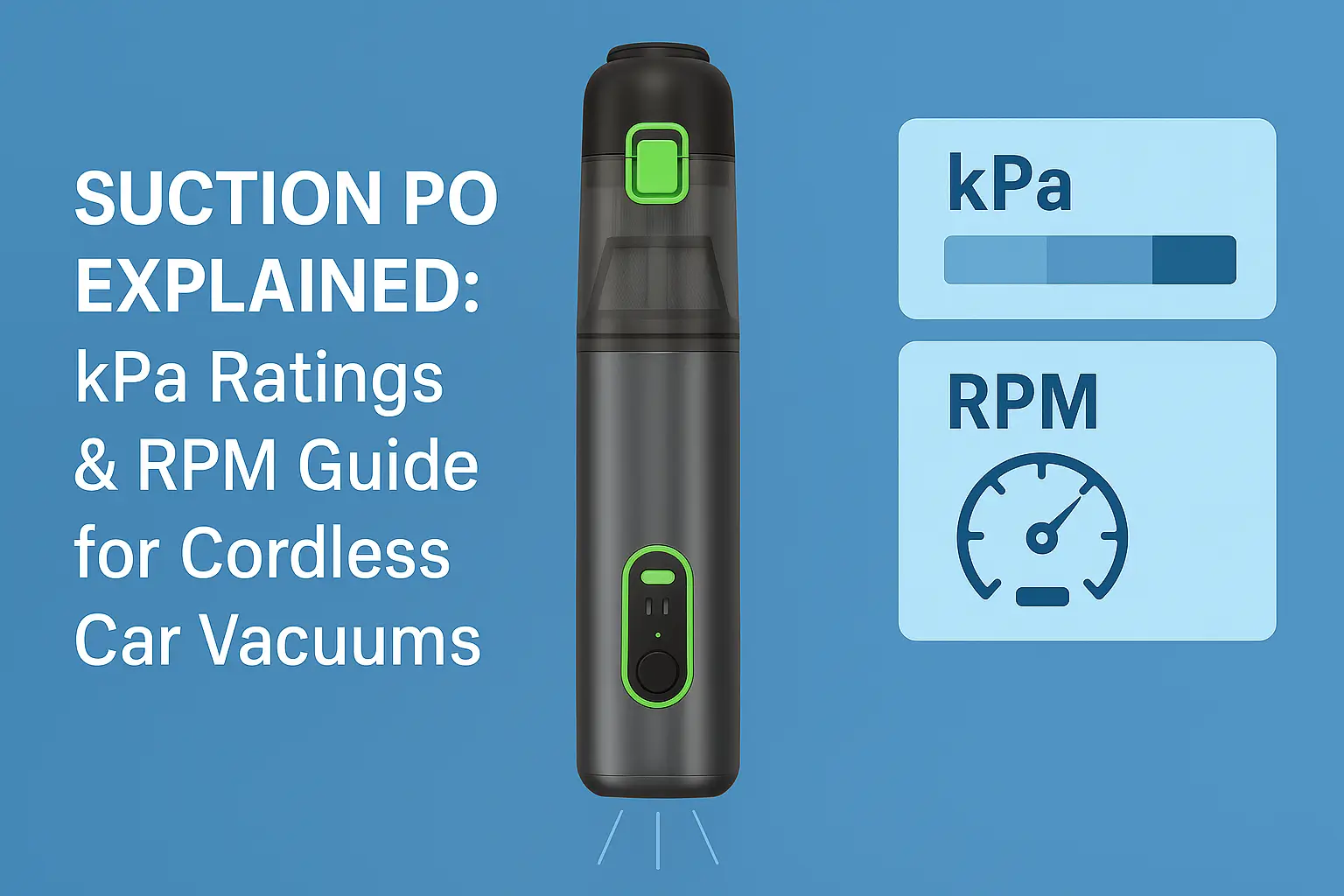
Credit: www.kinzirairduster.com
Suction Power Basics
Understanding the basics of suction power is key when choosing a vacuum cleaner that truly meets your cleaning needs. Suction power determines how effectively a vacuum picks up dirt, dust, and debris from various surfaces. Getting familiar with this concept helps you make smarter decisions and avoid wasting money on models that underperform.
What Kpa Means
Kpa stands for kilopascal, a unit of pressure used to measure suction power in vacuum cleaners. It indicates how much force the vacuum generates to pull in dirt. The higher the kpa value, the stronger the suction.
Think of it like water pressure in a hose: more pressure means more powerful flow. Most household vacuum cleaners range from 10 kpa to 30 kpa. Knowing this helps you compare models beyond just brand names or fancy features.
Why Kpa Matters
You might wonder why suction power in kpa is so important for your cleaning routine. A vacuum with low kpa might struggle with thick carpets or pet hair. On the other hand, very high kpa is useful for deep cleaning but can sometimes cause damage to delicate surfaces.
Choosing the right suction power depends on your floor type and cleaning frequency. If you have hardwood floors, you may not need ultra-strong suction. But if you live with pets or kids, a higher kpa vacuum can save you time and effort.
What level of suction power do you think suits your home best? Paying attention to kpa can help you find that perfect balance between power and practicality.

Credit: www.amazon.com
Ideal Kpa Range
Suction power is a key factor in a vacuum cleaner’s performance. It is measured in kilopascals (kPa). The ideal kPa range depends on the surface you want to clean. Different floors and materials need different suction strengths for the best results.
Choosing the right suction power helps to clean efficiently without wasting energy. Too low suction leaves dirt behind. Too high suction may damage delicate surfaces or use too much power. Understanding the ideal kPa range helps you pick the right vacuum for your needs.
For Hard Floors
Hard floors like tile, wood, or laminate need moderate suction. A range of 15 to 20 kPa works well. This power lifts dust and debris without scratching the surface. It also helps to pick up fine particles from cracks and corners.
For Carpets
Carpets require higher suction power to remove dirt trapped in fibers. Look for vacuums with 20 to 30 kPa suction. This range pulls out deep dirt and dust without pulling or damaging the carpet. It works well on both low and medium pile carpets.
For Pet Hair
Pet hair can be stubborn and tangled in fabric. Strong suction of 25 to 35 kPa is ideal for pet owners. This power lifts hair from carpets, upholstery, and stairs. Vacuums with this suction level often include special brushes for better hair removal.
Comparing Suction Power
Suction power is a key factor when choosing a vacuum cleaner. It shows how strong the vacuum pulls dirt and debris. Comparing suction power helps understand which vacuum fits your cleaning needs best. The unit for suction power is usually measured in kilopascals (kPa). This section explains the difference between low and high kPa and their impact on cleaning.
Low Vs High Kpa
Low kPa vacuums usually have suction power below 10 kPa. They work well for light cleaning tasks and hard floors. High kPa vacuums often have suction above 15 kPa. These are good for deep cleaning carpets and removing stubborn dirt.
Choosing between low and high kPa depends on your home’s floor type and cleaning frequency. Low kPa vacuums save energy and are quieter. High kPa vacuums use more power but offer stronger suction.
Impact On Cleaning Efficiency
Higher suction power means the vacuum can pick up more dirt in less time. It removes pet hair, dust, and crumbs better. Low suction may miss deep dirt and fine particles. It works best on smooth surfaces.
Strong suction helps keep carpets cleaner and extends their life. It also reduces the need for repeated cleaning. On the downside, very high suction can clog or damage delicate rugs.
Balancing suction power with your cleaning needs ensures better results. A vacuum with adjustable suction is ideal for handling different surfaces.

Credit: www.eufy.com
Other Factors Affecting Performance
Suction power in kilopascals (kPa) is important for vacuum cleaners. Yet, other factors also shape how well a vacuum works. These factors influence cleaning quality, ease of use, and durability.
Understanding these elements helps you choose a vacuum that fits your needs. They affect performance beyond just suction strength.
Filtration System
The filtration system traps dust, dirt, and allergens inside the vacuum. A good filter keeps the air clean and prevents particles from escaping. HEPA filters are popular for capturing tiny particles. Clean filters regularly to maintain strong suction and air quality. Poor filtration can reduce suction and spread dust back into the room.
Brush Design
Brushes help loosen dirt from carpets and floors. Different designs suit various floor types. Rotating brushes work well on carpets by pulling out deep dirt. Soft brushes are better for hard floors to avoid scratches. A well-designed brush improves cleaning efficiency and reduces effort. Some vacuums offer adjustable brush heights for better contact with surfaces.
Battery Life
Battery life matters for cordless vacuum models. Longer battery life means more cleaning time per charge. Short battery life can interrupt cleaning tasks often. Some vacuums provide removable batteries for quick replacement. Pay attention to charge time and runtime to match your cleaning needs. A strong battery supports consistent suction power throughout use.
Choosing The Right Vacuum
Choosing the right vacuum cleaner depends on several factors. Suction power measured in kPa is important, but it’s not the only thing to consider. The size of your room, the type of vacuum, and your budget all play key roles. Picking a vacuum that fits your needs helps you clean better and faster.
Room Size Considerations
Small rooms need less suction power to clean well. A vacuum with about 10-15 kPa works fine for apartments or small spaces. Large rooms or homes with multiple floors require stronger suction, around 20-25 kPa or more. This helps cover more area quickly and remove dirt deeply. Also, consider the vacuum’s weight and size. A heavy vacuum may be hard to move in large rooms.
Types Of Vacuum Cleaners
Different types of vacuums offer different suction power and features. Upright vacuums usually provide strong suction, good for carpets and big spaces. Canister vacuums are lighter and better for hard floors or tight spaces. Robot vacuums have lower suction but work well for daily light cleaning. Handheld vacuums are best for small spots and quick cleanups. Match the vacuum type to your floor type and cleaning habits.
Budget And Features
Vacuum prices vary widely based on suction power and features. Higher suction usually means a higher price. Look for vacuums with adjustable suction settings to save energy and protect delicate floors. Filters and bags also affect cost and maintenance. HEPA filters capture small dust particles, good for allergy sufferers. Choose a vacuum with features that fit your budget and cleaning needs.
Maintaining Suction Power
Maintaining strong suction power is key to getting the best cleaning from a vacuum cleaner. Suction strength drops over time if the machine is not cared for properly. Simple tasks can keep your vacuum working like new and save money on repairs or replacements.
Cleaning Filters
Filters trap dust and dirt to protect the motor. Dirty filters block airflow and reduce suction power. Clean or replace filters regularly. Washable filters need drying before use. Check the manual for filter care instructions. Clean filters improve air quality and vacuum efficiency.
Checking For Blockages
Clogs in hoses or brush rolls limit suction. Remove attachments and look inside for dirt build-up. Use a long object to clear blockages carefully. Check the brush roll for hair or threads wrapped tightly. Clear these to restore airflow and suction strength.
Regular Maintenance Tips
- Empty the dustbin or bag before it gets full.
- Inspect belts for wear and replace if broken.
- Clean brushes and rollers often to avoid buildup.
- Store the vacuum in a dry, dust-free place.
- Follow the manufacturer’s maintenance schedule closely.
Consistent care keeps suction power strong for every cleaning task.
Frequently Asked Questions
What Is Suction Power In Vacuum Cleaners?
Suction power measures the vacuum’s ability to pull dirt and debris. It’s usually expressed in kilopascals (kPa). Higher kPa means stronger suction, improving cleaning efficiency on carpets and hard floors.
What Suction Power Is Ideal For Home Use?
A good suction power for home vacuum cleaners ranges between 15-25 kPa. This range effectively cleans dust, pet hair, and debris without excessive energy use or noise.
How Does Suction Power Affect Vacuum Performance?
Stronger suction power improves dirt pickup, especially from carpets and rugs. However, very high kPa can increase energy consumption and noise, so balance is key for optimal performance.
Can Higher Kpa Damage Delicate Surfaces?
Excessive suction power may harm delicate fabrics or soft flooring. It’s best to use adjustable suction settings to protect sensitive surfaces while maintaining cleaning efficiency.
Conclusion
A good suction power depends on your cleaning needs. For regular homes, 15-20 kPa works well. Carpets may need stronger suction, around 20-25 kPa. Hard floors require less power, about 10-15 kPa. Balance power with battery life and noise level.
Choose a vacuum cleaner that fits your space and budget. Understanding kPa helps you pick the right vacuum. Clean floors make your home healthier and more comfortable. Keep this guide in mind when shopping next time.