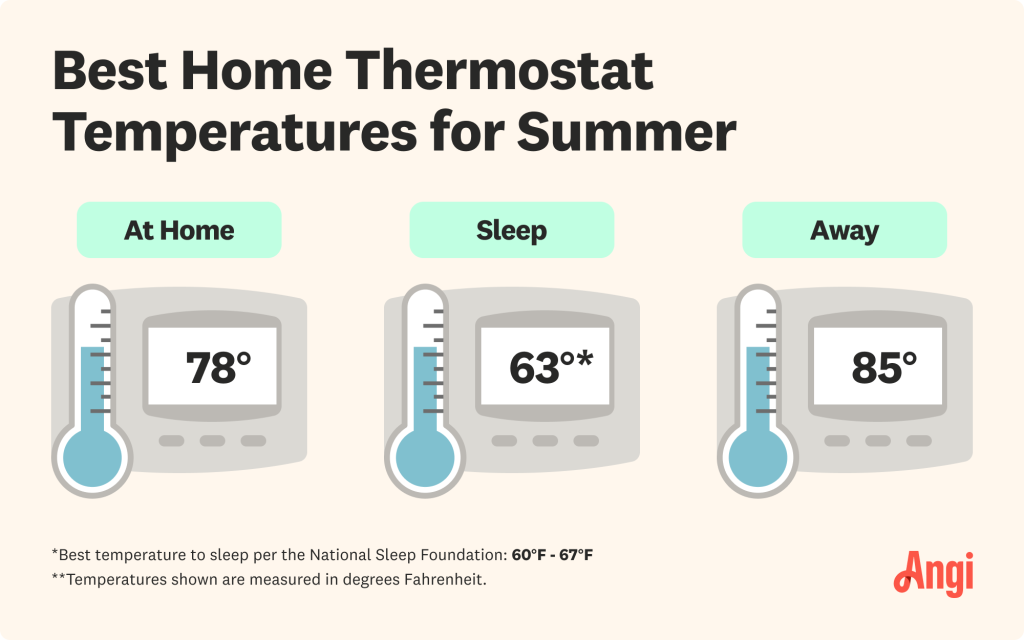
Are you wondering what the best temperature is to set your air conditioner? Finding the perfect balance between comfort and energy savings can be tricky.
You want your home to feel cool and refreshing without causing your electricity bill to skyrocket. You’ll discover the ideal temperature that keeps you comfortable while saving money and reducing your environmental impact. Keep reading to learn simple tips that will make your air conditioner work smarter, not harder.
Your comfort and savings start here.
Ideal Ac Temperatures
Setting the right temperature on your air conditioner helps keep your home comfortable. It also saves energy and lowers bills.
Choosing a good temperature depends on your needs and the time of day. Let’s look at some ideal settings.
Recommended Settings For Comfort
The best temperature for comfort is usually between 72°F and 78°F. This range keeps most people feeling cool without being too cold.
At night, setting the AC to around 78°F can help you sleep better while still staying cool.
Balancing Cooling And Energy Use
Lower temperatures make the AC work harder and use more energy. Raising the temperature saves power and money.
Setting your AC to about 78°F when you are home and warmer when you are away helps balance comfort and savings.
- Set AC to 78°F when at home
- Raise temperature by 5-7 degrees when away
- Use a programmable thermostat for easy control
Temperature Tips For Different Rooms
Some rooms need cooler temperatures than others. Bedrooms may need to be cooler for good sleep.
Living rooms and kitchens can be set a bit warmer since people move around more there.
| Room | Ideal Temperature |
|---|---|
| Bedroom | 72°F – 74°F |
| Living Room | 75°F – 78°F |
| Kitchen | 75°F – 78°F |
| Office | 72°F – 75°F |

Credit: www.healthkart.com
Energy Efficiency And Savings
Setting the right temperature on your air conditioner helps save energy. It lowers your electricity bills and keeps your home comfortable.
Knowing how temperature affects costs helps you use your AC wisely. This guide explains good practices and tools to save money.
How Temperature Affects Energy Bills
The cooler you set your air conditioner, the more energy it uses. Each degree lower can increase power use by 6% to 8%. Higher settings save energy and money.
| Temperature Setting (°F) | Energy Use | Cost Impact |
| 72 or below | High | High bills |
| 73 to 76 | Moderate | Balanced cost |
| 77 or above | Low | Lower bills |
Best Practices To Lower Costs
Simple habits help reduce AC bills. Using fans and closing blinds keeps your home cooler without extra AC work.
- Set the thermostat to 78°F when you are home
- Raise temperature when away or at night
- Use ceiling fans to spread cool air
- Keep doors and windows closed
- Seal leaks and improve insulation
Using Programmable Thermostats
Programmable thermostats adjust temperatures automatically. They save energy by lowering AC use when you don’t need it.
Benefits of programmable thermostats:
- Set different temperatures for day and night
- Control AC remotely with a smartphone
- Save up to 10% on cooling costs yearly
Health And Comfort Factors
Setting the right temperature for your air conditioner is important for health and comfort. It helps you feel good and avoid health problems.
The right temperature keeps your home comfortable without wasting energy or causing issues like dry skin or colds.
Avoiding Overcooling
Overcooling can make your body feel cold and weak. It can cause headaches and stiff muscles.
Setting the temperature too low can also raise your energy bills. Keep the AC at a moderate level for comfort and savings.
- Set AC between 75°F and 78°F (24°C to 26°C) in summer
- Avoid setting it below 72°F (22°C)
- Use fans to help circulate air instead of lowering temperature
Humidity And Air Quality
The air conditioner also controls humidity. High humidity feels sticky and can cause mold growth.
Good air quality means less dust and allergens. Clean filters and proper temperature help keep air fresh.
- Keep indoor humidity between 30% and 50%
- Regularly clean or replace AC filters
- Use a dehumidifier if needed
Temperature Effects On Sleep
Temperature affects how well you sleep. Too hot or too cold rooms make it hard to rest.
Cool rooms help you fall asleep faster and improve sleep quality. The best sleep temperature is slightly cooler than daytime.
- Set bedroom AC around 68°F to 72°F (20°C to 22°C)
- Avoid sudden temperature changes at night
- Use breathable bedding for comfort
Seasonal Temperature Adjustments
Setting the right temperature on your air conditioner can save energy and keep your home comfortable. Different seasons need different cooling or heating strategies. Adjusting your AC settings can help you stay comfortable all year.
Knowing the best temperature to set your AC depends on the time of year. Here are tips for summer, spring, fall, and winter to guide your settings.
Summer Cooling Strategies
In summer, keep your home cool but avoid setting the temperature too low. A good balance saves energy and money.
- Set your AC to 78°F (25.5°C) when you are home.
- Increase the temperature by 7-10 degrees when you are away.
- Use fans to help spread cool air.
- Close curtains or blinds during the hottest parts of the day.
- Keep doors and windows closed to stop warm air from entering.
Managing Ac Settings In Spring And Fall
Spring and fall usually have mild weather. You might not need strong cooling or heating. Adjust your AC accordingly to save energy.
| Season | Recommended AC Temperature | Notes |
| Spring | 75-78°F (24-25.5°C) | Use cooling only if needed |
| Fall | 68-72°F (20-22°C) | Switch between cooling and heating |
Preparing For Winter
In winter, you may use your AC for heating if it has a heat pump. Setting the right temperature keeps you warm without wasting energy.
Follow these tips to prepare your AC for winter:
- Set the thermostat to 68°F (20°C) while you are home.
- Lower the temperature by 5-10 degrees when you sleep or leave.
- Check and replace air filters to improve efficiency.
- Seal windows and doors to keep warm air inside.
Smart Ac Controls
Setting the right temperature for your air conditioner saves energy and keeps you comfortable. Smart AC controls help manage temperature easily.
These controls use technology to adjust your AC based on your schedule and preferences. They offer convenience and efficiency.
Benefits Of Smart Thermostats
Smart thermostats learn your habits to keep your home comfortable. They adjust the temperature automatically to save energy.
They show energy use reports so you can make better choices. You can also set temperature limits to avoid wasting power.
- Automatic temperature adjustment
- Energy usage tracking
- Custom temperature settings
Remote Temperature Management
Smart AC controls let you change the temperature from anywhere. Use your phone or tablet to control your AC remotely.
This feature is useful if you want your home cool before you arrive. It also helps you turn off the AC if you forget.
- Control AC from mobile devices
- Turn AC on or off remotely
- Set schedules without being home
Integration With Home Automation
Smart thermostats can connect with other smart home devices. This makes your home systems work together smoothly.
For example, your AC can adjust when you open a window or leave the house. This saves energy and keeps your home comfortable.
- Works with smart lights and sensors
- Adjusts temperature based on activity
- Supports voice control with assistants
Credit: fischerheating.com
Troubleshooting Common Issues
Setting the right temperature on your air conditioner is important for comfort and energy savings. Sometimes, the AC may not feel right or work as expected.
This guide helps you understand common AC problems and how to fix them. You can enjoy a cool home with simple steps.
When Ac Temperature Feels Off
Your AC may feel too cold or too warm even if the thermostat shows the right setting. This can happen due to sensor problems or wrong settings.
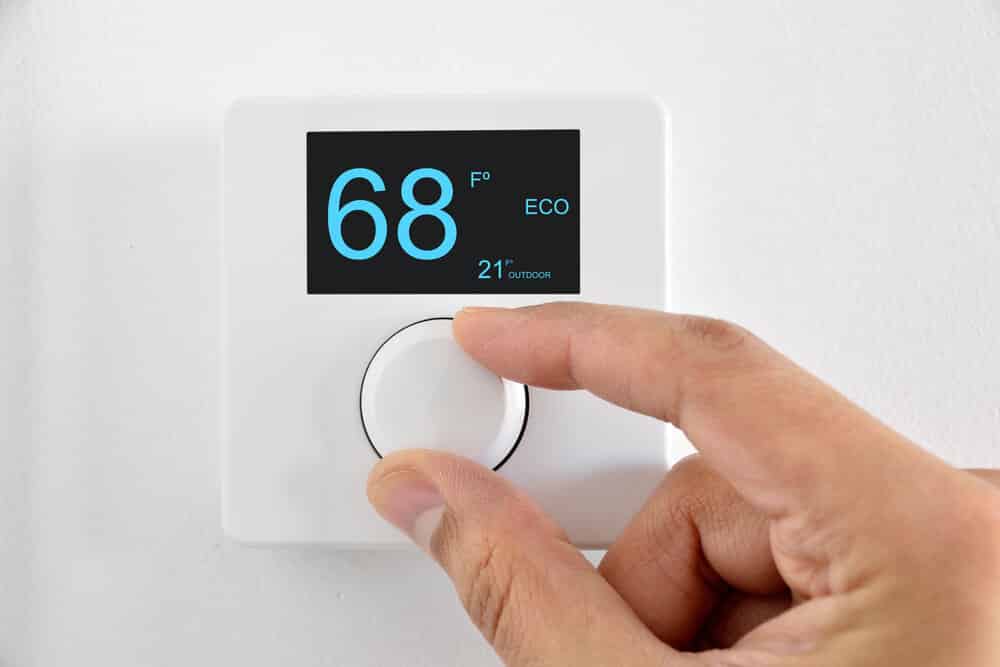
Check if the thermostat is in direct sunlight or near a heat source. This can cause wrong temperature reading and affect cooling.
- Move thermostat away from windows or lamps
- Replace batteries if the thermostat is not responding
- Calibrate the thermostat if readings seem wrong
Dealing With Uneven Cooling
Some rooms may feel cooler or warmer than others. This uneven cooling is a common issue in many homes.
Blocked vents, poor insulation, or dirty filters can cause uneven air flow and temperature differences.
- Clear any furniture or objects blocking vents
- Clean or replace air filters regularly
- Check windows and doors for leaks or drafts
- Use fans to help air circulate better
Maintenance Tips For Optimal Performance
Regular maintenance helps your AC run smoothly and last longer. It also keeps the temperature steady and comfortable.
Simple tasks can prevent many issues and save money on repairs.
- Clean or replace air filters every 1-3 months
- Clear debris around outdoor units
- Schedule professional AC inspections yearly
- Check and clean evaporator and condenser coils
- Ensure the thermostat batteries are fresh
Credit: heatable.co.uk
Frequently Asked Questions
What Is The Ideal Temperature For Air Conditioner Settings?
The ideal temperature for air conditioners is typically 72°F to 78°F. This range balances comfort and energy efficiency, keeping rooms cool without excessive energy use. Adjusting within this range helps save on electricity bills while maintaining a pleasant indoor climate.
How Does Temperature Affect Air Conditioner Energy Use?
Higher AC temperatures reduce energy consumption by decreasing compressor work. Setting your AC closer to 78°F lowers electricity use significantly. Conversely, very low temperatures increase energy costs and strain the system, leading to higher bills and potential maintenance issues.
Can Setting Ac Too Low Harm Your Health?
Yes, setting the AC too low can cause health issues like dry skin, respiratory problems, and cold symptoms. Extreme cold indoors may also weaken your immune system. Maintaining moderate temperatures helps prevent discomfort and promotes healthier living conditions.
What Temperature Saves The Most On Air Conditioning Bills?
Setting your AC at around 78°F saves the most on energy bills. This temperature reduces power usage while keeping you comfortably cool. Using fans in combination with this setting enhances airflow and comfort without extra energy costs.
Conclusion
Setting your air conditioner to a good temperature saves energy and money. Around 75°F (24°C) keeps you cool and comfortable. Avoid setting it too low; it wastes power and raises bills. Adjust the temperature when you leave to save more.
Use fans to help air flow and feel cooler. Small changes make a big difference in comfort and cost. Stay mindful of your AC settings to enjoy a pleasant home all summer. Simple habits protect the environment and your wallet.